

Can Cockroach Droppings Trigger Asthma?
Cockroach droppings can trigger asthma by releasing proteins that inflame your airways. When you inhale these particles, they worsen respiratory symptoms, causing wheezing, coughing, and chest tightness. Children and inner-city residents are especially vulnerable due to increased exposure. Keeping your living spaces clean and dry can help reduce these risks. Want to discover more about managing and identifying cockroach-related asthma symptoms?
Key Takeaways
- Cockroach droppings contain proteins that trigger immune responses, leading to airway inflammation and asthma symptoms.
- Inhalation of airborne particles from droppings can cause chronic asthma exposure and persistent symptoms.
- Droppings worsen indoor air quality, increasing asthma attacks and respiratory issues.
- Humidity and shared ventilation can exacerbate asthma symptoms linked to cockroach droppings.
- Droppings remain allergenic for months, even in the absence of live cockroaches.
Why Cockroach Infestations Are a Health Concern
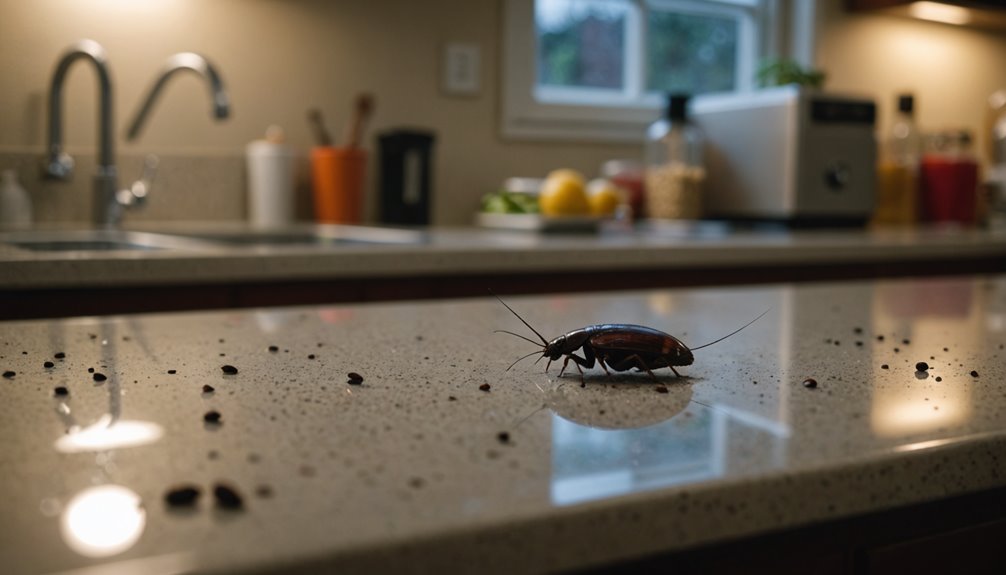
When cockroach infestations occur, they’re not just a nuisance; they pose serious health risks. You mightn’t realize it, but these pests are classified as a health hazard due to their ability to contaminate living spaces. They spread allergens and germs, impacting respiratory health and increasing asthma morbidity, especially in densely populated areas. Cockroaches can carry disease-causing germs, transmitting them as they crawl across food and surfaces.
This contamination can lead to food poisoning and other gastrointestinal illnesses. Their presence in kitchens and bedrooms amplifies these health concerns. Additionally, cockroach allergens found in their feces, saliva, and body parts become airborne, worsening indoor air quality. Debris from cockroaches triggers asthma attacks in sensitized individuals, making addressing infestations essential to maintaining a healthy living environment.
How Cockroach Droppings Affect Asthma
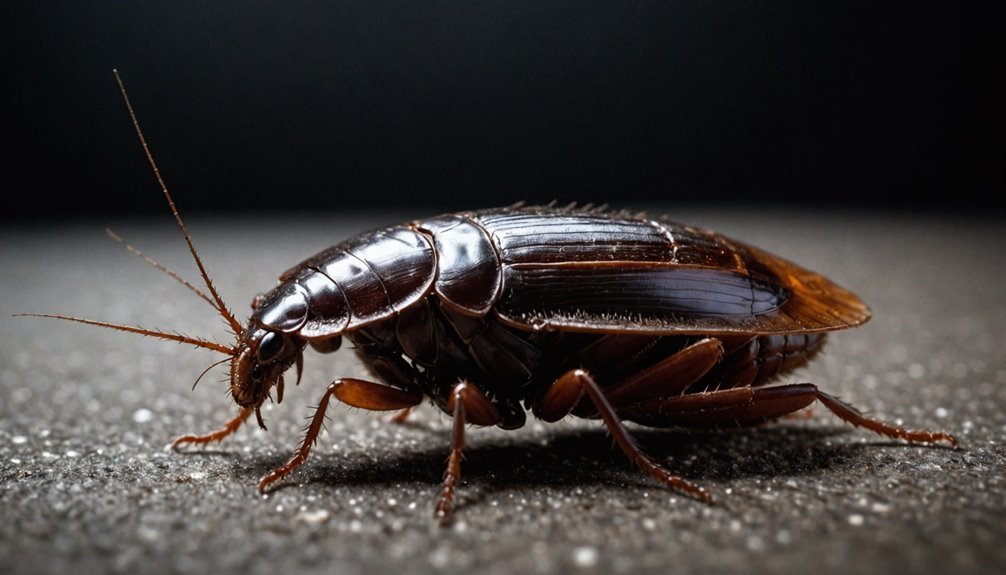
Although often overlooked, cockroach droppings greatly impact asthma sufferers. The proteins in these droppings, known as allergens, trigger immune responses, causing airway inflammation, increased mucus, and bronchial tightening. When you inhale particles from the droppings, they lodge deep in your lungs, sparking immune reactions if you’re sensitive. Chronic exposure can lead to long-term airway changes and persistent asthma symptoms.
Droppings become airborne, contaminating indoor air as tiny particles settle in dust. Humidity and shared ventilation can worsen this, causing symptoms like stuffy noses, coughing, and chest tightness. Droppings remain allergenic for months, even after the roach dies, ensuring ongoing risks. Managing droppings through cleaning and professional extermination reduces allergen levels and alleviates asthma symptoms. Cockroach allergens are detected in 85% of inner-city U.S. homes, which highlights the widespread nature of this issue.
Who Is Most at Risk From Cockroach Allergens?

You’ll find that certain groups are more vulnerable to cockroach allergens, especially children and inner-city residents. If you’re living in damp or cluttered environments, the risk increases due to higher exposure and infestation rates. Sensitized individuals, particularly those with asthma, face more severe symptoms and frequent medical visits when exposed. Additionally, cockroach allergens are significant contributors to asthma morbidity, linking exposure to increased asthma sensitivity and severity.
High-Risk Demographics
Cockroach allergens pose a vital risk to specific demographics, especially children with asthma. In low-income, urban populations, about 60-80% of these children are sensitized to cockroach allergens.
If you live in an inner-city, you’re at a higher risk due to increased exposure. Residents in low-income households, particularly those earning under $20,000, often face elevated allergen levels. Urban housing, especially pre-1940 buildings and high-rise apartments, tends to have higher concentrations.
African-American children with atopic asthma and young people in inner-city environments are also particularly vulnerable.
Bedroom exposure is essential; higher allergen levels can greatly increase asthma hospitalization rates. Visible infestations and frequent sightings further heighten the risk, making vigilance critical in these environments.
Sensitization and Severity
Understanding who’s most at risk from cockroach allergens builds on identifying high-risk demographics. If you’re sensitized to cockroach allergens, you face a higher risk, especially in low-income urban areas.
Inner-city children with asthma are particularly vulnerable, often needing more hospital visits due to severe symptoms linked to exposure. Cockroach allergens found in feces, saliva, and body partsact as year-round triggers, worsening asthma for those already sensitized.
Higher exposure levels mean greater asthma severity. Large infestations increase airborne allergens, leading to more frequent wheezing and breathing difficulties.
Indoor environments like beds and carpets can harbor these allergens, sustaining the problem. Ultimately, cockroach sensitization plays a vital role in asthma morbidity, with exposure driving symptom intensity.
How to Spot Cockroach-Triggered Asthma Symptoms
Ever wondered if your asthma symptoms are linked to cockroach exposure? Look for signs like wheezing, especially a whistling sound when breathing out, and increased coughing indoors.
Shortness of breath and chest tightness may also indicate exposure, with symptoms worsening in bedrooms or living rooms. If you notice these issues year-round and they spike after cleaning, cockroach allergens might be the culprit.
Shortness of breath and chest tightness worsening indoors could signal cockroach allergen exposure, especially after cleaning.
Pay attention to nasal congestion and allergic rhinitis, which often accompany cockroach-triggered asthma. Skin rashes and ear or sinus infections can also suggest an allergy.
If symptoms ease when you leave home but return indoors, it’s worth considering cockroach exposure as a trigger. Frequent nighttime symptoms and increased inhaler use further support this possibility.
Reducing Cockroach Allergen Exposure
If you’ve identified cockroach allergens as a trigger for your asthma symptoms, taking action to reduce exposure is key.
Start by sealing all food in airtight containers and promptly cleaning dishes to eliminate food sources. Regularly sweep or vacuum crumbs, and keep trash cans tightly covered.
Address any leaks to remove water sources. Clean with damp cloths or wet mops to avoid stirring allergens, and use HEPA-filter vacuums on carpets and upholstery.
Wash fabrics in hot water and encase mattresses for added protection. Seal cracks and reduce clutter to minimize cockroach hiding spots.
Maintain indoor humidity between 30% and 50%. For persistent infestations, consider professional pest control and use integrated pest management strategies to effectively reduce allergens.
Key Findings on Cockroach Allergens and Asthma Impact
Though often overlooked, cockroach allergens play a significant role in asthma morbidity, especially in urban settings. Cockroach droppings, saliva, and body parts contain proteins that can become airborne, triggering asthma symptoms like wheezing and coughing. This is particularly problematic for those sensitized to these allergens.
You’ll find that cockroach sensitization is a strong risk factor for asthma, especially in low-income urban areas. Exposure can lead to severe asthma outcomes, with affected children experiencing higher hospitalization rates.
Inner-city environments, where allergens accumulate indoors, are especially impacted. Early exposure is vital, as it can increase the risk of developing asthma later in life. Addressing this issue is essential for better asthma management, particularly among vulnerable populations.
Frequently Asked Questions
How Do Cockroach Droppings Spread Throughout a Home?
Cockroach droppings spread in your home through air when disturbed, on contaminated objects, and in hidden spaces. They travel via cracks, clutter, and food sources. Clean thoroughly and seal entry points to minimize distribution.
Can Cockroach Droppings Affect Pets With Asthma?
Yes, cockroach droppings can affect your pet with asthma. They contain allergenic proteins that exacerbate symptoms. Make certain your home is clean, reduce clutter, and use pest control measures to minimize exposure and protect your pet’s health.
Are There Specific Seasons When Cockroach Allergens Are Worse?
Cockroach allergens are present year-round, but you might notice spikes during warmer, humid months. Winter can feel worse indoors due to less ventilation. Focus on reducing infestations and cleaning to manage exposure effectively.
What Are Non-Chemical Methods to Prevent Cockroach Infestations?
Seal cracks and crevices, reduce clutter, and store food in airtight containers. Regularly clean kitchen areas, repair leaks, and manage humidity. Use baits and traps, vacuum with a HEPA filter, and seek professional help if needed.
Can Air Purifiers Help Reduce Cockroach Allergens Indoors?
Yes, air purifiers can help reduce airborne cockroach allergens. Use a HEPA filter and verify the purifier’s CADR matches your room size. Remember, it’s an adjunct to cleaning and pest control, not a standalone solution.
Conclusion
You should take cockroach infestations seriously because their droppings can trigger asthma symptoms. If you or someone you know is at risk, watch for signs like wheezing or coughing. Reducing exposure to these allergens is essential, so keep your environment clean and pest-free. By staying informed and proactive, you can protect yourself and others from the harmful effects of cockroach allergens on asthma. Remember, a little prevention goes a long way in maintaining healthy air quality.
