
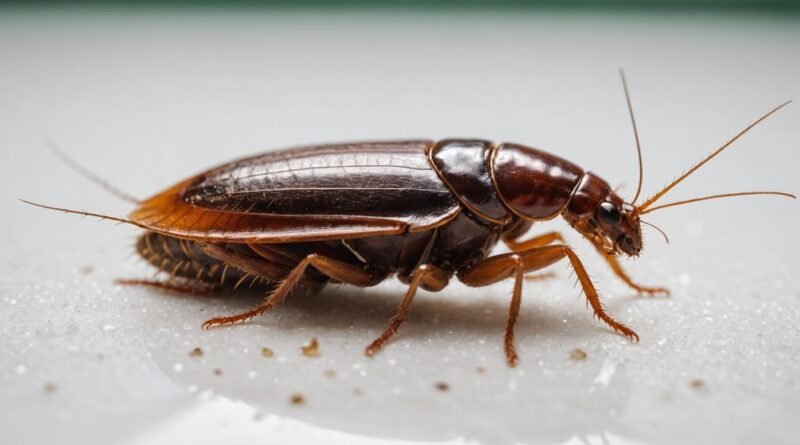
Can Dead Cockroaches Cause Allergies?
Yes, dead cockroaches can cause allergies. Their carcasses, saliva, feces, and shed skins release allergens that linger, triggering symptoms like sneezing, itchy eyes, and asthma, especially in sensitive individuals. These allergens can become airborne, allowing easy inhalation. Regular cleaning with HEPA filters and sealing entry points can help reduce exposure. To really get a handle on preventing these allergens, there are important steps you might not want to miss.
Key Takeaways
- Dead cockroaches can cause allergies due to lingering allergens in their body parts and debris.
- Allergens include proteins in carcasses, saliva, feces, and shed skins.
- Airborne particles from dead cockroaches can trigger respiratory issues like asthma.
- Allergy symptoms from cockroaches include sneezing, runny nose, and itchy eyes.
- Regular cleaning and using HEPA filters help reduce cockroach allergen exposure.
Understanding Why Dead Cockroaches Still Pose Allergy Risks
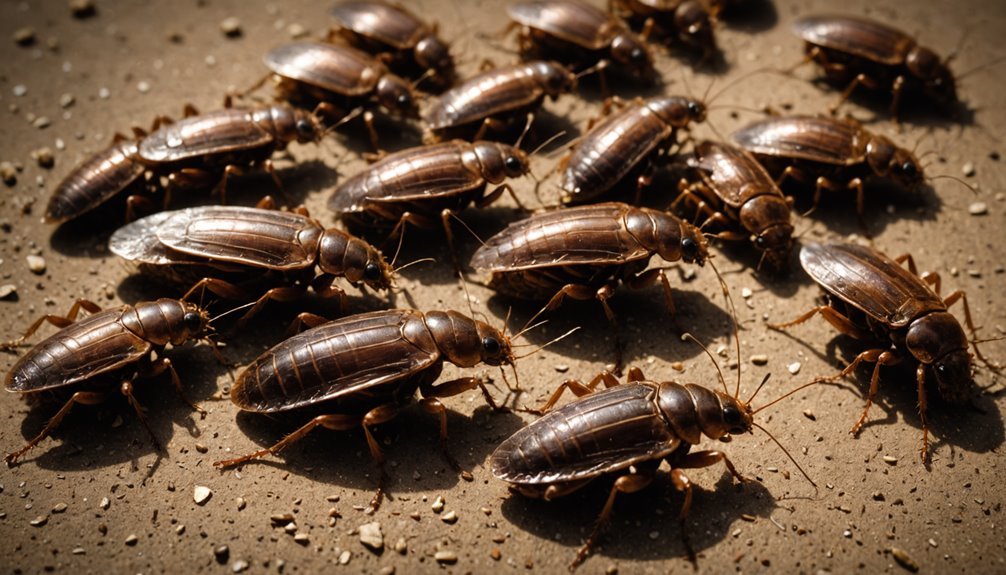
Even when cockroaches are dead, they can still pose significant allergy risks. The allergens that trigger reactions are found in their body parts, saliva, feces, and shed skins. These proteins linger in the carcass and debris long after the insect dies. You might think a dead roach isn’t a problem, but the proteins it leaves behind can still cause issues like allergic rhinitis and asthma, especially in sensitive individuals.
Cockroach allergens are persistent and can remain in dust and settled debris for years. Even without visible insects, their leftover particles can continue to cause symptoms like sneezing, coughing, and itchy eyes. It’s essential to understand that allergen exposure isn’t about the roach being alive; it’s about the proteins in their remains. Debris from dead roaches can trigger allergies, highlighting the importance of thorough cleaning to minimize exposure.
Methods of Cockroach Allergen Spread Indoors
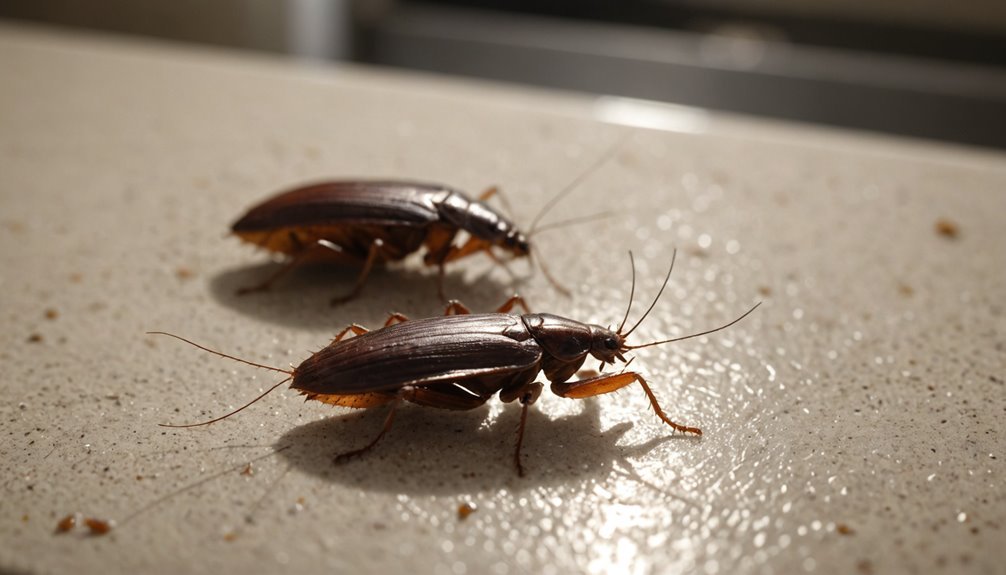
Understanding why dead cockroaches still pose allergy risks leads us to explore how these allergens spread indoors. Cockroach allergens become airborne when particles from body parts, saliva, feces, and shed skins are disturbed, allowing inhalation. Even without live insects, allergens from dead cockroaches and leftover residue can contaminate indoor air, spreading through rooms with movement or cleaning. These fine particles act like dust mites, aggravating respiratory issues.
Cockroach allergens concentrate in fecal matter and body parts, spreading from hidden harborages in dark spaces like cracks and crevices. Movement near appliances and corners releases allergens. Dust and surfaces trap these allergens, creating reservoirs. Regular vacuuming and mopping reduce allergen dust, while minimizing clutter and using sealable storage can help control their spread. Even in clean homes, infestations can occur, making it crucial to manage allergens effectively.
Recognizing Allergy Symptoms From Cockroach Exposure
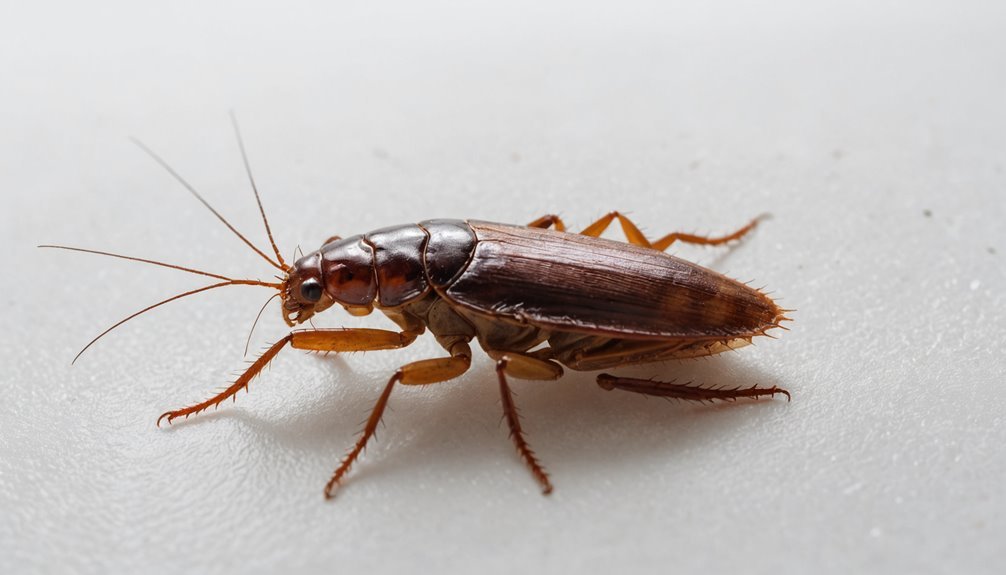
When it comes to recognizing allergy symptoms from cockroach exposure, it’s important to identify the signs early. You might notice frequent sneezing, a runny nose, or nasal congestion. Coughing and itchy eyes are common too. If your throat feels itchy or you’ve got watery eyes, these could be signs of exposure. Skin reactions like rashes or hives may also appear, often alongside respiratory symptoms. Breathing issues such as wheezing or difficulty breathing can indicate a more severe reaction.
Pay attention to symptoms that persist beyond typical allergy seasons, as they might suggest ongoing exposure to cockroach allergens. Remember, cockroaches can trigger allergies and asthma due to allergens found in their saliva, feces, and shedding body parts. If you experience wheezing, coughing, or breathing trouble, it’s vital to seek medical attention promptly.
Cockroach Allergens and Asthma Risks
While cockroaches might seem like mere nuisances, they pose considerable health risks, especially as indoor asthma triggers. These pests are a major source of allergens found in body parts, saliva, feces, and cast skins, contaminating indoor air.
Exposure to cockroach allergens can induce allergic asthma, with 40%–60% of urban asthma patients having IgE antibodies to them. In low-income urban populations, early exposure increases asthma morbidity, leading to more symptoms and hospital visits.
Cockroach allergens induce asthma, with 40%-60% of urban patients having IGE antibodies, increasing symptoms and hospital visits.
Alarmingly, 63% of U.S. homes have these allergens, with higher prevalence in urban settings. Even dead cockroaches can cause reactions, as decomposing bodies release allergenic proteins.
Sensitization to these allergens considerably increases asthma risks, especially in densely populated areas.
How to Keep Cockroach Allergens at Bay
To effectively keep cockroach allergens at bay, focus on maintaining a clean and dry environment. Clean kitchen floors, counters, and stoves regularly, and store food in sealed containers.
Quickly clean spills and dispose of garbage to minimize attractants. Fix leaks promptly and keep areas under appliances dry to reduce moisture.
Seal cracks around walls and cabinets, and repair screens to block entry points. Reduce clutter and use plastic containers for storage to limit hiding places.
Vacuum carpets with a HEPA filter and mop hard floors to trap allergens. Wash bedding in hot water and encase pillows to prevent allergen buildup.
Use bait stations and traps as part of pest control, and consider professional help if necessary. Rotate insecticides to prevent resistance.
Frequently Asked Questions
Do Cockroach Allergies Affect Pets?
Yes, cockroach allergies can affect pets. They might experience itching, sneezing, or respiratory distress. If your pet has pre-existing allergies, they’re more susceptible. Take steps to control cockroaches and reduce allergens in your home.
Can Cockroach Allergies Vary by Region?
Yes, cockroach allergies can vary by region. You’ll notice different species dominate specific climates, affecting allergen types and prevalence. Urban and tropical areas often have higher exposure, increasing sensitization risks and related health issues.
How Do You Test for Cockroach Allergies?
You can test for cockroach allergies through skin prick tests or IGE blood tests. Apply allergen to your skin or measure specific antibodies in your blood to determine sensitivity. Both require prior clinical evaluation.
Are Natural Remedies Effective Against Cockroach Allergens?
Natural remedies aren’t effective against cockroach allergens. You should focus on cleaning and pest exclusion. Use airtight containers, fix leaks, and seal cracks. For persistent symptoms, consider allergy testing and medical management for effective relief.
What Role Do Cockroaches Play in the Ecosystem?
You see cockroaches as essential to ecosystems, breaking down organic matter and recycling nutrients. They stabilize food webs by serving as prey and support biodiversity by occupying diverse niches, though they’re problematic indoors due to allergens.
Conclusion
Even when cockroaches are dead, they can still trigger allergies. Their body parts, saliva, and droppings linger in your living space, spreading allergens. You might notice symptoms like sneezing, itchy eyes, or even asthma flare-ups. To minimize these risks, keep your home clean and clutter-free. Seal food properly, fix leaks, and vacuum regularly. With these proactive steps, you can reduce cockroach allergens and breathe a little easier in your home.
