
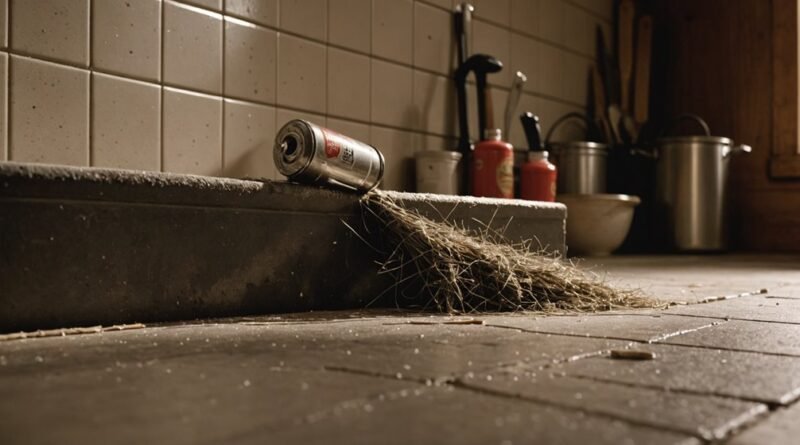
How to Seal Cockroach Entry Points
You’ve probably spotted a cockroach and wondered how it got inside. The answer usually involves gaps you haven’t noticed yet. Roaches can squeeze through openings as thin as a credit card, which means your home likely has more entry points than you’d expect. Knowing exactly where to look — and what to use when you find them — makes all the difference.
Key Takeaways
- Inspect your home’s exterior with a flashlight to catalog all gaps, cracks, and utility penetrations that cockroaches could use as entry points.
- Fill foundation cracks with masonry caulk or hydraulic cement, and seal utility pipe penetrations with grommets or low-expansion spray foam.
- Install door sweeps and weatherstripping to eliminate gaps beneath doors and around windows where cockroaches commonly enter.
- Use silicone sealant in kitchens and bathrooms, and acrylic latex caulk for small interior gaps to block interior spread pathways.
- Inspect all seals biannually, control moisture, and remove clutter to ensure long-term effectiveness of your cockroach-proofing efforts.
Where Cockroaches Actually Get Into Your Home
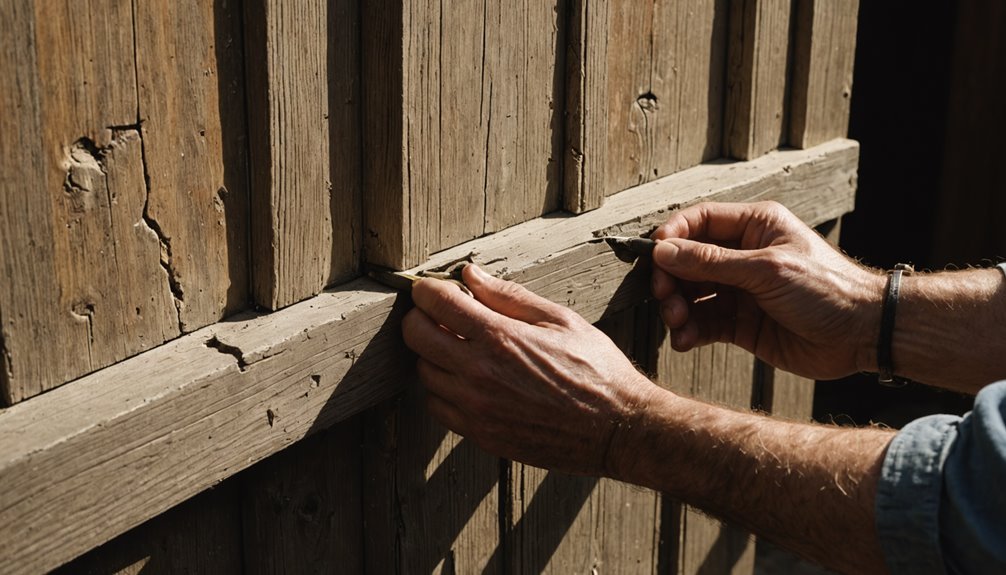
Cockroaches don’t need much of an invitation — a crack in your foundation, a gap beneath a door, or an unprotected drain is all it takes for them to move in.
They squeeze through tiny crevices in walls and floors, slip under door thresholds, and enter through damaged window screens. Openings around pipes, utility lines, and plumbing penetrations give them hidden pathways straight into your living space.
Cockroaches need only a tiny crevice, a loose threshold, or a torn screen to find their way inside.
They also travel through drain systems and ventilation ducts. If you live in a multi-unit building, they can migrate through shared walls and ceiling voids from neighboring units.
They don’t always walk in, either — you can unknowingly carry them inside on grocery bags, cardboard boxes, secondhand furniture, or luggage. Second-hand furniture is especially risky, as cockroaches can already be nesting inside before it ever enters your home.
Which Sealing Material Works for Which Gap
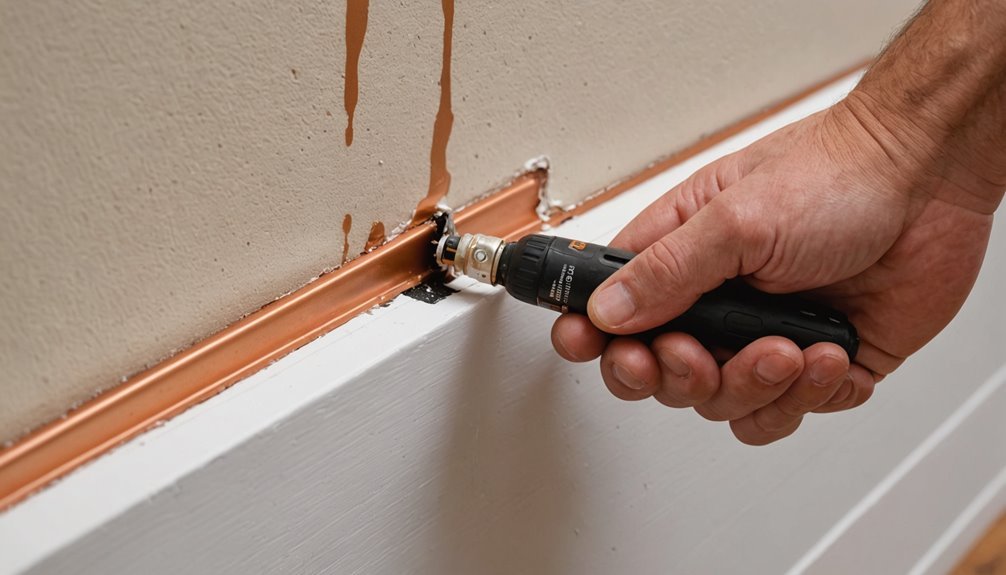
Choosing the right sealing material depends on the size and location of the gap you’re filling. For small gaps under a quarter inch, use acrylic latex caulk on interior trim, silicone in wet areas like kitchens and baths, and polyurethane sealant on exterior joints needing stronger adhesion.
Always prep surfaces first; dirt and old sealant cause adhesion failure.
For medium gaps between a quarter and half inch, pair a closed-cell backer rod with polyurethane or silicone sealant. The rod supports the bead and eliminates voids cockroaches could use.
For larger gaps over half an inch, low-expansion spray foam fills deep voids effectively, but follow it with a durable top seal since exposed foam edges give pests an exploitable foothold. For gaps reaching up to three inches, Tite Foam Big Gaps provides heavy-duty filling suitable for both interior and exterior applications.
How to Seal Exterior Entry Points Step by Step
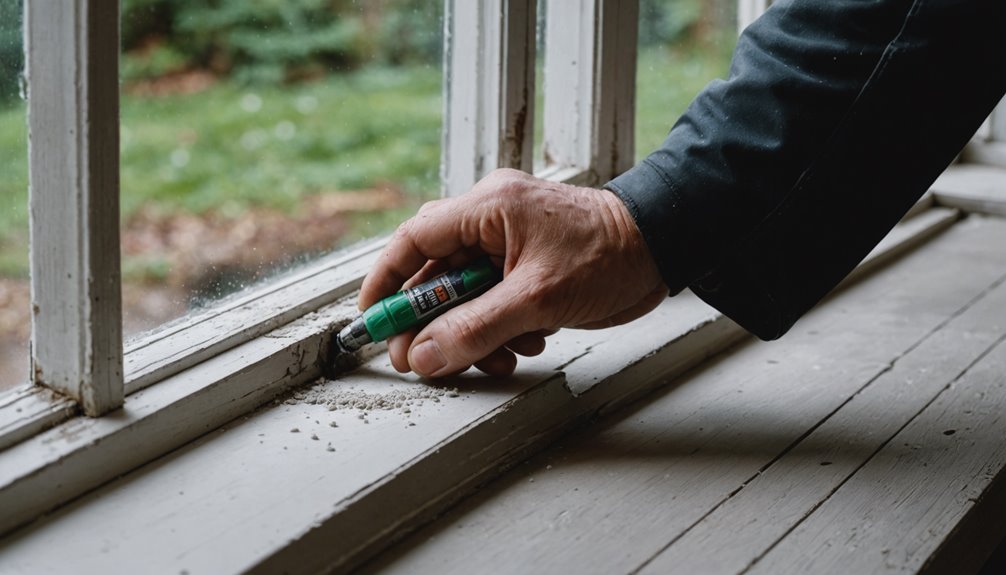
Before you apply a single bead of caulk, walk the entire exterior with a flashlight and a notepad, cataloging every gap you find. Check foundation seams, siding joints, utility penetrations, and door and window frames.
Once you’ve mapped everything, work systematically from the ground up.
- Fill foundation cracks with masonry caulk or hydraulic cement, then seal siding-to-foundation joints with weather-resistant caulking.
- Close utility penetrations around pipes, conduits, and cable entries using grommets, foam, or mesh before finishing with caulk.
- Tighten doors and windows by installing door sweeps, replacing worn weatherstripping, and recaulking separated window frames.
After sealing, clear a 12-inch vegetation-free border and redirect downspouts away from the foundation to reduce moisture that attracts cockroaches. For holes that cockroaches could chew through, pack the opening with steel wool or copper mesh before applying your final sealant layer.
Interior Spots Where Roaches Spread Through Your Home
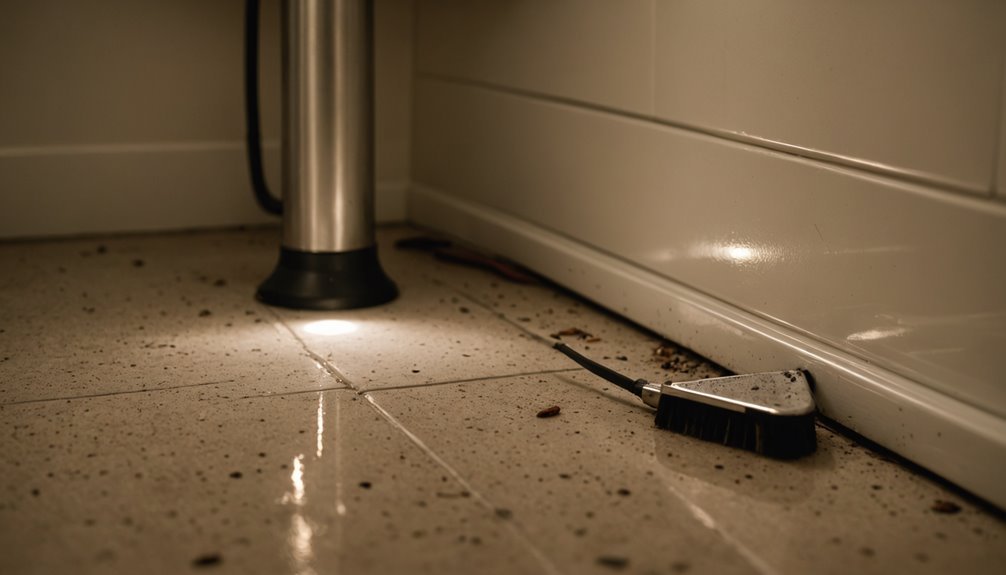
Once you’ve sealed the exterior, the battle moves indoors, where roaches spread through kitchens, bathrooms, wall voids, and utility spaces that you might never think to inspect.
In kitchens, check behind refrigerators, stoves, and dishwashers, under sinks, and inside cabinet corners where grease and crumbs collect.
Kitchens hide roaches behind appliances, under sinks, and in cabinet corners where grease and crumbs accumulate.
In bathrooms, focus on drains, pipes, cracked tiles, and cabinets beneath sinks, since moisture and darkness make these prime harborage zones.
Wall voids near plumbing let roaches travel between rooms unseen, so inspect gaps around pipe penetrations and loose baseboard seams.
In utility areas, basements, laundry rooms, and spaces near water heaters combine warmth, humidity, and low traffic into ideal conditions.
Clutter, stacked paper, electronics, and upholstered furniture also shelter hidden activity throughout the home. Cockroaches can also spread through drains and appliances, moving between rooms via wall cavities in ways that make infestations difficult to detect and control.
How to Keep Cockroach Seals From Failing Over Time
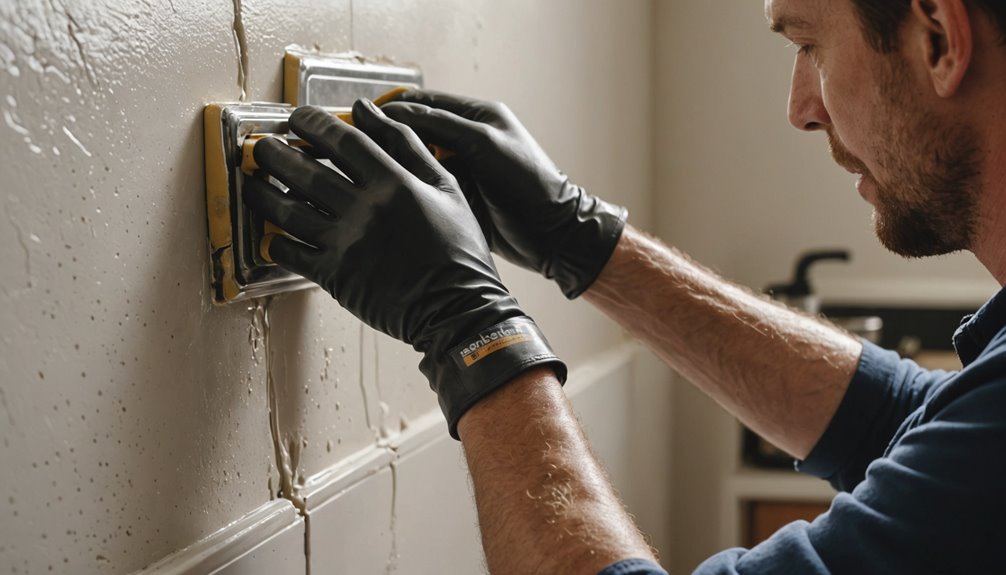
Sealing entry points only holds up if you maintain the work you’ve already done. Seasonal shifts, moisture, and daily wear all break seals down faster than most people expect.
Stay ahead of failures with these habits:
- Inspect twice a year minimum. Recheck caulk, foam, weather stripping, and door sweeps every six months, and reapply wherever gaps have reopened.
- Control moisture near sealed areas. Fix leaking pipes, improve kitchen and bathroom ventilation, and dry sinks and showers regularly—dampness weakens sealants and attracts roaches regardless of how well you’ve sealed cracks.
- Keep sanitation tight. Store dry goods in sealed containers, empty garbage consistently, and remove clutter like cardboard boxes that give roaches somewhere to hide if a seal quietly fails. Integrated pest management combines sealing with sanitation and targeted treatments to reduce the likelihood of an infestation taking hold even when a seal temporarily weakens.
Frequently Asked Questions
Can Sealing Entry Points Alone Eliminate an Existing Cockroach Infestation Completely?
Sealing entry points alone won’t eliminate an existing cockroach infestation completely. You’ll also need to clean thoroughly, fix leaks, remove clutter, and use baits or traps to address roaches already living inside your home.
What Weather Conditions Are Safe for Applying Caulk or Sealant Outdoors?
Apply caulk when temperatures are between 40°F and 90°F, skies are dry, and no rain’s expected for at least three hours. You’ll want surfaces clean, dry, and frost-free for the best adhesion.
Should I Seal Gaps Before or After Treating With Pesticides or Baits?
Treat first, then seal. Apply baits or pesticides where roaches hide and travel, let the treatment work, and then seal gaps so you don’t trap untreated roaches inside walls.
How Do I Prepare a Crack Surface Before Applying Any Sealant Material?
Clean out debris and vegetation from the crack, then blow it dry with compressed air. You’ll want to make certain it’s completely moisture-free before applying sealant, as dampness reduces adhesion considerably.
How Often Should I Reinspect Sealed Entry Points After Completing Initial Repairs?
Reinspect monthly in high-risk areas like kitchens, every 2–3 months in controlled residential settings, and at least twice yearly for general maintenance. You should also check immediately after storms, leaks, or any visible seal deterioration.
Conclusion
Sealing cockroach entry points isn’t a one-time fix—it’s an ongoing commitment. Once you’ve identified the gaps, chosen the right materials, and sealed both exterior and interior vulnerabilities, you’ll need to inspect those seals regularly to guarantee they’re holding up. Don’t wait until you spot a roach to take action. Stay proactive, address wear and damage quickly, and you’ll keep cockroaches from ever finding a way inside your home.
