
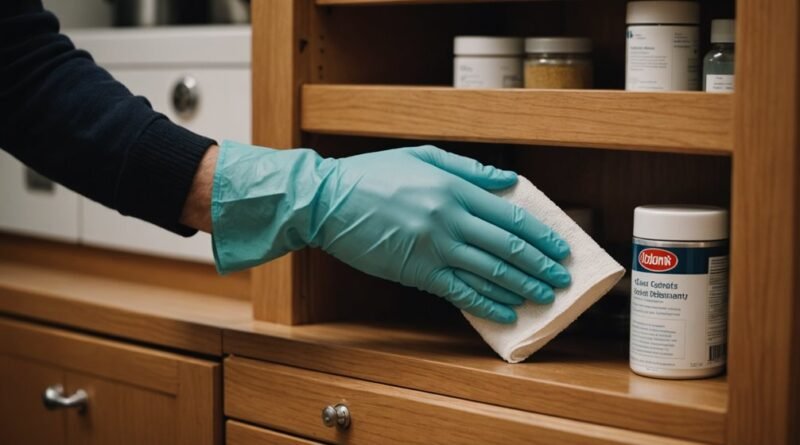
How to Clean Cockroach Droppings From Kitchen Cabinets
First, wear gloves and a mask for safety, and ventilate the kitchen. Empty your cabinets and vacuum droppings using a HEPA filter to avoid recontamination. Clean surfaces with soapy water, then disinfect. Use vinegar to neutralize odors and guarantee thorough drying to prevent moisture buildup. Dispose of waste securely and wash hands. To prevent future infestations, store food in sealed containers and fix leaks. Stick around for more tips on maintaining a pest-free kitchen.
Key Takeaways
- Wear gloves and a mask to minimize exposure to allergens during cleanup.
- Use a HEPA vacuum to remove droppings from corners and crevices.
- Wash cabinet interiors with warm water, mild dish soap, and disinfectant.
- Control odors with a vinegar-water solution and baking soda.
- Seal entry points and store food in airtight containers to prevent future infestations.
Immediate Steps for Safe Cockroach Cleanup
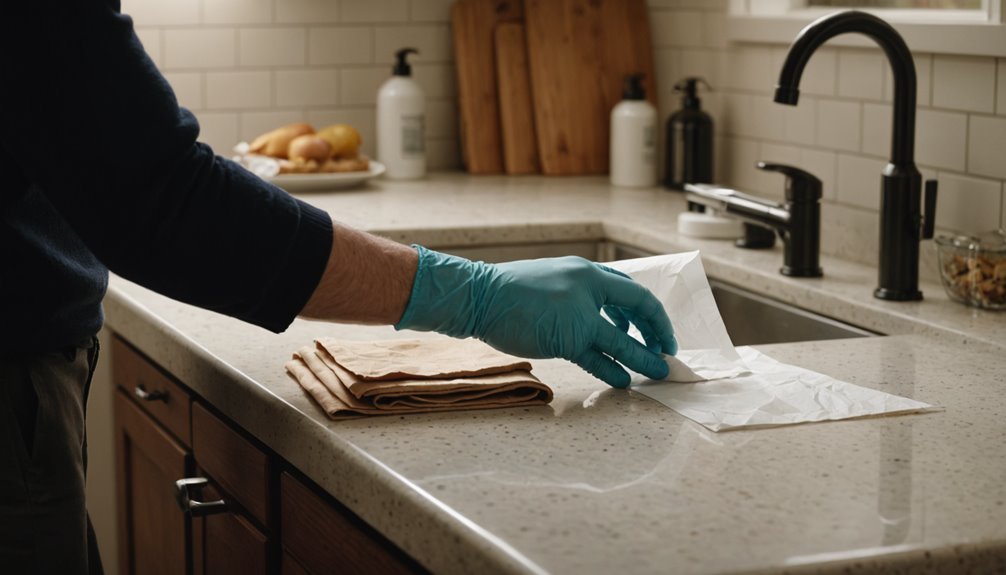
To guarantee a safe and effective cleanup of cockroach droppings, begin by protecting yourself and the area. Wear gloves and a mask to minimize exposure to allergens. Ventilate the kitchen to reduce airborne particles and odors. Keep children, pets, and food-prep activities away from the cabinets during cleanup. Avoid dry sweeping; instead, use vacuuming or wet removal to prevent spreading debris into the air. Prepare disposable towels or waste bags to quickly seal contaminated materials.
Ensure a safe cleanup by wearing gloves and a mask, and ventilate the kitchen to reduce allergens.
Next, empty and isolate cabinet contents. Remove all items, including dishes and food containers. Inspect and discard any unsealed or contaminated food. Roaches are attracted to starchy and sugary foods, so ensure these are securely stored. Set clean items aside in a separate area. Keep cabinet doors open during the process for better access to corners and hidden debris.
Remove Cockroach Droppings Effectively
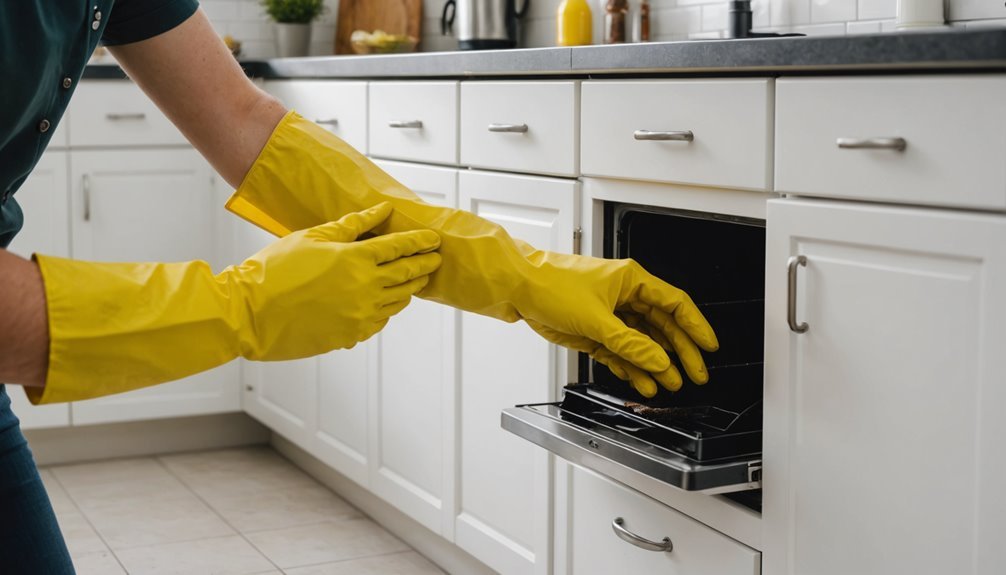
Start by tackling cockroach droppings with a strategic vacuuming approach. Use a vacuum with a HEPA filter to collect dry droppings from corners, seams, and crevices. Focus on back panels and cracks where debris often accumulates. Make sure attachments help reach tight spaces behind shelves and hinges. Empty the vacuum promptly to avoid recontamination.
Next, remove all items from the cabinets, including food, dishes, and storage containers. Inspect them for signs of infestation and discard any contaminated food. Clean off crumbs and dust that may attract pests.
To enhance cleanliness, vacuuming can be combined with the use of a brush attachment to ensure thorough removal of droppings and debris.
| Step | Action |
|---|---|
| Vacuuming | Use HEPA vacuum on surfaces |
| Item Removal | Empty and inspect cabinets |
| Cleaning Surfaces | Use mild soap or vinegar |
| Inspect and Discard | Check for contamination |
This guarantees a clean, pest-free cabinet environment.
Thorough Wet Cleaning and Disinfection Methods
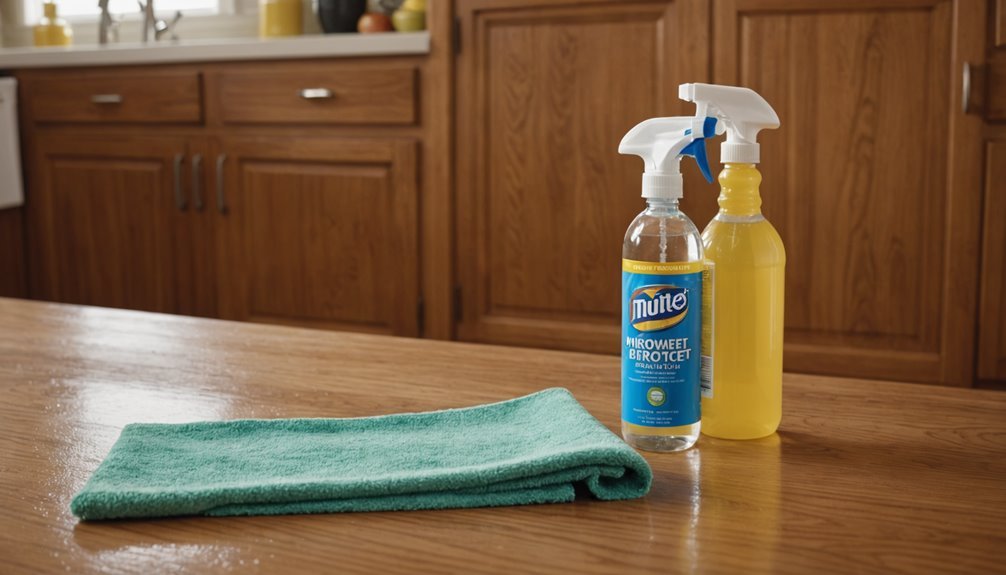
To tackle cockroach droppings effectively, start with a wet-cleaning approach using a disinfectant or soapy solution. This not only cleans but also disinfects surfaces, ensuring germs are eliminated. For odor control, consider using a vinegar-water mix, which neutralizes smells naturally. Cockroach droppings can contaminate food and surfaces with harmful pathogens, so thorough cleaning is essential for health safety.
Effective Cleaning Solutions
Tackle cockroach droppings effectively by prepping your space for a thorough wet cleaning and disinfection.
Start by emptying your cabinets completely, ensuring all dishes, utensils, and food items are removed. Wear gloves and a mask, and make sure the kitchen is well-ventilated.
Use a HEPA vacuum with a crevice tool to clear loose droppings and debris from every corner and seam.
Next, wash the cabinet interiors with warm water and mild dish soap using a damp cloth or sponge. For tough grime, a stronger soap like castile mixed with water works well.
Rinse thoroughly with a clean cloth.
Finally, apply a 1:1 vinegar-water solution to tackle any lingering odor. Wipe down evenly and dry the surfaces completely.
Proper Surface Disinfection
When cleaning cockroach droppings, it’s essential to begin with wet removal before disinfecting to minimize aerosolization. Lightly mist the droppings with disinfectant or soapy water, then use a damp cloth or disposable towel to wipe away the debris. Avoid dry sweeping.
Start with visible debris in shelves, corners, and hardware areas using repeated light passes to prevent spreading.
Afterward, wash with hot, soapy water. Utilize a separate bucket for rinsing, changing water often to avoid cross-contamination. For stubborn residue, use a sponge or scrub brush.
Once surfaces are clean, apply a disinfectant, ensuring it remains for the full contact time. Focus on high-touch points like doors and handles, and use a crevice tool for tight spots.
Odor Control Techniques
Although dealing with roach droppings can be unpleasant, effective odor control starts with thorough wet cleaning and disinfection. Lightly mist the droppings with soapy water or a disinfectant to reduce dust. Use damp cloths or sponges to wipe up residue, working in small sections to avoid spreading it.
Follow a wet-dry sequence: moisten, remove, then re-wipe to eliminate odor-causing residue. Be careful not to oversaturate wood.
Remove all items from cabinets, washing interiors with warm water and mild soap or a vinegar-water mix. Focus on corners and seams where odor compounds gather.
White vinegar and baking soda help lift odors. After cleaning, dry cabinets completely using clean cloths, and guarantee air circulation by opening doors and drawers.
Deodorize and Dry Your Cabinets
To tackle odors and moisture in your cabinets, sprinkle baking soda inside and let it sit for several hours before cleaning it up.
Make certain to thoroughly dry all surfaces with a clean cloth after washing to prevent any moisture buildup.
Keeping everything dry and sealed helps guarantee roaches don’t find their way back.
Baking Soda Application
Baking soda is a simple yet effective way to tackle lingering odors in your cabinets after cleaning cockroach droppings.
Start by sprinkling a light layer directly on the cleaned shelves or in the corners where odors are strongest. This helps absorb any remaining smell from the droppings.
For broader odor control, place a small open dish of baking soda inside the cabinet. Leave it in place for several hours or overnight to maximize absorption.
After the contact time, vacuum or wipe away the baking soda. You might need to replace it every few months to maintain freshness in enclosed spaces.
Thorough Drying Techniques
Efficiently drying your cabinets after cleaning cockroach droppings is essential to prevent moisture-related issues. Begin by using a HEPA vacuum to remove any remaining debris. Position high-velocity fans three feet away to circulate air effectively. Open all cabinet doors and drawers for maximum airflow. Set dehumidifiers to 40% relative humidity and maintain a room temperature between 70-75°F for ideal drying.
Apply a diluted white vinegar solution and let it evaporate. Use hydrogen peroxide spray, allowing it to sit for ten minutes before drying. Place activated charcoal bags inside cabinets to eliminate odors.
| Drying Method | Technique Description |
|---|---|
| Air Circulation | High-velocity fans and opened doors for airflow |
| Dehumidification | Dehumidifiers at 40% humidity |
| Chemical Deodorization | Vinegar, hydrogen peroxide, and charcoal bags |
| Surface Drying | Microfiber cloths and paper towels for moisture removal |
| Natural Odor Control | Bay leaves, cedar blocks, and peppermint oil |
Prevent Moisture Buildup
While maintaining your cabinets, controlling moisture buildup is essential to keep them dry and odor-free.
Keep indoor humidity between 30% and 50% using a dehumidifier and exhaust fans during and after cooking. Open windows when possible to improve air exchange. Use a hygrometer to guarantee humidity stays in check.
Place baking soda, silica gel packets, or activated charcoal inside cabinets to absorb moisture. Refresh these materials regularly.
Leave cabinet doors open periodically and organize items to maximize airflow. Direct fans toward open cabinets to enhance air circulation.
Wipe interiors with a vinegar and water solution to combat musty odors. Seal leaks and gaps around plumbing with waterproof caulking, and avoid storing damp items to prevent moisture buildup.
Safely Dispose of Cockroach Waste
When you’re ready to dispose of cockroach waste, it’s crucial to prioritize safety and containment. Start by wearing disposable gloves and a mask to protect yourself.
Use paper towels, disposable cloths, or a HEPA-filter vacuum for pickup, avoiding dry sweeping. Lightly mist droppings with soapy water to prevent dust from becoming airborne.
Use paper towels or a HEPA-filter vacuum and mist with soapy water to prevent airborne dust.
Place all used materials, gloves, and debris into a sealable plastic bag, double-bagging for extra security. Dispose of the sealed waste in an outdoor trash bin with a tight-fitting lid to prevent pest access.
Avoid flushing waste down the toilet or leaving it in indoor trash. Clean all surfaces with disinfectant, ensuring contact time as recommended.
Thoroughly wash your hands after cleanup.
Long-Term Strategies to Prevent Cockroach Infestations
After safely disposing of cockroach waste, it’s important to focus on preventing future infestations.
Start by cleaning spills and crumbs immediately, and store all food, including pet food, in sealed containers. Regularly remove garbage using bins with tight lids, and wipe down surfaces every evening.
Eliminate water sources by fixing leaks, drying sinks and tubs, and emptying pet bowls overnight. Seal entry points by using door sweeps, caulk, and weather stripping.
Reduce clutter to minimize hiding spots and elevate stored items for easier cleaning. Trim vegetation and eliminate dense ground covers near your home.
Finally, place sticky traps around the house and monitor them weekly. Use insecticides with residual effects for targeted pest control.
Frequently Asked Questions
What Health Risks Are Associated With Cockroach Droppings?
Cockroach droppings pose health risks by triggering allergies, asthma, and respiratory issues. They can contaminate food with bacteria like Salmonella, causing gastrointestinal illness. Protect yourself by cleaning carefully to prevent exposure and inhalation of harmful particles.
Can Cockroach Droppings Cause Allergies or Respiratory Issues?
Yes, cockroach droppings can trigger allergies and respiratory issues. They contain proteins that provoke allergic reactions and worsen asthma. You might experience symptoms like coughing and wheezing, so reducing exposure is essential for your health.
How Do I Identify Cockroach Droppings Compared to Other Pests?
You identify cockroach droppings by their small, pepper-like appearance or larger cylindrical shape with blunt ends. They’re dark, often glossy, and may smear when damp. Look for clusters near warm, dark areas, unlike scattered mouse droppings.
Are There Natural Remedies for Deterring Cockroaches?
Yes, you can use natural remedies like bay leaves, peppermint oil, and eucalyptus oil to deter cockroaches. Place bay leaves in cupboards and spray oils around entry points to keep them away without harmful chemicals.
How Often Should I Inspect Cabinets for Signs of Roaches?
Inspect your kitchen cabinets weekly if you’ve seen roaches or recently treated them. Even without visible signs, regular checks are smart. Use sticky traps and examine hidden areas to catch any early signs of activity.
Conclusion
To keep your kitchen cabinets clean and cockroach-free, start by safely removing droppings and thoroughly disinfecting the area. Don’t forget to dry and deodorize to keep things fresh. Dispose of waste carefully and consider long-term prevention strategies to stop future infestations. Regular maintenance and vigilance are key. By staying proactive, you’ll maintain a clean, pest-free kitchen that’s both safe and welcoming. Remember, a little effort now saves a lot of hassle later!
