

Cockroaches in Kitchen Cabinets
You’ve opened your kitchen cabinet and spotted a cockroach scurrying into the shadows. It’s unsettling, but you’re not alone. These resilient pests find their way into cabinets more often than most homeowners realize. Understanding why they’re there and how to eliminate them makes all the difference. What you discover next might surprise you.
Key Takeaways
- Cockroaches hide in kitchen cabinets because they offer darkness, warmth, moisture, and easy access to food sources like sweets and starches.
- Common hiding spots include cabinet corners, shelf joints, under-sink areas, and gaps between counters and cabinets.
- Apply gel bait every 6–12 inches along cabinet bottoms and dust boric acid in voids to eliminate infestations effectively.
- After an infestation, empty cabinets, vacuum thoroughly, scrub with soapy water, and seal cracks with caulk before restocking.
- Prevent future infestations by storing food in airtight containers, fixing leaky pipes, decluttering cabinets, and sealing entry points.
Why Are Cockroaches Getting Into Your Kitchen Cabinets?
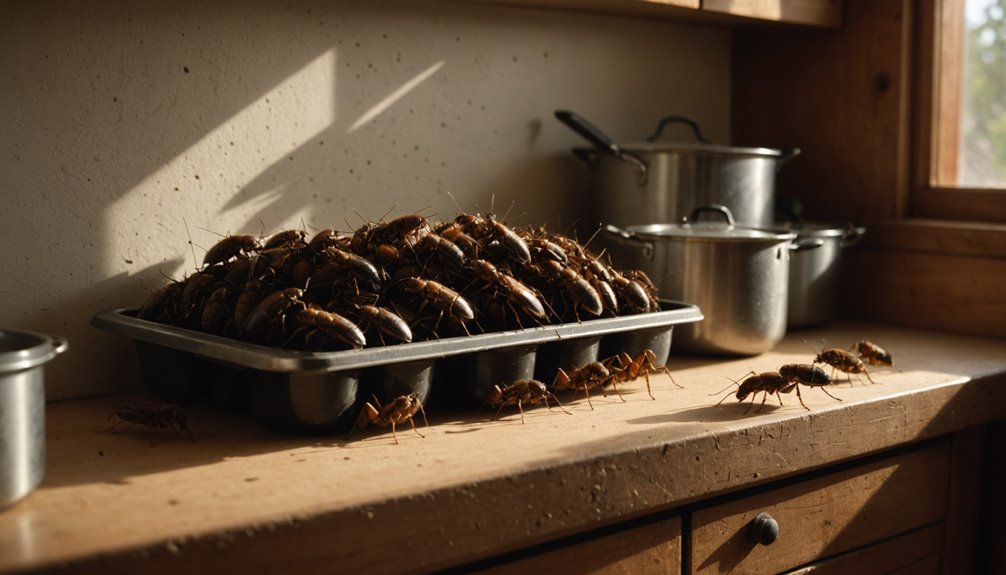
Cockroaches don’t end up in your kitchen cabinets by accident — they’re drawn there by the same basic needs driving every infestation: food, water, and shelter.
Cockroaches don’t wander into your kitchen cabinets by chance — they’re pulled in by food, water, and shelter.
Crumbs, grease, unsealed dry goods, and open snack packaging all signal that your cabinets are worth entering. Leaky pipes and damp surfaces under the sink add moisture, another key survival resource roaches actively seek.
Gaps around pipes, cabinet edges, and unsealed wall openings give them easy entry routes. Once inside, clutter provides the dark, undisturbed hiding spots they prefer.
Your cabinets don’t exist in isolation either — dirty dishes, trash buildup, and poor sanitation elsewhere in the kitchen push roaches toward cabinet areas as a reliable, stable food source. Roaches are nocturnal creatures, meaning they conduct most of their cabinet raids under the cover of darkness, making early detection especially difficult.
Where Cockroaches Hide in and Around Kitchen Cabinets
Kitchen cabinets offer roaches exactly what they need: darkness, tight spaces, and proximity to food and moisture. They’ll exploit every structural weakness, from loose joints to pipe gaps, settling wherever you can’t easily see or reach.
| Location | Why Roaches Use It | What to Look For |
|---|---|---|
| Cabinet corners and shelf joints | Dark, enclosed, hard to inspect | Droppings, shed skins |
| Under-sink cabinet | Damp from pipes and condensation | Live insects, egg cases |
| Behind stored food items | Cardboard and clutter provide cover | Gnaw marks, smear trails |
Check the gap between your counter and cabinet top, the space beside your stove, and any pipe penetrations in cabinet walls. These spots combine warmth, darkness, and easy movement. Roaches are also drawn to cabinets because they provide easy access to sweets, meats, and starches stored inside.
How to Get Rid of Cockroaches in Kitchen Cabinets
Once you know where roaches are hiding in your cabinets, you can target them directly. A combination of baits, dusts, traps, and sanitation gives you the best results.
Start with these core actions:
- Apply gel bait in small dabs every 6–12 inches along cabinet bottoms, keeping it away from cleaners and moisture.
- Dust boric acid or diatomaceous earth inside cabinet voids and plumbing penetrations, not on food-contact surfaces.
- Place sticky traps near sinks, wall edges, and active zones to monitor traffic and measure progress.
- Store food in sealed containers and keep cabinets dry, clean, and decluttered to eliminate competing food sources.
Without removing food and moisture, even well-placed treatments won’t perform effectively.
Treatments fail without eliminating the food and moisture that keep roaches alive and thriving.
Sanitation isn’t optional—it’s essential. Using an aerosol pesticide to flush roaches out of cracks before vacuuming can eliminate up to 50% of adult cockroaches in a single treatment.
How to Clean Your Cabinets After a Cockroach Infestation
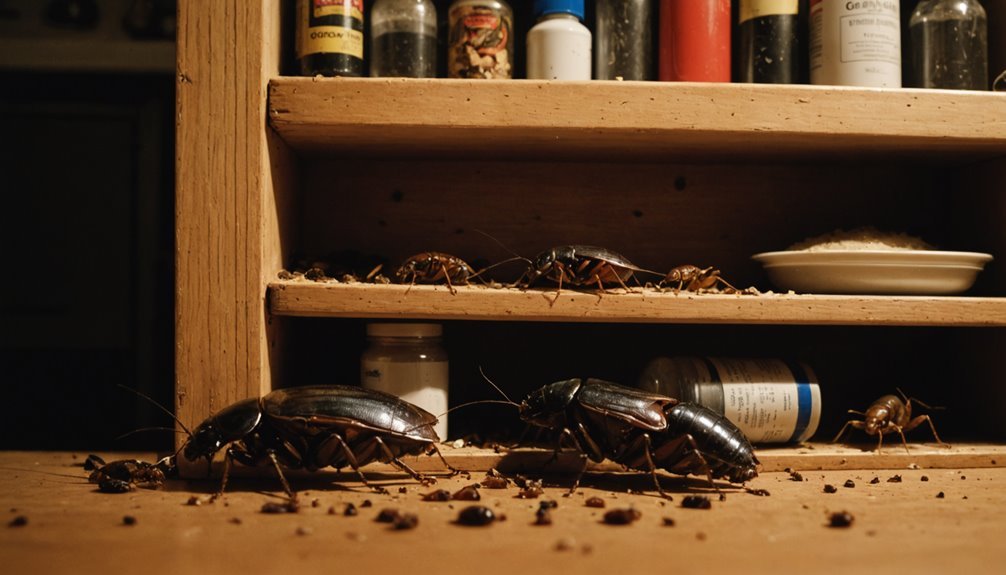
Cleaning your cabinets after a cockroach infestation isn’t just about appearance—it removes droppings, egg cases, and bacteria that can persist long after the roaches are gone.
Start by fully emptying every cabinet, discarding contaminated food and inspecting salvageable items for droppings or egg cases.
Vacuum all interiors first, focusing on corners, seams, and crevices where debris collects.
Then scrub every surface with warm water and mild dish soap, rinsing your cloth frequently to avoid spreading contamination.
Follow up with a kitchen-safe disinfectant, letting it sit for the contact time listed on the label.
Once everything’s dry, seal any cracks or gaps with caulk before returning your items.
Keeping cabinets clutter-free afterward gives roaches fewer places to hide and nest. Storing pantry items in airtight containers also removes easy food sources that attract roaches back to your cabinets.
How to Keep Cockroaches Out of Kitchen Cabinets
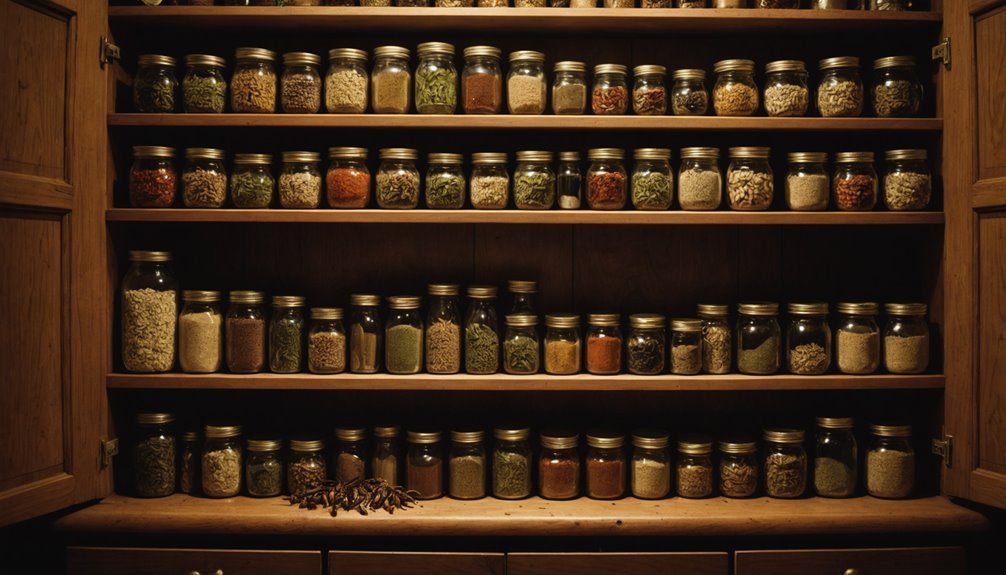
After you’ve cleaned and disinfected your cabinets, the next step is making sure cockroaches can’t move back in. Focus on these four core strategies:
- Seal entry points: Caulk gaps around pipes, baseboards, and under-sink plumbing where roaches enter.
- Remove food sources: Store food in airtight containers, wash dishes nightly, and empty trash regularly.
- Eliminate moisture: Fix leaky pipes, ventilate under-sink cabinets, and apply waterproof caulk near sink-adjacent areas.
- Reduce harborage: Declutter cabinet interiors and inspect corners and crevices for hidden spaces roaches can use.
Once you’ve addressed those, place sticky traps near cabinet walls to monitor activity.
Place sticky traps along cabinet walls after treatment to catch early signs of cockroach activity before it escalates.
If you spot signs of return, apply gel bait inside cracks and crevices before a new infestation establishes.
If problems persist despite your efforts, consider opening a ticket on Sucuri’s support page to rule out any server-side issues affecting pest control resources you may be relying on online.
Frequently Asked Questions
Can Cockroaches in Kitchen Cabinets Make You Sick?
Yes, cockroaches in your kitchen cabinets can make you sick. They carry bacteria like Salmonella and E. coli, contaminating your food and surfaces through droppings, saliva, and shed body parts, causing foodborne illness.
How Fast Can a Cockroach Infestation Spread Through Your Home?
A cockroach infestation can spread through your home in just months. If you’ve got food, moisture, and clutter available, even a handful of roaches can quickly overtake your entire house.
Are Certain Cockroach Species More Likely to Infest Kitchen Cabinets?
Yes, certain species are more likely to invade your kitchen cabinets. You’ll most often deal with German cockroaches, as they’re drawn to food, moisture, and tight crevices. Brown-banded cockroaches prefer drier cabinet zones instead.
How Long Does It Take to Fully Eliminate a Cockroach Infestation?
Eliminating your cockroach infestation typically takes 3–6 weeks with professional treatment, but severe cases can stretch to several months. You’ll need repeated treatments targeting hidden harborages, egg cases, and multiple life stages for complete control.
Can Cockroaches in Cabinets Damage Food Packaging or Other Materials?
Yes, cockroaches can damage your food packaging by chewing through cardboard, thin plastic, and soft wrappers. They’ll also leave feces, saliva, and greasy residue on surfaces, contaminating food even without visible packaging damage.
Conclusion
Dealing with cockroaches in your kitchen cabinets isn’t easy, but you’ve got everything you need to tackle the problem. By identifying why they’re getting in, locating their hiding spots, and using the right treatments, you can eliminate them effectively. Don’t forget to clean thoroughly after an infestation and take preventive steps to keep them from returning. Stay consistent with your efforts, and you’ll maintain a clean, cockroach-free kitchen.
