
Cockroaches in Multi-Unit Apartments & Rentals
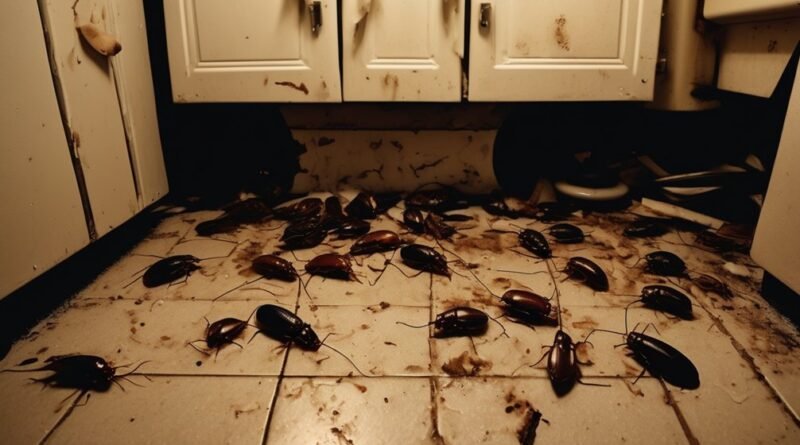
If you manage or live in multi-unit housing, cockroaches aren’t just a nuisance—they’re a building-wide problem. Shared walls, plumbing, and trash rooms give them highways to spread, and the most common species thrive in tiny cracks you rarely notice. Infestations drive up costs, trigger asthma, and tank tenant satisfaction. You can get ahead of them, but it takes more than sprays and hope. Here’s where most efforts fail—and what actually works.
Key Takeaways
- Cockroaches are common in rentals, especially multi-unit buildings; German and brown-banded species spread via shared walls, plumbing, and utility chases.
- Infestations trigger asthma and allergies, particularly in children and older adults, increasing ER visits and healthcare costs.
- Hotspots include kitchens, bathrooms, trash rooms, basements, and warm electronics; activity spikes in warm, humid seasons and during heating periods.
- Integrated Pest Management works best: use baits and IGRs, reduce spraying, seal gaps, fix leaks, and enforce sanitation and trash schedules.
- Inspect building-wide, not just complaint units; use traps, map activity, and coordinate resident reporting and access for effective control.
Prevalence and Risk Factors in Multi-Unit Buildings
Although any home can harbor roaches, multi-unit buildings face distinctly higher odds and faster spread. You’re about three times more likely to encounter roaches in an apartment than in a detached home.
In some complexes, German cockroach infestations reach 62%, and roughly 28–30% of apartments in certain cities report problems. About 14 million U.S. units see roaches yearly, with apartments making up a large share. Elevated cockroach allergens appear in 11–13% of households, with high-rise settings showing higher concentrations.
Risk rises with older buildings—especially pre-1940—and with disrepair: peeling paint, leaks, rotting wood, and mold.
Interconnected plumbing and wall voids let roaches move between units, so one infestation threatens many. Crowding, tenant turnover, inconsistent sanitation, limited cooperation, and insecticide resistance further entrench building-wide problems.
Health and Economic Impacts on Residents and Owners
You face real respiratory and allergy risks from cockroach allergens, with children and older adults most vulnerable to severe asthma attacks.
Persistent infestations drive up costs through medical bills, missed work or school, and repeated pest control, especially when units share plumbing and common areas. Landlord involvement is crucial for building-wide pest control to coordinate effective IPM across multiple units.
As problems persist, you can see property values drop, tenant turnover rise, and legal or regulatory pressures increase, until effective IPM stabilizes both health and finances.
Respiratory and Allergy Risks
Even when an infestation isn’t visible, cockroach allergens in saliva, feces, and shed skins can infiltrate apartments and trigger powerful respiratory and allergic reactions. You’ll see more wheezing, coughing, and asthma flare-ups—especially in children—because these proteins rank among the top indoor allergens with dust mites and pet dander.
Higher contamination levels correlate with new asthma cases, more ER visits, and hospitalizations. These infestations can also lead to health code violations, disrupting businesses and increasing costs for owners.
You might also experience rhinitis, sinusitis, and skin irritation that disrupt sleep and daily routines. Symptoms often intensify during infestation peaks, and allergens can linger even after pests are removed, sustaining health burdens.
These health effects cost you money: doctor visits, medications, emergency care, air filtration, and extra cleaning. Missed work or school reduces income.
Some tenants relocate, while owners face liability, turnover, and reputational harm.
Costs of Persistent Infestations
When cockroach infestations persist, costs mount on two fronts: health and housing.
You pay through increased asthma and allergy care—more ER visits, medications, and missed work or school—especially in households with children or seniors. Stress and stigma compound the burden, driving mental health needs and disrupting employment stability. Early detection can reduce overall treatment costs.
On the housing side, you face recurring pest control bills. Single treatments average $100–$700; larger units can run $450–$550 each. Severe cases may require fumigation or tenting at $1,000–$7,500.
In multi-unit buildings, infestations spread, so repeated treatments inflate annual costs. Monthly IPM monitoring adds about $2.40–$2.70 per apartment, which scales quickly.
Delayed or ineffective service—and contractor shortcuts—let infestations persist, forcing more intensive, expensive interventions and generating resident complaints and legal risks.
Property Value and Turnover
Although cockroaches often start as a maintenance problem, they quickly become a market and turnover risk that hits both residents and owners.
Buyers read infestations as neglect, appraisers discount values for visible damage, and the stigma lingers in listings and word of mouth. Even after treatment, a history of roaches can depress pricing, complicate refinancing, and nudge insurers to raise premiums or refuse coverage.
Health impacts compound losses. Allergens trigger asthma, fears of disease grow, and residents file habitability claims, withhold rent, or break leases.
You face fines, forced remediation, and legal fees if you miss health codes. Turnover accelerates as tenants flee, vacancies stretch, and advertising and make-ready costs climb. Proactive pest management can protect property value and reduce financial risks.
Meanwhile, residents absorb cleaning, replacement, and medical bills, eroding stability and demand.
Common Species and Infestation Patterns in Rentals
You’ll most often face German cockroaches in kitchens and baths and, less often, brown-banded cockroaches tucked into drier spots like living rooms and bedrooms.
Watch the harborage and spread routes: cracks, cabinets, appliance gaps, and utility lines that let roaches move between units. In multi-unit buildings, roaches can travel between units through common walls and utility chases.
Expect seasonal and indoor hotspots—warm, moist areas year-round, with basements, boiler rooms, and leaky spaces flaring during warmer months.
German and Brown-Banded
Two small invaders dominate apartment infestations: German and brown-banded cockroaches. You’ll spot German roaches by their tan color and two dark stripes; they’re 13–16 mm, winged but rarely fly.
Brown-banded are smaller, with two pale bands across wings and body, preferring warmer, drier spots like ceilings and furniture.
German females carry oothecae holding 30–48 eggs, producing multiple capsules; nymphs molt 5–6 times, and adults can live 100–200 days.
Brown-banded also carry oothecae but mature more slowly and choose different habitats.
In rentals, German roaches cluster in kitchens and bathrooms, especially under stoves and refrigerators, then radiate through shared walls, overlapping with neighboring units.
Brown-banded spread patchily, away from food.
Both contaminate surfaces with bacteria and shed potent allergens that aggravate asthma, especially in children.
Harborage and Spread Routes
Three patterns drive harborage and spread in rentals: moisture, hidden conduits, and shared spaces.
American cockroaches anchor in warm, wet zones—basements, boiler rooms, trash areas, and commercial kitchens—then ride sewer lines and drains into lower units, settling under sinks and behind appliances.
Oriental cockroaches favor damp, cool basements, crawl spaces, cracked foundations, and drains; they move through utility penetrations and plumbing but usually stay on ground or lower floors.
Smoky browns start outdoors in mulch or woodpiles, then exploit vents, roof lines, and shared ventilation; they’ll occupy attics, wall voids, and light fixtures, even fly between buildings.
Across buildings, plumbing chases, wall gaps, ventilation shafts, and electrical conduits let infestations seed quietly from one unit to many, especially where leaks persist.
Seasonal and Indoor Hotspots
As temperatures and humidity climb, cockroach pressure in rentals shifts predictably toward warm, moist, food-adjacent zones indoors. Expect activity to spike in spring and summer as reproduction accelerates (often above 80°F). Indoors, German cockroaches intensify during heating seasons and humid periods, anchoring in kitchens and bathrooms—under sinks, behind fridges, near trash—then radiating to bedrooms and closets when crowded. Brownbanded cockroaches prefer warm, higher sites—light fixtures, ceilings, and electronics. Woods roaches surge near lights in spring and slip inside, especially by woodpiles; American and oriental species appear less often.
| Hotspot | Why it matters |
|---|---|
| Kitchen/bath | Constant moisture, food access, hidden cracks |
| Electronics | Residual heat; brownbanded, German roaches exploit gaps |
| Pantries/cabinets | Crumbs, clutter, dark harborage |
| Entry points | Lights, utility gaps, wood/firewood proximity |
Obstacles to Effective Control in Multi-Family Housing
Even when you act quickly, multi-family buildings make cockroach control uniquely hard. Shared walls, plumbing, and utility chases let roaches move freely, turning one unit’s problem into a building-wide issue.
Common areas, trash rooms, and chutes offer transit routes and food, while cracks and gaps around pipes create endless entry points. Interconnected vents and conduits hide pathways, making sources hard to isolate.
Resident behavior adds drag. Many tenants don’t report—one study found only 22% of infested units did. Inconsistent sanitation, frequent turnover, and self-treatment with sprays undermine progress and fuel resistance.
Moisture from leaks and poor ventilation sustains populations.
Service limitations compound it. Misapplied or infrequent treatments, spray-heavy approaches, and incomplete coverage leave reservoirs.
Finally, coordinating access, schedules, and cooperation across units often stalls unified action.
Integrated Pest Management Strategies That Work
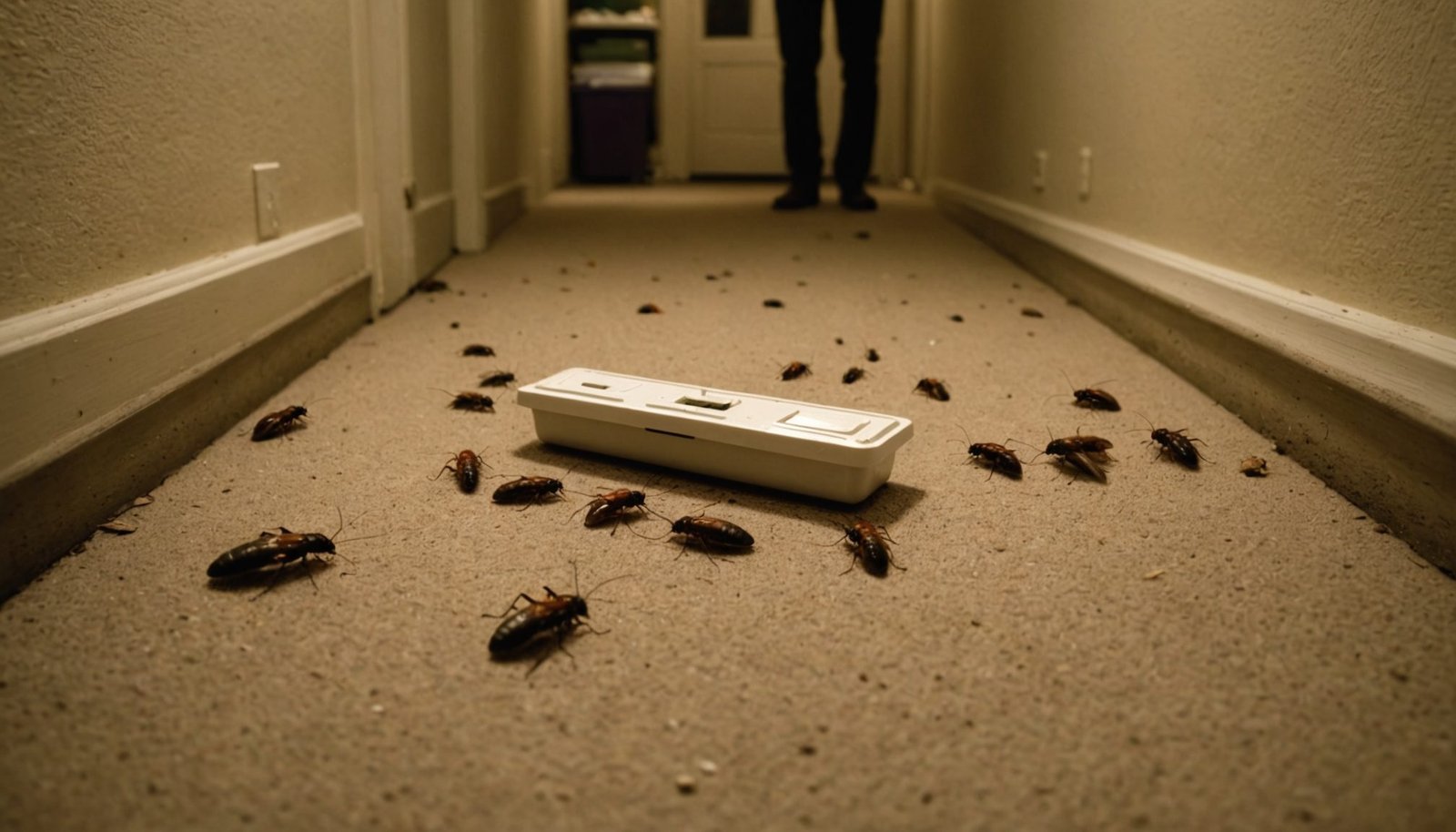
While no single tactic can hold the line in multi-family buildings, an integrated pest management (IPM) program can.
You’ll pair targeted chemistry with habitat change, monitoring, and resident cooperation to drive populations down and keep them down.
Use baits and insect growth regulators (IGRs) for precise, low-toxicity control.
Place baits where roaches forage; combine with IGRs as crack-and-crevice or point-source applications to disrupt development over several weeks.
Cut pesticide spraying to reduce exposure and improve health outcomes.
Tighten sanitation: remove food, water, and clutter; repair leaks; clean trash rooms, chutes, and compactors; vacuum frass from baseboards and cabinet undersides.
Vacuum with HEPA units to pull roaches, egg cases, and allergens; seal cracks and improve ventilation.
Monitor with sticky traps, replace routinely, record counts, and scale treatments accordingly.
Engage residents with training, supplies, and reporting.
Best Practices for Prevention, Monitoring, and Maintenance
Because cockroaches exploit small gaps, food scraps, and moisture, the best programs lock in three habits: prevent, measure, and maintain.
Seal cracks, crevices, and plumbing gaps routinely. Store garbage correctly and remove it on schedule. Fix leaks fast, dry wet areas, and clean kitchens and dining spaces regularly. Use pest‑proof containers to deny access.
Seal gaps, manage garbage, fix leaks, keep areas dry and clean, and use pest-proof containers.
Measure what’s happening. Schedule building‑wide inspections, not just complaint units. Place sticky traps and monitor baits to gauge pressure. Map activity to find clusters and trigger automatic inspections in adjacent apartments. Keep detailed records and analyze trends to prioritize high‑risk buildings.
Maintain results. Coordinate routine treatments and exclusion work. Educate residents continually and reduce self‑applied pesticides by offering professional service. Reassess protocols quarterly; adjust tactics as infestations decline and technician feedback indicates.
Conclusion
You’re not powerless against cockroaches in multi-unit buildings. When you understand the species, pathways, and risks, you can act fast and smart. Prioritize integrated pest management: seal entry points, reduce clutter and moisture, improve sanitation, and coordinate inspections and treatments across units. Communicate with residents, set clear responsibilities, and track progress with monitoring. With consistent prevention, rapid response, and building-wide cooperation, you’ll protect health, cut costs, and keep your rentals cleaner, safer, and more valuable.
