
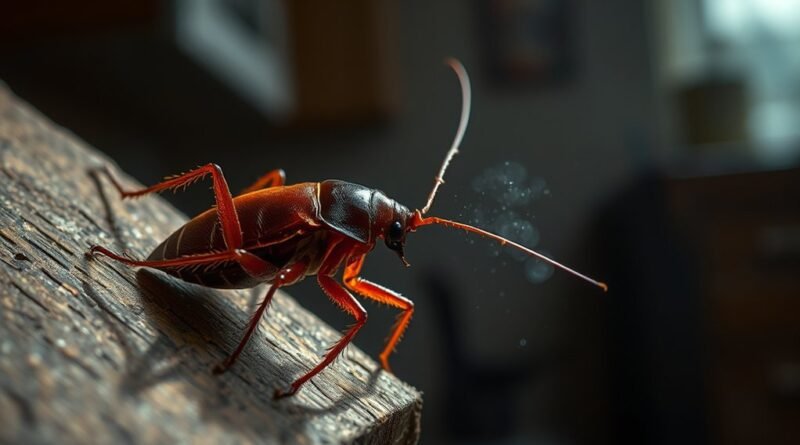
How Long Do Cockroaches Live? Understanding Their Life Expectancy Indoors
Most cockroaches live several months to about a year indoors, though American cockroaches can reach two years under favorable conditions. German cockroaches live up to 12 months but their rapid reproduction cycle means a small infestation can grow into hundreds of insects within a few months regardless of individual lifespan. Warmth, humidity, food availability, and access to water all extend cockroach lifespan, while dry conditions, food scarcity, and chemical treatments shorten it.
Key Takeaways
Cockroach lifespan varies significantly by species and environmental conditions, and understanding these differences shapes how you approach control.
- American cockroaches live the longest at 1 to 2 years; German cockroaches up to 12 months; brown-banded cockroaches 6 to 8 months; Oriental cockroaches 6 to 12 months.
- German cockroaches complete the egg-to-reproductive-adult cycle in approximately 50 to 60 days under warm conditions, allowing several generations per year.
- Optimal survival conditions are 70 to 90 degrees Fahrenheit with humidity above 50 percent; cockroaches can survive a month without food but die within a week without water.
- Eggs inside oothecae are protected from most contact insecticides, meaning populations can rebound from treatment through hatching of surviving egg cases.
- Rapid generational turnover in German cockroach infestations means early detection and treatment are critical before populations reach exponential growth.
How Long Cockroaches Live by Species
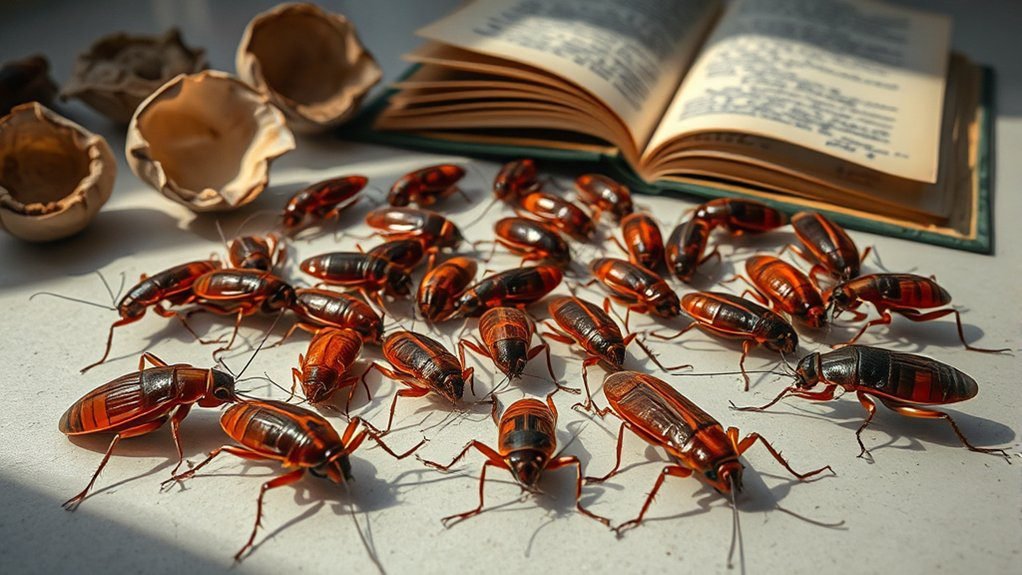
Indoor lifespans differ substantially between the four primary pest cockroach species because of their distinct biology, habitat preferences, and metabolic rates. Understanding these differences helps explain why certain species create more severe infestation problems than others and why control timelines vary.
American cockroaches live the longest of the common pest species, typically 1 to 2 years with some individuals surviving up to 400 days in stable, warm, humid environments. Their longevity combined with their sewer and drain habitat gives them more opportunities to encounter and spread bacteria between contamination sources and food preparation areas over time. Despite their long lifespan, American cockroaches reproduce more slowly than German cockroaches, producing 9 to 10 oothecae each holding 14 to 16 eggs.
German cockroaches typically live up to 12 months as adults but their danger to homeowners comes from reproduction speed rather than longevity. Their rapid maturation rate, approximately 50 to 60 days from egg to reproductive adult under warm conditions, allows overlapping generations to sustain escalating population growth. A single female German cockroach can produce 4 to 8 oothecae during her lifetime with each containing 30 to 50 eggs, making one female capable of contributing hundreds of offspring to a colony.
Lifespan by Species
- American cockroach: 1 to 2 years as an adult; egg to adult takes 6 to 12 months
- German cockroach: up to 12 months as an adult; egg to adult takes approximately 50 to 60 days under warm conditions
- Oriental cockroach: 6 months to 1 year; favors cool, damp basements and crawl spaces; less tolerant of dry indoor environments
- Brown-banded cockroach: 6 to 8 months; adapts well to warm, dry climate-controlled homes; found in elevated indoor locations
- Australian cockroach: 8 months to 1 year; thrives in warm, humid spaces but tolerates drier indoor zones when food and moisture remain available
Cockroach Life Cycle From Egg to Adult
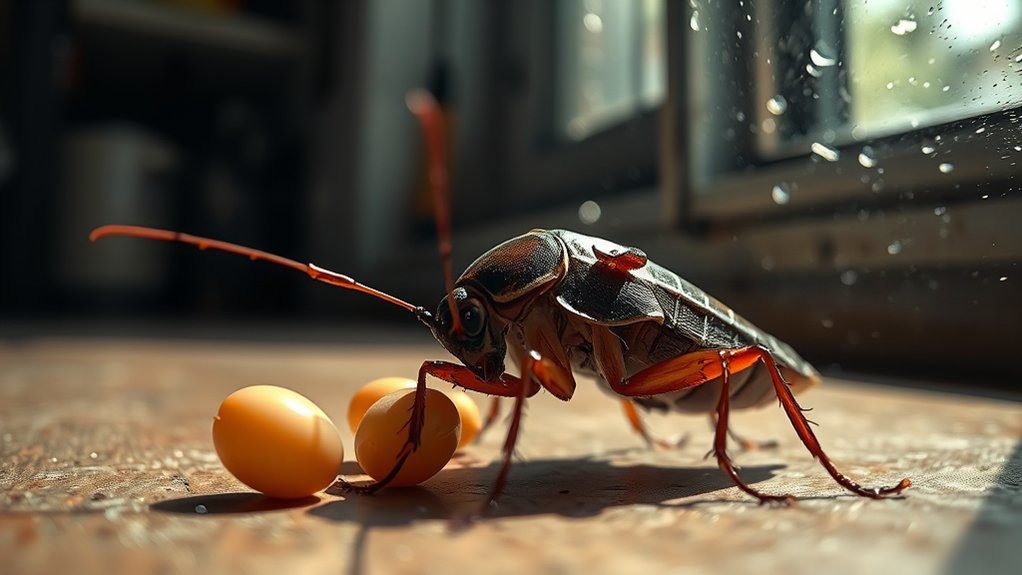
Cockroaches develop through three life stages: egg inside the ootheca, nymph through multiple molting instars, and adult. This incomplete metamorphosis means cockroaches resemble small adults from the moment they hatch, with no larval stage. The total time from egg to reproductive adult determines how quickly a small infestation can become a serious cockroach problem.
Females produce oothecae from hardened protein secretions. German cockroach females carry the ootheca attached to the abdomen until just before hatching, which protects the eggs and maintains favorable incubation conditions. American cockroach females carry the ootheca briefly and then glue it to surfaces in dark, sheltered locations with saliva. The hatching timeline depends heavily on temperature: German cockroach eggs hatch in approximately 14 to 35 days with an average of about 28 days at room temperature. American cockroach egg cases take 24 to 38 days. Slower species can take up to 100 days.
Nymph Development and Molting
Nymphs emerge from egg cases immediately active, pale white, and wingless. They darken to species coloration within hours as the new exoskeleton hardens. The number of molting instars varies by species: German cockroach nymphs complete 6 to 7 molts; American cockroach nymphs go through 10 to 13 molts; Oriental cockroach nymphs complete 7 to 10 molts. Each molt produces a slightly larger, more developed nymph until the final instar emerges as a winged adult.
Immediately after each molt, nymphs are white and soft, making this a period of heightened vulnerability. Predation, desiccation, and physical damage can kill freshly molted individuals more easily than later-stage nymphs with hardened exoskeletons. Warm, humid conditions with adequate food shorten the nymph period significantly; cool, dry, or resource-poor environments extend development time and increase mortality rates.
Time to Maturity by Species
- German cockroach: egg to adult in approximately 50 to 60 days at optimal temperatures; one of the fastest development cycles of any common pest cockroach species
- American cockroach: egg to adult in 6 months to over a year depending on temperature; significantly slower than German cockroach development
- Oriental cockroach: egg to adult typically 1 to 2 years; the slowest-developing common pest species
- Brown-banded cockroach: egg to adult in approximately 3 to 6 months; intermediate between German and American development speed
Environmental Factors That Affect Cockroach Lifespan
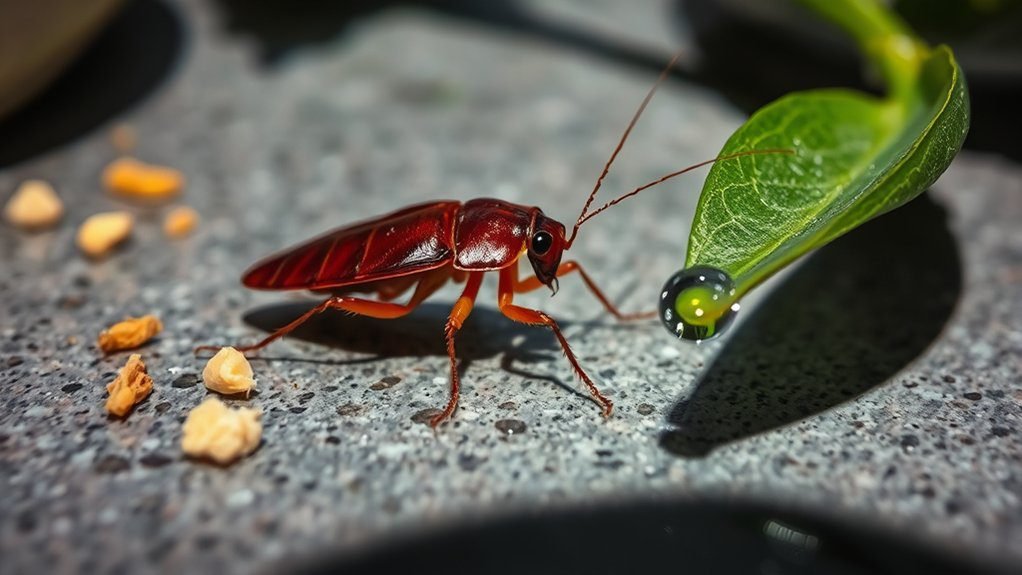
Temperature is the most powerful single environmental variable affecting cockroach lifespan and development speed. Cockroaches thrive between 70 and 90 degrees Fahrenheit; at these temperatures metabolism runs efficiently, nymph development accelerates, and reproduction peaks. Temperatures below 50 degrees Fahrenheit slow development dramatically and eventually become lethal. Temperatures above 115 degrees Fahrenheit kill cockroaches rapidly.
Humidity directly affects survival because cockroaches are vulnerable to desiccation. They can survive approximately a month without food by reducing metabolic activity and consuming stored fat reserves, but they die within approximately a week without access to water. Indoor moisture sources including leaking pipes, condensation, dripping faucets, and standing water in drains are critical survival resources that cockroach populations concentrate around.
How Shelter Quality and Food Access Affect Lifespan
- Tight, dark harborage zones reduce stress, protect molting nymphs from predation and desiccation, and extend lifespan by providing stable microhabitats
- Protein and fat-rich diets significantly extend cockroach lifespan; balanced diets can extend adult life up to 25 to 50 percent compared to carbohydrate-only diets
- Diverse food access including kitchen grease, crumbs, pet food, and organic debris produces the longest adult lifespans
- Overcrowded harborage zones reduce individual lifespan through competition, disease transmission, and forced exposure to predators during dispersal
- Disturbance of harborage zones by cleaning, renovation, or pest control stress increases mortality through exposure, reduced feeding, and dispersal through unfamiliar territory
Sanitation directly reduces cockroach lifespan by removing food and water sources and eliminating stable harborage. German cockroaches are most affected because they are the least mobile species and cannot readily migrate to new food sources the way American cockroaches can move between sewer systems and different buildings.
Reproduction Rates and Population Growth Indoors
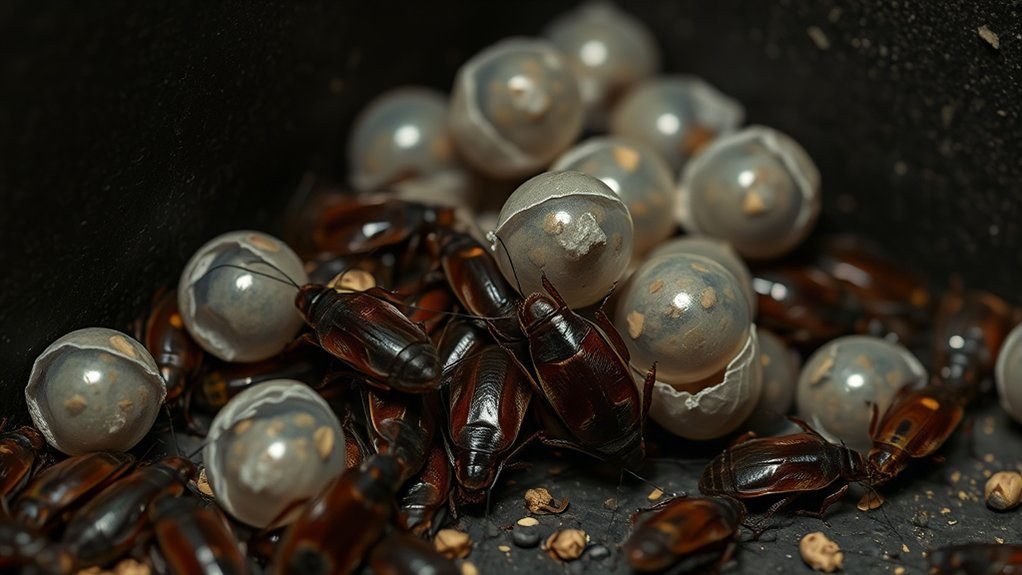
The connection between individual lifespan and infestation severity runs through reproduction rate rather than longevity alone. German cockroaches live shorter lives than American cockroaches but create far more severe infestation problems because their short generation time enables exponential population growth under favorable indoor conditions.
A single mated German cockroach female produces an ootheca approximately every 2 to 3 weeks under optimal conditions, with each case containing 30 to 40 eggs that hatch in 20 to 30 days. Nymphs mature in as little as 50 to 60 days and immediately begin reproducing. This means a colony can sustain four or more overlapping generations per year, with one female capable of contributing over 200 offspring in a breeding season.
Why Infestations Escalate Without Intervention
Small German cockroach infestations are rarely visible because nocturnal behavior and hidden harborage keep them concealed. By the time homeowners or renters observe cockroaches during daylight hours, the harborage zone has typically become overcrowded enough to force individuals into open areas during their inactive period. At this stage the infestation has usually grown to hundreds of individuals.
- Overlapping generations mean continuous breeding regardless of which life stage the majority of the population is currently at
- Oothecae deposited in wall voids and cabinet crevices continue hatching even after adults are eliminated by treatment
- Small inputs including crumbs, drips from pipes, and cardboard harborage produce disproportionately large population outputs under warm conditions
- Overcrowding eventually slows growth but rarely stops it; dispersal through wall voids spreads the infestation to new rooms rather than limiting population size
Gel baits and insect growth regulators address both the adult population and the reproductive cycle simultaneously. IGRs prevent nymphs from reaching reproductive adulthood, attacking the population growth mechanism rather than only reducing the current adult count.
What Lifespan Means for Infestation Control
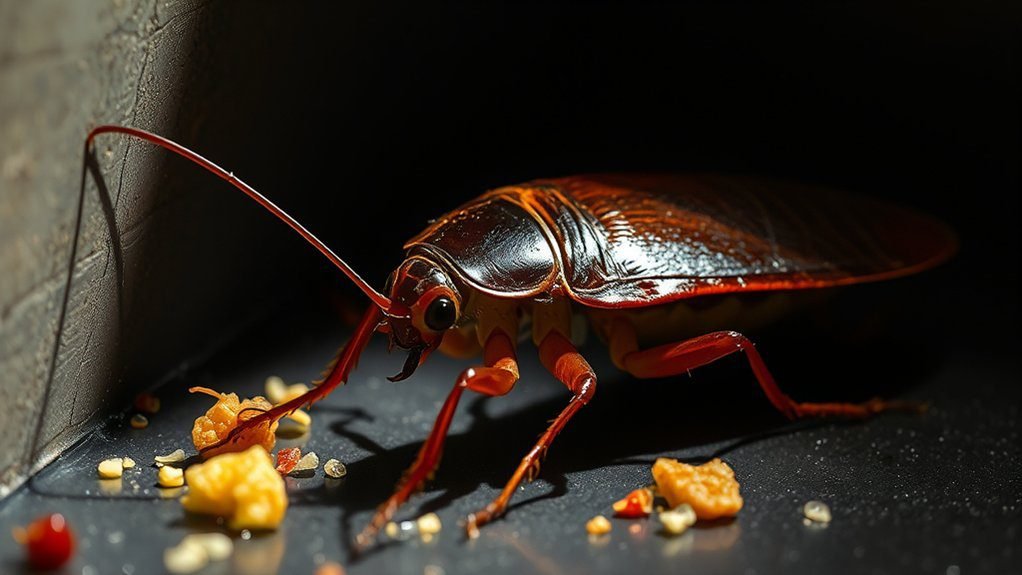
Understanding cockroach lifespan explains several patterns in treatment outcomes that confuse homeowners. When a treatment appears to work initially and then the infestation rebounds within 4 to 8 weeks, the explanation is almost always egg cases in protected harborage zones that were not reached by the initial treatment. Oothecae protected by the hardened protein shell hatch nymphs that bypass the dead adults and begin the cycle again.
Longer-lived species like American cockroaches complicate control because adults can survive initial treatments by sheltering in basement and sewer environments that spray applications do not reach. Their ability to survive weeks without food combined with their access to extensive sewer systems means they can wait out a treatment cycle and reenter from exterior sources.
Treatment Timing and Follow-Up Schedules
- For German cockroaches: initial gel bait and IGR application followed by a follow-up visit 2 to 3 weeks later to address newly hatched nymphs from surviving oothecae
- For American cockroaches: perimeter and drain treatment combined with interior harborage bait; follow-up at 4 to 6 weeks to address reinfestation from exterior sewer sources
- Lifespan data informs when populations are most vulnerable: nymphs immediately after molting and during the first few days after hatching have the lowest desiccation resistance
- Seasonal timing matters: treating before summer breeding season peaks is more efficient than treating during or after peak population growth
Persistent infestations that survive multiple treatment rounds indicate either that a primary harborage zone has not been identified and treated, that reinfestation is occurring from an external source, or that a population has developed resistance to the insecticide being used. Professional pest control programs that use inspection-driven bait placement and scheduled follow-ups aligned with expected hatch timelines produce more consistent results than single-treatment approaches.
Cockroach Survival Behaviors That Extend Lifespan
Cockroaches have several behavioral adaptations that allow them to maximize individual lifespan in residential environments. Nocturnal foraging reduces exposure to diurnal predators and humans while taking advantage of peak humidity levels that help prevent desiccation. Thigmotaxis, the preference for tight spaces where multiple body surfaces contact solid walls, provides protection from physical threats and creates stable thermal and humidity microenvironments in harborage zones.
Pheromone communication allows colony members to share information about food locations and safe harborage, increasing individual foraging efficiency and reducing the risk exposure of extended solo foraging trips. When overcrowded, cockroaches disperse through wall voids to establish new harborage zones rather than continuing to compete in deteriorating conditions, which extends individual survival by accessing fresh resources.
Seasonal Patterns and Year-Round Indoor Activity
Outdoor cockroach species and outdoor populations of pest species show clear seasonal patterns driven by temperature. Late spring through early fall represents peak activity for most species as warmth and humidity reach optimal levels. In subtropical climates including Florida, Texas, and Gulf Coast states, cockroach activity remains elevated year-round.
German cockroaches differ from outdoor species because they breed in heated buildings throughout the year regardless of external season. The warm, stable conditions of modern climate-controlled homes provide optimal reproduction conditions continuously, which is why German cockroach infestations do not show the same seasonal decline that outdoor species experience during cold months. In fact, fall often sees increased indoor cockroach activity as American and Oriental cockroaches migrate from cooling outdoor harborage into heated structures through foundation cracks, drain connections, and utility penetrations.
Frequently Asked Questions
How Long Do Cockroaches Live Without a Head?
Cockroaches typically survive several days to one to two weeks after decapitation under typical indoor conditions. Their respiratory system uses spiracles along the body sides that do not require neural control from the brain, allowing breathing to continue independently. Their open circulatory system does not need head-connected neural regulation. The decapitated cockroach ultimately dies from dehydration because the mouth is no longer present to regulate water intake, and the spiracles continue releasing moisture. Humidity levels directly affect how long a decapitated cockroach survives; higher indoor humidity extends survival because desiccation occurs more slowly.
Do Insecticides Shorten Cockroach Lifespan or Just Reduce Activity?
Effective insecticides kill cockroaches rather than merely reducing their activity. Contact sprays produce relatively rapid mortality through direct neural toxicity. Gel baits with slow-acting active ingredients like indoxacarb produce delayed mortality that allows the poisoned cockroach to return to the harborage zone and transfer lethal residues to other colony members. Sub-lethal insecticide doses can produce lethargy, disorientation, and reduced reproduction without killing the individual directly. In populations with developed resistance, the same insecticide concentration that kills non-resistant individuals may only cause activity suppression in resistant ones, effectively reducing apparent efficacy without achieving population control.
Can Household Cleaning Routines Measurably Reduce Cockroach Lifespan?
Yes. Thorough cleaning measurably shortens cockroach survival by removing food sources, eliminating water access, disrupting aggregation pheromone trails, and exposing hiding adults to unfavorable conditions. German cockroaches suffer the most from sanitation interventions because their limited mobility prevents them from readily migrating to new resources. American cockroaches can migrate through sewer systems to avoid some sanitation-driven resource removal. Sanitation alone rarely eliminates an established infestation but it significantly reduces population growth rate and makes gel bait treatments far more effective by forcing cockroaches to seek out bait rather than competing food debris.
How Do Predators Inside Homes Affect Cockroach Longevity?
Indoor predators including certain spider species, house centipedes, and geckos reduce cockroach populations modestly by preying on nymphs and weakened adults. They also spread entomopathogenic fungi that can infect and kill cockroaches. The impact is population reduction rather than eradication because predators are numerically scarce relative to established cockroach colonies, cockroaches hide effectively in harborage zones that predators cannot access, and cockroach reproduction rates outpace predation in most infested homes. Natural predation can complement chemical control but should not be relied upon as a primary management strategy in an active infestation.
Does Access to Specific Foods Change Cockroach Life Expectancy?
Yes, significantly. Cockroaches fed protein and fat-rich balanced diets with reliable water access achieve the longest lifespans, potentially extending adult survival by 25 to 50 percent compared to food-restricted or carbohydrate-only diets. Diets high in quality protein including kitchen grease, pet food, and meat scraps produce optimal reproductive output alongside maximum longevity. Poor-quality, predominantly carbohydrate-based, or contaminated diets shorten both lifespan and reproductive output. This dietary sensitivity is why competitive food sources near gel bait placements significantly reduce bait uptake; cockroaches with access to preferred food actively avoid bait matrices when better alternatives are available.
{
“@context”: “https://schema.org”,
“@type”: “FAQPage”,
“mainEntity”: [
{
“@type”: “Question”,
“name”: “How Long Do Cockroaches Live Without a Head?”,
“acceptedAnswer”: {
“@type”: “Answer”,
“text”: “Cockroaches typically survive several days to one to two weeks after decapitation under typical indoor conditions. Their respiratory system uses spiracles along the body sides that do not require neural control from the brain, allowing breathing to continue independently. The decapitated cockroach ultimately dies from dehydration because the mouth is no longer present to regulate water intake. Higher indoor humidity extends survival because desiccation occurs more slowly.”
}
},
{
“@type”: “Question”,
“name”: “Do Insecticides Shorten Cockroach Lifespan or Just Reduce Activity?”,
“acceptedAnswer”: {
“@type”: “Answer”,
“text”: “Effective insecticides kill cockroaches rather than merely reducing their activity. Contact sprays produce relatively rapid mortality through direct neural toxicity. Gel baits with slow-acting active ingredients produce delayed mortality that allows the poisoned cockroach to transfer lethal residues to other colony members. Sub-lethal insecticide doses can produce lethargy and reduced reproduction without killing the individual directly. In resistant populations, the same concentration that kills non-resistant individuals may only cause activity suppression.”
}
},
{
“@type”: “Question”,
“name”: “Can Household Cleaning Routines Measurably Reduce Cockroach Lifespan?”,
“acceptedAnswer”: {
“@type”: “Answer”,
“text”: “Yes. Thorough cleaning measurably shortens cockroach survival by removing food sources, eliminating water access, disrupting aggregation pheromone trails, and exposing hiding adults to unfavorable conditions. German cockroaches suffer the most from sanitation interventions because their limited mobility prevents them from readily migrating to new resources. Sanitation alone rarely eliminates an established infestation but significantly reduces population growth rate and makes gel bait treatments far more effective.”
}
},
{
“@type”: “Question”,
“name”: “How Do Predators Inside Homes Affect Cockroach Longevity?”,
“acceptedAnswer”: {
“@type”: “Answer”,
“text”: “Indoor predators including certain spider species, house centipedes, and geckos reduce cockroach populations modestly by preying on nymphs and weakened adults. The impact is population reduction rather than eradication because predators are numerically scarce relative to established cockroach colonies, cockroaches hide effectively in harborage zones that predators cannot access, and cockroach reproduction rates outpace predation in most infested homes.”
}
},
{
“@type”: “Question”,
“name”: “Does Access to Specific Foods Change Cockroach Life Expectancy?”,
“acceptedAnswer”: {
“@type”: “Answer”,
“text”: “Yes, significantly. Cockroaches fed protein and fat-rich balanced diets with reliable water access achieve the longest lifespans, potentially extending adult survival by 25 to 50 percent compared to food-restricted or carbohydrate-only diets. Poor-quality or contaminated diets shorten both lifespan and reproductive output. This dietary sensitivity is why competitive food sources near gel bait placements significantly reduce bait uptake; cockroaches with access to preferred food actively avoid bait matrices when better alternatives are available.”
}
}
]
}
