
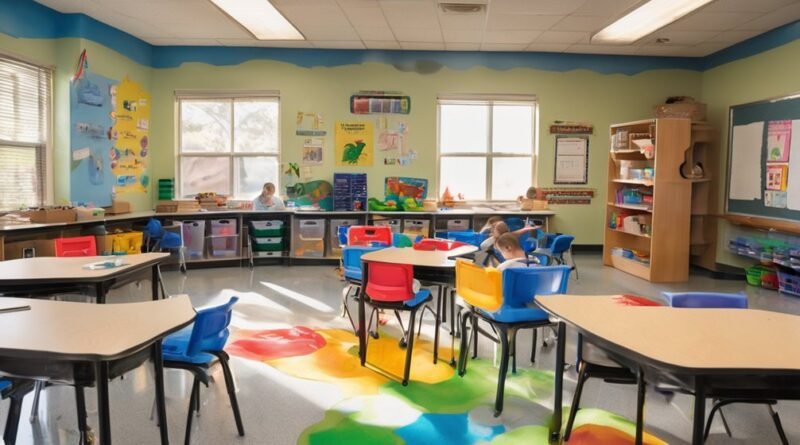
Pest Control in Schools & Daycares
You face a unique challenge: protecting children from pests without exposing them to unnecessary chemicals. That’s why Integrated Pest Management (IPM) is the industry-recognized standard for pest control in schools and daycares — it prioritizes prevention, sanitation, and targeted action over routine chemical spraying. Approximately 27.4% of schools report pest issues annually, yet schools with regular, structured pest control programs see a 43.8% reduction in health-related absences. This guide covers the common pests that affect educational facilities, the health risks they create for children, how to build a practical IPM plan your staff can follow, safe pest control products for children’s environments, compliance with state regulations, and how to partner with licensed pest control services effectively.
Key Takeaways
- Use Integrated Pest Management: prioritize prevention, sanitation, and maintenance; monitor routinely; apply targeted, low-toxicity treatments only when action thresholds are met.
- Protect children’s health by minimizing pesticide use — avoid routine chemical spraying and choose reduced-toxicity products with spot treatments only when necessary.
- Conduct regular inspections, log pest sightings, and map hotspots around entry points, kitchens, classrooms, and waste areas for timely structural and sanitation fixes.
- Train custodial, cafeteria, and teaching staff to recognize pests, record details, and implement non-chemical controls — refresher training should occur annually at minimum.
- Establish a written IPM policy with defined roles, parent and staff notification procedures, licensed contractor requirements, state regulation compliance, and annual plan updates.
- Schools with regular pest control see a 43.8% reduction in health-related absences — proactive programs protect both student health and property.
Common Pests in Schools and Daycares
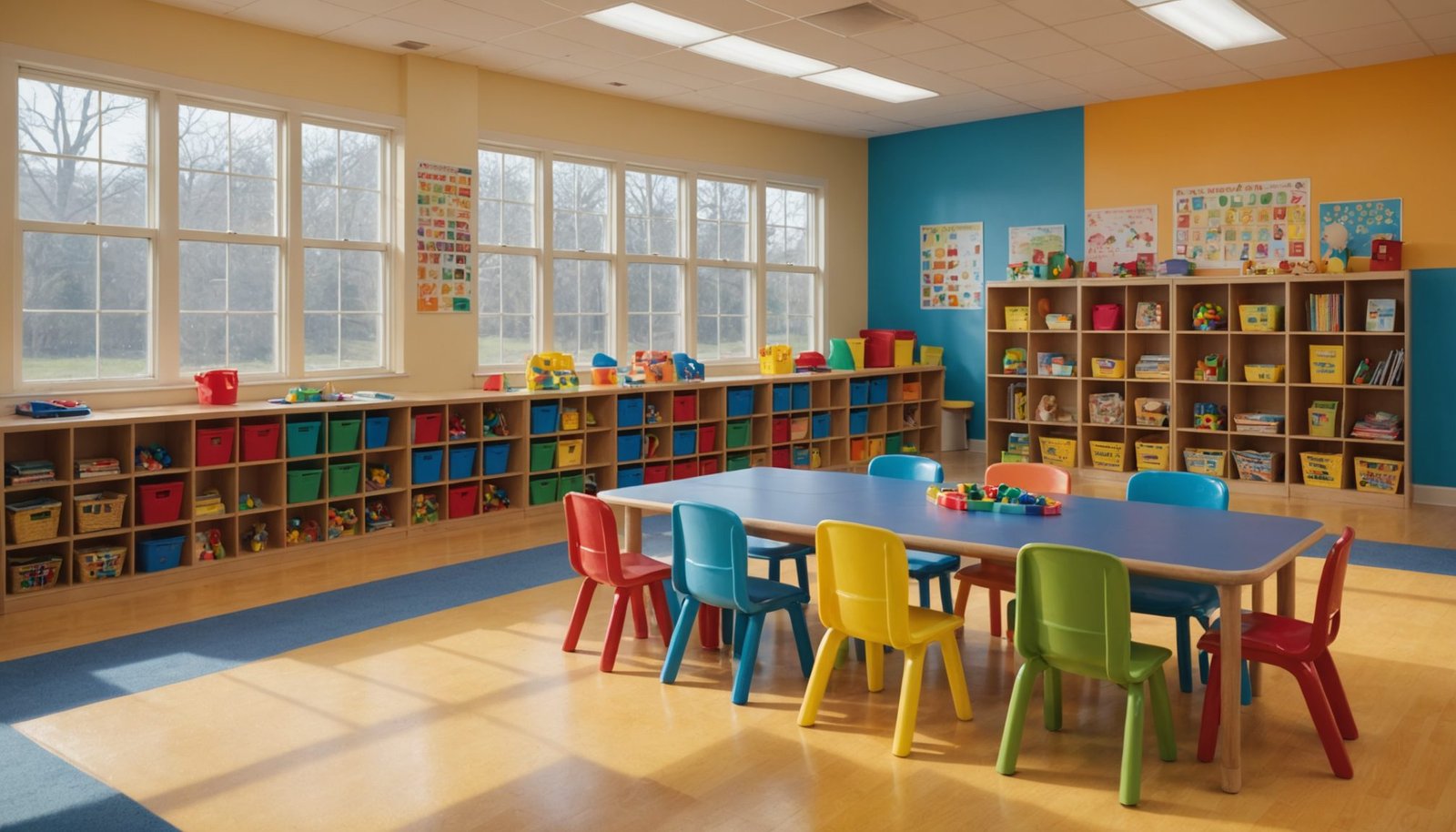
Educational facilities face a distinct set of pest pressures driven by high foot traffic, food handling, aging building infrastructure, and the presence of moisture-rich environments like cafeterias, restrooms, and science classrooms. Rodents are the cause of 62.3% of pest complaints in educational facilities — making them the single most reported pest issue in schools across the United States. Cockroaches, biting insects, and occasional wildlife intrusions round out the most commonly encountered pest categories in school buildings and daycare centers.
Rodents and Asthma Triggers
Rodent infestations in schools are not just a property damage issue — they are a direct student health crisis. Mouse allergen has been detected in 99.5% of inner-city school dust samples, with levels often higher than in students’ own homes. Exposure increases the likelihood of asthma symptoms by approximately 27% and drives measurable drops in lung function, contributing to an estimated 12.8 million missed school days annually. Low-income students in urban schools bear the greatest burden of rodent allergen exposure.
Rodent allergen particles settle into dust, wall voids, and cracks throughout school buildings, then become airborne during normal classroom activity. These allergens persist long after rodents are removed, fueling ongoing inflammation and respiratory impairment in sensitized children. Signs of rodent activity in schools include droppings along walls and in storage areas, gnaw marks on food packaging and building materials, nests built from shredded paper or insulation inside wall voids and furniture, and grease marks along baseboards. Any evidence of rodent activity should trigger immediate exclusion work — sealing entry points, improving food storage, and engaging licensed pest control technicians — rather than reactive rodenticide applications that may create secondary risks for children.

Cockroaches and Contamination
Cockroaches are a persistent pest in school cafeterias, kitchens, and food preparation areas where moisture, warmth, and food debris create ideal harborage conditions. Cockroach allergen levels in inner-city school kitchens have been measured as high as 591 U/g — levels sufficient to trigger allergic sensitization and worsen asthma in children who are regularly exposed. Cockroach allergens are often present at dangerous levels even when no live insects are visually detected, making routine monitoring traps essential in any school pest control program.
Beyond allergens, cockroaches carry pathogens including Salmonella, E. coli, and Listeria on their bodies and in droppings, contaminating food preparation surfaces and stored ingredients in cafeteria environments. The same cockroach control principles that apply in restaurant kitchens apply directly to school cafeterias — rigorous sanitation, airtight food storage, gel bait placement in cracks and crevices, and regular professional inspection. For facilities with adjacent healthcare spaces or that serve medically vulnerable student populations, see our guide on cockroach risks in healthcare settings for additional protocols.
Biting Insects and Disease Risks
Biting insects in school and daycare environments include bed bugs, head lice, mosquitoes, and seasonal outdoor insects such as chiggers, ticks, and stinging insects like bees and wasps. Bed bugs hitchhike into schools on backpacks, clothing, and furniture — they don’t transmit disease but cause significant itching, skin irritation, and secondary infections from scratching, as well as substantial disruption to daily operations once discovered. Head lice spread primarily through head-to-head contact in classrooms and during play, causing intense scalp itching and requiring coordinated detection, treatment, and family notification protocols.
Mosquitoes can rarely transmit serious diseases including West Nile virus and, in some regions, other arboviruses — reducing standing water on school grounds, maintaining window and door screens, and using EPA-registered repellents during outdoor activities reduces risk. Chiggers and ticks present seasonal risks during outdoor activities, particularly in grassy and wooded areas. Stinging insects including bees and wasps require immediate professional removal when nests are found on school buildings, as anaphylactic reactions from stings represent a genuine medical emergency for sensitized children. Always clean bites promptly, discourage scratching, document all incidents, and notify parents and school health staff according to your facility’s established procedures.
Wildlife Intrusions in School Buildings
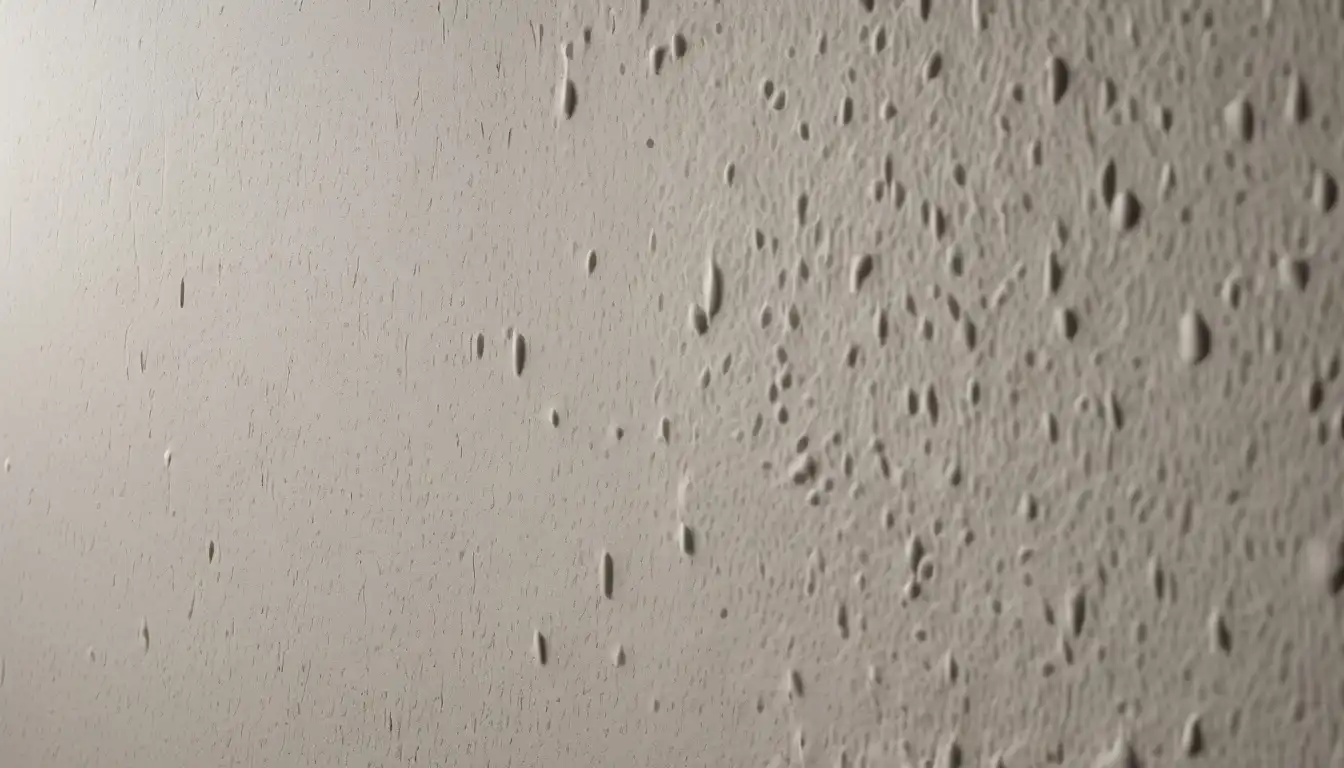
Schools in suburban and rural locations face occasional wildlife intrusions including squirrels, raccoons, birds, and bats entering building voids, attics, and ventilation systems through deteriorated exterior materials. Wildlife in school buildings creates noise disruption, structural damage from gnawing and nesting activity, and health risks from droppings that may contain Histoplasma fungi (from bird droppings) or rabies exposure risk (from bat contact). Wildlife removal from school buildings requires licensed wildlife control operators — standard pest control technicians are not typically licensed for wildlife removal and removal of protected species requires specific permits. All structural gaps that allowed wildlife entry must be sealed after removal to prevent recurrence.
Health Risks of Pests and Pesticides for Children
Schools and daycares face a dual health challenge: the direct health risks that pests create for children, and the risks that pesticides themselves introduce when used indiscriminately in environments where children spend 6 to 8 hours per day during critical developmental periods. Both risks must be actively managed — the answer is not blanket chemical treatment, nor is it tolerance of pest infestations. The answer is structured IPM that eliminates the pests while minimizing chemical exposure.
Children are significantly more vulnerable to pesticide exposure than adults due to their smaller body size, higher respiratory rates, greater skin surface area relative to body weight, and the fact that their neurological, endocrine, and immune systems are still actively developing. Prenatal and early childhood exposure to organophosphate pesticides is associated with developmental delays of up to two years and later deficits in memory, motor speed, and attention. Higher urinary pesticide metabolites correlate with increased ADHD diagnoses. Studies link childhood pesticide exposure to leukemia, brain cancer, and soft tissue sarcoma, with pregnancy exposure increasing leukemia mortality risk substantially.
Routine pesticide applications in school environments — broadcast sprays, foggers, and scheduled chemical treatments regardless of pest activity — create ongoing low-level exposures through residues on desks, lunch tables, classroom floors, and playground equipment. IPM replaces this approach with targeted, evidence-based interventions that apply chemicals only where and when pest activity confirms they are necessary, using the least toxic effective formulation available.
Why Integrated Pest Management Works in Educational Settings
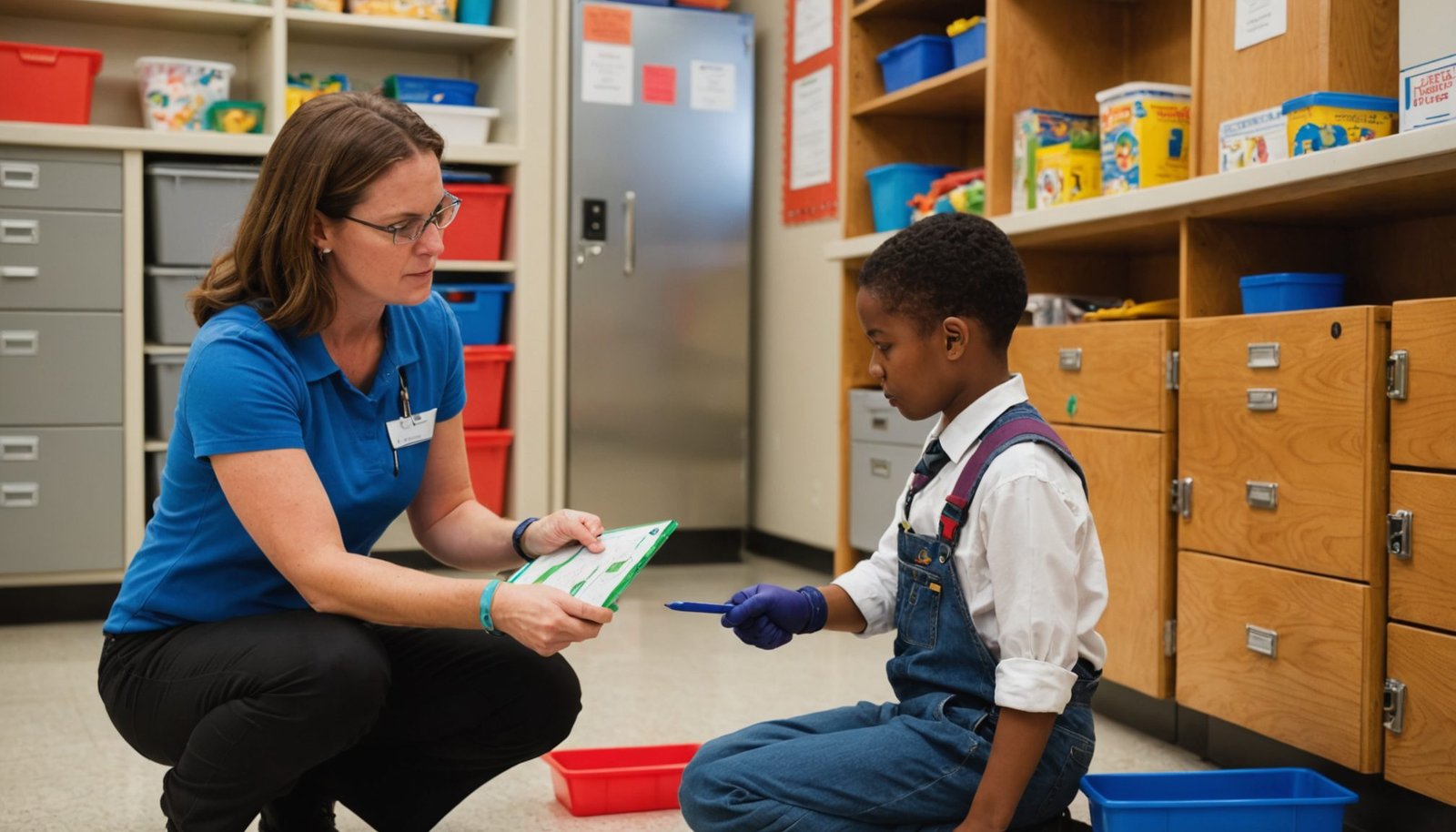
84.7% of daycares implement integrated pest management programs as their primary pest control approach — a reflection of how thoroughly IPM has become the recognized standard for children’s facilities. Schools adopting IPM achieve measurable cost savings, with some districts reporting up to $32,000 less spent annually on pest control compared to conventional chemical treatment programs. IPM delivers these results by replacing reactive chemical spraying with systematic prevention, monitoring, and targeted intervention.
Prevention Over Routine Spraying
Prevention is the foundation of IPM in educational settings. You cut off pest food, water, and shelter through rigorous sanitation, structural maintenance, and facility management before pests have the opportunity to establish. Sealing cracks and gaps, repairing leaks, adding door sweeps, and maintaining proper food storage and waste disposal can reduce pest infestations by up to 65% without any chemical treatment. Regular thorough cleaning in kitchens, cafeterias, and classrooms removes the attractants and moisture that sustain pest populations. IPM programs implementing these measures consistently reduce pesticide use by 80 to 90% compared to conventional scheduled-spray programs, directly improving indoor air quality and student health outcomes.
| IPM Advantage | What You Do | Outcome |
|---|---|---|
| 80–90% fewer chemicals | Choose low-toxicity products, spot-treat only when necessary | Less residue on surfaces, better indoor air quality |
| Child health protection | Reduce allergens, bacteria, and pesticide exposure | 43.8% fewer health-related absences |
| Cost control | Prevent outbreaks, avoid emergency treatments | Up to $32,000 saved annually per district |
| Compliance assurance | Document all actions, maintain notification records | Meets state regulations and EPA requirements |
| Team accountability | Train staff, assign roles, track activity logs | Up to 90% fewer pest complaints |
Targeted, Data-Driven Actions
IPM works because interventions are based on real evidence of pest activity rather than scheduled calendar treatments. You conduct routine inspections, log sightings, and identify pest species accurately so that interventions match the actual problem. With systematic in-house monitoring using sticky traps, glue boards, and visual inspection checklists, you map hotspots, prioritize structural repairs, and document what works over time. When pesticides are needed, you spot-treat and bait rather than spray broadly, select low-impact formulations, and mark all treated areas clearly for transparency with parents and staff. Schools using these practices report up to 90% fewer pest complaints and dramatic reductions in chemical use compared to conventional approaches.
Creating an IPM Plan: Prevention, Monitoring, and Action Steps
An effective IPM plan for a school or daycare has four components: accurate pest identification, prevention measures that make the facility inhospitable to pests, a consistent monitoring program, and clearly defined action thresholds that trigger specific responses.
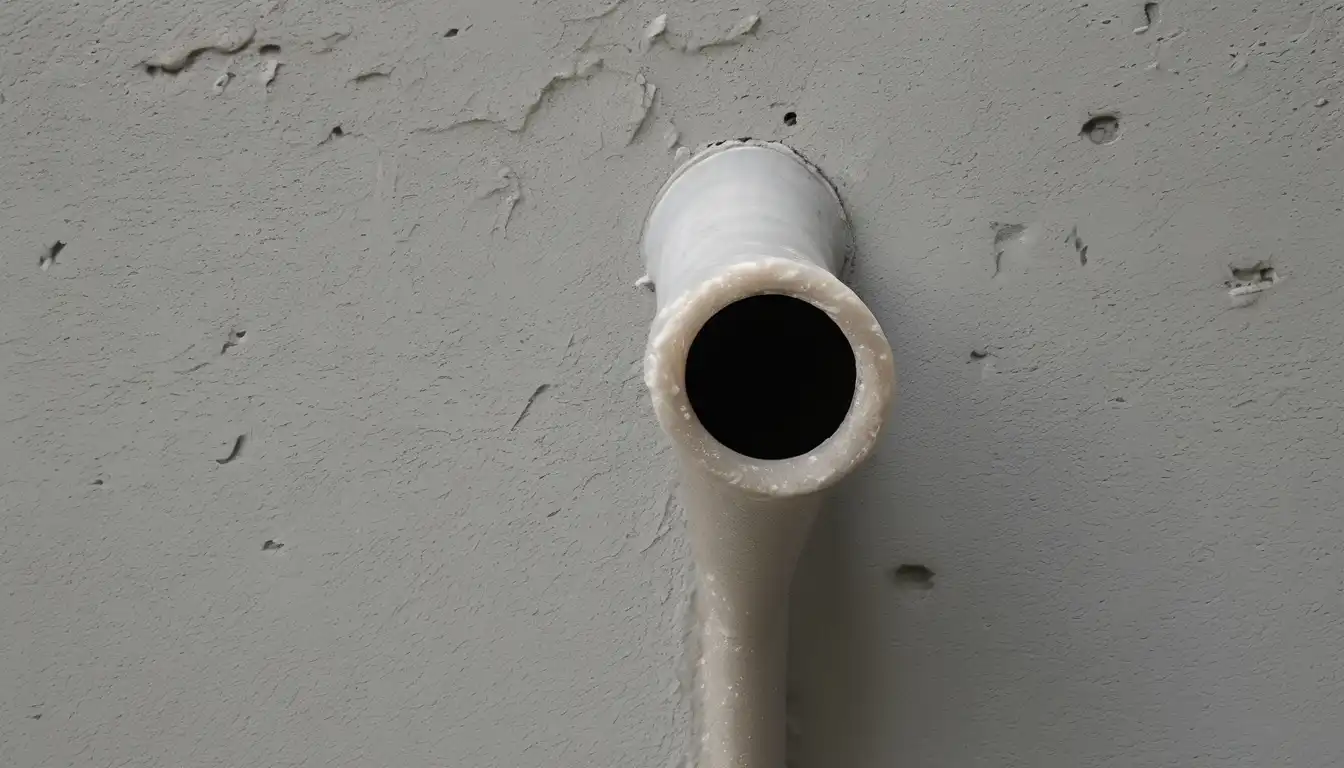
Start by identifying which pests are present or historically problematic in your facility. Make spaces less hospitable through improved sanitation routines, food storage, waste management, moisture control, and structural exclusion — seal cracks, gaps, and pipe penetrations; repair leaks; add door sweeps and window screens. Place mechanical traps and barriers before considering any chemical intervention.
Establish monitoring that is frequent and consistent. Schedule weekly visual checks with sticky boards in kitchens, cafeterias, storage rooms, and other high-risk areas. Use tailored inspection checklists, log all sightings and evidence with date and location, and assign pest reporting to a designated IPM coordinator. Set action thresholds that trigger defined responses — begin with cleaning, repairs, exclusion, and mechanical removal. Use low-toxicity pesticides only as a last resort, following applicable state laws such as California’s Healthy Schools Act and similar notification and application requirements in other states. Document all roles, contacts, products used, application schedules, and update the plan annually.
Preventive Measures for Schools and Daycares
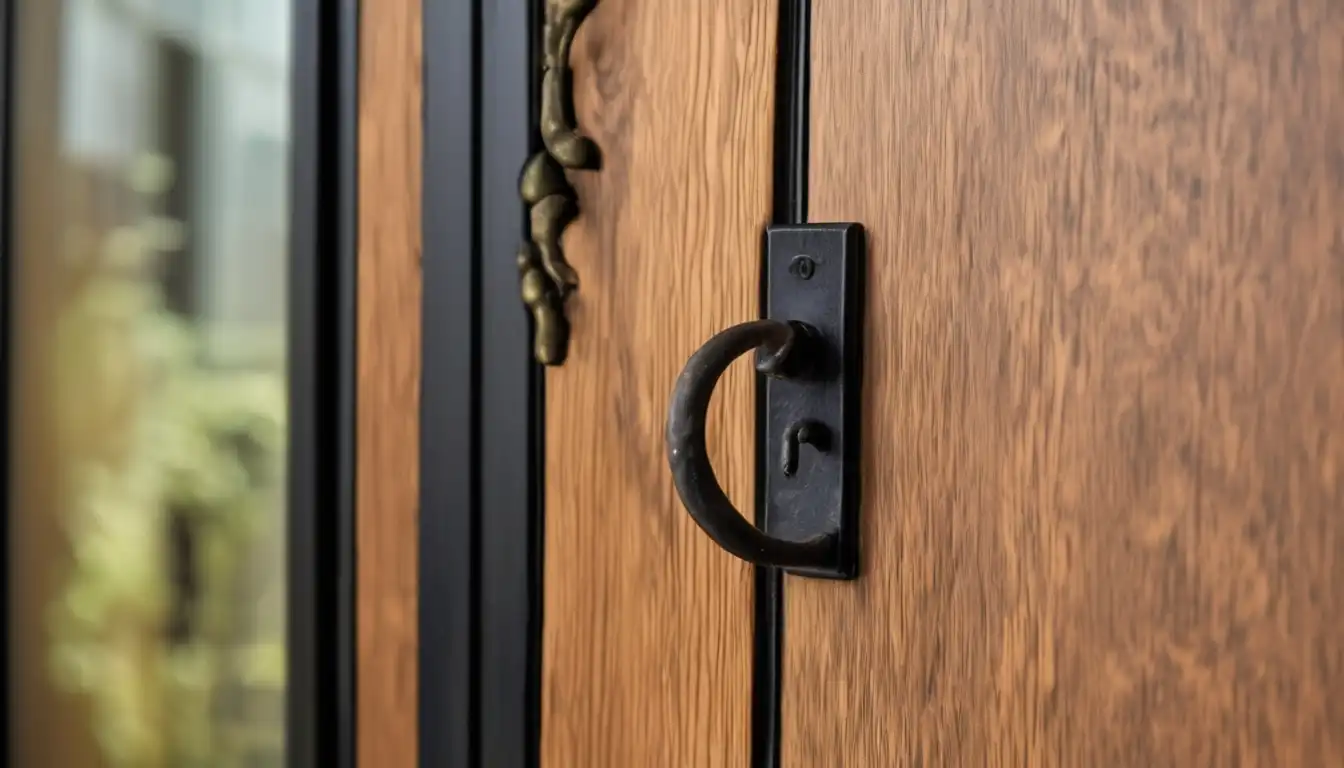
Effective pest prevention in educational facilities requires coordinated action across sanitation, structural maintenance, and landscaping — no single measure is sufficient on its own. The following preventive steps address the primary drivers of pest infestations in school buildings and daycare centers.
Sanitation and Food Storage
Cafeteria and kitchen sanitation is the highest-priority prevention measure in any school pest control program. Clean all food preparation and service areas thoroughly after every meal service, including beneath equipment and inside cabinet bases where food debris accumulates. Store all dry goods in sealed airtight containers — never in original cardboard packaging, which both attracts pests and provides nesting material. Refrigerate perishables promptly and never leave food uncovered or unattended. Empty and clean waste receptacles daily, use bins with tight-fitting lids, and ensure outdoor dumpsters are sealed and positioned away from building entry points. Consistent hygiene practices in cafeterias and food prep areas are the single most effective tool for preventing cockroach and rodent infestations in school environments.
Structural Exclusion and Moisture Control
Pests enter school buildings through gaps the size of a pencil eraser or smaller. Inspect all exterior walls, foundations, doors, windows, and utility penetrations for openings and seal them with commercial-grade silicone caulk, steel wool, or expanding foam depending on size and location. Install door sweeps on all exterior doors, particularly at cafeteria loading areas and exterior classroom doors. Repair all plumbing leaks promptly — moisture is a primary driver of cockroach and rodent activity in school buildings. Ventilate high-humidity areas including restrooms, locker rooms, and kitchen preparation spaces. Keep landscaping trimmed away from building perimeters and eliminate standing water from grounds to reduce mosquito breeding habitat and outdoor pest pressure against the building envelope.
Safe Pest Control Products for Children’s Environments

When prevention and structural exclusion measures are insufficient to eliminate an active pest infestation, treatment must be conducted using products and methods that are appropriate for environments where children are present. Product selection and application method are equally important — the right product applied incorrectly or in the wrong location can still create unacceptable exposure risks for students and staff.
Low-Toxicity and Reduced-Risk Formulations
The EPA’s reduced-risk pesticide program and the Biopesticide Registration Program have approved numerous formulations specifically evaluated for lower toxicity and reduced environmental persistence. In school settings, these include boric acid baits and dusts applied inside wall voids and non-occupied structural spaces, diatomaceous earth applied in crawl spaces and structural gaps, botanical pesticide formulations for targeted outdoor applications, and pheromone-based monitoring and disruption traps for specific insect species. These products are appropriate first-line chemical options when mechanical and sanitation measures have not fully resolved an infestation.
Gel Baits and Insect Growth Regulators
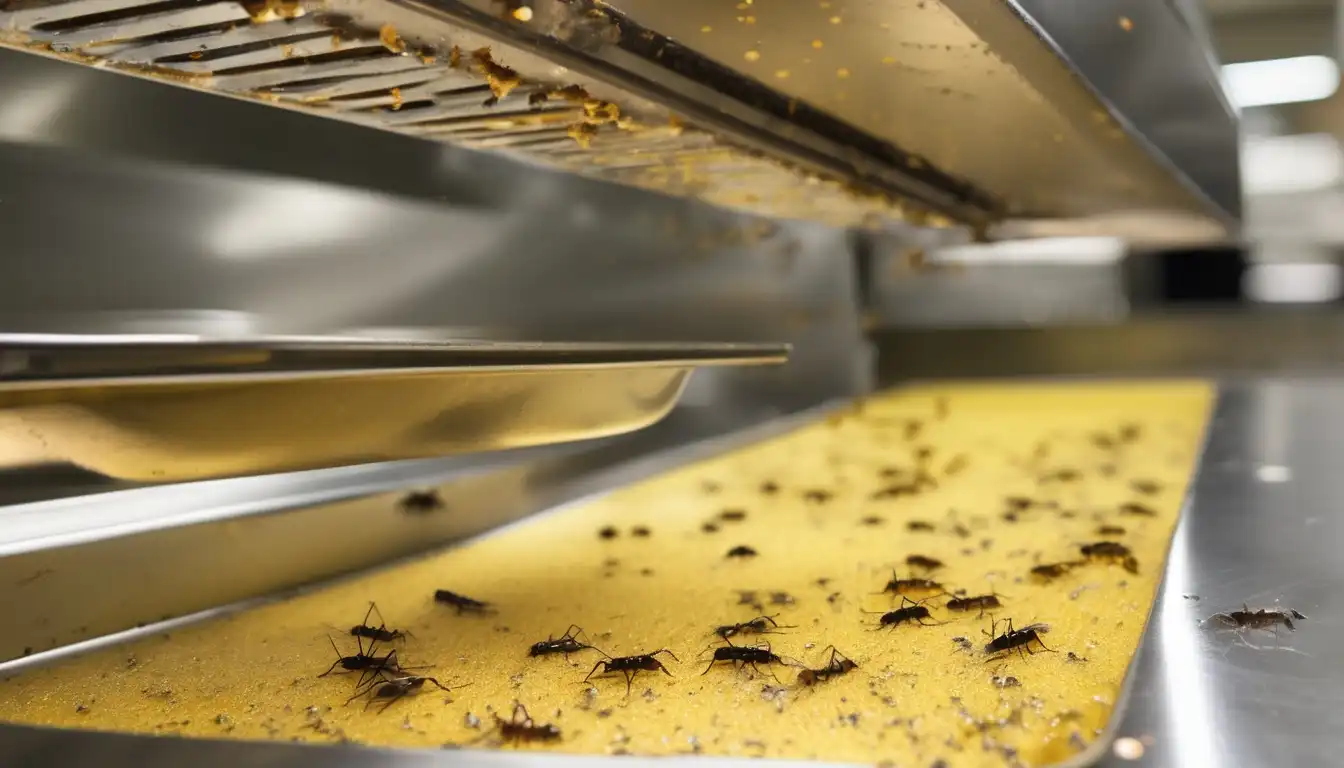
Commercial gel baits are the most appropriate insecticide formulation for cockroach control in school cafeterias and kitchen areas. Applied in small amounts directly inside cracks, crevices, and cabinet hinges — locations children cannot access — gel baits provide effective colony-level kill without the surface residue and air exposure risks of spray treatments. Insect Growth Regulators (IGRs) such as hydroprene are extremely low toxicity, disrupt the cockroach reproductive cycle by preventing nymphs from maturing into breeding adults, and can be applied as aerosol formulations inside wall voids and structural harborage zones. Both gel baits and IGRs should be applied by licensed pest control technicians in schools and daycares to ensure correct placement, appropriate product selection, and regulatory compliance.
Products and Methods to Avoid in Schools
Certain treatment approaches are inappropriate for school and daycare environments regardless of the pest being targeted. Avoid broadcast spray treatments in occupied or regularly occupied areas — residues persist on desks, floors, and surfaces that children contact directly. Avoid fumigation or fogging treatments except as an absolute last resort after all other options have been exhausted, always conducted during extended facility closures with full airing before reoccupancy. Avoid rodenticide bait stations accessible to children — if rodenticide is necessary, use tamper-resistant stations installed by licensed technicians in locations completely inaccessible to students. Never apply any pesticide product in a school or daycare during occupied hours, and always follow state-mandated pre-notification requirements for parents and staff before any chemical treatment.
Routine Inspection and Monitoring Procedures
Consistent monitoring is what separates an effective school IPM program from one that only responds to crises. Routine inspection catches pest activity at its earliest stage — when small problems are still easy and inexpensive to resolve — rather than after infestations are established and require intensive treatment.
Schedule weekly visual inspections of all high-risk areas: cafeteria and kitchen spaces, food storage rooms, restrooms, custodial closets, and any areas with known moisture issues. Use standardized inspection checklists that document pest evidence including droppings, signs of gnawing, nesting materials, shed skins, egg casings, live insects, and odors. Place sticky monitoring traps in consistent locations — under cafeteria equipment, inside cabinet bases, along walls in storage rooms — and check them on a defined schedule. Record all trap counts with date, location, and pest species identified. Map hotspot patterns over time to identify structural or sanitation issues that need addressing. Your pest sighting log is also a critical compliance document — maintain it consistently and make it available to health inspectors and licensing authorities on request.
Dealing with Emergency Pest Situations
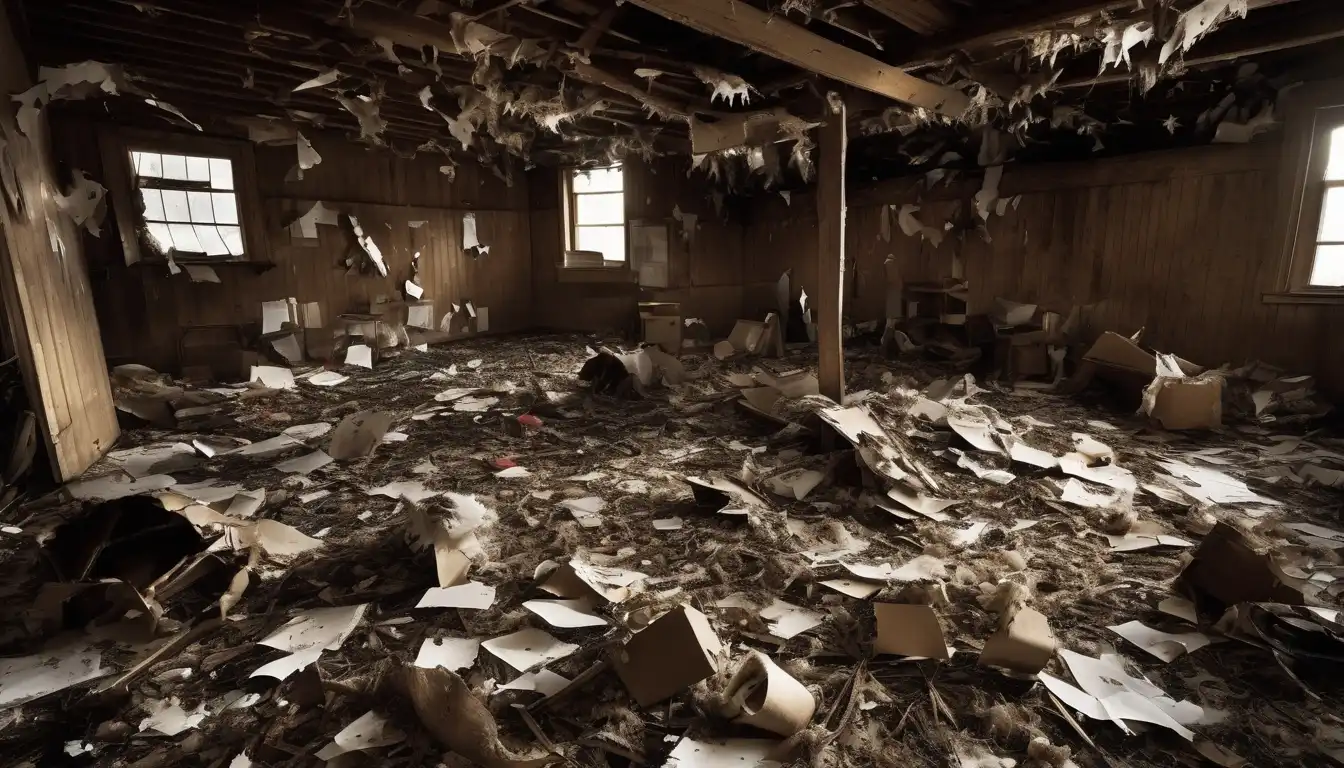
Despite best prevention efforts, schools and daycares occasionally face emergency pest situations that require immediate response outside of the normal inspection and treatment cycle. Knowing how to respond quickly and correctly protects student health, maintains regulatory compliance, and limits reputational damage to your facility.
An emergency pest situation in a school or daycare is defined as any pest sighting or evidence that creates an immediate risk to student health or safety, or that occurs in a food preparation or service area during or immediately before a service period. This includes live cockroach sightings in the cafeteria kitchen, evidence of rodent activity in food storage areas, discovery of a wasp or bee nest on or adjacent to a student access area, or confirmed bed bug activity in classrooms. Immediately upon discovery of an emergency pest situation, remove all food from affected areas, document the evidence with photographs and written records, contact your licensed pest control provider for same-day emergency service, and notify the designated school IPM coordinator and administrator. Follow your state’s notification requirements for informing parents and staff — most states with school IPM regulations require written notice within 24 to 72 hours before or after emergency pesticide applications. Do not attempt self-treatment with consumer-grade pesticides — these scatter pests, contaminate food surfaces, and create chemical exposure risks without resolving the underlying infestation.
Training Staff and Building a Culture of Safe Pest Control
Even before a single trap is set, safer and more effective pest control in schools starts with training your team and making IPM everyone’s daily responsibility. Over 75.9% of parents express strong support for proactive pest control measures in daycares and schools — communicating your IPM program to families, not just implementing it internally, builds the community trust and cooperation that sustains these programs long-term.
Teach all staff members to identify common pest species, recognize early signs of infestation, and understand the basic biology and behavior patterns that drive pest activity in school environments. Cover IPM principles, monitoring procedures, non-chemical control methods, and the specific situations that warrant calling a licensed pest control technician. Provide role-specific training: custodial staff focus on sanitation protocols and early detection; cafeteria employees focus on food storage, waste management, and kitchen inspection; facilities maintenance staff focus on structural exclusion, leak repair, and entry point sealing; classroom teachers focus on food storage in classrooms, waste bin management, and reporting protocols.
| What You See | What You Do | Who You Tell |
|---|---|---|
| Droppings or frass | Sanitize area, document location | IPM coordinator immediately |
| Live pest sighting | Photograph, do not spray | IPM coordinator same day |
| Moisture or leaks | Report to maintenance for immediate repair | Facilities manager same day |
| Gaps or structural damage | Document location, do not self-repair | Facilities manager within 24 hours |
| Food debris or improper storage | Correct immediately, reseal or dispose | Cafeteria supervisor same service period |
Use role-specific training modules, hands-on workshops, and annual refresher sessions. Create an IPM committee with representation from facilities, food service, administration, and if possible parent volunteers. Provide printed checklists, decision tools, and clear reporting channels. Engage students in age-appropriate pest awareness activities — understanding why food stays sealed in classrooms and why reporting pest sightings matters reinforces prevention culture throughout the school community.
Collaboration with Professional Pest Control Services
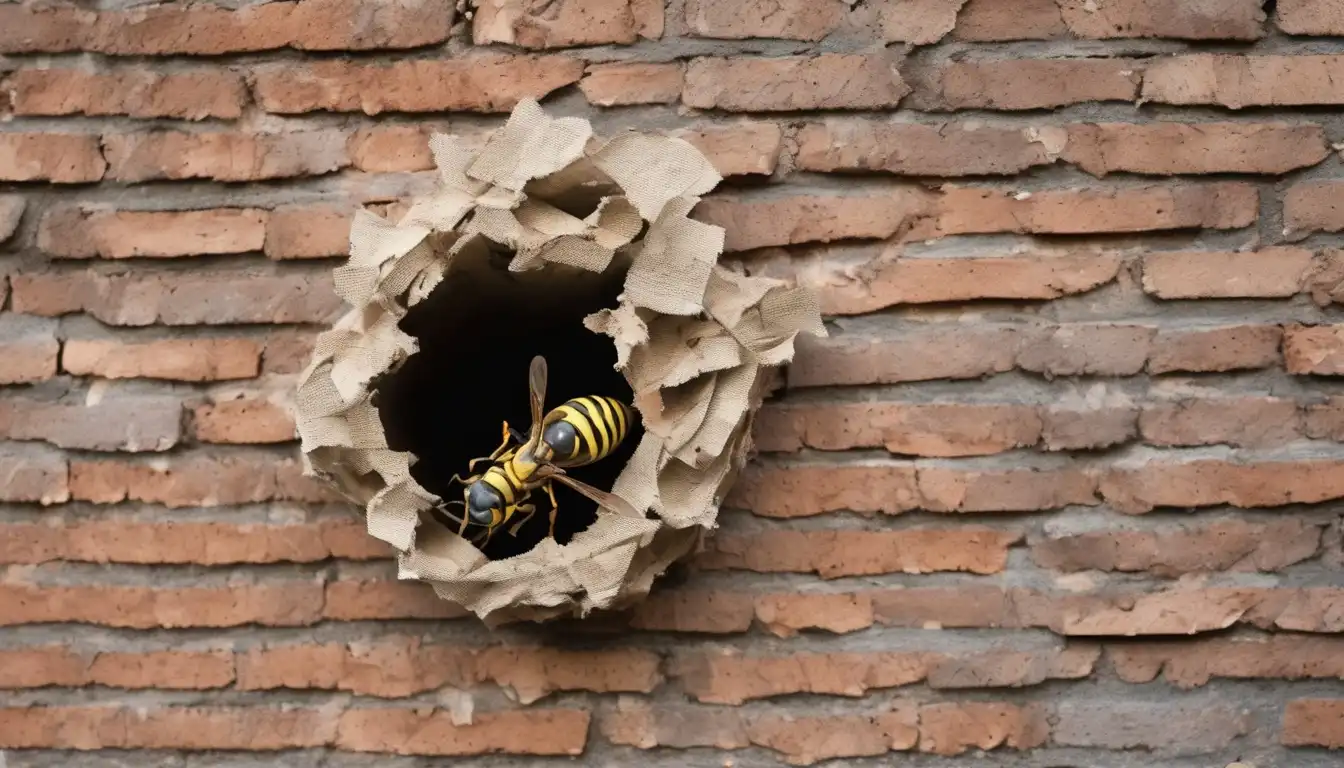
While school staff can manage daily prevention, monitoring, and minor corrective actions, collaboration with licensed pest control services is essential for treatment of established infestations, structural exclusion work beyond routine maintenance, and ensuring regulatory compliance with pesticide application laws. Selecting the right pest control provider for a school or daycare requires specific evaluation criteria beyond cost and availability.
When selecting pest control services for a school or daycare, require that the provider holds current state pesticide applicator licenses specific to the pest categories they will be treating, has documented experience working in educational or child-occupied facilities, uses IPM-based approaches rather than scheduled broadcast chemical treatments, provides detailed written service reports after every visit, and is prepared to comply with your state’s school pesticide notification requirements. Interview providers about their product selection process — a quality provider for school environments will default to gel baits, mechanical traps, and physical exclusion over liquid spray treatments and will be able to explain their product choices in terms of toxicity profiles and application safety for children.
Schedule professional service visits during non-occupied hours — evenings, weekends, or school holidays — whenever chemical treatments are involved. Maintain all service contracts, treatment records, EPA product registration numbers, and technician certification documentation in your pest control compliance file. This documentation is required for state licensing inspections, health department visits, and parent notification compliance in most states.
Record Keeping and Compliance with Regulations
School and daycare pest control programs operate within a regulatory framework that varies significantly by state but is universally more stringent than requirements for residential or commercial properties. Understanding and complying with applicable regulations protects your facility from fines and licensing risks, and demonstrates to parents and licensing authorities that your pest control program meets the highest standards for child safety.
State Regulations and Notification Requirements
Many states have enacted specific school IPM regulations that go beyond the baseline requirements of FIFRA (the Federal Insecticide, Fungicide, and Rodenticide Act). California’s Healthy Schools Act requires schools to notify parents and staff 72 hours before any pesticide application, maintain a written IPM plan, and use only EPA-registered products applied by licensed applicators. Similar notification and documentation requirements exist in states including New York, Connecticut, Maine, and others. Even in states without specific school IPM legislation, the EPA’s School IPM program provides guidelines that represent best practice and are increasingly referenced by state licensing agencies in facility inspections. Consult your state department of agriculture and department of education to identify the specific regulations applicable to your facility type and location.
Required Documentation and Record Keeping

A complete school IPM compliance record includes your written IPM plan with annual updates, all pest control service contracts with licensed providers, individual service reports for every professional visit including products applied, application locations, EPA registration numbers, and applicator license numbers, your pest sighting and monitoring log with dates and locations, staff training records including dates and topics covered, parent and staff notification records for all pesticide applications, and any health department inspection reports and corrective actions taken. Retain all records for a minimum of three years — many states require longer retention periods. Make your IPM plan and notification registry available to parents upon request. Transparent documentation of your pest control program is one of the most effective ways to build parent confidence and demonstrate your commitment to child health and safety.
Policies, Environmental Concerns, and Community Partnerships
A strong written school IPM policy formalizes your program, assigns clear accountability, and ensures continuity when staff changes occur. Your policy should define pest action thresholds, specify monitoring schedules, establish sanitation and structural maintenance standards, identify approved products and methods, set notification procedures for parents and staff, designate the IPM coordinator role, and specify licensed contractor requirements. Review and update the policy annually with input from facilities, food service, administration, and parent representatives.
Build community partnerships that extend your pest control program beyond the school building: communicate your IPM approach to parents through school newsletters and parent meetings, provide guidance on pest prevention practices at home that reduce pest pressure on school premises, and engage families in reporting pest concerns through clearly communicated channels. When pest situations require parent notification, communicate transparently — state what was found, what actions were taken, what products were used and their safety profile, and what prevention measures are in place going forward. Schools that communicate proactively about pest management consistently report higher parent satisfaction and cooperation than those that communicate only reactively after problems occur.
Frequently Asked Questions About Pest Control in Schools and Daycares
What pest control methods are safe for schools?

The safest pest control methods for schools are those that minimize or eliminate chemical use entirely. These include physical exclusion (sealing cracks, gaps, and entry points), sanitation and food storage improvements, mechanical traps and sticky monitoring boards, and targeted gel bait applications in inaccessible crevices when necessary. When chemical treatment is required, low-toxicity formulations including boric acid dust in wall voids, diatomaceous earth in structural spaces, gel baits in cracks and crevices, and Insect Growth Regulators applied by licensed technicians represent the safest chemical options for child-occupied facilities. All chemical applications should occur during non-occupied hours.
How often should schools have pest control?
Schools should conduct internal staff pest inspections weekly in high-risk areas including cafeterias, kitchens, and food storage rooms. Professional pest control technician visits should occur monthly during the school year as part of a structured IPM maintenance program. Facilities with active infestations may require biweekly or weekly professional visits until the infestation is resolved. Summer periods, when buildings are unoccupied, represent an important opportunity for comprehensive structural exclusion work, deep sanitation, and any necessary chemical treatments that benefit from extended airing time before students return.
Are there specific regulations for pest control in daycares?
Yes — daycares are subject to both general pesticide regulations and facility-specific licensing requirements that vary by state. Most state daycare licensing agencies require that pest control be conducted by licensed applicators, that pesticide applications occur only during non-occupied hours, and that written records of all treatments be maintained and available for inspection. Many states require advance written notification to parents before any pesticide application in licensed childcare facilities. The EPA’s Safer Choice program and school IPM guidelines provide a federal framework, while state departments of health and social services establish the specific regulations for licensed childcare providers in each state.
Can pesticides be used when children are present?

No. Pesticide applications of any kind — including low-toxicity formulations — should never occur in school or daycare spaces while children are present. All chemical treatments must be scheduled during non-occupied periods, with adequate airing time before students return to treated spaces. The only exception is the application of physical exclusion materials like caulk and sealants, which do not involve pesticide chemicals. This requirement exists because children’s smaller body size, higher respiratory rates, and still-developing organ systems make them significantly more sensitive to chemical exposure than adults, even at levels that would be considered safe for an adult environment.
Who is responsible for pest control in schools?
Responsibility for school pest control is shared across multiple roles. The district facilities director or building principal is ultimately accountable for ensuring a compliant, effective pest control program is in place. A designated IPM coordinator — typically a facilities manager or head custodian with IPM training — manages day-to-day monitoring, staff communication, and contractor coordination. All custodial, cafeteria, and maintenance staff share responsibility for the sanitation and structural prevention measures that form the foundation of the program. Licensed pest control technicians handle all chemical treatment applications. Parents and community members play a supporting role through home pest prevention practices that reduce pest pressure on school facilities.
What signs indicate a pest problem in a daycare?
Signs of a pest problem in a daycare include dark droppings resembling coffee grounds or small pellets near food storage areas and along walls, a musty or ammonia-like odor in storage rooms or restrooms, gnaw marks on food packaging or building materials, shed insect skins or cockroach egg casings in cabinet corners and crevices, live insects or rodents visible during operating hours, unexplained allergic reactions or asthma symptoms in children that worsen during time in the facility, and increased monitoring trap activity in weekly counts. Any of these signs warrants immediate escalation to your IPM coordinator and licensed pest control provider.
How are parents informed about pest control in schools?
Parent notification requirements for school and daycare pest control vary by state but most programs require written advance notice — typically 24 to 72 hours — before any pesticide application, with the notice stating the pest being treated, the product name and EPA registration number, the application location and scheduled date, and contact information for questions. Many schools maintain a voluntary parent notification registry for families who request notification of all pest management activities, not just chemical treatments. Annual communication of your IPM plan through school newsletters or parent meetings demonstrates proactive commitment to child safety and builds the community trust that supports the program long-term. Over 75.9% of parents express strong support for proactive pest control measures in daycares — transparent communication is the mechanism that captures that support.
