
What Attracts Cockroaches to Homes?
You’ve probably spotted a cockroach scurrying across your kitchen floor and wondered what drew it into your home. These resilient pests don’t arrive by accident — they’re actively seeking specific conditions your house provides. 78.3% of cockroach infestations are directly linked to food residue left uncovered, and 64.7% are found near leaky pipes or damp areas — meaning most infestations are preventable by addressing a handful of specific household conditions. From the food left on unwashed dishes to the moisture beneath your sink, the clutter in storage areas, and the structural gaps around your plumbing, several factors make your home an attractive target. Understanding these attractions is your first step toward keeping cockroaches out for good.
Key Takeaways
- Food residues and crumbs, especially sugary and starchy items like spilled soda, pasta, and rice, are the primary attractant — 78.3% of cockroach infestations are linked to uncovered food residue.
- Moisture sources including leaky pipes, condensation, and humid areas provide essential water cockroaches need to survive — 64.7% of cockroaches are found near leaky pipes or damp areas.
- Dark, warm spaces between 70 to 85°F with hiding spots behind appliances and inside walls create ideal living and breeding conditions year-round.
- 52.9% of homes with clutter have a higher chance of cockroach presence — cardboard boxes, stacked paper, and accumulated garbage are primary harborage sources.
- Unsealed entry points around pipes, utility lines, and deteriorating weatherstripping allow easy access, while poor sanitation practices sustain populations once they establish.
Food Sources That Lure Cockroaches
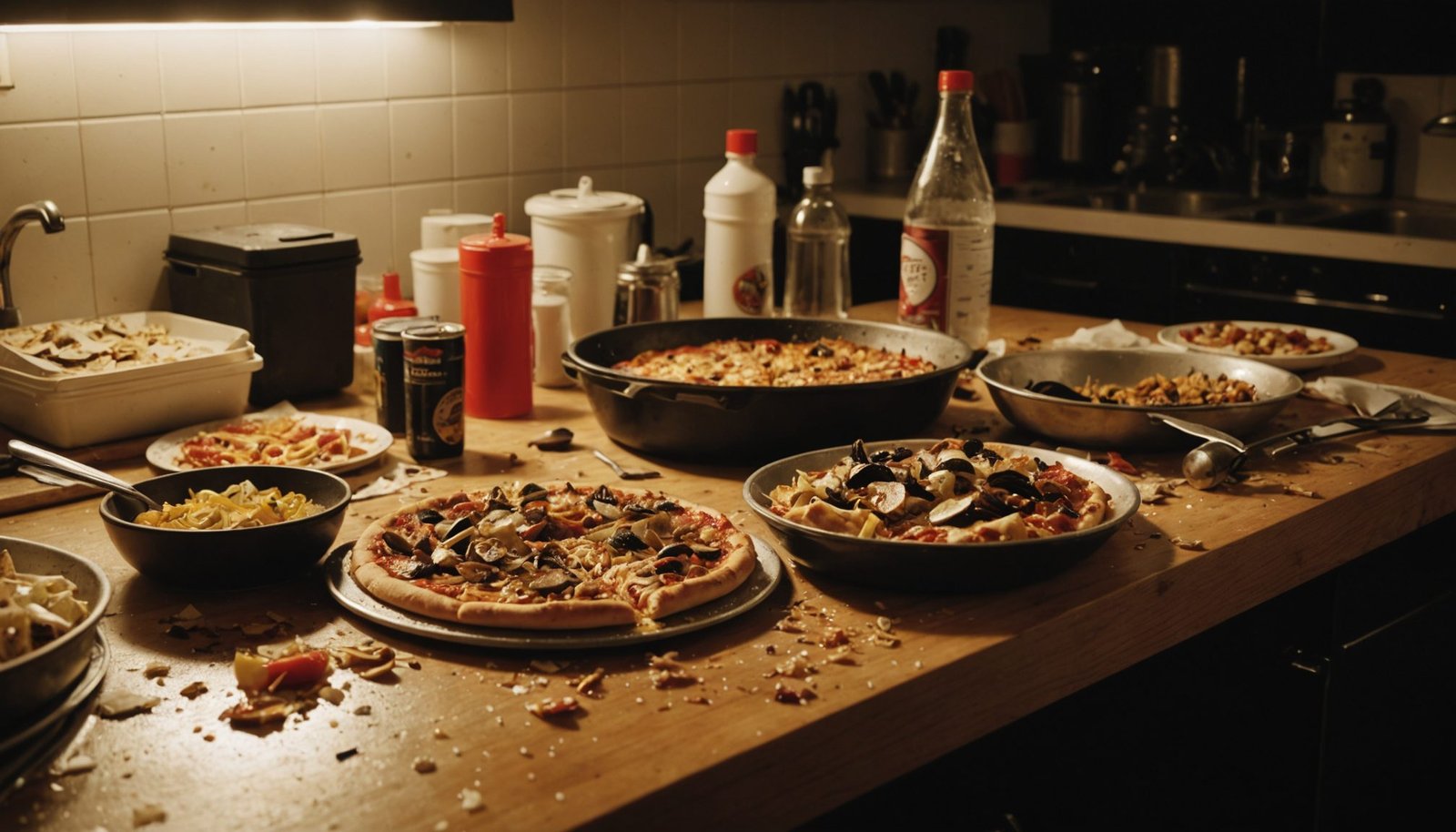
When it comes to attracting cockroaches, sugary and starchy foods top the list of irresistible attractants. Spilled soda, syrup, sweet crumbs on unwashed dishes, and stored items like sugar, pasta, and rice draw cockroaches directly — they will chew through thin cardboard and paper packaging to reach these food sources. Your kitchen’s greasy surfaces and oily residues serve as powerful attractants, while meat, cheese remnants, and protein-rich food debris provide nutrients these pests actively seek. Even small amounts of food residue can sustain roach populations — from the grease on your stovetop to forgotten crumbs behind appliances and under the refrigerator. Cockroaches are opportunistic feeders that will consume virtually any available food source including toothpaste, soap, glue from book bindings, and paper products when preferred food is unavailable.
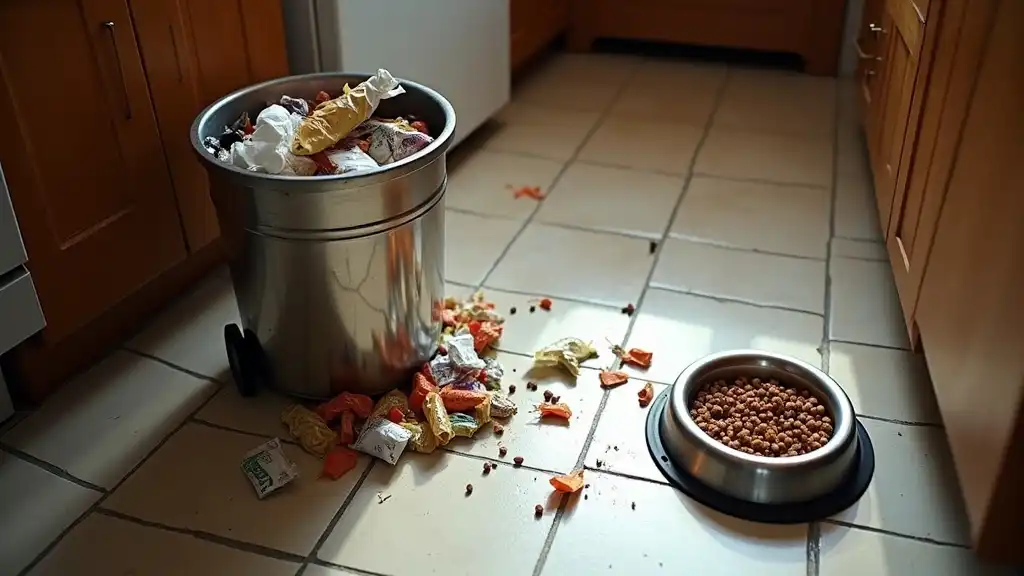
Pet food left in bowls overnight and unsealed garbage bins create additional feeding opportunities that are especially attractive during nocturnal foraging hours. About 39.6% of cockroach infestations occur in homes with poor sanitation practices — making food storage and immediate cleanup of spills the most impactful prevention measures homeowners can implement.
Garbage and Waste Accumulation
Unsealed garbage is one of the most reliable cockroach attractants in any home. Organic waste generates food odors that cockroaches detect from considerable distances, and the accumulated food scraps, packaging residue, and organic matter inside garbage bins provide both food sources and moisture. Over 28.4% of cockroach sightings happen within the first 24 hours after garbage disposal day — the window when waste has accumulated to peak attractant levels before collection. Use trash cans with tight-fitting lids in all kitchen and bathroom areas, empty them daily rather than allowing organic waste to accumulate overnight, and clean bins regularly to remove the grease residue and food debris that builds up on interior surfaces. Keep outdoor garbage receptacles sealed and positioned away from exterior entry points to prevent cockroaches from building populations in exterior garbage areas that then migrate indoors through structural gaps.
Moisture and Water Sources in Your Home
Water attracts cockroaches just as powerfully as food. Cockroaches die within 48 to 72 hours without water access — making moisture the single most critical survival resource they seek indoors. Since roaches are primarily nocturnal foragers, they emerge at night to find both food and water sources, concentrating their activity in the areas of your home where moisture is most consistently available.
- Leaky pipes and dripping faucets under sinks create perfect nesting spots in dark, damp spaces that are rarely disturbed between cleaning sessions.
- Condensation from refrigerators, dishwashers, and air conditioning units provides hidden water sources that cockroaches access without detection.
- Uncleaned spills and standing water in sinks offer both hydration and potential breeding conditions in close proximity to food sources.
- Clogged drains accumulate stagnant water and food debris simultaneously, creating ideal cockroach harborage zones.
- Humid storage areas and damp cabinets — especially those near plumbing — become travel corridors for cockroach colonies moving through your home.
Regular inspection and prompt repair of leaks eliminates the primary water source driving most residential cockroach infestations. Fix dripping faucets immediately, dry sinks after use, repair any plumbing leaks within 24 hours of detection, and use a dehumidifier in basement and crawl space areas to keep humidity below 50% — the threshold below which cockroach survival and breeding are significantly impaired. Bathrooms are a primary moisture-driven cockroach attraction zone that require specific prevention measures beyond standard cleaning.
Pet Food Left Out Overnight
Pet food left in bowls overnight is one of the most commonly overlooked cockroach attractants in households with cats and dogs. Dry kibble, wet food residue, and food particles around feeding areas provide a reliable, regularly replenished food source in ground-level locations that cockroaches access easily during nocturnal foraging. The food odors from pet bowls attract cockroaches from greater distances than the equivalent amount of human food because pet food is formulated with particularly strong protein and fat odor profiles. Remove pet food bowls every night, wash them to eliminate residue, and store pet food in sealed hard plastic or metal containers rather than the original paper bags or cardboard packaging — both materials that cockroaches readily chew through to access contents. Clean the area around feeding stations regularly to remove scattered kibble and food particles that accumulate around bowl edges and on the surrounding floor.
Common Hiding Spots and Shelters
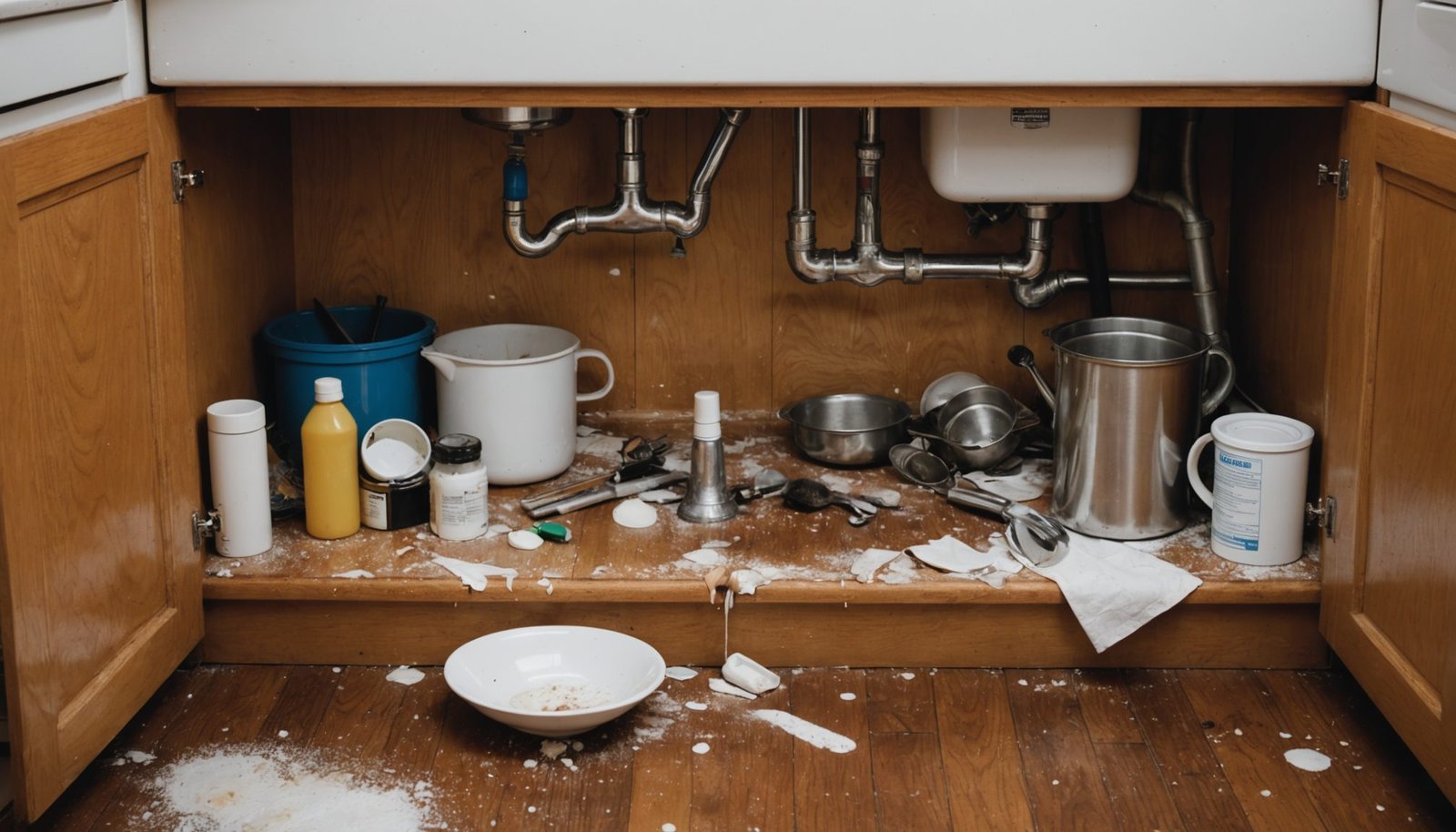
Your home’s dark corners and crevices serve as perfect hideouts for cockroaches, particularly in areas behind major appliances where darkness, warmth, and proximity to food and water combine. These spaces provide the seclusion cockroaches require to remain hidden during daylight hours while allowing quick access to resources. Understanding where cockroaches prefer to live helps you focus inspection and prevention efforts on the highest-risk locations in your home.
Dark Corners and Crevices
Cockroaches naturally gravitate toward darkness, seeking concealed spots that offer protection from light and disturbance. They can hide in gaps as narrow as 1.6 millimeters — approximately the thickness of a credit card — making it essential to inspect and seal potential entry and harborage points throughout your house. Key hiding locations include tiny cracks along walls, door frames, and beneath floorboards; upper corners of kitchen and bathroom cabinets near food storage areas; gaps between baseboards, molding strips, and wall joints; areas around plumbing fixtures where pipes enter walls; and inside electronics including televisions, radios, and computers, which provide warmth from internal components. These shadowy refuges also serve as breeding grounds where females deposit egg cases in protected locations — addressing these hiding spots is essential for effective long-term pest control.
Behind Household Appliances
Major household appliances provide cockroaches with the ideal combination of warmth, moisture, and shelter. Behind refrigerators, under stoves, and inside microwaves, cockroaches access food debris and heat from motors simultaneously. They are particularly drawn to the dark spaces behind dishwashers and under sinks where moisture and plumbing gaps create ideal survival conditions. Electronics including televisions and gaming systems placed near kitchen areas provide warmth from internal components that cockroaches exploit as stable temperature zones.
| Appliance Area | Primary Attractants | Prevention Action |
|---|---|---|
| Refrigerators | Motor heat, food crumbs, condensation | Pull out and clean behind monthly |
| Ovens and stoves | Cooking residue, grease, warmth | Clean after each use, seal gaps at back |
| Microwaves and toasters | Food particles, tight interior spaces | Clean crumb trays and interior weekly |
| Dishwashers and sinks | Moisture, plumbing gaps, food residue | Check door seals, fix plumbing leaks |
Clutter and Hiding Spots: Cardboard and Paper Materials
52.9% of homes with clutter have a higher chance of cockroach presence — and the primary clutter culprit is cardboard. Cockroaches use cardboard boxes as both shelter and food, consuming the starchy glue in corrugated cardboard and using the dark spaces inside stacked boxes as nesting and egg-laying locations. Stacked newspapers, paper bags, and accumulated paper materials in pantries, basements, attics, and storage rooms create additional harborage that cockroach colonies exploit as protected breeding zones. Clear all cardboard storage immediately — transfer pantry and storage items to sealed hard plastic containers, break down and dispose of cardboard boxes within 24 hours of receiving deliveries, and eliminate stacked paper materials from kitchen and bathroom storage areas. Reducing clutter throughout the home — in closets, under beds, in utility areas, and along baseboards — removes the harborage conditions that allow small cockroach populations to establish undetected before infestations become severe. Bedroom clutter creates cockroach harborage conditions that most homeowners overlook when addressing kitchen and bathroom prevention.
Temperature and Environmental Factors
Cockroaches thrive in temperatures between 70 to 85°F (21 to 29°C), making your home’s climate-controlled interior particularly attractive year-round. Your home’s stable warmth provides the consistent temperature cockroaches need to maintain their breeding cycle — German cockroaches complete their lifecycle in as little as 60 days under optimal temperature conditions, meaning your heated home supports faster population growth than cooler exterior environments. During winter months, heated indoor spaces become especially attractive as outdoor temperatures fall below cockroaches’ survival threshold of approximately 55°F (13°C), driving peridomestic species that normally live outdoors to seek shelter inside your walls, basement, and utility areas.
- High humidity areas including bathrooms and kitchens attract the greatest cockroach concentration in residential settings.
- Dark, warm wall voids and spaces behind appliances maintain stable temperatures that support year-round cockroach activity.
- Air conditioning condensation creates moisture zones in otherwise dry areas of the home.
- Cockroaches become less active at temperatures below 55°F (13°C) and die at sustained temperatures below 45°F (7°C).
- Stable environments where temperature and humidity remain consistently within the preferred range support larger, faster-growing colonies than environments with frequent fluctuation.
Indoor Plants and Damp Areas as Attractants
Indoor plants are a frequently overlooked cockroach attractant. Overwatered indoor plants create persistent moisture in soil and on surrounding surfaces — particularly attractive to Oriental cockroaches and other species that thrive in cool, damp conditions. Plant saucers collect standing water that cockroaches use as a water source. Organic matter in potting soil provides both food and harborage, and the dark, sheltered space beneath large planters creates attractive nesting conditions. Avoid overwatering indoor plants, empty plant saucers promptly after watering, and keep large planters away from kitchen areas where their moisture competes with your damp-reduction efforts. Basement and crawl space damp areas — from foundation moisture intrusion, plumbing condensation, or inadequate ventilation — create the same conditions that drive cockroach activity in these structural zones, making moisture management in these hidden areas as important as kitchen and bathroom prevention.
Odors and Chemical Attractions
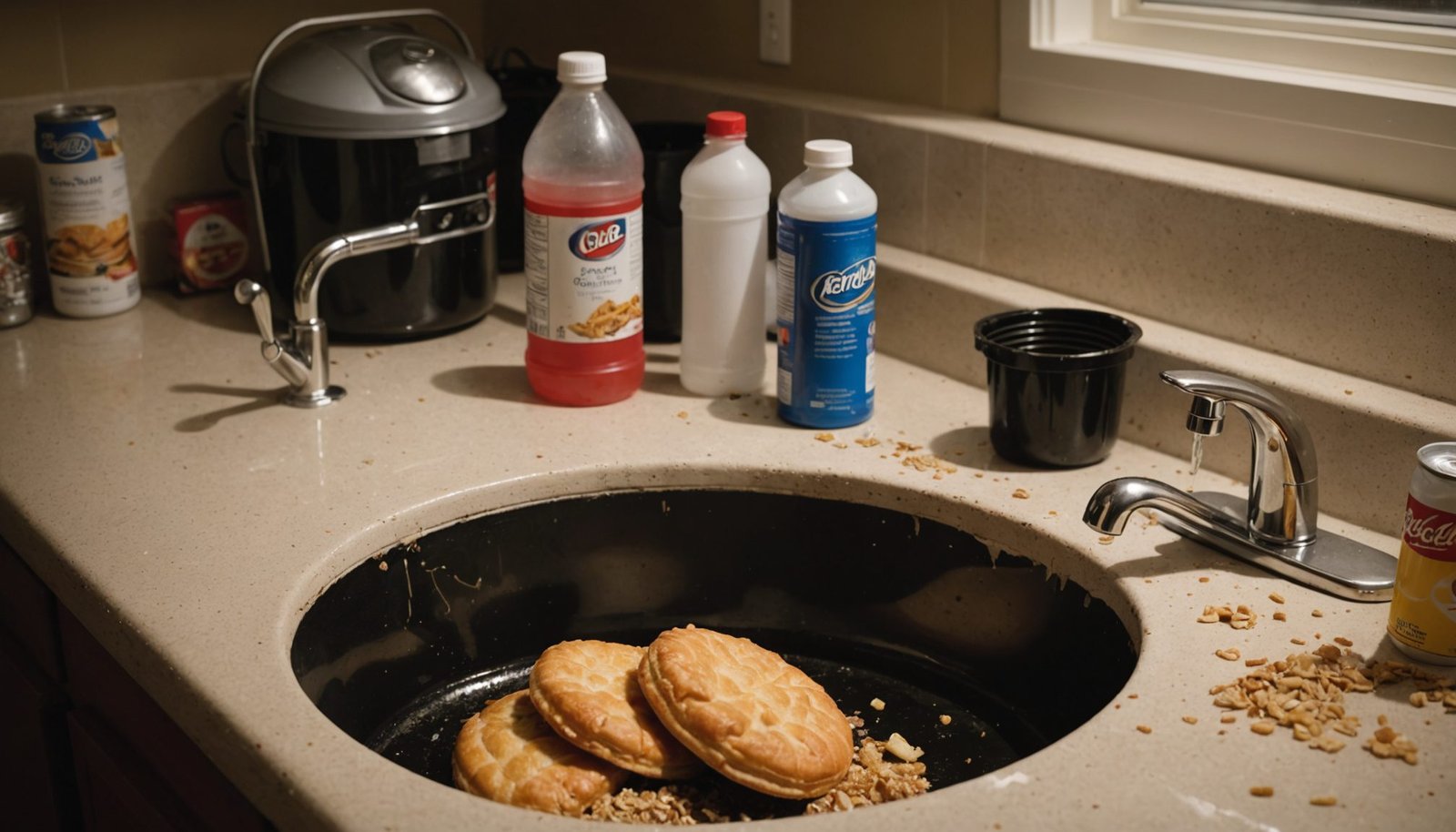
Cockroaches’ powerful sense of smell drives their foraging behavior and explains why food management and sanitation produce such dramatic results in prevention programs. They are strongly attracted to food odors from carbohydrates, sugars, and starches commonly found in kitchen crumbs and spills — sweet-smelling substances and protein-rich food residues are especially appealing and detectable from considerable distances by cockroach antennae.
Cockroaches also respond to chemical cues from their own kind. They produce aggregation pheromones that signal safe shelter locations to other cockroaches, while their droppings contain attractant compounds that reinforce established infestation sites over time. This pheromone feedback loop explains why cockroach problems compound quickly — the presence of a few cockroaches actively attracts more to the same locations through chemical signaling. You’ll find cockroaches drawn to moist environments with organic matter including garbage, pet food, and compost. Even household cleaning residues can inadvertently attract cockroaches if they contain trace amounts of appealing chemicals — which is why thorough rinsing of surfaces after cleaning, and choosing cleaning products without added fragrances that mimic food smells, reduces rather than increases attraction.
Poor Sanitation Practices That Sustain Infestations
While a single lapse in sanitation can attract cockroaches, sustained poor sanitation practices are what allow small populations to grow into full infestations. The 39.6% of cockroach infestations occurring in homes with poor sanitation reflects households where multiple sanitation failures compound simultaneously — unwashed dishes, food crumbs left on surfaces, grease buildup on cooking surfaces, and inadequate waste management creating a perpetual food and harborage environment that supports continuous cockroach reproduction. Key sanitation practices that directly prevent cockroach infestations include washing dishes immediately after use rather than leaving them in the sink overnight; wiping counters and cooking surfaces after every meal preparation; sweeping and mopping floors to remove crumbs and food particles especially in corners, under furniture, and along baseboards; storing all pantry food in sealed containers; and taking out garbage daily in sealed bags. Deep cleaning behind and beneath appliances, inside cabinet bases, and in pantry corners on a monthly schedule removes the accumulated food debris that sustains cockroach populations between surface cleaning events.
Seasonal Changes and Movement Patterns
Cockroach activity in homes follows seasonal patterns driven by temperature changes that push outdoor species indoors and accelerate breeding cycles in already-established indoor populations. In late summer and early fall, as outdoor temperatures begin cooling below the cockroach survival threshold, peridomestic species including American cockroaches and Oriental cockroaches that spend spring and summer outdoors migrate indoors through utility penetrations, basement gaps, and foundation cracks, creating seasonal infestation spikes in homes that were pest-free through the warmer months. German cockroaches, which breed exclusively indoors, accelerate breeding during summer when warm indoor temperatures reach the optimal range for fastest lifecycle completion — meaning established German cockroach infestations grow most rapidly during warm months even though they are not driven by seasonal outdoor-to-indoor migration. Preventive exclusion work performed in late summer before the fall migration period provides the highest return on structural sealing investment, blocking the seasonal entry routes that would otherwise allow outdoor cockroach populations to establish indoors for the winter months.
Entry Points and Structural Vulnerabilities
Your home’s structure likely has multiple weak points where cockroaches can enter, including foundation cracks, gaps around utility lines, and poorly sealed doors and windows. Identifying and sealing these vulnerable areas, with particular attention to plumbing entry points, exterior wall crevices, and ventilation openings, dramatically reduces infestation pressure from outside populations.
Common Access Routes
Cockroaches enter homes through plumbing systems via drain pipes, leaky faucets, and unsealed gaps around pipe penetrations in walls and floors. Vents and chimneys without proper fine-mesh screens provide easy access for peridomestic species. Deteriorating weatherstripping and worn door sweeps around exterior doors and windows offer convenient entry paths, particularly during the fall migration period. Utility penetrations for cables, wires, and HVAC systems create hidden pathways that are especially significant in multi-unit buildings where cockroaches travel through shared wall voids between units. Cockroaches also hitchhike indoors on secondhand furniture, grocery bags, shipping boxes, and luggage — inspect all incoming items before bringing them inside, particularly items that have been stored in garages, warehouses, or other potentially infested environments.
Sealing Vulnerable Areas
Seal all exterior wall cracks and gaps with silicone caulk regardless of size — cockroaches can squeeze through openings as small as 1.6 millimeters and even visible-looking cracks serve as entry routes. Pay special attention to areas around utility lines including electrical conduits, water pipes, and HVAC ducts where structural gaps typically form. Address moisture-prone areas like bathrooms and basements where water damage and high humidity create entry conditions as well as attraction. Check for damaged seals around all exterior doors and windows, and repair any deteriorating weatherstripping, door sweeps, or rotting wood that provides concealed entry points at ground level. Install fine-mesh screens on all vent and drain openings accessible from exterior areas.
Frequently Asked Questions About What Attracts Cockroaches to Homes
What foods attract cockroaches most?
Cockroaches are most strongly attracted to sugary and starchy foods including spilled soda, syrup, sugar, pasta, rice, bread crumbs, and breakfast cereal. Greasy surfaces with cooking oil residue, meat and cheese remnants, and pet food left overnight are also powerful attractants. 78.3% of cockroach infestations are linked to food residue left uncovered — making food storage in sealed containers and immediate cleanup of spills the single highest-impact prevention measure. Cockroaches will also consume organic non-food materials including cardboard, paper, soap, and toothpaste when preferred food is unavailable.
Do cockroaches like moisture?
Yes — moisture is as critical to cockroach survival as food. Cockroaches die within 48 to 72 hours without water access, making leaky pipes, dripping faucets, condensation, standing water, and high-humidity areas primary cockroach attractants. 64.7% of cockroaches are found near leaky pipes or damp areas. Fixing all plumbing leaks promptly, drying sinks and surfaces after use, and maintaining indoor humidity below 50% with dehumidifiers in damp areas significantly reduces cockroach attraction and survival conditions in your home.
Can trash attract cockroaches?
Yes — unsealed garbage is one of the most reliable cockroach attractants in residential settings. Organic waste generates food odors cockroaches detect from a distance, and accumulated food scraps provide both nutrition and moisture. Over 28.4% of cockroach sightings happen within the first 24 hours after garbage accumulates to peak levels. Use bins with tight-fitting lids, empty kitchen garbage daily in sealed bags, and clean bins regularly to remove the grease and food residue that builds up on interior surfaces between garbage disposal days.
Does clutter attract cockroaches?
Yes — 52.9% of homes with clutter have a higher chance of cockroach presence. Cardboard boxes, stacked newspapers, paper bags, and accumulated storage materials provide both shelter and a food source (cockroaches consume starchy glue in cardboard). Clutter creates the dark, undisturbed harborage zones cockroaches need to breed and develop populations undetected. Eliminating cardboard storage and reducing clutter throughout the home, particularly in kitchens, pantries, basements, and storage rooms, removes the harborage conditions that sustain infestations between cleaning events.
Do pet food bowls attract cockroaches?
Yes — pet food left in bowls overnight is a significant cockroach attractant. Dry kibble and wet food residue provide reliable ground-level food sources in accessible locations, and the strong protein and fat odor profiles of pet food attract cockroaches from considerable distances. Remove and wash pet food bowls every night before going to sleep, and store pet food in sealed hard plastic or metal containers rather than original packaging, which cockroaches readily chew through.
How do cardboard boxes attract cockroaches?
Cardboard boxes attract cockroaches in three ways simultaneously: they provide dark, sheltered harborage space inside and between stacked boxes; they serve as a food source because cockroaches consume the starchy glue in corrugated cardboard; and they provide egg-laying locations where females deposit oothecae in protected positions. German cockroaches in particular frequently arrive inside homes in cardboard delivery boxes and grocery bags, making inspection of all incoming cardboard before bringing it inside and immediate disposal of boxes after unpacking an important prevention practice.
Is warmth a reason cockroaches come indoors?
Yes — cockroaches thrive at temperatures between 70 to 85°F and die at sustained temperatures below 45°F. Your home’s heated interior is significantly more attractive than outdoor environments during cooler months, and the warmth from kitchen appliances, electronics, and HVAC systems creates stable warm zones that cockroaches actively seek as harborage. During fall and winter, outdoor peridomestic species including American and Oriental cockroaches migrate indoors through structural gaps to escape temperatures that fall below their survival threshold, creating seasonal infestation spikes in homes with unsealed entry points.
{
“@context”: “https://schema.org”,
“@type”: “FAQPage”,
“mainEntity”: [
{
“@type”: “Question”,
“name”: “What foods attract cockroaches most?”,
“acceptedAnswer”: {
“@type”: “Answer”,
“text”: “Cockroaches are most attracted to sugary and starchy foods including spilled soda, sugar, pasta, rice, bread crumbs, and greasy cooking residue. Pet food left overnight and meat and cheese remnants are also powerful attractants. 78.3% of cockroach infestations are linked to food residue left uncovered. Store all food in sealed containers and clean spills immediately to eliminate the primary cockroach attractant in your home.”
}
},
{
“@type”: “Question”,
“name”: “Do cockroaches like moisture?”,
“acceptedAnswer”: {
“@type”: “Answer”,
“text”: “Yes. Cockroaches die within 48 to 72 hours without water, making moisture as critical to their survival as food. 64.7% of cockroaches are found near leaky pipes or damp areas. Fix all plumbing leaks promptly, dry sinks and surfaces after use, and maintain indoor humidity below 50% to significantly reduce cockroach survival conditions in your home.”
}
},
{
“@type”: “Question”,
“name”: “Can trash attract cockroaches?”,
“acceptedAnswer”: {
“@type”: “Answer”,
“text”: “Yes. Unsealed garbage generates food odors cockroaches detect from a distance. Over 28.4% of cockroach sightings happen within the first 24 hours after garbage accumulates to peak levels. Use bins with tight-fitting lids, empty kitchen garbage daily in sealed bags, and clean bins regularly to remove the food residue that accumulates on interior surfaces.”
}
},
{
“@type”: “Question”,
“name”: “Does clutter attract cockroaches?”,
“acceptedAnswer”: {
“@type”: “Answer”,
“text”: “Yes. 52.9% of homes with clutter have a higher chance of cockroach presence. Cardboard boxes, stacked newspapers, and paper bags provide both shelter and a food source. Clutter creates the dark, undisturbed harborage zones cockroaches need to breed undetected. Eliminating cardboard storage and reducing clutter in kitchens, pantries, basements, and storage rooms removes key harborage conditions.”
}
},
{
“@type”: “Question”,
“name”: “Do pet food bowls attract cockroaches?”,
“acceptedAnswer”: {
“@type”: “Answer”,
“text”: “Yes. Pet food left overnight provides a reliable ground-level food source, and the strong protein and fat odor profiles attract cockroaches from considerable distances. Remove and wash pet food bowls every night, and store pet food in sealed hard plastic or metal containers rather than original packaging, which cockroaches readily chew through.”
}
},
{
“@type”: “Question”,
“name”: “How do cardboard boxes attract cockroaches?”,
“acceptedAnswer”: {
“@type”: “Answer”,
“text”: “Cardboard boxes attract cockroaches as harborage (dark sheltered space), food (starchy glue in corrugated cardboard), and egg-laying locations. German cockroaches frequently arrive inside homes in delivery boxes and grocery bags. Inspect incoming cardboard before bringing it inside and dispose of boxes immediately after unpacking.”
}
},
{
“@type”: “Question”,
“name”: “Is warmth a reason cockroaches come indoors?”,
“acceptedAnswer”: {
“@type”: “Answer”,
“text”: “Yes. Cockroaches thrive at 70 to 85°F and die at temperatures below 45°F. Your heated home is significantly more attractive than outdoor environments during cool months. During fall and winter, outdoor species including American and Oriental cockroaches migrate indoors through structural gaps to escape temperatures below their survival threshold, creating seasonal infestation spikes in homes with unsealed entry points.”
}
}
]
}
