
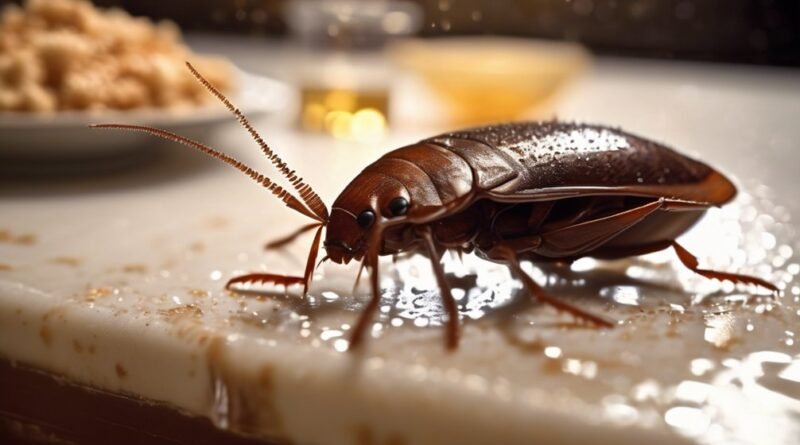
Are Cockroaches Dangerous? Health Risks & Safety Concerns
You might think cockroaches are just a nuisance, but these pests can affect your health and home more than you expect. Their droppings and body parts trigger allergies and asthma, especially in kids and older adults. They also spread bacteria like Salmonella and E. coli — and are linked to serious diseases including dysentery, cholera, and typhoid fever — contaminating kitchens, food, and bedrooms. A cockroach infestation is more than an inconvenience: it’s a documented health risk for humans, children, and pets. Understanding how these insects move, why they thrive indoors, and what actually works to control them can change your approach — starting now.
Key Takeaways
- Cockroach allergens (saliva, droppings, shed skin) can trigger allergies and asthma, especially in children, older adults, and immunocompromised humans.
- These pests spread diseases including Salmonella, E. coli, norovirus, dysentery, typhoid fever, cholera, and hepatitis A by contaminating food and surfaces.
- Cockroach infestations rapidly establish in areas with food, moisture, and shelter, particularly kitchens, bathrooms, and laundry rooms.
- Bites are rare but possible in severe infestations, causing red bumps, skin rashes, irritation, and occasional minor infections.
- Effective control relies on sanitation, sealing food and trash, fixing leaks, and using gel baits and sticky traps — or calling pest control services for persistent cockroach problems.
Health Risks From Cockroach Exposure
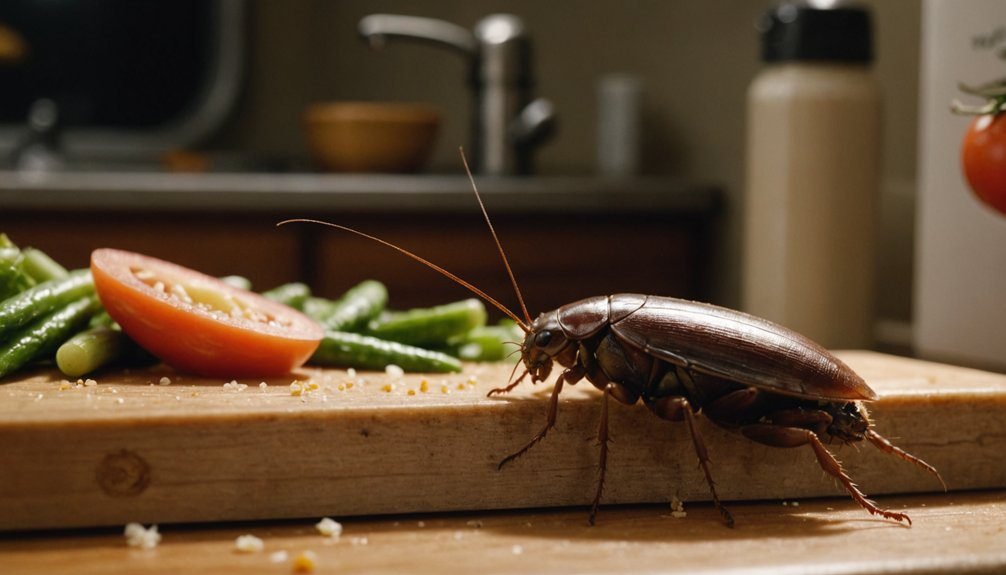
Even small amounts of cockroach debris — saliva, droppings, shed skin, and body parts — can trigger serious health problems, especially for children and people with asthma. These pests are vectors of multiple diseases — a fact well documented in public health research across the U.S. and globally.
These particles carry cockroach antigens that act like foreign proteins when you inhale them, provoking allergic reactions and asthma attacks. If you’re already sensitized, exposure can be severe and frequent, and long-term contact increases sensitivity, pushing mild symptoms toward chronic respiratory disease. Their rapid reproduction means small infestations can quickly escalate, worsening health risks and making timely control essential. A single female cockroach can produce an ootheca containing dozens of eggs every few weeks — meaning a cockroach infestation in your home can reach thousands of individual insects within months if left untreated.
Inhaled cockroach antigens trigger allergies and asthma, with repeated exposure worsening sensitivity into chronic respiratory disease — a serious risk for humans of all ages.
You’ll notice worse breathing in infested areas because airborne allergen levels rise, especially alongside mold or pet dander. Cockroach saliva contains hundreds of allergens that aggravate wheezing, coughing, and chest tightness. Persistent exposure can cause ongoing respiratory distress, not just brief flare-ups. Young children face higher risk because they spend more time indoors where allergens accumulate in furniture, carpets, and bedding.
Vulnerable groups — including infants, older adults, and people with weakened immune systems — experience amplified impacts from cockroach exposure. In multiunit homes, shared environments heighten exposure, demanding coordinated extermination and control to reduce health burdens and prevent escalating respiratory problems.
How Cockroaches Spread Disease
Although cockroaches don’t bite to spread illness, they efficiently transmit disease by contaminating food, utensils, and surfaces with saliva, feces, and microbes picked up on their legs and bodies. As they travel from sewers, drains, and garbage to your kitchen, pathogens hitchhike and transfer onto counters, cutting boards, and stored food. Understanding the full range of diseases these pests spread is essential for appreciating the true danger of a cockroach infestation in any home or commercial property.
They also defecate and regurgitate while feeding, seeding germs where you eat and prepare meals. Cockroach allergens from their bodies, saliva, feces, and shed skins can trigger asthma and allergies, especially in urban homes with higher exposure.
You face risk from diverse agents — all documented in cockroaches — including Salmonella, Shiga toxin–producing E. coli, Staphylococcus, Streptococcus, norovirus, sapovirus, poliovirus, hepatitis A, and parasitic worms. The full list of diseases linked to cockroach contamination also includes dysentery, typhoid fever, and cholera — serious illnesses caused by pathogens these insects mechanically carry on their legs, bodies, and in their droppings. Some bacteria survive or multiply in the gut of a cockroach and exit in droppings, silently contaminating surfaces throughout your home.
- Picture roaches trekking across rotting scraps, then your bread bag.
- Tiny fecal spots speckle a shelf beside clean plates.
- A nymph slips under a toaster — young cockroaches are more likely to carry intestinal pathogens.
- Night activity spreads microbes from pantry to sink, contaminating food sources and surfaces across your property.
In food settings, even low-level cockroach infestations warrant immediate, professional pest control.
Allergens, Asthma, and Indoor Air Quality
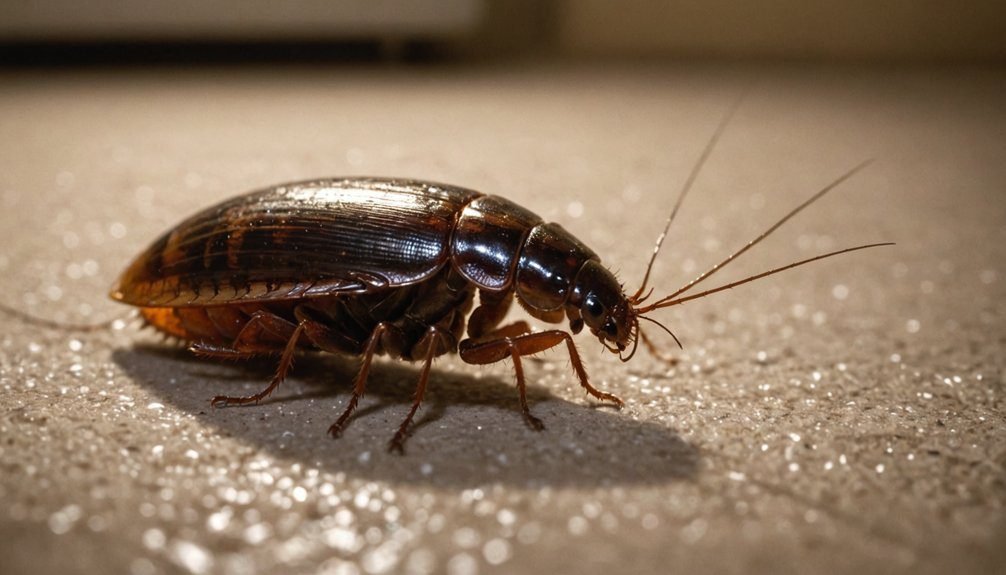
Cockroaches don’t just spread diseases and microbes on your counters — they also fill your home‘s dust with potent allergens that inflame airways and trigger asthma. This aspect of cockroach danger is often overlooked, but the health evidence is clear: these pests are one of the most significant indoor health hazards for humans in urban environments.
Their proteins — especially Bla g 1 and Bla g 2 from German and American cockroaches — stick to body parts, saliva, and feces. These particles settle into pillows, mattresses, carpets, and furniture fabrics, then become airborne when you make the bed, vacuum, or walk, driving inhalation and symptoms. In New York City, children living in neighborhoods with higher cockroach allergen exposure show significantly higher rates of sensitization, which is linked to greater asthma prevalence.
Cockroach allergens cling to droppings and surfaces, settle in fabrics and furniture, then go airborne — triggering symptoms with everyday movement.
If you’re sensitized, exposure can spark sneezing, itchy eyes, runny nose, and postnasal drip, and it can worsen wheezing, chest tightness, coughing, and shortness of breath. In some people, exposure also causes skin rashes and reactions — especially in children with existing eczema or sensitive skin. Even dead cockroach parts and residues trigger reactions. Cross-reactivity with dust mites and shrimp can broaden your allergy profile.
Early-life exposure matters: contact in the first three months raises the risk of recurrent wheeze and later asthma. Urban, lower-income homes face higher levels; in cities like New York, sensitization roughly doubles childhood asthma. Bedroom exposure is especially impactful due to prolonged overnight contact with allergen-laden bedding and furniture.
Where and Why Cockroach Infestations Happen
You’re most likely to encounter cockroaches where food, moisture, and shelter are easy to find. Warm southern cities see more cockroach activity because these insects thrive in year-round heat and humidity. Check high-risk indoor areas like kitchens, bathrooms, laundry rooms, behind appliances, near water heaters, and along floor-wall junctions. When crumbs, leaks, and clutter persist, cockroach infestations establish quickly and spread through crevices, wall voids, and spaces behind furniture. A cockroach problem that goes untreated for just a few months can involve thousands of individual bugs hidden throughout the property.
Food, Moisture, Shelter
When food, moisture, and shelter line up, cockroach infestations take root fast. You create the invitation with crumbs, greasy residues, and dishes crusted with leftovers. Open pet bowls overnight and unsealed, overflowing trash give cockroaches dependable meals. Secure receptacles deter cockroaches by keeping trash cans and bags sealed to prevent access.
They’ll also hitchhike in with food packaging, furniture, or secondhand goods, depositing eggs in ootheca tucked into tight crevices you rarely notice. Dampness seals the deal: leaks, wet sponges, standing water, and humid rooms keep these pests thriving. The types of environments that sustain a cockroach infestation — warm, moist, cluttered, food-rich — are precisely the conditions found in kitchens, bathrooms, and utility rooms across most homes.
- A sheen of oil on the stove, sugar grit under the toaster, and a midnight cockroach feast.
- A slow drip under the sink, a warm pipe, and a hidden brood of eggs.
- Cardboard stacks, newspapers, and a dark maze of harborage in crevices and wall spaces.
- Mulch, leaf piles, and steam tunnels feeding insects toward your door.
High-Risk Indoor Areas
Line up food, moisture, and shelter, and the hotspots appear fast: kitchens, bathrooms, and utility rooms lead the list. Leaks under sinks, dripping pipes, and damp cabinets draw cockroaches, while crumbs, grease, and trash keep them fed. Cracks around baseboards, gaps near appliances, crevices behind furniture, and cluttered storage create easy harborage for these pests.
You’ll see elevated risk in multi-unit and older homes, especially pre-1940 structures, where shared walls and utilities let cockroaches spread between units. Crowded homes (over 1.5 people per room) amplify moisture, activity, and allergens. Hygiene maintenance and proactive pest control are harder to sustain in these environments, which is why professional pest control services are often the most effective solution for persistent cockroach problems. Even wealthier homes show hotspots on kitchen and living room floors — cockroach infestations are not a hygiene problem exclusive to any one type of home or property.
Warm, humid cities — Houston, San Antonio, Tampa, Phoenix, Las Vegas — support year-round activity. Moist, cool winters and building disrepair promote mold, which indirectly sustains cockroach infestations. Improving hygiene, eliminating moisture, and sealing crevices are the three most impactful steps any homeowner can take to reduce risk.
Safety and Human Interaction Concerns
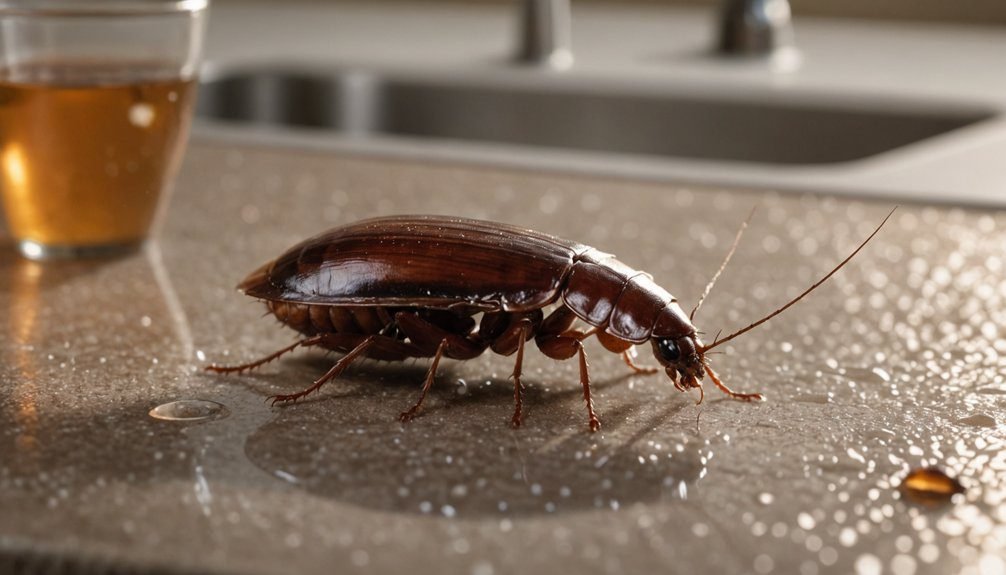
You might wonder if cockroaches bite — while they rarely do, extreme infestations can lead to irritating bites or leg-spine scratches that risk minor infections. You should also consider the infection potential from contaminated surfaces and the added risk for allergies and asthma. Beyond physical health, you can’t ignore the psychological stress and musty, oily odors cockroach infestations create, which impact sleep, comfort, and quality of life for the entire family.
Do Cockroaches Bite?
Curiously, cockroaches can bite — but it’s exceptionally rare and tied to severe infestations with scarce food. These insects are omnivores and opportunistic feeders, but they’d rather scavenge scraps, plants, or dead bugs than nip humans. Bites happen mostly at night, in overcrowded, unsanitary settings, when cockroach populations boom and food runs out.
Documented incidents involve species like American, Australian, and German cockroaches, often targeting soft skin on fingers, nails, or eyelashes. What types of reactions should you expect?
- A single bright red, raised bump, about 1–4 mm wide, not a clustered line.
- Mild irritation, swelling, or skin rashes where skin was soft, exposed, or had food residue.
- Nighttime surprises in severe infestations — especially in cramped quarters or ships.
- Quick relief by controlling cockroach infestations early and reducing access to food and shelter.
Infection and Scratching
Bites are rare, but cockroaches still threaten health because they carry and spread germs. You can pick up intestinal pathogens when cockroaches track microbes from sewage to kitchens. They mechanically spread norovirus, STEC E. coli, Salmonella, Staphylococcus, Streptococcus, and sapoviruses onto food, utensils, and surfaces — the same diseases associated with dysentery, typhoid fever, and cholera in parts of the world where sanitation and pest control are limited. Nymphs often test positive more than adults, so any life stage of a cockroach poses a disease risk.
If a cockroach‘s leg spines scratch you, bacteria on its body can enter and infect the wound. Wash immediately with soap and water, apply an antiseptic, and cover it. Watch for redness, swelling, warmth, pus, or fever; seek care if symptoms worsen.
| Risk source | Example pathogens | Your action |
|---|---|---|
| Surface contact | Norovirus, E. coli | Disinfect high-touch areas |
| Food handling | Salmonella, Staph | Separate, cook, and chill food |
| Skin scratches | Mixed flora bacteria | Clean, antiseptic, monitor signs |
Psychological and Odor Impacts
While cockroaches rarely harm physically, their presence can erode mental well-being and comfort at home. You may feel constant vigilance, insomnia, and spikes of anxiety as their nocturnal, unpredictable scurrying shatters your sense of control. That unease can snowball into panic episodes, mood swings, and even depressive symptoms, especially when stigma and helplessness make you avoid guests and isolate. The psychological toll of a cockroach problem on the family is a real — if often overlooked — health impact.
Their smell worsens the burden. Secretions, shed skins, feces, and carcasses create a musty, oily-sweet odor that lingers in furniture, crevices, and enclosed spaces, signaling decay and contamination. Odor intensity often tracks infestation severity, turning every room into a sensory reminder of the cockroach problem.
- A sudden skitter across the floor at midnight.
- A sour, oily scent from a warm cabinet.
- Dark specks behind appliances.
- A guest’s pause at your doorway.
Effective Control and Prevention Strategies
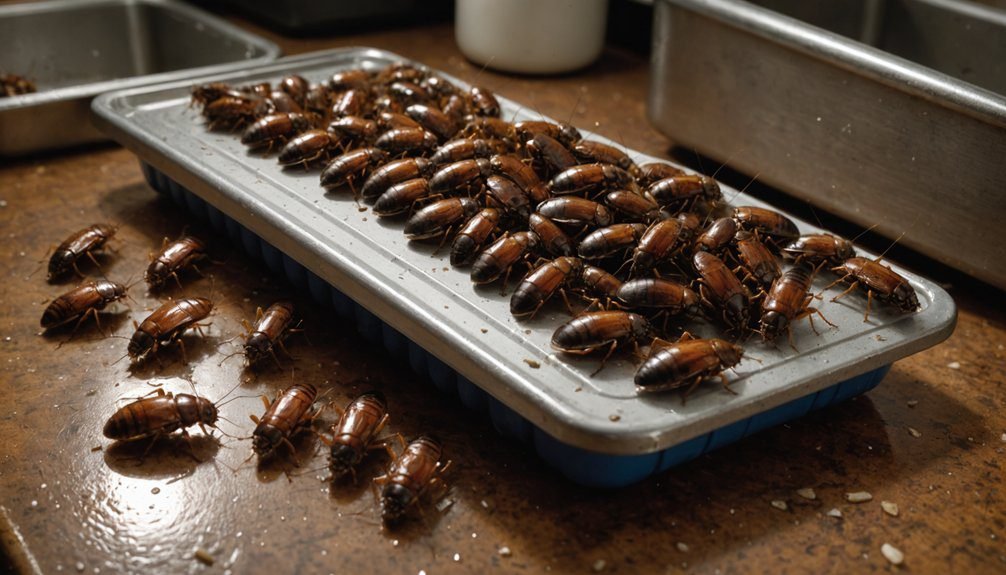
Even before you reach for a spray, the most effective cockroach control starts with an integrated plan that pairs smart sanitation with targeted treatments. Good hygiene is the foundation — without it, even the most effective chemicals, insecticides, and pest control services will only deliver temporary results. These pests return wherever food, moisture, and harborage remain available.
Start by vacuuming regularly, cleaning under appliances, and storing garbage, recyclables, and pet food in sealed containers. Move firewood and clutter away from the house. Replace organic mulch within 3–4 feet of the foundation with pea gravel or lava rock, and prune shrubs and trees to reduce humid, hidden harborage on your property.
Conduct visual inspections at night with a flashlight, checking meter boxes, leaf litter, under rocks, and baseboards for cockroach activity, droppings, and ootheca (egg cases). Use gel baits precisely where activity is found; they outperform broad sprays while cutting insecticide use by 80–95%. Add sticky traps to monitor progress. For perimeters, apply labeled insecticides outdoors and only spot-treat indoors. Using the right chemicals and products for the specific species present is essential — different types of cockroaches respond differently to various insecticides.
Coordinate in multi-unit homes and properties so cockroaches don’t migrate through walls and ducts. Consider professional pest control services or city-led campaigns for synchronized, consistent coverage. Professional extermination is especially valuable for severe cockroach infestations involving thousands of insects across multiple areas of a property — these require the inspection, expertise, and targeted application of chemicals that go beyond what DIY approaches can deliver.
Ecological Context: Roles Outside the Home
Although they’re unwelcome pests indoors, cockroaches play indispensable roles in natural ecosystems that keep soils fertile and food webs intact. Outside your home, they’re tireless decomposers. With gut microbes that digest cellulose and lignin, these insects break down leaf litter, wood, and carcasses, releasing trapped nutrients. Their feces return nitrogen to soil, boosting plant growth and sustaining microbial life. This ecological role is the information that reminds us cockroaches are a problem specifically when they move indoors — not inherently in nature.
As they burrow and move, they aerate and mix soils, fragment debris, and improve structure — benefits that ripple through entire habitats. Remove them, and litter accumulates, predators decline, and nutrient cycles stall. The contrast between their ecological value outdoors and the diseases, allergens, and hygiene risks they create indoors underlines why effective pest control — rather than wholesale extermination — is the right approach: keep them outside where they belong.
Frequently Asked Questions
How Can I Tell Cockroach Droppings From Mouse Droppings?
You tell them apart by size, shape, texture, and placement. Cockroach droppings are tiny (1–2 mm), coffee-ground-like or ridged pellets that may smear and leave inky stains, often clustered under sinks, in cabinets, and along baseboards. Mouse droppings are larger (8–10 mm), smooth, dry, elongated pellets that don’t smudge, typically found as isolated pellets along walls or near nesting sites. Check for cockroach egg cases (ootheca) or shed skins versus mouse gnaw marks and nesting. Identifying which types of pests you’re dealing with is the first step in choosing the right pest control approach.
Do Essential Oils Actually Repel Cockroaches Effectively?
Yes — certain essential oils can repel cockroaches effectively, especially at higher concentrations. You’ll see strong results with clove, oregano, peppermint, cinnamon, and star anise, particularly when formulated in soybean oil. Clove and oregano can reach near-total repellency and even show ovicidal effects on eggs; peppermint often outperforms eucalyptus and lavender. Expect effects lasting days to about a week. Still, species, oil type, and formulation matter — so combine oils, reapply regularly, and pair with sanitation and sealing for any meaningful cockroach control.
Are Ultrasonic Pest Repellers Useful Against Cockroaches?
They’re rarely useful against cockroaches. Most commercial units emit 2–5 kHz, while roaches respond closer to 20–50 kHz, so you won’t get meaningful disruption. Studies show little sustained impact; cockroaches adapt quickly, and sound doesn’t penetrate walls or reach harborages in crevices and furniture. Don’t rely on them as your primary pest control method. Instead, clean thoroughly, seal entry points, remove food and water, use baits and traps, and call licensed pest control services for targeted treatments within an integrated pest management plan.
Can Cockroaches Develop Resistance to Gel Baits?
Yes, they can — and they do. With repeated exposure, cockroaches evolve metabolic and target-site resistance to actives like fipronil and indoxacarb, and they develop behavioral resistance by avoiding or eating less bait. Resistance alleles persist and can rise quickly under selection. Cross-resistance occurs, so simple rotation may fail. You’ll improve pest control outcomes by using IPM: rotate insecticide classes, diversify tactics, optimize bait placement and sanitation, and pre-test susceptibility when possible. For severe cockroach problems, professional pest control services with access to commercial-grade chemicals and insecticides are the most reliable path to full extermination.
What Certifications Should a Pest Control Company Have?
You should look for a company with a state-issued pesticide applicator license and category-specific certifications (e.g., structural). Ascertain technicians pass core and category exams and complete approved training in IPM, safety, and regulations. Verify a Commercial Pesticide Business License, liability and workers’ comp insurance, and current continuing education. Prefer Certified IPM Technician (CIT) credentials, especially for schools or hospitals. If they provide consulting, they should hold a Pest Control Consultant License and certificate. Choosing the right pest control services for a cockroach infestation is an investment in your home‘s hygiene, your family‘s health, and your property‘s long-term value.
Conclusion
Cockroaches aren’t just unpleasant — they’re a real health threat to humans. You face risks from allergens that trigger asthma, especially in kids and seniors, and from diseases including dysentery, typhoid fever, cholera, Salmonella, and E. coli that these pests spread on food and surfaces. A cockroach infestation also damages your home‘s air quality, your family‘s mental well-being, and — if left untreated — your property‘s value and hygiene standards. If you spot signs of a cockroach problem, act fast: maintain good hygiene, reduce moisture, seal entry points, and use targeted treatments or call professional pest control services. By staying vigilant and preventing access to food, water, and shelter, you’ll protect your home, your family‘s health, and keep these dangerous insects out for good.
