
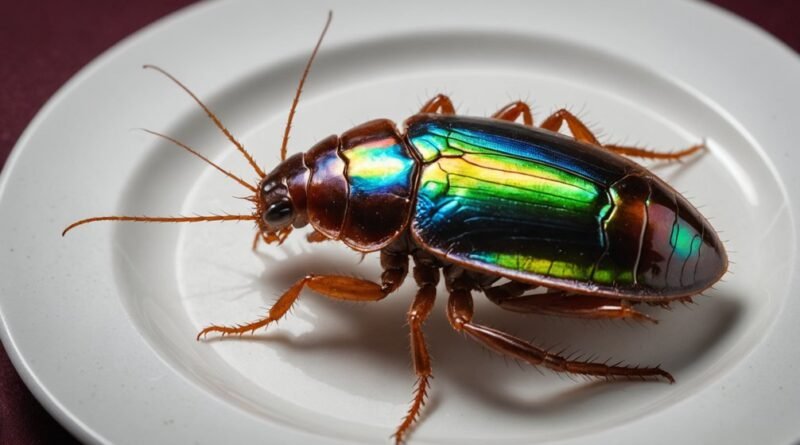
Are Cockroaches Actually Dirty? What They Carry vs. What’s Myth
Cockroaches aren’t actually dirty in the biological sense — they groom themselves regularly. The real concern is what they carry into your home, including bacteria like Salmonella and E. coli, picked up from sewers, garbage, and decaying matter. They spread these pathogens by crawling across surfaces. Whether that makes you sick depends on exposure levels and your immune system. There’s more to the story, and understanding it can help you protect your household.
Key Takeaways
- Cockroaches groom themselves regularly, so calling them “dirty” is misleading — the real concern is what contaminants they carry.
- They can transport dangerous bacteria like Salmonella and E. coli by passing through sewers, garbage, and decaying matter.
- Exposure to cockroach germs doesn’t guarantee illness, since infective dose and host immunity both influence actual infection risk.
- Beyond bacteria, cockroach allergens from droppings, shed skins, and saliva trigger serious asthma and allergy responses, especially in children.
- Allergens persist long after extermination, making thorough cleaning, sealing entry points, and humidity control essential for lasting protection.
Are Cockroaches Actually Dirty?
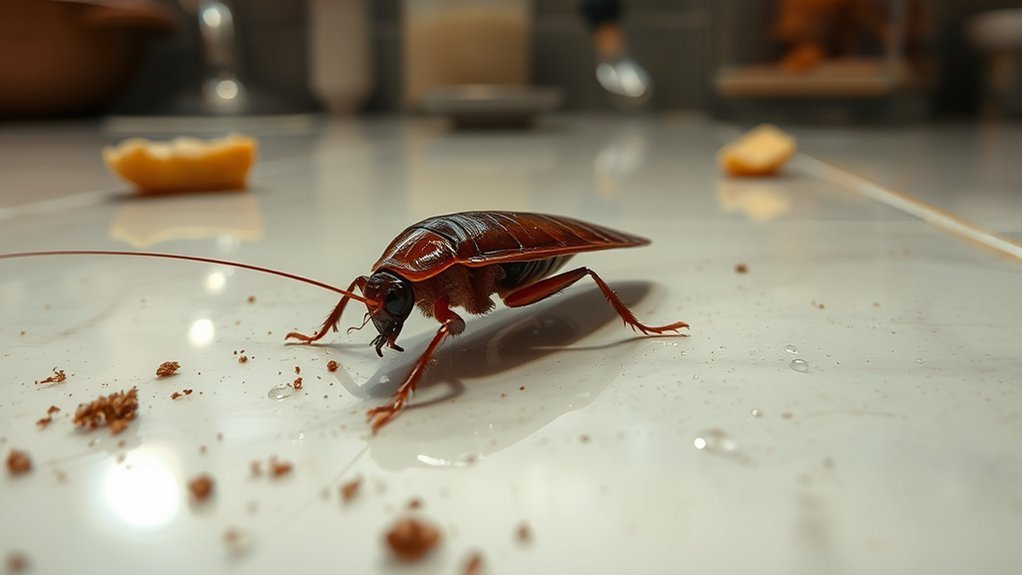
When you hear that cockroaches are “dirty,” the label is doing more work than it seems. It’s not a species trait — it’s a hygiene label, and there’s a real difference. Cockroaches actually groom themselves frequently, so their bodies aren’t simply coated in grime at all times.
Calling them dirty in a moral or biological sense misrepresents what’s actually happening.
The real concern isn’t what they’re — it’s what they carry. Cockroaches move through drains, trash, and decaying matter, picking up bacteria, viruses, and microscopic worms along the way.
One study found up to 14 million microbes on a cockroach’s exterior and around 7 million in their droppings. That’s a contamination risk, not an indictment of the insect’s character.
The more accurate term is contamination vector. A cockroach can be biologically groomed and still transfer harmful material onto your counters, food, and utensils. Their droppings and shed body parts also contain allergens that can trigger serious respiratory issues, particularly in children living in urban environments.
What Cockroaches Can Carry Into Your Home
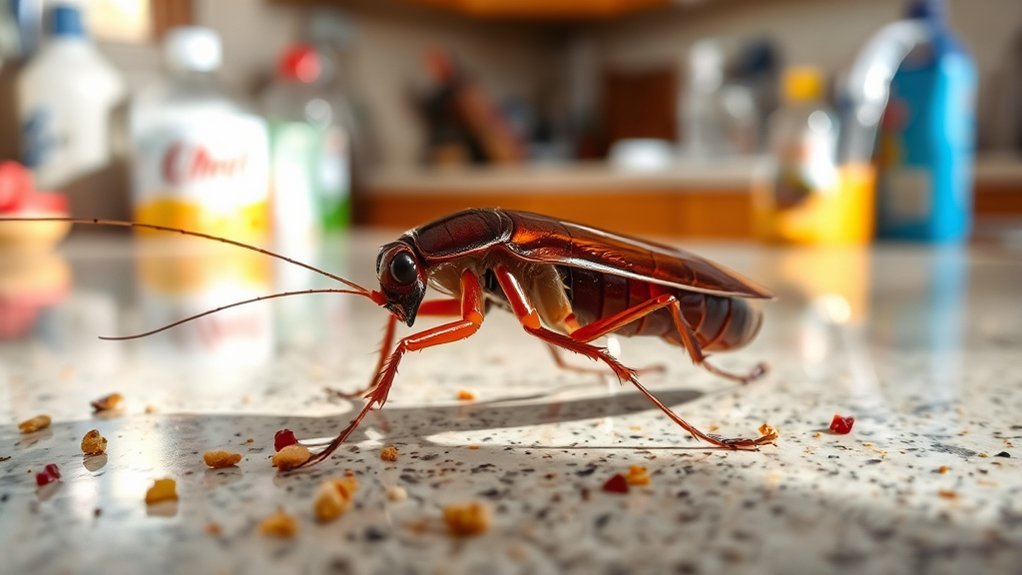
Knowing that cockroaches are contamination vectors raises an obvious follow-up question: what exactly are they bringing in? The short answer is quite a lot.
Cockroaches can carry bacteria, fungi, parasites, and viruses on their bodies and within their digestive tracts. Commonly identified bacteria include Salmonella, E. coli, staphylococcus, and streptococcus, though some reports cite dozens of additional species alongside parasitic worms.
They pick these up from sewers, drains, garbage, and decaying matter, then transfer them to your counters, food, dishes, and utensils. It’s not just direct contact you need to worry about. Their droppings, saliva, shed skins, and regurgitated material all deposit contaminants onto surfaces.
This process is called mechanical transfer, meaning the cockroach doesn’t get sick itself; it simply moves germs from one place to another. Beyond pathogens, their shed skins and fecal matter also release allergens that can trigger asthma and respiratory reactions. German, American, and Oriental cockroaches are the main species involved in spreading these contaminants throughout homes and businesses.
Why Carrying Germs Doesn’t Always Mean Getting Sick
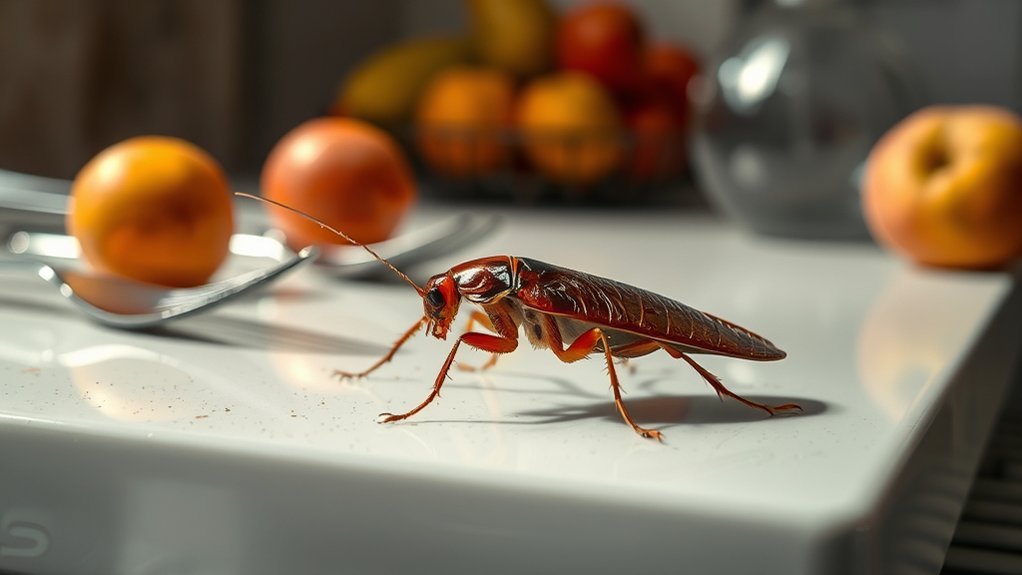
Cockroaches carry pathogens, but carrying germs isn’t the same as guaranteeing you’ll get sick. Several factors determine whether exposure becomes illness.
First, infective dose matters. You’d need to ingest enough organisms to overwhelm your defenses. Second, your immune system actively clears many exposures before symptoms develop. Third, cockroaches transfer germs mechanically — through legs, droppings, and surfaces — not through bites or direct injection.
| Factor | Low Risk Scenario | Higher Risk Scenario |
|---|---|---|
| Infective dose | Trace contamination on surface | Contaminated food consumed in quantity |
| Host immunity | Healthy adult with immune memory | Immunocompromised individual |
| Pathogen virulence | Low-virulence organism | *Shigella* requiring only ~10 cells |
Even when cockroaches contaminate your kitchen, illness only follows if the microbe survives, reaches a vulnerable site, and overcomes your defenses. Small accidental exposures frequently resolve without any symptoms at all. Pathogens can enter the body through the mouth, nose, or mucous membranes, which is why handwashing and disinfection remain among the most effective ways to break the chain between cockroach contamination and actual infection.
Cockroach Allergens: The Bigger Indoor Health Threat
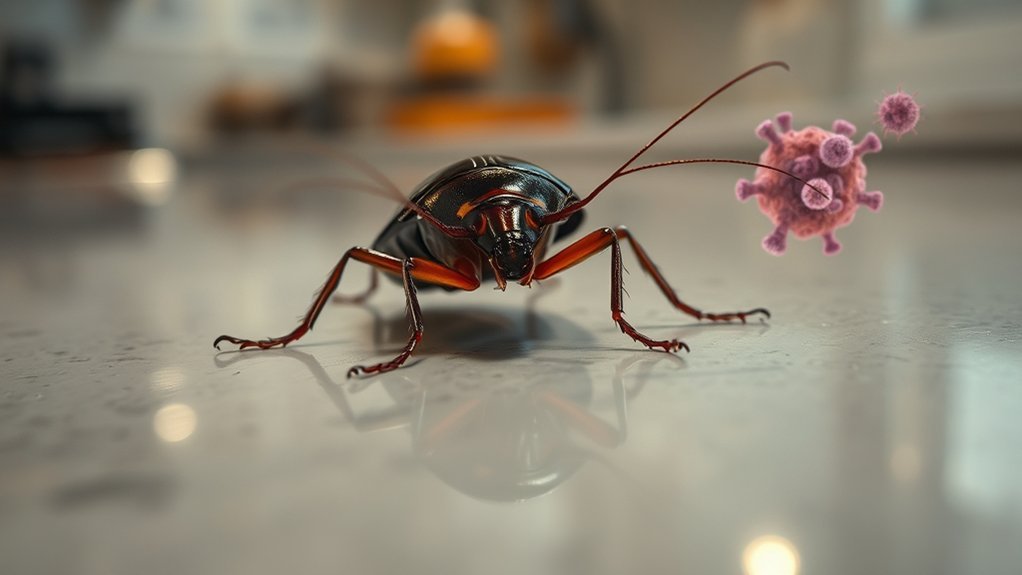
While germs get most of the attention, cockroach allergens pose a broader and more persistent indoor health threat. These allergens come from body parts, saliva, feces, shed skins, and decomposing roaches. They become airborne, settle into dust and fabrics, and you inhale them daily without realizing it.
Cockroach allergens hide in your dust, fabrics, and air — silently accumulating long before you ever spot a single roach.
The health consequences are significant:
- Asthma triggers — Cockroach allergens are one of the strongest asthma risk factors in urban populations, with 60–80% of inner-city asthmatic children sensitized to them.
- Widespread exposure — About 63% of U.S. homes contain cockroach allergens, rising to 78–98% in urban settings.
- Persistent contamination — Even after extermination, allergens remain in your home for months, continuing to cause reactions.
What makes this especially concerning is that you don’t need a visible infestation to be affected. The allergens are already there, quietly accumulating in your bedding, carpets, and furniture. In fact, one in five homes with no reported history of cockroach infestation still contain detectable levels of these allergens.
How to Reduce Cockroach Health Risks in Your Home
The good news is that you can considerably reduce cockroach health risks through a few consistent habits.
Start by eliminating what attracts them: wipe counters and stovetops after meals, store food in airtight containers, and never leave dirty dishes overnight. Keep trash in sealed bins and remove it regularly. Seal pet food and clear leftovers after feeding.
Cut off their water supply by fixing leaky pipes and faucets promptly, drying damp surfaces, and keeping indoor humidity between 30–50%.
Block their entry by caulking gaps around plumbing and electrical lines, sealing cracks in walls and floors, and replacing worn weatherstripping.
Reduce hiding spots by decluttering kitchens, bathrooms, and storage areas. Remove cardboard boxes and paper, and clean behind appliances regularly.
Finally, place sticky traps along walls to monitor activity. If infestations persist or spread, contact a pest control professional for targeted treatment. When professional treatment is needed, baits and boric acid are safer alternatives to pesticide sprays and fogs, which can pose their own health risks indoors.
Frequently Asked Questions
Can Cockroach Allergens Remain Dangerous After an Infestation Is Eliminated?
Yes, cockroach allergens can remain dangerous long after you’ve eliminated the infestation. They’ll linger in dust, carpets, and furniture for months, continuing to trigger asthma and allergies even when no live roaches are present.
Are Certain Cockroach Species More Likely to Spread Disease Than Others?
Yes, certain species do pose a higher disease risk. You’ll find German and American cockroaches are the worst offenders since they’re constantly moving between filthy environments and your food preparation areas.
Do Cockroaches Pose Greater Health Risks to Pets Than to Humans?
Cockroaches don’t pose greater risks to your pets than to you. You face chronic allergen and pathogen exposure, while your pets risk immediate poisoning if they eat roaches contaminated by insecticides or roach-control chemicals.
Can Cockroaches Spread Pathogens Through the Air Without Direct Contact?
Yes, cockroaches can expose you to airborne pathogens, but it’s indirect. When you disturb infested areas, you’re aerosolizing contaminated feces, shed skin, and debris—spreading allergens and bacteria without any direct cockroach contact.
How Quickly Can a Small Cockroach Problem Become a Serious Infestation?
Your small cockroach problem can turn serious within weeks. A single female can produce thousands of descendants in a year, and populations can double every 48 days, making early action essential.
Conclusion
Cockroaches can carry pathogens and trigger allergies, but they won’t automatically make you sick just by sharing your space. Your real concern should be ongoing infestations, especially if you or someone in your home has asthma or allergies. Keep your kitchen clean, seal entry points, and address moisture problems to reduce your risk. If you’re dealing with a serious infestation, don’t wait—get professional help before the problem grows.