
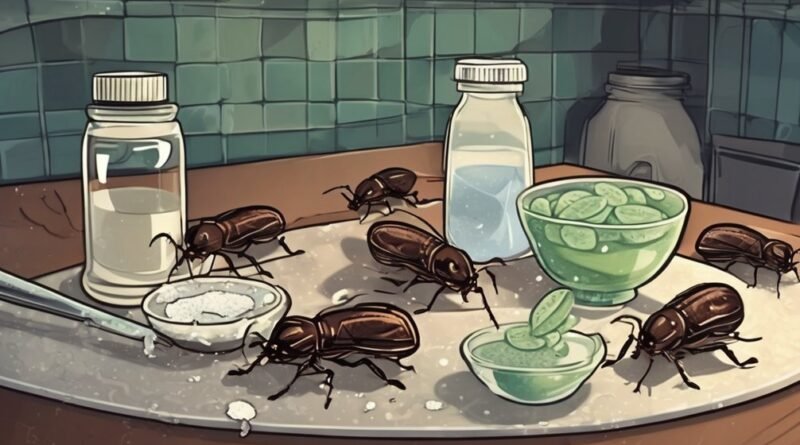
7 Best Natural Cockroach Extermination Methods That Work
Beat roaches naturally with a layered plan. Use 0.5–2% boric acid sugar baits in cracks and hotspots, and dust food‑grade diatomaceous earth in thin films. Spray peppermint, clove, tea tree, or oregano oils (2–10%) on baseboards and stash oil‑soaked cotton balls in tight spots. Apply neem oil per label; add neem cake at entries. Sanitize, seal gaps, and dry sinks nightly. Set sticky traps, vacuum eggs and adults, and track catches to refine placement. Next, you’ll see exactly how to apply each step.
Key Takeaways
- Use sugar-based boric acid baits (0.5–2%) and light dusting in cracks; reapply to catch hatchlings.
- Spray diluted neem oil and use neem cake to disrupt roach growth, feeding, and egg laying.
- Apply food-grade diatomaceous earth in thin layers along travel paths; reapply if disturbed or wet.
- Repel and kill with essential oils (oregano, clove, peppermint, tea tree) diluted 2–10%; rotate oils and refresh weekly.
- Combine strict sanitation, sealing entry points, sticky traps, and targeted vacuuming for immediate reduction and prevention.
Boric Acid Baits and Placement
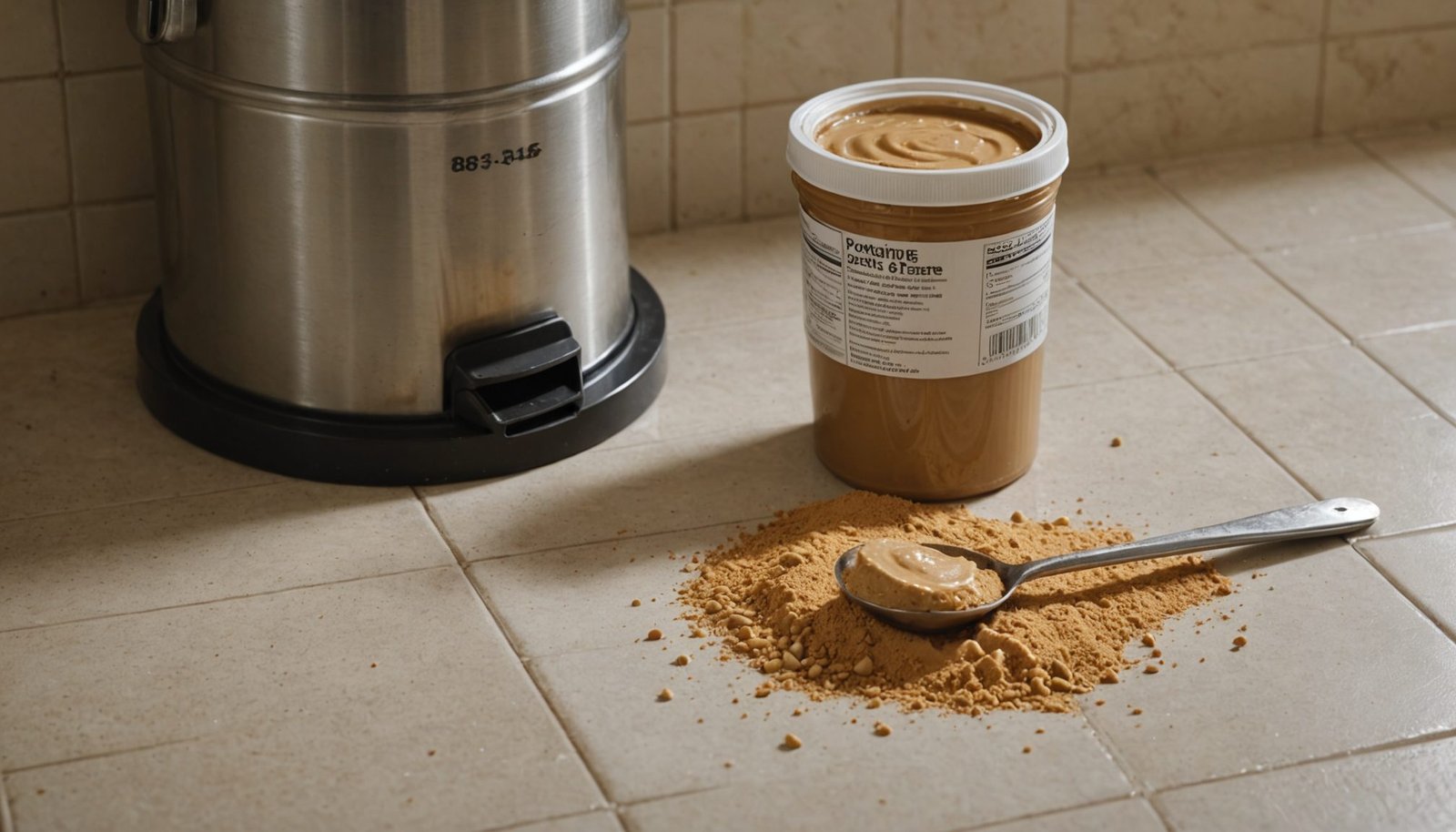
Although boric acid isn’t a magic bullet, it’s one of the most reliable “natural” tools for knocking down roach populations when you use it as a bait and place it correctly. As a non-repellent, it helps create exclusion zones because cockroaches don’t avoid treated areas.
Aim for sugar-based baits with 0.5–2% boric acid for fast declines; ≥1% can wipe out populations in a few days. For longer residual and fewer applications, choose 10% gel or granular baits over 5%.
Use 0.5–2% sugar baits for quick knockdowns; 10% gels last longer than 5% options.
Because boric acid works by ingestion, pair it with sugars, proteins, or oils—food attractants can boost acceptance by up to 97%.
Lightly dust cracks, crevices, and voids so particles stick to roaches and transfer to nests. Target hotspots: behind appliances, under sinks, around pipes, and wall voids.
Avoid heavy crusting, and follow up to catch new hatchlings.
Essential Oils for Repelling and Killing Roaches
Next, you’ll use essential oils—like oregano, clove, peppermint, and tea tree—to repel or kill roaches through strong odors, olfactory disruption, and, at higher concentrations, direct toxicity. You’ll spray targeted areas (cracks, baseboards, kitchen paths) with appropriate mixes, reapply every 5–7 days, and consider blends to boost results. You’ll also protect skin, watch for staining, and treat oils as part of an integrated plan since species and stages respond differently. For broader coverage and stronger repellent effects, consider using nebulizing diffusers to disperse undiluted essential oils effectively throughout problem areas.
Top Oils and Modes
When you want natural options that actually move roaches out, start with essential oils that repel—and in some cases kill—them.
Peppermint’s menthol overwhelms roach senses and smells clean; blend it with tea tree and rosemary for stronger pushback. Tea tree confuses their smell-based foraging and sanitizes surfaces. Rosemary pulls double duty: at higher concentrations (about 5%–30%) it acts as a natural pesticide with high mortality, and at lower levels it repels and disrupts pheromones. Essential oils are generally safer than harsh chemicals, but remember they may not fully eliminate an infestation, with professional control often achieving higher success rates.
Lavender, citronella, eucalyptus, neem, thyme, spearmint, oregano, geranium, wintergreen, pine, and fennel add repellent depth and scent balance.
- Dilute 10–15 drops in water or water–vinegar for sprays
- Soak cotton balls for entry points
- Combine oils for synergy
- Add to cleaners for residual deterrence
- Use diffusers to saturate rooms
Application Tips and Safety
If you want oils to actually work against roaches, apply them with intention and keep safety front and center.
Dilute to 2–10% in water, then spray baseboards, corners, cabinetry edges, under appliances, and entry points. Wipe surfaces first to remove crumbs and moisture, then spray to disrupt pathways. Reapply every 5–7 days; most oils fade within a week. Because they are non-toxic, essential oils are safer for homes with kids and pets compared to synthetic pesticides.
Place oil‑soaked cotton balls in tight spots for slow release without wet mess. Work at night or early morning when roaches roam. Rotate oils—clove or oregano often last longer than mint. Use multiple methods: sprays plus cotton balls and sealing cracks.
Ventilate during use. Avoid eyes and mucous membranes; wear gloves for direct handling. Patch‑test surfaces for staining. Store oils labeled, sealed, and away from heat and light.
Diatomaceous Earth for Long-Lasting Control
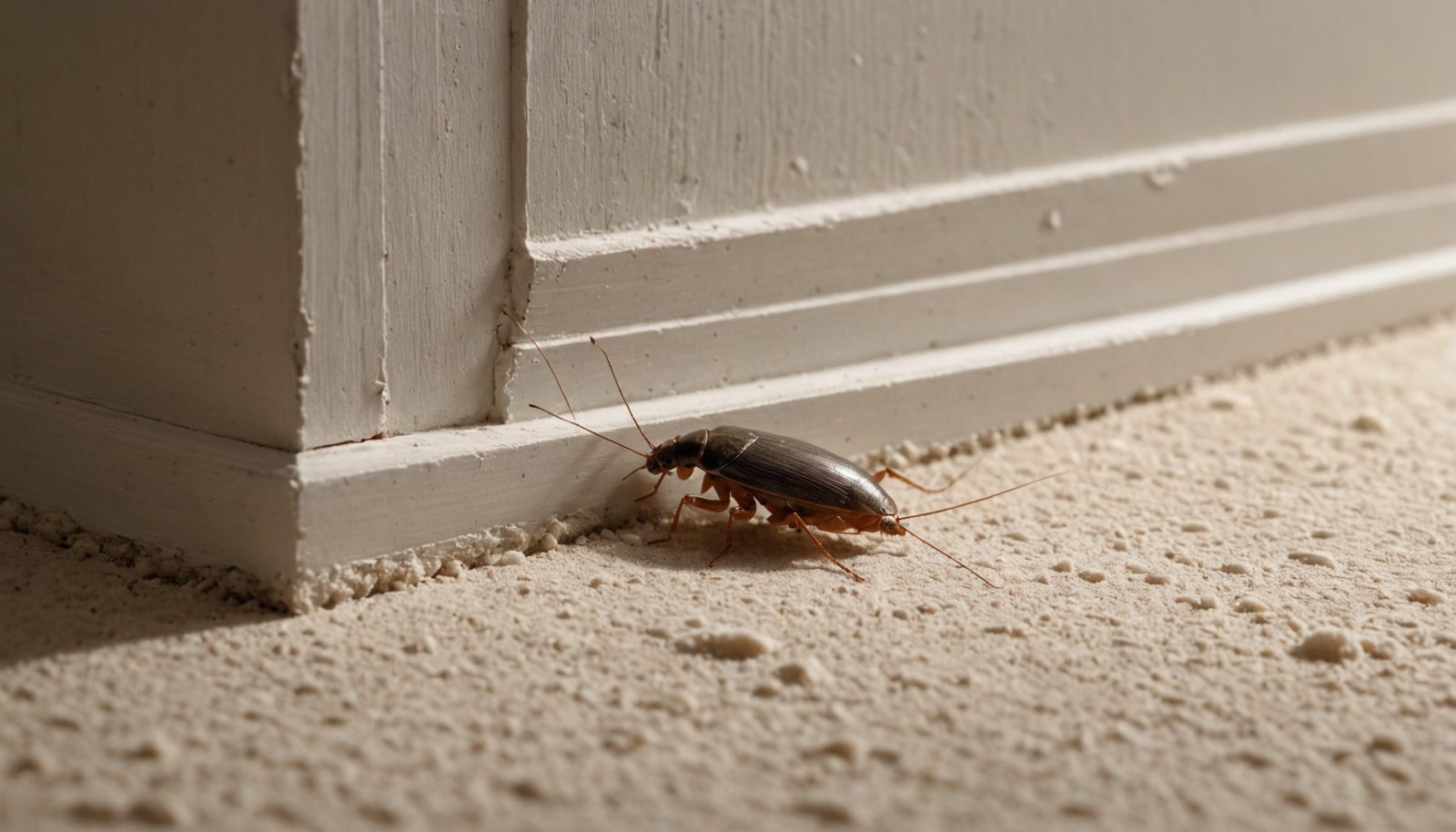
Although it looks like simple dust, food‑grade diatomaceous earth (DE) delivers long‑lasting cockroach control by physically destroying pests rather than poisoning them. Fossilized diatoms form a fine abrasive that slices exoskeletons. Those cuts strip the waxy lipid layer cockroaches need for waterproofing. DE then absorbs moisture through the compromised shell, dehydrating adults and nymphs, including German cockroaches. Because it works mechanically, resistance doesn’t develop, and the residue keeps killing until it’s removed or gets wet. For severe infestations, professional pest control may be necessary to fully eliminate entrenched populations.
Apply a thin, even layer where roaches travel—cracks, crevices, baseboards, and behind appliances. Reapply if cleaning or settling thins coverage. Use only food‑grade DE and avoid inhaling dust.
- Targets multiple life stages
- Persists dry for extended control
- Complements other natural methods
- Affordable for DIY use
- Requires direct contact for results
Sanitation and Exclusion to Cut Off Food and Entry
You can starve roaches out by removing food sources—clean crumbs and grease, store all food in airtight containers, and empty sealed trash often.
Fix leaks and dry sinks nightly to cut off water.
Then seal entry points with caulk, door sweeps, and screens so new roaches can’t get in.
Remove Food Sources
Because roaches survive on scraps and moisture, cutting off food and water is your quickest win. Store pantry goods and pet food in airtight containers. Wash dishes immediately—don’t leave them overnight. Wipe counters, handles, and appliance sides with a vinegar–water mix to strip residues and grease.
Empty indoor trash often, bag it tightly, and move it to outdoor bins with tight-fitting lids. Vacuum crumbs from cracks, under appliances, and along baseboards. Fix leaks fast, run a dehumidifier in humid spots, and dry sinks and pet bowls nightly.
- Keep clutter low; roaches hide and feed in paper, boxes, and debris.
- Degrease stove hoods, backsplashes, and cabinet bottoms.
- Clean up spills immediately.
- Maintain clean areas around outdoor bins and dumpsters.
- Address damp crawl spaces to reduce moisture.
Seal Entry Points
Once food and moisture are under control, cut off roach access by sealing the ways they get inside. Inspect foundations, walls, and frames for hairline cracks—roaches flatten to slip through. Caulk gaps around windows, doors, and baseboards with silicone.
Add or replace weatherstripping and install tight door sweeps or thresholds to close under-door spaces. Check exterior doors, including garage entries.
Seal openings around cables, plumbing, gas, and electrical lines with appropriate, non-damaging materials. Repair or replace torn window screens. Cover or screen vents and verify drain traps stay filled and functional. Quarantine used furniture and appliances; inspect thoroughly before bringing them indoors.
Outside, keep mulch 6 inches from the foundation, trim vegetation off walls, remove debris and stacked firewood, and repair new cracks promptly.
Sealing reduces allergens, pests, and chemicals.
Trapping and Vacuuming for Immediate Reduction
Start fast by pairing well-placed traps with targeted vacuuming to knock cockroach numbers down immediately.
Position traps in hotspots—behind refrigerators, under sinks, and dark, humid corners—where warmth, moisture, and food cues attract activity. Sticky or glue traps remove large numbers without toxins, and their catch counts reveal infestation severity so you can refine placement.
Place sticky traps in warm, moist hotspots; catches reveal severity and guide smarter repositioning.
Vacuum roaches and egg cases from cracks and clutter using a strong handheld; repeat after reviewing trap data. Empty the canister outside right away. Keep traps out of reach of kids and pets, and adjust locations weekly for sustained reduction.
- Map hotspots, then deploy traps to sample and capture.
- Use sticky boards as your non-chemical workhorse.
- Vacuum nightly sweeps in cluttered zones.
- Log catches to guide repositioning.
- Dispose of vacuum contents outdoors promptly.
Neem Oil and Botanical Repellents
After you’ve thinned numbers with traps and the vacuum, shift to neem-based repellents to suppress what’s left and block rebounds.
Neem oil comes from Azadirachta indica seeds and carries azadirachtin, which disrupts growth, feeding, and egg laying in German, oriental, and other roaches. It works more as an antifeedant and developmental inhibitor than a fast kill, steadily driving numbers down.
Dilute neem oil per label directions and spray cracks, crevices, baseboards, and under appliances. Reapply at recommended intervals, especially in humid, warm conditions.
Neem cake—ground seed, bark, and leaf—releases compounds gradually; spread it thinly where roaches travel or work it into composted soil near entry points.
Expect nymph mortality, stunted development, and reduced reproduction over weeks. It’s biodegradable, low-toxicity, pollinator-safe, and can also deter rodents.
Integrated Application Tips for Best Results
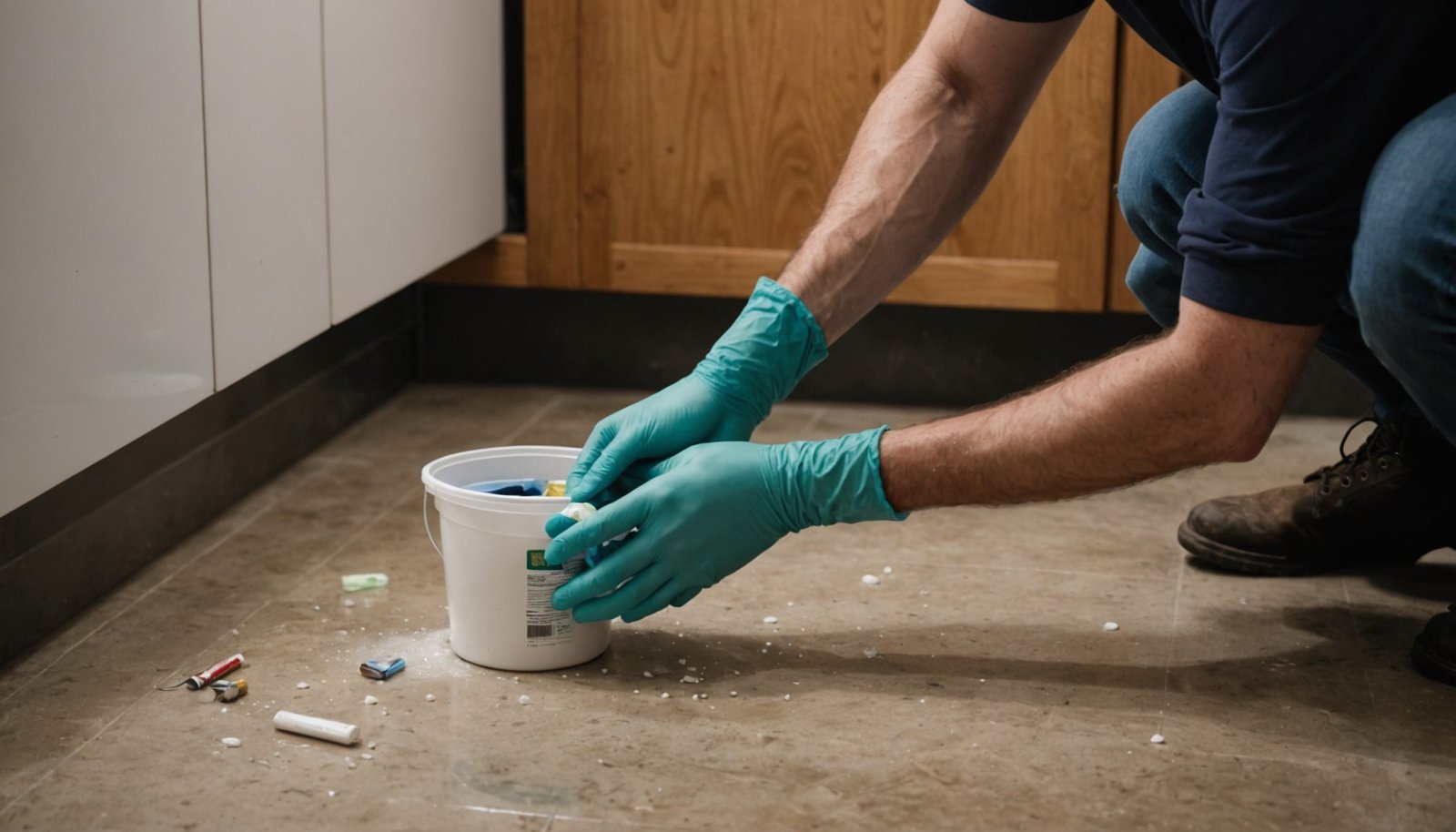
Even with natural products like neem in play, you’ll get faster, steadier gains by integrating monitoring, sanitation, physical removal, and targeted baits into one routine.
Set sticky traps under sinks and behind appliances, then log captures and species so you can refine placement. Inspect at night for droppings, egg cases, and shed skins to pinpoint harborages.
Tighten sanitation: seal food, empty tight-lidded bins, fix leaks, and wipe grease daily. Vacuum live roaches and eggs, then dust cracks with light boric acid or food‑grade DE, avoiding airborne dust.
Deploy gel baits and IGRs in hidden spots; skip sprays near baits. Recheck traps weekly and scale up only if needed—or call pros.
- Monitor methodically
- Sanitize relentlessly
- Block and seal
- Bait smartly
- Verify, then adjust
Conclusion
You’ve got effective, safer options to knock back roaches and keep them out. Bait with boric acid, dust diatomaceous earth, and use essential or neem oils where activity’s high. Seal cracks, starve them with strict sanitation, and trap or vacuum to cut numbers fast. Rotate methods, refresh treatments, and monitor with sticky traps. Stay consistent for several weeks. If infestations persist or spread, call a licensed pro. You’ll protect your home and reduce chemical exposure while winning the fight.
