
Cockroach Bites vs Spider Bites: Key Differences to Check
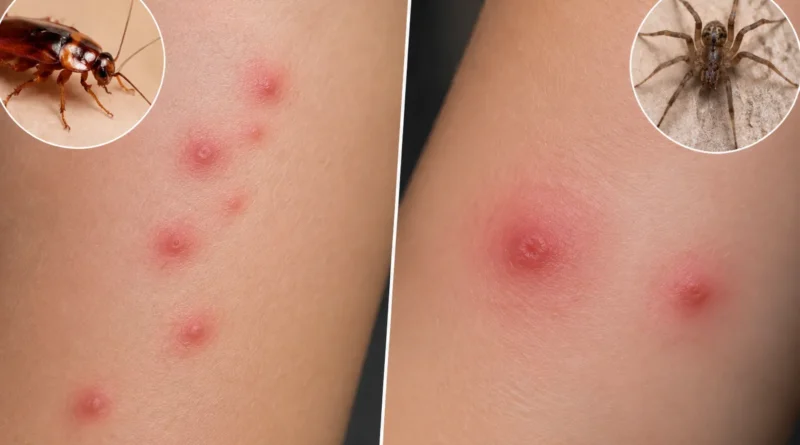
Cockroach bites and spider bites can look surprisingly similar at first, but they differ in important ways. Spider bites often show two small puncture marks close together, develop a blister or necrotic center in serious cases, and come with systemic symptoms like muscle cramps or fever depending on the species. Cockroach bites are single raised welts without puncture marks, appear on food-scented skin areas like the hands and face, and rarely cause anything beyond localized swelling and itching. Knowing which insect was responsible changes how you treat the wound and how urgently you act.
Why This Comparison Matters More Than Most
Of all the pest bite comparisons worth making, spider versus cockroach is one where getting it wrong has real consequences. Most insect bites are a nuisance. A bite from a black widow or brown recluse spider is a medical event. At the same time, many people who believe they have been bitten by a dangerous spider are actually dealing with a much less serious wound from another insect. Understanding the visual and contextual differences between these two bites helps you respond with the right level of urgency and avoid either underreacting to a serious spider bite or overreacting to a harmless cockroach bite.
What a Cockroach Bite Looks Like
Cockroach bites are uncommon and occur mainly in homes with heavy infestations where food sources have become scarce. A sleeping person with food residue on their skin becomes an accidental target. The full context of when this happens and how likely it is in different environments is covered in the guide on whether cockroaches actually bite humans.
The physical characteristics of a cockroach bite are fairly consistent:
- Single, isolated raised welt with no puncture mark visible at the center
- Typically 1 to 4 mm wide, firm and slightly hardened to the touch
- Red with mild to moderate swelling in surrounding tissue
- Produces a burning sensation initially, with itching developing gradually
- Does not blister, form a dark necrotic center, or produce systemic symptoms
- Heals slowly over five to ten days without special intervention
Because cockroaches bite with chewing mandibles rather than a venom-injecting fang, there is no venom involved in a cockroach bite. The wound is mechanical, caused by physical chewing pressure on the skin. This is why cockroach bites stay localized and never escalate into the tissue damage seen with certain spider bites. For a complete breakdown of what symptoms to expect and how to handle the wound, the article on cockroach bite symptoms and treatment walks through each stage of the healing process.
What a Spider Bite Looks Like
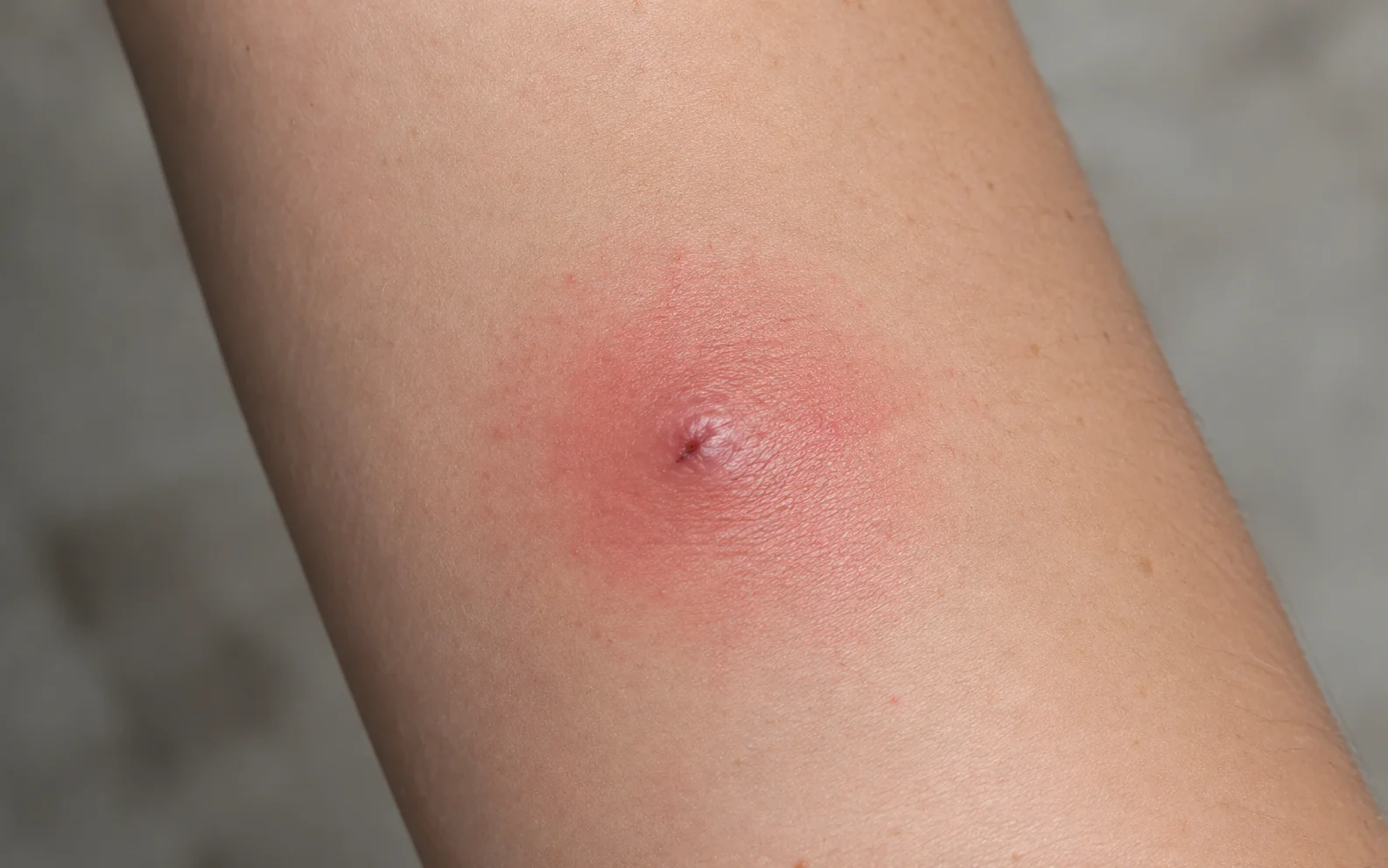
Spider bites vary enormously depending on the species. The vast majority of spider bites from common household spiders produce only mild redness and a small itchy bump that resolves within a day or two, similar to a mosquito bite. The bites that generate genuine medical concern come from a small number of venomous species, primarily the black widow and the brown recluse in North America.
General characteristics of spider bites across common species include:
- Two small puncture marks close together, visible on careful inspection in some cases
- Immediate or rapidly developing pain, often more intense than a cockroach bite
- Redness and swelling around the bite site
- Mild bites resolve within one to two days with no further progression
Brown recluse bites have a more serious and distinctive progression:
- Initially painless or mildly painful, often not noticed right away
- A pale center surrounded by red and blue-purple rings develops within hours, described as a bullseye pattern
- A blister forms at the center that may rupture and leave an open ulcer
- Tissue necrosis can develop over days to weeks in serious cases, leaving a sunken wound
- Systemic symptoms including fever, chills, nausea, and fatigue can follow
Black widow bites follow a different pattern:
- Immediate sharp pain at the bite, sometimes described as feeling like a pinprick
- Two small fang marks may be visible
- Muscle cramps and spasms beginning within 30 to 60 minutes, often spreading from the bite site
- Abdominal rigidity, sweating, elevated blood pressure, and nausea
- Systemic symptoms are the primary concern rather than local wound appearance
Where on the Body Each Bite Appears
Location on the body provides important context for identification. Spider bites and cockroach bites happen for entirely different reasons, and those reasons shape where marks appear.
Spider bites are typically defensive. Spiders bite when they are accidentally pressed against skin, such as when a person puts on clothing or shoes containing a spider, rolls onto one while sleeping, or reaches into a dark space where a spider is resting. This means spider bites can appear virtually anywhere on the body, with hands, arms, feet, and torso being common because of contact with clothing, shoes, and bedding.
Cockroach bites are driven by the scent of food residue on skin. Understanding the nocturnal habits and hiding behavior of cockroaches makes it clear why this kind of incidental contact happens at night near sleeping areas. Cockroach bites concentrate on specific locations:
- Hands and fingers, where food handling residue lingers after cooking or eating
- Lips and the area around the mouth
- Eyelids and facial skin where oils and organic scents collect
- Bare feet and ankles when walking through infested areas
If a bite appears on your torso, back, or shoulder and you were nowhere near known cockroach activity, a spider pressed against clothing or bedding is a more plausible explanation than a cockroach bite.
Pain Profile and How Each Bite Feels
The sensation at the time of the bite and in the hours following it differs considerably between spiders and cockroaches, and this distinction is one of the fastest ways to narrow down the source.
Black widow bites are immediately painful and sharp. The pain intensifies over the first hour and spreads as muscle cramps develop. There is no ambiguity when a black widow has bitten you in most cases. Brown recluse bites, by contrast, are often not felt at all or produce only mild stinging initially. The wound then progresses silently over the following hours, which is what makes brown recluse bites medically dangerous.
Cockroach bites are typically not felt at the moment of contact. Most people discover the bite mark after waking up with no memory of being bitten during the night. The delayed discovery, combined with the location on food-scented skin, is one of the defining patterns of a cockroach bite. If you were aware of being bitten and it caused immediate sharp pain, a cockroach is an unlikely explanation.
Systemic Symptoms and When to Seek Medical Help
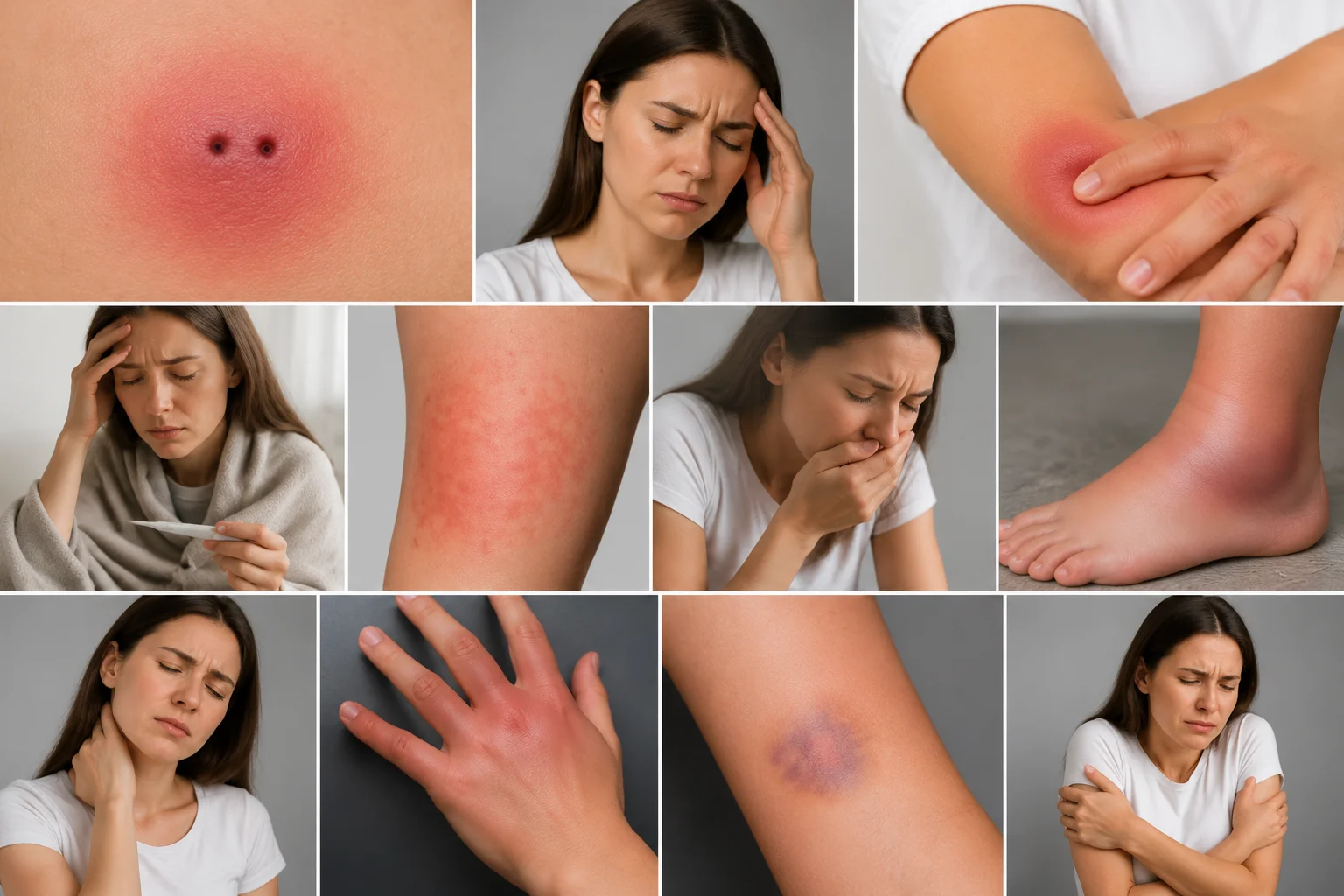
This is where spider bites and cockroach bites diverge most significantly in terms of medical urgency. Cockroach bites are a localized wound with no venom component. They do not cause systemic symptoms such as fever, nausea, muscle cramps, or spreading tissue damage. The wound stays at the bite site and heals on its own with basic care. The detailed guide on cockroach bite marks and how to treat them outlines what a normal healing progression looks like and when infection, not venom, might be the concern.
Spider bites from medically significant species require prompt evaluation. You should seek immediate medical attention if any of the following develop after a suspected spider bite:
- Muscle cramps, spasms, or rigidity spreading from the bite site
- Abdominal pain, sweating, nausea, or fever within one to two hours
- A bite wound that develops a dark or purple center, blister, or open ulcer
- Difficulty breathing, dizziness, or signs of an allergic reaction
- Spreading redness or a wound that appears to be worsening rather than improving after 48 hours
People with cockroach allergies may experience a stronger local reaction to a cockroach bite than average, but systemic symptoms from the bite itself are not part of the picture. The broader topic of cockroach allergen exposure and its effects is primarily driven by airborne particles from droppings and shed skin rather than from bites directly.
Health Risks Each Pest Brings Into Your Home
Beyond the bite itself, both spiders and cockroaches carry health implications that are worth understanding in the context of your home environment. For spiders, the risk is concentrated in the bite event itself. Venomous species pose a direct danger when contact occurs, but they do not contaminate food, spread airborne allergens, or cause respiratory problems simply by living in your home.
Cockroaches present a different and more pervasive health risk. Even without biting anyone, a cockroach infestation actively harms indoor health through multiple pathways. The documented link between cockroaches carrying Salmonella and other diseases reflects contamination of food and surfaces through physical contact. Their droppings, shed exoskeletons, and saliva release allergen proteins into the air that trigger asthma and allergy symptoms. The well-researched connection between cockroaches and asthma in children is one of the most cited examples of how indoor pest presence translates directly into chronic health problems for household members.
Additional ongoing health concerns from a cockroach infestation include:
- Contamination of kitchen surfaces, utensils, and stored food through nightly movement
- Worsening of respiratory conditions through sustained allergen exposure in the indoor air
- Increased risk of gastrointestinal illness from contact with food preparation areas
- Sleep disruption and psychological stress from living with an active infestation
Reading the Environment Around the Bite
The conditions in and around your home at the time of the bite provide context that the wound itself cannot. Before deciding which pest was responsible, it is worth examining your immediate environment carefully.
Signs that suggest spider activity:
- Visible webs in corners, behind furniture, in closets, or in garage and storage areas
- Dark, undisturbed spaces that have not been cleaned recently, which spiders prefer
- Recent contact with clothing, shoes, or garden gloves that were stored without use for some time
- Geographic location in a region where brown recluse or black widow spiders are common
Signs that suggest a cockroach infestation and make a cockroach bite more plausible:
- Dark, pepper-like droppings near baseboards, under appliances, or inside cabinets. The visual reference guide on what cockroach droppings look like helps with on-the-spot identification
- A persistent musty or oily odor in kitchens, bathrooms, or utility spaces
- Shed exoskeletons or egg cases in dark, warm corners
- Live cockroaches spotted after dark near food or sleeping areas
- Known infestation in nearby units if you live in an apartment building
Running through a structured self-inspection before calling a pest control professional helps you describe the problem accurately and get the right response. The DIY cockroach inspection checklist is a practical walkthrough tool for assessing how widespread cockroach activity is in your home.
What to Do Once You Have Identified the Pest
If your assessment points toward a spider bite, the priority is monitoring the wound closely for the signs listed above. Most spider bites from non-venomous species require nothing beyond basic wound care. If you have any reason to suspect a black widow or brown recluse, go to an emergency room rather than waiting to see how it develops. Describe the spider if you saw it, note when the bite occurred, and bring a photograph of the wound if possible.
If the evidence points toward cockroaches, the bite itself is the least urgent part of the problem. The infestation driving that bite is the real issue and it needs to be addressed systematically. Cockroaches reproduce fast enough that a delayed response typically means a worse infestation to deal with later. The comparison of DIY versus professional cockroach extermination helps you decide the right scale of response. For immediate, product-based action, the guide on the best baits, gels, and traps for cockroach control identifies which methods are most effective and how to deploy them correctly.
Long-term protection against cockroaches requires eliminating the conditions that attracted them in the first place. Knowing what draws cockroaches into homes helps you address root causes rather than just treating the active infestation.
Side-by-Side Comparison Summary
When you need to compare both bites quickly, these are the features that reliably distinguish one from the other.
- Puncture marks: Spider bites may show two fang entry points. Cockroach bites leave no puncture marks.
- Wound progression: Serious spider bites blister, ulcerate, or show tissue discoloration. Cockroach bites remain as simple raised welts.
- Systemic symptoms: Venomous spider bites cause muscle cramps, fever, and nausea. Cockroach bites cause no systemic symptoms.
- Pain onset: Black widow bites cause immediate intense pain. Brown recluse and cockroach bites are often not felt at the time.
- Body location: Spider bites appear anywhere depending on clothing and contact. Cockroach bites concentrate on food-scented areas like hands and face.
- Venom involvement: Spider bites from venomous species involve injected venom. Cockroach bites are purely mechanical with no venom.
- Healing time: Minor spider bites resolve in one to two days. Cockroach bites persist for five to ten days.
- Medical urgency: Venomous spider bites may require emergency treatment. Cockroach bites require basic wound care only.
Frequently Asked Questions
How do I know if it is a spider bite or a cockroach bite without seeing the insect?
Look at three things together: the wound itself, where it appears on your body, and what other signs are present in your environment. A single bite near your mouth or hand, combined with cockroach droppings or odor elsewhere in your home, points toward a cockroach. A bite on your torso or arm with two faint puncture marks, near an area with spider webs or undisturbed storage, points toward a spider. If the wound is developing a dark center, blistering, or you are developing muscle cramps, treat it as a spider bite and seek medical evaluation promptly.
Can a cockroach bite look like a brown recluse bite?
In the very early stages, both may present as a red raised mark. However, they diverge quickly after the first few hours. A brown recluse bite develops a characteristic pale center surrounded by inflamed rings, followed by a blister and potential tissue breakdown. A cockroach bite stays as a simple raised welt without any of this progression. If a wound is changing appearance rapidly, developing color changes at the center, or forming a blister within 24 hours, a cockroach is not the likely cause.
Are cockroaches and spiders ever found in the same areas of a home?
Yes, both pests can share overlapping zones, particularly in kitchens, basements, garages, and areas with clutter or infrequent cleaning. Spiders are actually natural predators of cockroaches and may be present in higher numbers in homes with cockroach activity because of the food source. This means finding both pests in the same space is not unusual, which is one reason their bites can be confused when someone discovers an unexplained mark without having seen either insect directly.
Do cockroach bites require a doctor visit?
Most cockroach bites can be managed at home with soap and water, antiseptic, and topical antihistamine or hydrocortisone cream. A doctor visit is warranted if the bite shows signs of infection such as increasing redness, heat, swelling, pus, or if you develop a fever. People with known cockroach protein allergies should be attentive to any unusual skin reactions beyond the normal healing pattern. The specifics of when to be concerned versus when basic care is enough are outlined in the guide to cockroach bite symptoms and appropriate treatment.
What is the biggest risk of a cockroach bite compared to a spider bite?
The biggest direct medical risk of a spider bite from a venomous species is systemic venom toxicity, which can cause organ stress, severe muscle pain, and in rare cases life-threatening complications. The biggest risk of a cockroach bite is secondary infection from scratching, since the wound is mechanical rather than venomous. However, the broader risk of a cockroach infestation on your household health, through allergens, food contamination, and respiratory impact, is arguably more significant than the bite itself. The full picture of what makes cockroaches genuinely dangerous in a home goes well beyond whether they bite.
If I find a cockroach bite on my skin, does that mean I have a serious infestation?
Yes, it strongly suggests the infestation has reached a level where cockroaches are under food pressure and venturing into areas of the home they would not normally enter. Biting sleeping humans is not typical cockroach behavior and only emerges when populations are large and resources are limited. This warrants a thorough inspection and prompt treatment response. Identifying where cockroaches are hiding and how widely they have spread is the starting point, and the guide on where cockroaches hide in the house helps you locate activity zones that may not be immediately obvious.
