
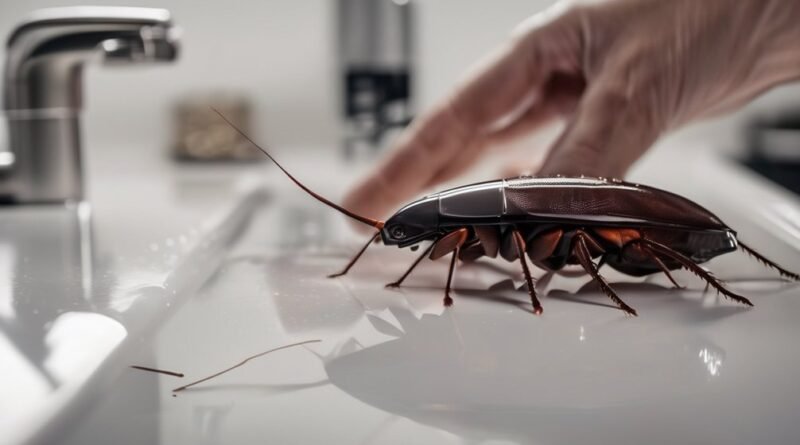
Cockroach Treatment & Control – DIY & Professional Solutions
Identify a cockroach infestation by coffee-ground droppings, light-brown egg cases, translucent shed skins, and a persistent musty odor in cabinets and walls. 73.4% of households report seeing cockroaches at least once per year — making cockroach treatment and control one of the most common pest challenges homeowners face. This guide covers every step: identifying the infestation, understanding which species you’re dealing with, the health risks cockroaches create for children and adults, natural and chemical control methods, DIY step-by-step plans, and exactly when to call a professional extermination service. Start with Integrated Pest Management: tighten sanitation, seal entry points, fix leaks, set sticky monitors, and target hotspots with gel baits and IGRs — then track, adjust, and prevent reinfestation for lasting results.
Key Takeaways
- Inspect kitchens, bathrooms, and utility areas; use sticky monitors to map hotspots and gauge infestation severity before selecting treatment methods.
- Prioritize sanitation: remove food and water sources, declutter harborage areas, and seal all entry gaps with caulk and door sweeps.
- Deploy gel baits near appliances and cabinets; rotate bait formulations and track consumption regularly to prevent resistance development.
- Integrate Insect Growth Regulators (IGRs) and dusts including boric acid and food-grade diatomaceous earth in cracks, voids, and harborage zones.
- 41.7% of cockroach infestations are linked to improper food storage — fixing food storage alone prevents nearly half of new infestations.
- Regular sanitation combined with targeted treatment lowers re-infestation rates to below 12.9% — sustained prevention is more effective than repeated reactive treatment.
Identifying Cockroach Infestations: Signs and Evidence
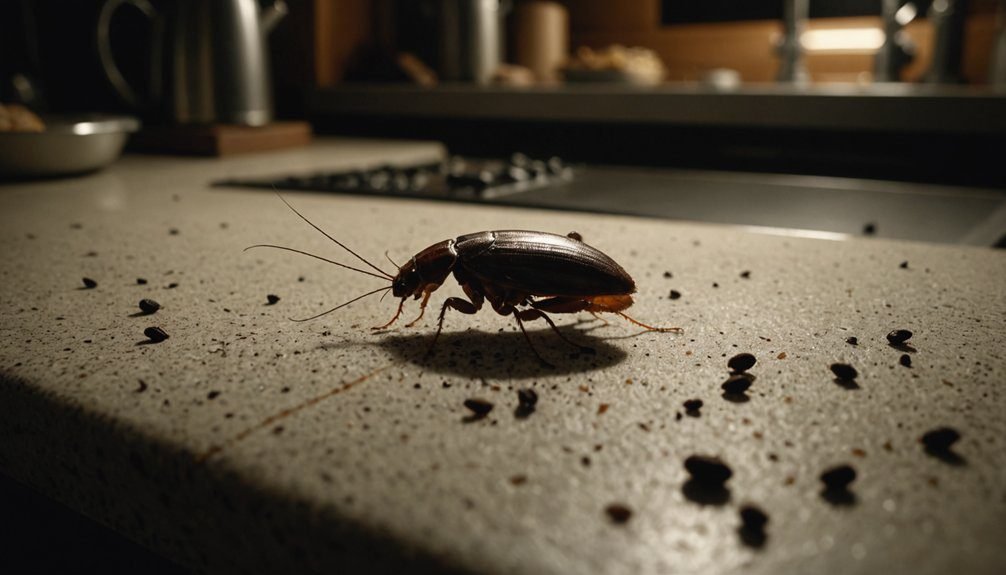
Four telltale clues confirm a cockroach infestation fast: dark droppings resembling coffee grounds or ridged pellets, light-brown egg casings tucked near food or warm damp spots, translucent molted skins in hidden areas, and a persistent musty oily odor that lingers in cabinets and walls. Identifying these signs early is critical — cockroaches reproduce rapidly and a small infestation can become hundreds of insects within weeks.
Cockroach Droppings: What They Look Like and Where to Find Them
Cockroach droppings appear in dark, moist zones — under appliances, inside cabinets, behind the refrigerator, and along baseboards. Small species like German cockroaches leave pepper-like black specks measuring 1 to 2 millimeters; larger species including American cockroaches leave cylindrical ridged pellets. More droppings generally indicate a larger, longer-established infestation. Droppings spread bacteria including Salmonella and E. coli, and proteins in the feces trigger allergic reactions and asthma attacks in sensitized individuals. Fresh droppings are dark and moist-looking; older droppings lighten in color and dry out over time.
Egg Cases, Shed Skins, and Odor
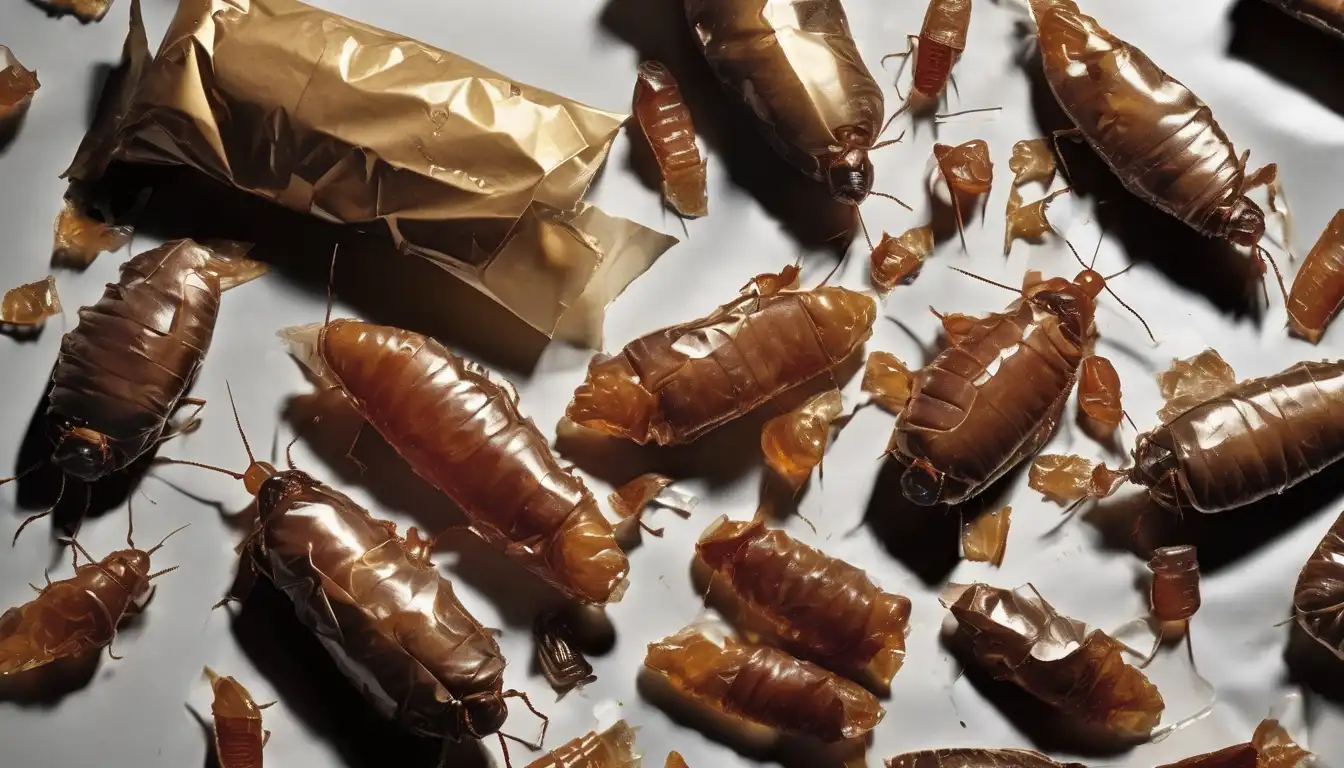
Look for light-brown oval egg cases (oothecae) near food storage areas, leaky pipes, and warm sheltered spots. Each ootheca holds 20 to 50 eggs depending on species — German cockroach females carry their case until just before hatching, while American cockroaches deposit cases in concealed locations. Discarded cases confirm active breeding and population growth. Translucent shed skins clustered near nests indicate ongoing nymph development — each cockroach molts 5 to 7 times before reaching adulthood. A persistent damp, musky chemical odor intensifying over time points to a large, established population with multiple nesting sites throughout your property.
Daytime Sightings, Smear Marks, and Damage
Daytime sightings of live cockroaches signal a severe, overcrowded infestation — roaches are nocturnal and only emerge in daylight when harborage zones are full. Dark greasy smear marks along baseboards, walls, and cabinet edges form from body oils deposited along regular travel routes. Chew marks on food packaging, cardboard boxes, and paper materials indicate cockroach feeding and nesting activity. Cockroaches also damage furniture, books, and fabric materials they consume for starchy adhesives and sizing. Rapid increases in any of these signs confirm a growing infestation that requires immediate treatment.
Common Types of Cockroaches in Homes and Buildings
Accurate species identification is the foundation of effective cockroach control — different species require different treatment approaches, different bait placements, and different inspection priorities. Using the wrong treatment method for the species present wastes money and allows the infestation to grow. Learn to identify cockroach species before selecting any control method.
German Cockroach: The Hardest to Control
The German cockroach is the most common and most problematic indoor cockroach species in the United States. It is tan to light brown with two dark parallel stripes behind the head, measures approximately 0.5 inches, and breeds faster than any other indoor species — completing its lifecycle in as little as 60 days with a single female producing up to 400 offspring in her lifetime. German cockroaches breed exclusively indoors, concentrate in warm humid kitchen and bathroom environments near food and water, and show resistance to many commonly available consumer pesticides. Gel baits and Insect Growth Regulators are the most effective treatment tools for German cockroach infestations. German cockroach infestations in apartments spread rapidly through shared walls and plumbing.
American Cockroach: The Large Invader
American cockroaches are reddish-brown, 1.5 to 2 inches long, with a distinctive yellowish figure-eight marking behind the head. They enter homes and buildings through floor drains, sewer connections, pipe penetrations, and foundation gaps — traveling from sewers and utility spaces into basements, kitchens, and living areas. American cockroaches prefer warm, damp environments near plumbing and are common in basements, utility rooms, and commercial kitchens. Their larger size and sewer-connected entry routes mean structural exclusion — sealing floor drains, pipe penetrations, and foundation gaps — is a critical component of treatment alongside chemical controls.
Oriental and Brown-Banded Cockroaches
Oriental cockroaches are glossy dark brown to black, about 1 to 1.25 inches long, with no functional wings. They favor cool, damp environments including floor drains, damp basements, and utility spaces — earning the common name “water bug.” Brown-banded cockroaches are smaller at about 0.5 inches, dark brown with two pale bands across the body, and prefer drier elevated spots including upper cabinets, walls, and furniture — making them harder to find and treat than moisture-loving species. Brown-banded cockroaches often deposit egg cases on walls, ceilings, and the undersides of furniture rather than in damp areas, requiring inspection of locations that other species would never occupy.
Health Risks Associated with Cockroaches
Cockroaches are not merely a nuisance pest — they are confirmed disease vectors and allergen sources that create measurable health risks for children, adults, and pets in infested properties. Understanding the health risks cockroaches create motivates faster, more thorough treatment and helps homeowners prioritize spending on professional extermination services when DIY approaches are insufficient.
Disease Transmission and Food Contamination
Cockroaches carry more than 45 pathogens on their bodies and in their droppings, including Salmonella, E. coli, Listeria, Staphylococcus, and various parasitic organisms. They pick up these pathogens by crawling through sewage, garbage, and decomposing organic matter, then transfer them directly onto food preparation surfaces, stored food, dishes, and utensils. Cockroach contamination of food and surfaces is a primary driver of gastrointestinal illness, food poisoning, and dysentery outbreaks in households and food service facilities. A single cockroach moving across a cutting board or through a pantry can contaminate multiple food items before any visible sign of infestation is detected.
Allergens and Asthma Triggers for Children and Adults
Cockroach allergens — proteins found in droppings, shed skins, saliva, and decomposing bodies — accumulate in homes and trigger allergic sensitization and asthma attacks. Children in urban homes are particularly vulnerable: exposure to cockroach allergens increases asthma attack frequency and severity, drives emergency room visits and hospitalizations, and causes measurable damage to developing lung function. Early-life cockroach allergen exposure heightens long-term asthma risk through gene-environment interactions that increase sensitivity over time. Reducing cockroach allergen exposure through IPM, HEPA filtration, regular cleaning, and moisture control is a recommended medical intervention for children with cockroach-triggered asthma. Learn more about cockroaches and asthma in children.
Risks to Pets, Electronics, and Property
Pets that ingest cockroaches or contaminated food face disease transmission risks and allergen exposure. Cockroach pest control chemicals — particularly broad-spectrum insecticide sprays — are highly toxic to aquarium fish and disrupt water chemistry when applied near tanks. Cockroaches entering electronics and appliances are attracted by warmth, darkness, and food residue inside devices, where they nest, breed, and chew wiring — creating malfunction risks and in extreme cases fire hazards. Property damage from cockroach infestations includes chewed food packaging, damaged fabric and paper materials, stained walls and cabinetry from smear marks and droppings, and the structural deterioration of building materials in moisture-compromised areas where large infestations concentrate.
Integrated Pest Management (IPM) Basics
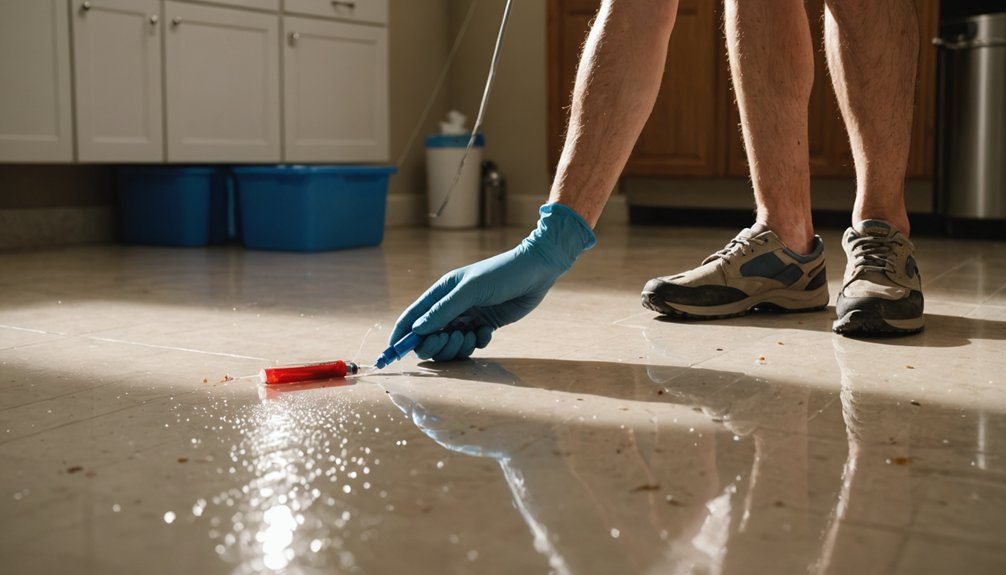
Integrated Pest Management tackles cockroaches by fixing the conditions that allow them to thrive before reaching for pesticides. IPM combines inspection, sanitation, structural exclusion, targeted baiting, and ongoing monitoring into a systematic program that addresses the infestation at its source rather than just suppressing visible populations. Professional cockroach treatments using IPM principles reduce infestations by approximately 92.6% after the first application — significantly better outcomes than reactive spray treatments alone.
| IPM Step | Purpose | Outcome |
|---|---|---|
| Inspect and Monitor | Find harborage sources, track population trends | Data-driven treatment decisions |
| Sanitation and Exclusion | Remove food, water, and shelter; seal entry points | Eliminates conditions supporting infestation |
| Targeted Gel Baits | Colony-level kill at harborage sites | 88.3% effectiveness within four weeks |
| IGR Application | Disrupt reproduction and nymph development | Breaks breeding cycle, reduces future generations |
| Follow-Up Monitoring | Confirm elimination, catch new activity early | Re-infestation rates below 12.9% |
Species identification is a core IPM step because German, American, Oriental, and brown-banded cockroaches have distinct behaviors and preferred habitats that directly influence which control tactics will be effective. Use monitoring traps to confirm which species are present before committing to a treatment approach — misidentification is one of the most common reasons DIY cockroach control fails.

DIY Cockroach Control: Step-by-Step Plan
A systematic DIY cockroach control plan follows four phases in sequence: inspect and monitor to establish baselines, tighten sanitation to eliminate the conditions supporting the infestation, deploy gel baits and IGRs to kill existing populations, and schedule follow-up monitoring to catch new activity before it rebounds. Skipping any phase — especially sanitation — significantly reduces the effectiveness of chemical treatments.
Step 1: Inspect and Monitor
Before placing any baits or sprays, inspect all likely hotspots to establish where activity is highest. Use a flashlight to check kitchen drawers, cabinet cracks, plumbing penetrations, and the undersides and backs of all appliances. Inspect bathroom cabinets, under sinks, behind toilets, and inside wall hangings. Check under beds, behind furniture, and near laundry equipment. Map findings by location and note evidence type — droppings, skins, egg cases, or live insects. Place at least six sticky monitoring traps along walls, inside cabinet bases, under sinks, behind appliances, and at entry points. Record adult counts, female counts, and nymph counts per trap. A high nymph count signals active nearby harborage — focus treatment within 5 to 10 feet of high-capture traps. Check and reposition traps weekly and use population trends to guide bait placement and IGR application.
Step 2: Sanitation and Clutter Removal
When sanitation and clutter are under control, every other cockroach treatment works better. Cut off food and water first: store all food including pet food in airtight containers, wash dishes immediately after use, wipe counters and cooktops after every meal, and empty lidded trash bins daily. Fix all plumbing leaks, dry sinks and tubs after use, and eliminate standing water from any source. Declutter to remove harborage — dispose of stacked paper, grocery bags, and cardboard boxes, which cockroaches use as both shelter and food. Seal cracks, cabinet gaps, and pipe penetrations with silicone caulk to restrict roach movement between rooms. Clean thoroughly behind and underneath stoves, refrigerators, and dishwashers to remove grease residue that both attracts cockroaches and degrades the effectiveness of pesticide treatments. Sweep, mop, and vacuum routinely with attention to corners, baseboards, and under appliances. Better sanitation also reduces allergen accumulation — a direct health benefit for children and asthma sufferers in the household.
Step 3: Gel Baits, Traps, and IGRs
Gel baits are the most effective DIY chemical treatment for cockroaches — gel bait treatments show an effectiveness rate of 88.3% within four weeks when applied correctly. Place gel baits precisely in cracks, crevices, under appliances, and inside cabinet corners where roaches forage and travel. Indoxacarb gels are particularly effective against bait-averse German cockroaches, achieving 88 to 100% mortality in 3 to 7 days. Fipronil gel at 0.02% reduces populations within 28 days. Rotate bait brands and active ingredients every 90 to 120 days to prevent bait aversion and chemical resistance — do not apply multiple bait formulations simultaneously, rotate them sequentially.
Add bait stations along confirmed roach travel routes — under sinks, behind refrigerators, and near known entry points — positioned to be accessible to cockroaches but out of reach of children and pets. Deploy sticky traps to monitor and capture roaches at peak activity zones, checking and logging counts weekly. Apply an IGR such as hydroprene or methoprene into cracks, crevices, and harborage zones to halt molting and reproduction in nymphs — IGRs act slower than contact baits but break the breeding cycle and sustain population reductions when combined with gel bait programs. Reapply IGRs per label instructions to maintain suppression across multiple lifecycle generations. See our complete comparison of cockroach baits, gels, and traps for detailed product recommendations.
Natural Cockroach Control Methods
Natural control methods are appropriate first-line options for early-stage infestations or as preventive measures alongside chemical treatments. While natural remedies alone are rarely sufficient to eliminate established infestations, they reduce chemical exposure in households with children and pets and can be effective components of an integrated control program when applied correctly.
Boric Acid and Diatomaceous Earth
Boric acid is one of the most effective and longest-established natural cockroach control agents available. Applied as a thin dry dust in cracks, crevices, wall voids, behind kick panels, and along cabinet edges, boric acid damages the cockroach’s exoskeleton and digestive system on contact and ingestion, causing dehydration and death within a few days. Use a hand duster to place fine, barely visible deposits — heavy visible layers repel roaches rather than attracting them. Keep boric acid dry to preserve long-term potency. Food-grade diatomaceous earth (DE) works through a similar mechanical dehydration mechanism and can be applied in comparable locations. Both products have very low toxicity to humans and pets when used as directed, making them appropriate for use in kitchens and living areas where chemical sprays are less desirable.
Essential Oils and Natural Repellents
Peppermint oil, cedarwood oil, and eucalyptus oil act as natural repellents that deter cockroaches from treated areas when applied as diluted sprays around entry points, cabinet edges, and confirmed travel routes. These natural repellents require frequent reapplication — typically every few days — to maintain effectiveness and work best as barrier treatments that direct roach movement toward baited areas rather than as standalone control methods. Bay leaves placed in dry goods storage areas are a traditional natural deterrent that some studies suggest may reduce cockroach activity in pantry spaces.
Physical Removal and Barriers
Vacuuming live cockroaches, egg cases, and shed skins directly removes infesting populations and reduces allergen loads simultaneously. Use a vacuum with a HEPA filter to prevent allergen dispersal during the process, and dispose of the vacuum bag or canister contents immediately in a sealed bag outside the home. Physical barriers including door sweeps, window screen repairs, pipe escutcheon plate installation, and silicone caulk in all structural gaps provide long-term passive protection by removing the entry routes that allow reinfestation after treatment. These physical exclusion measures are permanent additions that reduce ongoing pest pressure without any chemical involvement.
Chemical Treatments and Insecticides
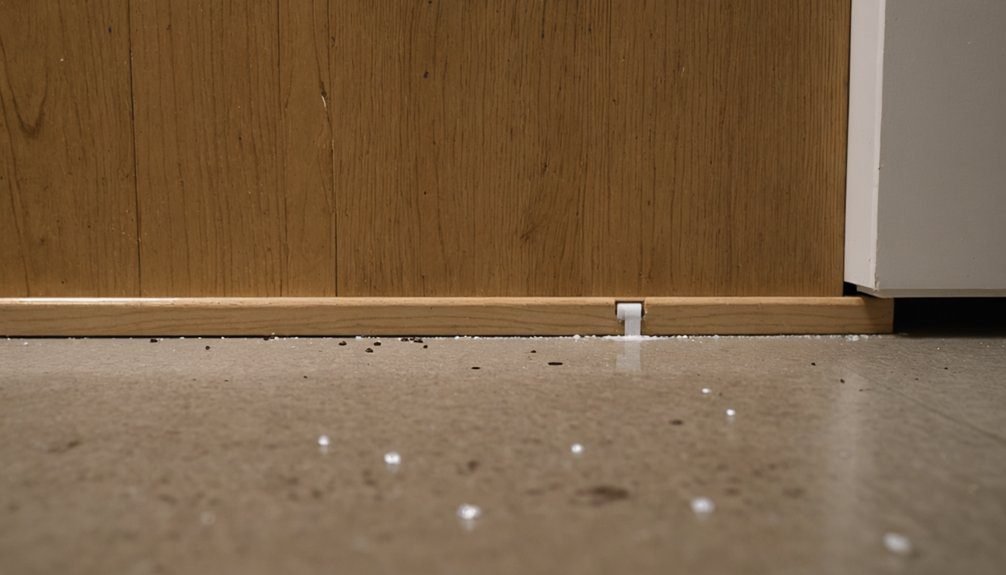
When prevention and natural methods are insufficient to control an established infestation, chemical treatments provide the knockdown and residual control needed. Choosing the right chemical tool for the situation — and applying it correctly — is the difference between effective treatment and wasted product. See our complete guide to professional cockroach treatment options for a full comparison of available methods and costs.
Choosing Safer Insecticides
Focus chemical selection on targeted tools that minimize exposure while hitting cockroach hotspots effectively. Dust insecticides — boric acid and food-grade diatomaceous earth — work best applied in thin dry layers into cracks, crevices, and voids where cockroaches travel and harbor. Gel and granular baits with low-toxicity active ingredients including indoxacarb or emamectin benzoate attract cockroaches to ingest lethal doses and trigger secondary kill through contact with contaminated individuals back at the colony — a cascading “chain reaction” effect that reaches nymphs and harborage-dwelling roaches that never directly contact the bait placement. Apply gel baits with precision using syringes or bait guns — never contaminate placements with cleaning products or competing food sources.
When Sprays Make Sense
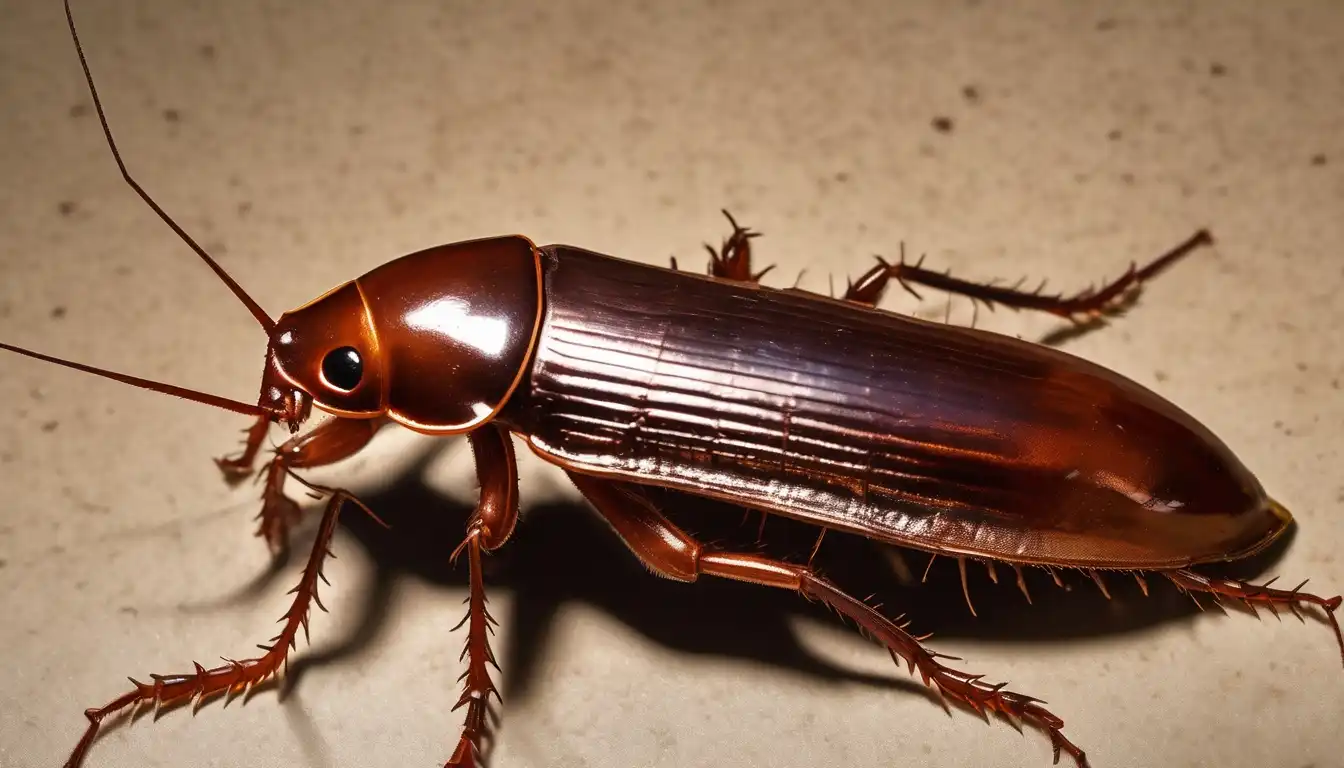
Residual insecticide sprays are not a standalone cockroach control solution but do have a specific role: quick knockdown of exposed roaches and targeted spot work in cracks, crevices, and harborage zones where gel baits cannot be placed. Use sprays when you need rapid population reduction before beginning a gel bait program, or to treat inaccessible structural voids. Many products deliver maximum efficacy only after 8 to 24 hours of continuous exposure, and German cockroach populations frequently show resistance to pyrethroid-based sprays — do not rely on sprays as the primary control method. Apply indoor sprays exclusively in inaccessible cracks, pipe penetrations, and harborage areas — never on broad surfaces where children, pets, or food may contact residues. Choose products meeting EPA efficacy standards and labeled specifically for cockroaches with low human and pet toxicity ratings when used per label directions.
Rotating Chemicals to Prevent Resistance
Smart rotation of bait formulations and chemical classes maintains long-term control effectiveness and prevents the resistance development that makes cockroach infestations progressively harder to treat. Rotate by IRAC mode of action (MOA), not just by brand name — switching between two products with the same active ingredient class provides no resistance prevention benefit. Use at least three gel bait formulations from different IRAC classes, applying them sequentially rather than concurrently, and swap formulations every 90 to 120 days aligned with German cockroach lifecycle stages. Add an IGR to target nymphs while adult-directed gel baits work — this combined approach is significantly more effective than either tool used alone. Reserve spray treatments for targeted crack-and-crevice application when monitoring data shows population spikes that require rapid knockdown.
Monitoring Results and Adjusting Tactics
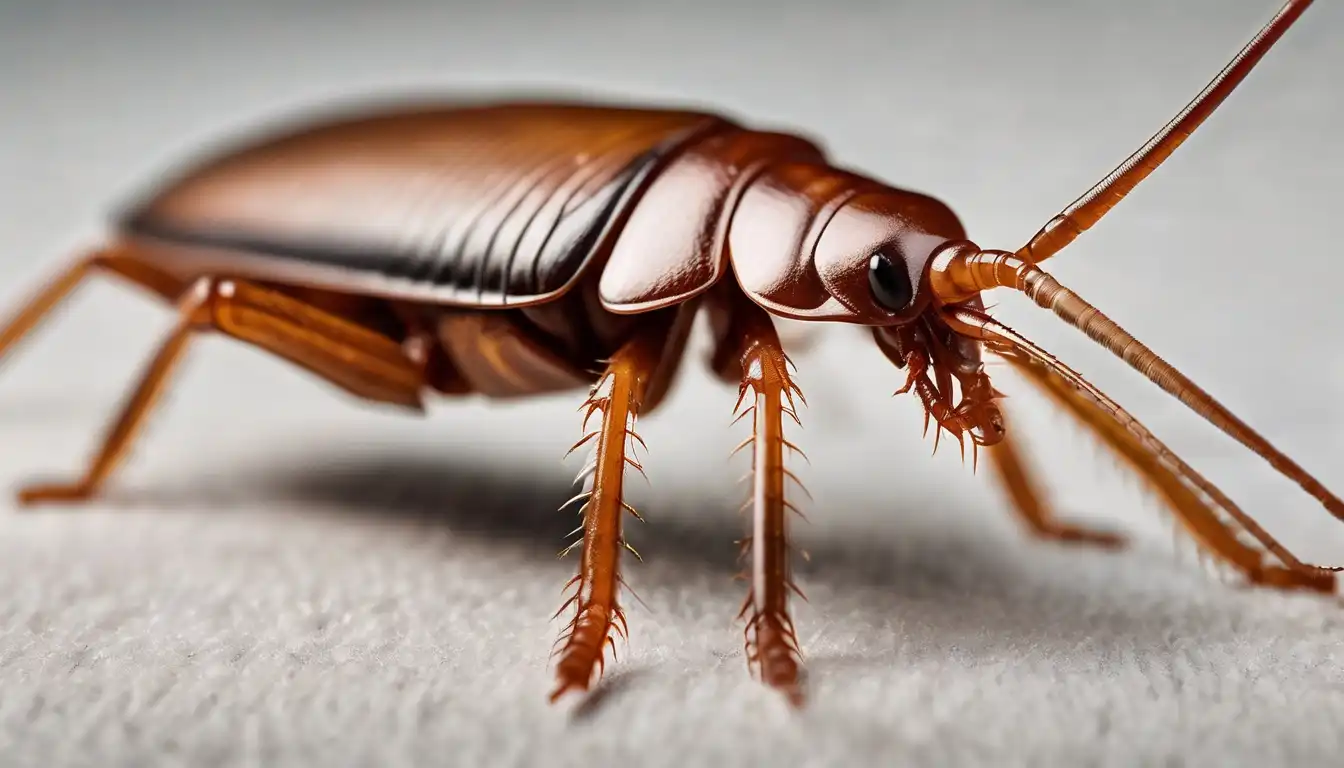
Effective cockroach control depends on the quality of information behind treatment decisions. Monitoring results drive every adjustment — without consistent trap data, you’re guessing. Set adhesive sticky traps at consistent locations, log catches biweekly, and track population trends over time. Rising counts signal missed harborage or treatment failures. Zero catch for two to four consecutive weeks combined with no visible nymph activity or egg cases signals successful treatment — at which point you can reduce treatment intensity while maintaining monitoring as a prevention measure.
| What You Track | What It Tells You | How You Adjust |
|---|---|---|
| Trap counts by location | Population level and hotspot location | Increase bait quantity and density near high-catch traps |
| Nymph presence on traps | Active harborage and breeding within 5–10 feet | Add IGR, repeat vacuuming, expand bait scope |
| Egg cases (oothecae) found | Active reproduction at or near discovery location | Physically remove cases, treat surrounding area with IGR |
| Bait consumption rates | Feeding activity and bait attractiveness | Rotate matrices if consumption drops; relocate if zero uptake |
| Population trend over 4 weeks | Treatment effectiveness | 60%+ reduction confirms success; flat or rising means adjust |
Combine trap data with visual inspections and check gel bait uptake in the first two weeks to verify that cockroaches are feeding. If bait uptake is low, check whether competing food sources are present, whether the bait has dried out or been contaminated by cleaning products, and whether the placement is on an active travel route confirmed by trap data. Keep clear records of trap counts, bait placements, product rotations, and treatment dates to score severity changes and demonstrate progress over time.
Preventing Reinfestation in Homes and Apartments
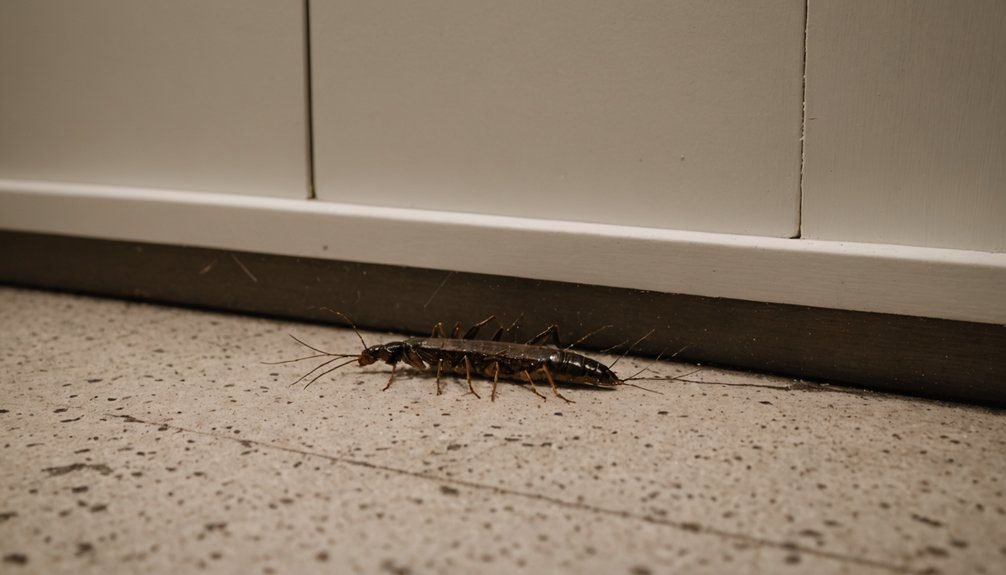
Preventing cockroach reinfestation requires consistent hygiene, tight structural sealing, and rapid response to new moisture problems. Regular sanitation combined with targeted ongoing treatment lowers re-infestation rates to below 12.9% — a dramatic improvement over households that treat reactively without maintaining prevention measures between infestations. See our complete guide to stopping cockroaches from coming back for a full prevention protocol.
Hygiene and Food Storage
Wipe kitchen and bathroom counters with white vinegar regularly, clean spills immediately, and vacuum floors — especially corners and rugs — to remove crumbs, shed skins, and egg cases. Store all human and pet food in airtight containers and take out garbage daily in sealed bags. 41.7% of cockroach infestations are directly linked to improper food storage — correcting storage practices eliminates nearly half of the conditions driving infestations in the first place. Inspect incoming grocery bags, delivery packages, and secondhand furniture before bringing them inside, as cockroaches and egg cases frequently hitchhike into homes through these vectors.
Sealing Entry Points and Moisture Control
Seal all entry routes with silicone caulk around windows, doors, pipes, and wiring penetrations. Install door sweeps on all exterior and garage doors, repair all window screens, and ensure escutcheon plates around water supply lines are intact to block roach movement between units in apartments and multi-unit buildings. Report gaps, holes, or failed seals to property management promptly — in rental properties, cockroach infestations often spread through shared structural gaps that individual tenants cannot seal without landlord cooperation.
Fix moisture problems fast — repair all leaks, dry sinks and floors after use, ventilate bathrooms and basements, and seal plumbing penetrations with caulk, foam, or copper mesh to reduce humidity and eliminate harborage moisture. Cockroaches die within 48 to 72 hours without water — eliminating moisture access is one of the most effective long-term prevention measures available. Use gel baits in cracks and along travel routes as part of ongoing maintenance, and apply food-grade diatomaceous earth lightly in dry wall voids and cabinet bases as a residual barrier against reinfestation. In apartments, coordinate with neighbors and building management on simultaneous treatment across units — individual unit treatment without building-wide cooperation frequently results in reinfestation from adjacent units within weeks.
Maintenance and Monitoring After Treatment
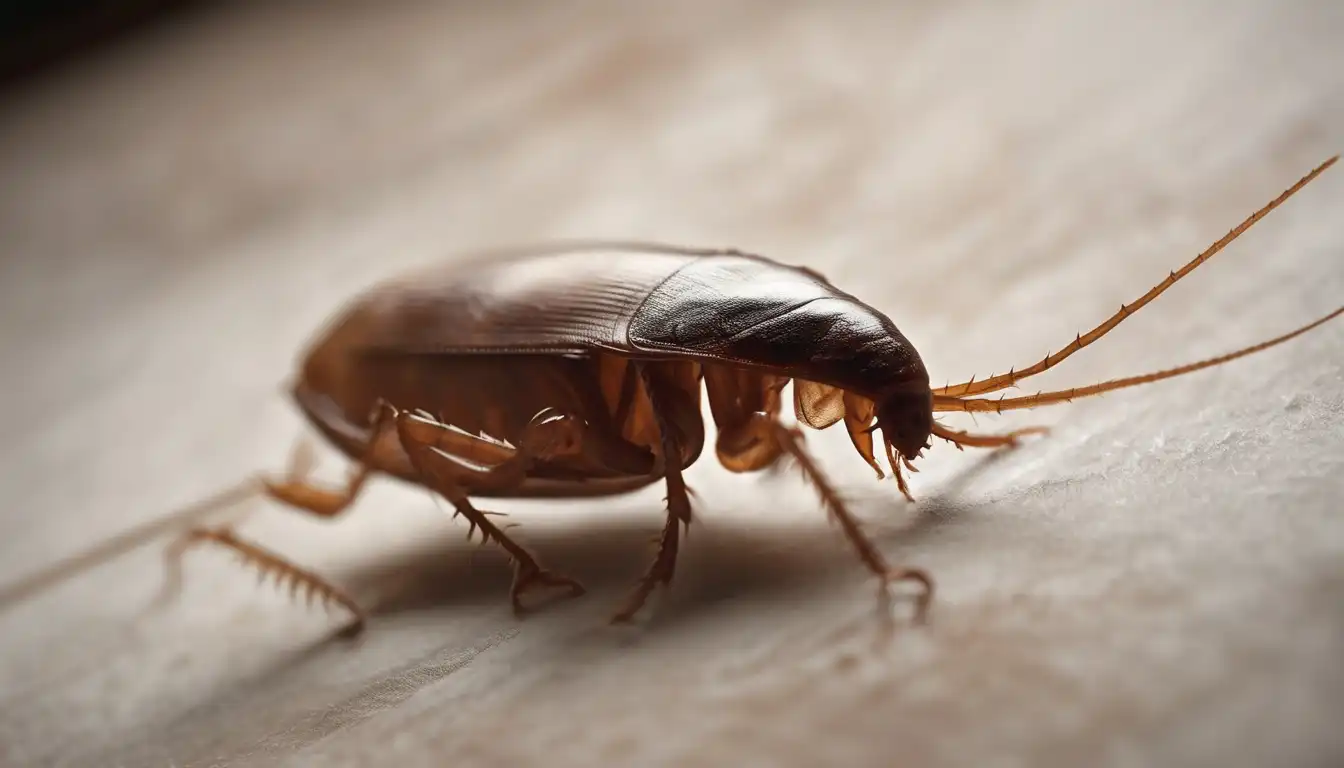
Cockroach control does not end when visible populations disappear — maintaining monitoring and basic prevention measures after treatment is what keeps re-infestation rates low long-term. Post-treatment maintenance is especially important because cockroach egg cases are highly resistant to most pesticide treatments, meaning newly hatched nymphs from surviving oothecae will emerge 2 to 8 weeks after the initial treatment regardless of how effective the adult knockdown was.
Follow-Up Inspection and Treatment Schedule
Schedule a follow-up inspection 2 to 3 weeks after your initial treatment to address newly hatched nymphs from egg cases that survived the first application. Continue checking sticky monitoring traps weekly for 8 to 12 weeks after treatment to catch any activity from surviving populations or new introductions. Reapply IGR treatments per label instructions across the full treatment cycle — typically 30 to 90 day intervals — to maintain nymph maturation disruption through multiple lifecycle generations. Refresh gel bait placements as consumption reduces and rotate to a different bait formulation after the first full treatment cycle.
Long-Term Prevention Protocol
Reduce clutter on an ongoing basis — stacked cardboard, paper bags, and storage boxes are perennial cockroach harborage sources that rebuild infestation pressure even after successful treatment. Inspect grocery bags, packages, and any secondhand items before bringing them indoors. Maintain ongoing monitoring traps in two to three key locations — under the kitchen sink, behind the refrigerator, and in the bathroom — checking monthly as a permanent early detection system even when no active infestation is present. Address any new moisture problems or structural gaps immediately rather than allowing conditions that supported the previous infestation to re-establish. If cockroaches spread to bedrooms, that signals a severe infestation requiring immediate professional evaluation.
Hiring a Professional: What to Expect and Costs
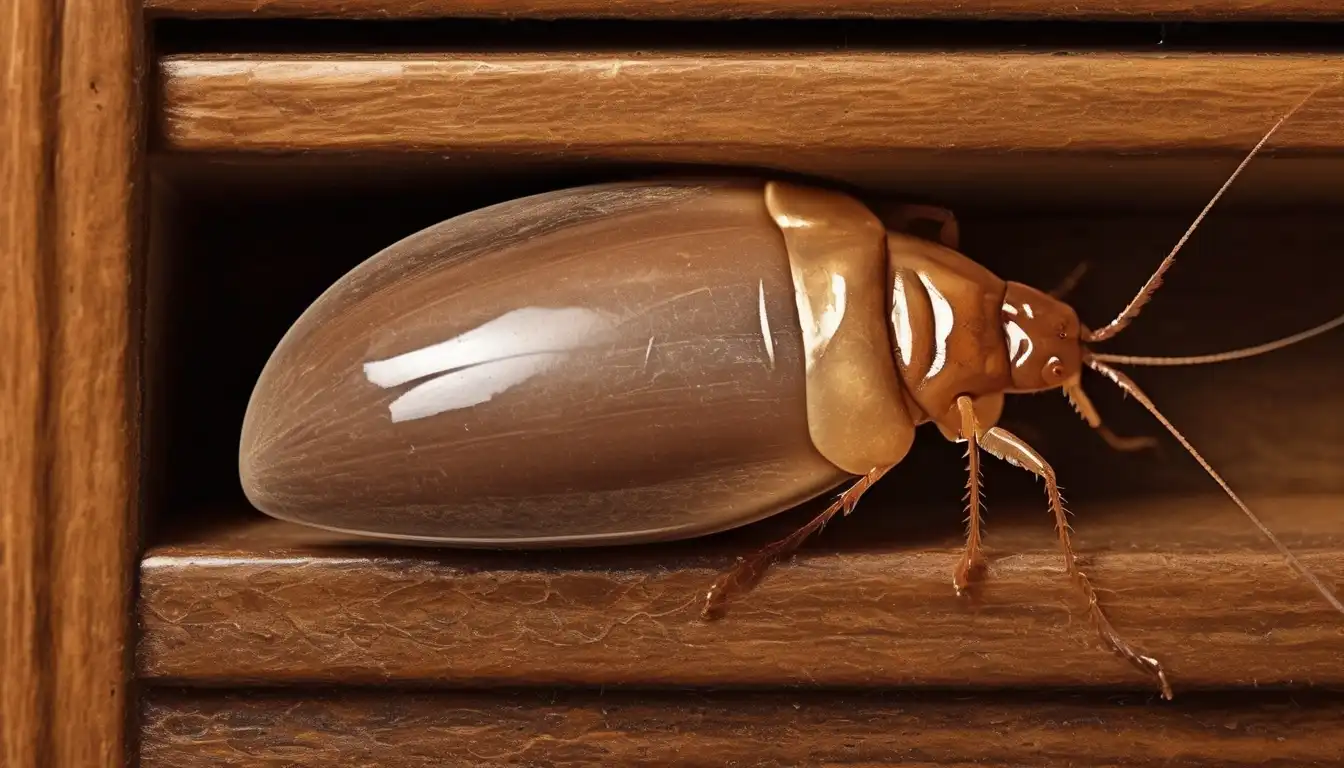
When DIY steps fail to produce measurable population reductions within 4 to 6 weeks, or when infestation severity is high from the start, hiring a licensed pest control professional delivers faster, more reliable results. Professional cockroach treatments reduce infestations by approximately 92.6% after the first application — a significantly better outcome than most homeowner-directed programs achieve independently, particularly for German cockroach infestations with established resistance to consumer products.
What Professionals Do Differently
Expect a thorough initial inspection to identify all harborage zones, entry points, and species present, followed by a customized treatment plan using commercial-grade products unavailable to consumers. Professionals apply precise crack-and-crevice gel bait treatments, place professional-strength bait stations, apply IGR formulations in harborage areas, and seal structural entry points as part of the service. Initial treatment typically takes about an hour for standard residential infestations; severe infestations require multiple visits over several weeks. A follow-up visit 2 to 3 weeks after initial service addresses newly hatched nymphs and verifies treatment effectiveness. See our step-by-step guide on how to kill cockroaches effectively for what to do while waiting for professional service.
Preparation and Costs
Prepare before a professional service visit by emptying and covering kitchen cabinets and pantries, removing dishes and food from treatment areas, vacuuming floors along baseboards and under cabinets, pulling refrigerators and stoves a foot from walls to allow access to wall-floor junctions, and reporting any known plumbing leaks to the technician. Children and pets should leave treated areas for 2 to 4 hours after treatment and until all treated surfaces are dry. Professional cockroach treatment costs depend on infestation severity, property size, and service frequency — expect $150 to $300 for an initial treatment visit, with follow-up visits included in service contracts or billed separately at $75 to $150 each. Monthly maintenance service contracts for ongoing prevention run $50 to $150 per month depending on property size and provider.
Legal Rights and Tenant Obligations for Cockroach Infestations
Homeowners and renters have different legal rights and responsibilities when cockroach infestations occur. Renters have a legal right to habitable housing free from pest infestations in every US state — this is a fundamental component of the implied warranty of habitability. Notify your landlord in writing immediately upon discovering a cockroach infestation and document all communications, photographs, and dates. If the landlord fails to act promptly — typically within 30 days under most state laws — tenants may have the right to report the property to local health or housing authorities, use repair-and-deduct remedies where permitted, withhold rent into escrow under local regulations, or pursue constructive eviction to break the lease without penalty. Keep all pest sighting records, written communications, and any professional pest inspection reports to support your case. Tenants in multi-unit buildings should also report infestations to neighbors and building management simultaneously, as cockroach infestations in shared buildings require coordinated treatment across all affected units for effective eradication.
Frequently Asked Questions About Cockroach Treatment and Control
What is the best treatment for cockroaches?
The most effective cockroach treatment combines gel bait application in cracks and harborage zones with Insect Growth Regulator (IGR) treatment to disrupt reproduction, structural exclusion to seal entry points, and rigorous sanitation to eliminate food and water sources. Gel bait treatments show an 88.3% effectiveness rate within four weeks when applied correctly. For German cockroach infestations — the hardest species to control — professional treatment using commercial-grade gel baits and IGRs delivers approximately 92.6% population reduction after the first application. No single treatment method alone is as effective as the integrated IPM approach that combines sanitation, exclusion, baiting, and monitoring.

How do I get rid of cockroaches naturally?
Effective natural cockroach control methods include applying boric acid dust in thin layers inside cracks, wall voids, and cabinet edges; deploying food-grade diatomaceous earth in structural spaces and along baseboards; using peppermint or cedarwood essential oil sprays as repellent barriers at entry points; vacuuming live cockroaches and egg cases directly; and implementing rigorous sanitation, food storage, and moisture control to remove the conditions that sustain infestations. Natural remedies work best for early-stage infestations or as prevention measures — established severe infestations typically require targeted chemical treatment alongside natural approaches for complete control.
How long does cockroach treatment take?
DIY cockroach treatment using gel baits and IGRs typically produces measurable population reductions within 2 to 4 weeks, with full eradication of severe infestations requiring 6 to 12 weeks of consistent treatment and follow-up. Professional treatment achieves 92.6% reduction after the first application for most infestations, with a follow-up visit at 2 to 3 weeks to address newly hatched nymphs. German cockroach infestations with multiple generations in progress take longer to fully resolve than single-generation infestations caught early. Zero trap catch for 2 to 4 consecutive weeks with no new nymph or egg case activity confirms successful eradication.
Are cockroach sprays safe for pets?
Most consumer-grade cockroach sprays are not safe around pets during application or while residues are wet. After surfaces dry completely — typically 2 to 4 hours — the risk to most pets is significantly reduced for pyrethrins and pyrethroids at labeled application rates. However, pyrethroid-based products are highly toxic to cats even at low exposures, and all insecticide sprays are extremely toxic to aquarium fish and other aquatic animals. Gel baits applied inside cracks and crevices inaccessible to pets are significantly safer than sprays. Natural options including boric acid and diatomaceous earth are low-risk for most pets but should still be kept away from direct contact. Always keep pets and children out of treated areas until all surfaces are dry and ventilate thoroughly after any spray application.
How often should I treat for cockroaches?
During an active infestation, apply gel baits and check monitoring traps weekly. Reapply baits as consumption reduces, typically every 2 to 4 weeks depending on population size. Rotate bait formulations every 90 to 120 days to prevent resistance. Apply IGR treatments per product label, typically every 30 to 90 days. After eradication is confirmed by zero trap catch for 2 to 4 weeks, maintain monthly monitoring trap checks and quarterly sanitation and exclusion inspections as ongoing prevention. In apartments or properties with previous severe infestations, maintain gel bait placements in key locations year-round as part of a permanent prevention program rather than treating reactively.
How do I seal entry points for cockroaches?
Seal cockroach entry points using silicone caulk for gaps around windows, doors, pipes, and electrical conduit penetrations; steel wool combined with caulk for larger pipe penetrations; and expanding polyurethane foam for large structural voids in walls and foundations. Install door sweeps on all exterior doors and repair or replace damaged window screens. Ensure escutcheon plates around all water supply lines are fully intact and flush against walls. In kitchens, seal the gap under and around cabinets where they meet the floor and walls — this gap is one of the primary travel routes German cockroaches use to move between harborage zones and food areas. Check all sealed areas quarterly and reseal any locations where caulk has cracked, shrunk, or separated from the substrate.
Do professional pest control services work better than DIY?
Professional pest control services consistently outperform DIY approaches for established cockroach infestations, particularly German cockroach infestations with bait-averse or pesticide-resistant populations. The primary advantages of professional service include access to commercial-grade products with higher active ingredient concentrations, specialized application equipment that places treatments inside structural voids inaccessible to homeowner tools, species identification expertise that determines the most effective treatment protocol, and follow-up scheduling timed to the cockroach lifecycle to address newly hatched nymphs before they reach reproductive maturity. For mild, early-stage infestations caught before large populations establish, well-executed DIY gel bait and IGR programs can be fully effective and significantly less expensive.
