
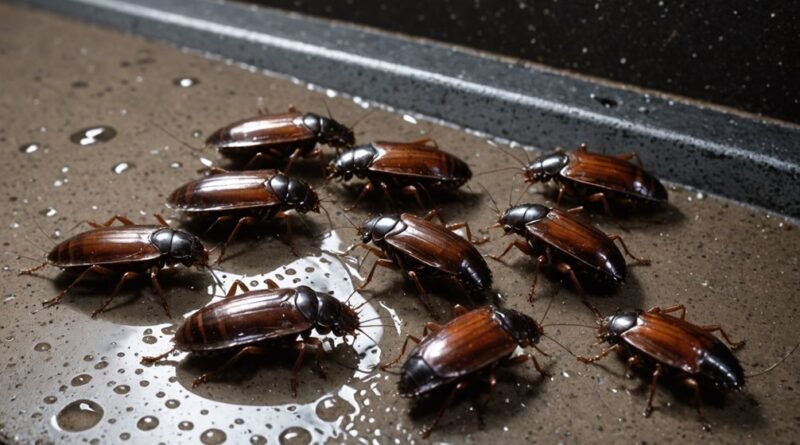
Why Cockroaches Come Up Your Drains & How to Stop It
You’ve probably spotted a cockroach scurrying across your floor and assumed the worst. But where did it actually come from? The answer might surprise you — and it’s closer than you think. Your drains could be the hidden gateway these pests use to invade your home. Understanding how they get in is the first step toward keeping them out for good.
Key Takeaways
- Cockroaches enter homes through floor drains, shower drains, and sink pipes, often traveling via interconnected plumbing networks linked to municipal sewers.
- Shared plumbing in apartment buildings, dried-out drain traps, and cracks around pipes significantly increase the likelihood of cockroach entry.
- Drains provide cockroaches with moisture, food from organic buildup, and dark shelter, making kitchen drains especially high-risk areas.
- Signs of drain-related infestation include daytime roach sightings, pepper-like droppings, shed skins, egg cases, and glue trap catches under sinks.
- Prevent entry by installing drain screens, sealing pipe gaps with caulk or steel wool, fixing leaks, and cleaning drains regularly.
Can Cockroaches Really Come Through Drains?
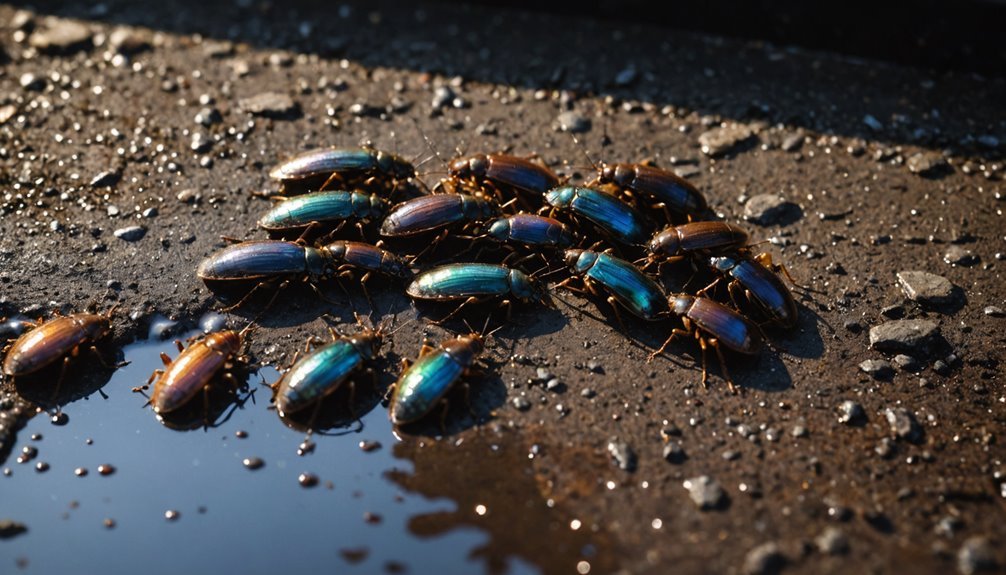
Cockroaches can absolutely come up through drains, and pest-control experts confirm this. Floor drains, shower drains, and sink pipes all serve as possible entry points, especially when your plumbing connects to a larger sewer or pipe network.
If you live in an apartment building, shared plumbing makes drain-related entry even more likely since multiple units tie into the same system.
That said, spotting a roach in your drain doesn’t mean the drain is their only way in. Roaches are drawn to drains because they offer moisture, food residue, and warm temperatures — everything they need to survive.
Roaches aren’t just entering through drains — they’re attracted to the moisture, food residue, and warmth drains provide.
They may already be inside your home and simply use the drain as a convenient water source rather than an entry point. American cockroaches are particularly known for traveling through sewer systems and making their way into homes via connected plumbing lines.
How Cockroaches Travel Through Sewer Lines and Pipes
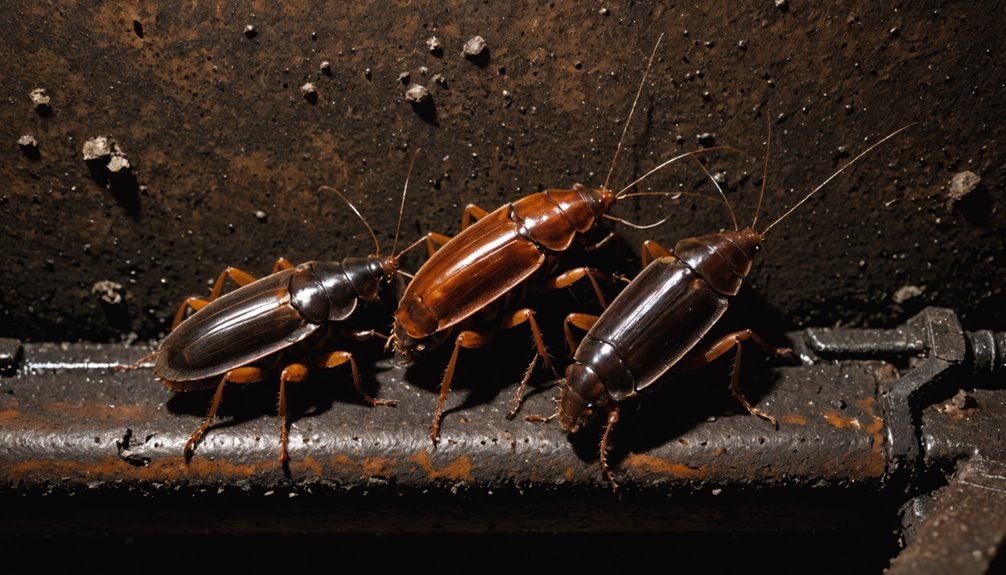
Understanding how roaches get into your home through drains means looking at how plumbing connects to the broader sewer network. Sewer systems give cockroaches everything they need to survive and travel — organic waste, moisture, warmth, and shelter.
Rather than climbing straight up a single drain, they move through interconnected pipe networks that link municipal sewers to your building’s drain lines. From there, they can reach floor drains, basement drains, utility sinks, and shower drains.
Cracks, loose fittings, and gaps around pipes create additional paths into wall voids and pipe chases. Dried-out drain traps remove a critical barrier, making it even easier for roaches to push through.
Fundamentally, your plumbing doesn’t just carry wastewater — it can also function as a hidden travel corridor straight into your home. Once inside, they can move between floors and rooms by traveling along pipes and wiring hidden within the structure.
What Drains Offer Roaches: Moisture, Food, and Shelter

Drains don’t just give cockroaches a way in — they give them a reason to stay. Your drains offer everything a roach needs to survive: moisture, food, and shelter.
Drains don’t just let cockroaches in — they give them every reason to stay and never leave.
The damp conditions around sinks, tubs, and pipes provide reliable hydration, especially when slow drainage or leaks keep surfaces consistently wet. Organic buildup — grease, food scraps, soap scum, and hair — gives roaches a steady food source without them needing to travel far.
The dark, enclosed interior of drainpipes also offers protection from predators and temperature extremes. Kitchen drains combine food residue with moisture, making them particularly high-risk.
When all three essentials exist in one location, roaches don’t just pass through — they establish themselves and reproduce. American cockroaches, in particular, are known to use drains as breeding grounds, making them one of the most common species found emerging from household plumbing.
Signs Your Cockroach Problem Goes Beyond the Drain

A single cockroach spotted during the day isn’t just an isolated sighting — it’s a warning sign. Roaches are nocturnal, so daytime appearances signal an overcrowded harborage pushing them into the open.
If you’re seeing more than just drain activity, the infestation has likely spread deeper into your home.
Watch for these indicators:
- Pepper-like droppings in cabinet corners or along shelf edges
- Shed skins or egg cases near appliances, furniture, or stored boxes
- Live roaches in kitchens, bathrooms, or utility closets
- Glue trap catches under sinks or along basement pipes
Signs across multiple rooms mean roaches have established harborages inside wall voids, cabinets, and appliance housings — well beyond any drain.
Drain treatment alone won’t resolve it. Professional pest management provides comprehensive solutions that target cockroach harborages throughout the entire home, not just the drain.
Which Plumbing Problems Let Roaches In

Not every plumbing problem is a pest problem — but several specific failures turn your pipes and drains into roach-friendly infrastructure. Leaking pipes create constant moisture, which roaches prioritize over food. Unsealed pipe penetrations combine access, humidity, and shelter in one spot. Broken sewer lines open direct routes from municipal systems into your home.
| Plumbing Problem | How It Helps Roaches |
|---|---|
| Leaking pipes and fixtures | Provides constant moisture for survival |
| Unsealed pipe penetrations | Creates hidden entry points into wall voids |
| Damaged or dry drain traps | Removes the barrier blocking sewer movement |
Grease buildup and biofilm inside drains add food sources on top of shelter. Fixing these specific failures cuts off the conditions roaches depend on to establish themselves inside your plumbing. Cockroaches in multi-family dwellings can exploit interconnected plumbing systems to spread infestations from one unit to another through shared pipe pathways.
How to Keep Cockroaches Out of Your Drains
Keeping cockroaches out of your drains requires blocking both their access points and the conditions that draw them there. Start by placing rubber stoppers or mesh drain screens over openings at night, since roaches travel most after dark. Seal gaps around pipes using silicone caulk, urethane foam, or steel wool to cut off hidden entry routes.
Block roaches at the source: cover drains at night and seal every gap around your pipes.
Beyond physical barriers, reduce what’s attracting them:
- Fix leaky faucets and pipes to eliminate standing water
- Keep sinks dry overnight and after washing dishes
- Clean drains regularly to remove food particle buildup
- Store trash in tightly sealed containers away from under-sink areas
Combining barriers with moisture and food control makes your drains far less accessible and far less appealing to cockroaches looking for an entry point.
How to Get Rid of Drain Roaches for Good
Getting rid of drain roaches for good takes more than a single treatment—you’ll need a targeted approach that attacks the infestation at its source while cutting off the conditions that allow roaches to return.
Start by confirming your drain is the entry point, then apply direct treatments like boiling water flushes, baking soda and vinegar combinations, or enzyme-based cleaners to eliminate roaches and the organic buildup they feed on.
Once you’ve addressed the active infestation, shift your focus to prevention by sealing gaps around pipes, installing drain covers, fixing leaks, and maintaining clean, dry plumbing to guarantee roaches don’t find their way back.
Targeted Treatment Methods
Eliminating drain roaches requires a layered approach rather than a single fix. You’ll get better results by combining multiple targeted methods rather than relying on one product or technique.
Focus your treatment on these key areas:
- Gel baits – Place small dots in cracks, crevices, and near harborage zones, not across open surfaces.
- Boric acid dust – Apply thin layers inside cabinet voids and under-sink plumbing where roaches travel.
- Drain flushes – Use a baking soda, vinegar, and boiling water flush to address food residue buildup.
- Physical exclusion – Seal pipe gaps with silicone or caulk and use drain covers overnight.
Correct any moisture issues near plumbing since leaks and condensation actively support roach activity around drains.
Preventing Future Drain Roaches
Once you’ve addressed an active infestation, prevention becomes your best long-term defense against drain roaches returning.
Seal pipe cracks with caulk, and use silicone sealant or urethane foam for larger gaps. Reinforce big openings with steel wool or copper mesh before sealing.
Cover drains at night with a rubber stopper or metal screen since cockroaches are most active after dark. Keep P-trap seals intact, and use trap primers where water loss recurs.
Fix leaky pipes promptly, dry surfaces after use, and insulate sweating pipes to eliminate moisture. Clean kitchen drains regularly, store food securely, and take out trash routinely.
Seal cracks along baseboards and cabinetry, and recheck plumbing after any repairs. Consistent maintenance works far better than one-time fixes.
Frequently Asked Questions
Can Cockroaches Survive Inside Drain Pipes for Extended Periods?
Yes, cockroaches can survive inside drain pipes for extended periods. They’ll thrive on moisture, food residue, and shelter found there. You should maintain your drains regularly to prevent them from establishing a long-term habitat.
Do Cockroaches Lay Eggs Inside Drains or Pipe Systems?
Yes, cockroaches can lay eggs inside drains, but it’s not their preferred spot. They’re more likely using your drains as pathways, only depositing eggs when sludge and debris create a suitable environment.
Are Certain Cockroach Species More Likely to Emerge From Drains?
Yes, certain species are more likely to emerge from your drains. You’ll most often see American and Oriental cockroaches, as they’re drawn to the moisture, darkness, and organic waste that sewer-connected plumbing provides.
Can Chemical Drain Cleaners Kill Cockroaches Living Inside Pipes?
Chemical drain cleaners can’t reliably kill cockroaches living inside your pipes. They may kill roaches on direct contact, but they won’t reach hidden nests or eggs deeper in your plumbing.
Does Covering Drains at Night Actually Reduce Cockroach Activity?
Covering your drains at night can reduce cockroach activity by blocking their entry points during peak nocturnal hours. It’s not a standalone fix, though—you’ll get the best results when you pair it with sealing and cleaning.
Conclusion
Cockroaches coming through your drains isn’t just an annoyance—it’s a sign of deeper issues you need to address. You’ve got to seal entry points, fix leaks, and keep your drains clean to cut off their access. Don’t ignore the warning signs, because a small problem can quickly become a full infestation. Take action now, and you’ll protect your home from these resilient pests before they make themselves completely at home.
