
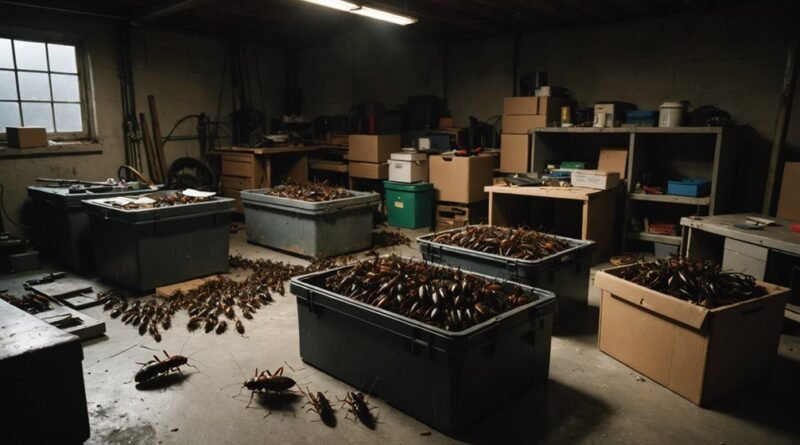
Cockroaches in the Garage: Causes & How to Seal It
You might not think much about your garage until you spot a cockroach darting across the floor. These pests don’t show up randomly — they’re drawn in by specific conditions you may not even realize exist. Understanding what attracts them and how they get inside is the first step toward taking back control of your space.
Key Takeaways
- Cockroaches enter garages through worn door sweeps, damaged weather stripping, foundation cracks, and openings around pipes or vents.
- Food sources like pet food, unsealed trash, and grease residue attract cockroaches and fuel infestations.
- Moisture from leaky hoses, poor ventilation, and standing water creates ideal conditions for cockroaches to thrive.
- Signs of infestation include live roaches, pepper-like droppings, egg cases, shed skins, and musty odors.
- Prevention involves sealing entry points, eliminating food and moisture, decluttering, and using bait stations or sticky traps.
Why Cockroaches Are Drawn to Garages
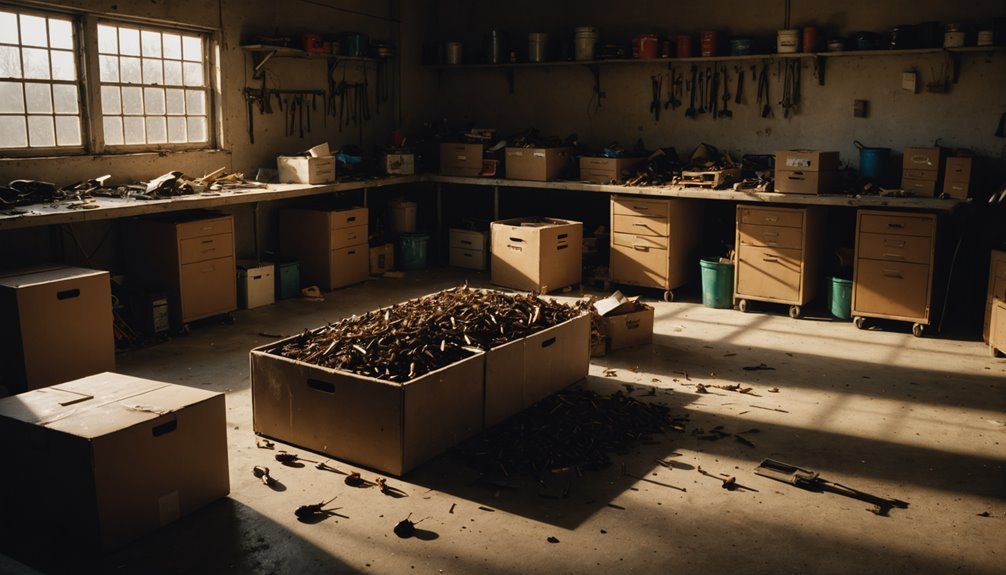
Garages attract cockroaches for the same reasons any pest thrives somewhere: reliable food, moisture, warmth, and shelter. Your garage likely has all four without you realizing it.
Crumbs, pet food, grease, and unsealed trash give roaches easy meals. Even cardboard boxes and paper products serve as food sources or harborage.
Damp corners, leaks, and spilled liquids create the moisture cockroaches need to survive. Stacked storage, wall voids, and cluttered spaces offer dark, tight hiding spots where roaches go undisturbed for long periods.
If your garage is attached to your home, it’s even more appealing. Warmth from appliances or sun-facing walls adds to the appeal, especially in summer.
Roaches often use garages as a staging point before spreading into your living spaces. There are around 30 species of cockroaches commonly found in the United States, many of which are capable of thriving in garage environments.
How Cockroaches Get Into Your Garage
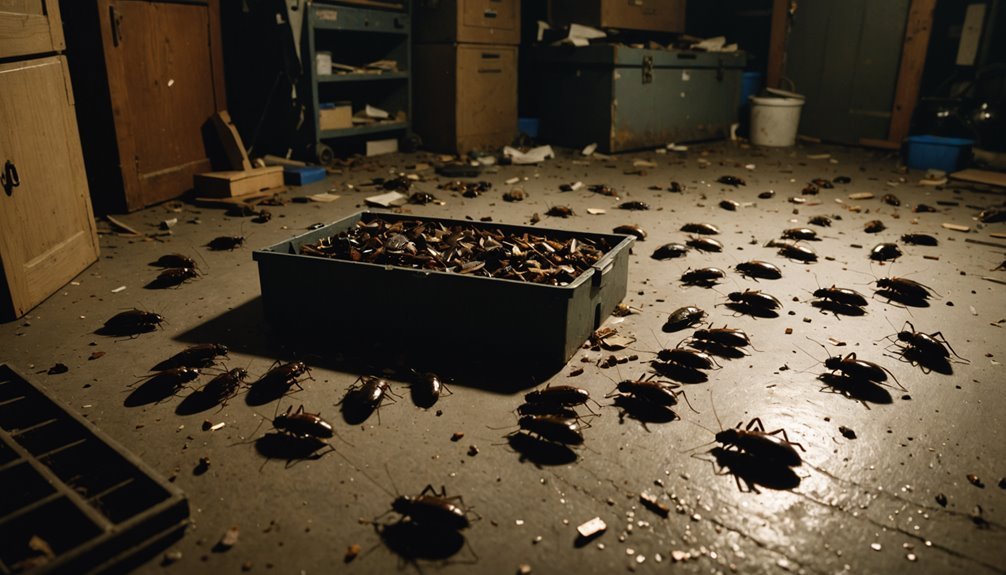
Once cockroaches find your garage appealing, getting inside isn’t difficult. Worn door sweeps leave gaps at the bottom of your garage door, while damaged weather stripping along edges and trim creates additional access points.
Cracks in walls and foundations serve as direct entry routes, and openings around pipes, wires, and vents let cockroaches move freely from outside into your garage.
Cracks in walls and foundations open direct pathways, while gaps around pipes and vents invite cockroaches inside.
Your garage’s surroundings also work against you. Branches or foliage touching exterior walls act as bridges to cracks and openings.
Foundation seams where walls meet floors provide ground-level travel routes, and open eaves give cockroaches overhead access.
Normal wear makes things worse over time. Frequently used garage doors develop weakened seals, cracked caulk opens hidden wall channels, and unsealed seams around service lines become unguarded entry points. Dirty, cluttered garages are especially vulnerable, as messy environments attract cockroaches and give them more places to hide once inside.
The Food and Clutter That Keeps Cockroaches Coming Back
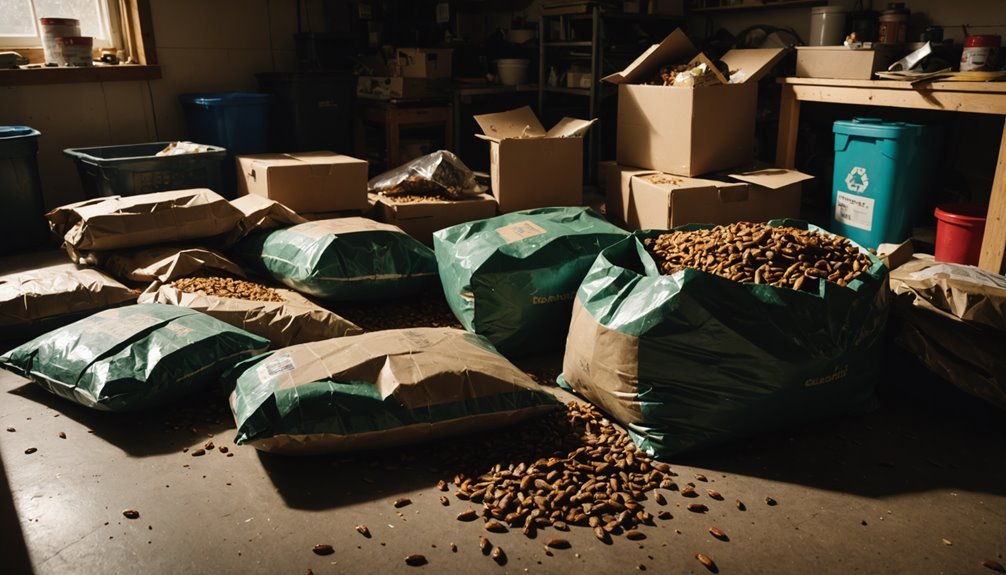
Cockroaches don’t need much to stay fed—crumbs under shelves, grease on a workbench, or a spill near stored bins can be enough to keep them coming back.
Clutter makes the problem worse by giving them somewhere to hide, nest, and breed undisturbed. Warm and dark spaces behind stored items and appliances are among their most preferred nesting areas.
Here’s what’s quietly sustaining them in your garage right now:
- Unsealed pet food or bulk goods sitting in open bags overnight
- Cardboard boxes stacked on the floor, offering both shelter and food from paper starches
- Trash bins without tight lids, leaking food odors that draw roaches in
- Food residue behind appliances or storage bins that never gets wiped down
Removing these conditions cuts off their supply and makes your garage far less survivable for them.
Moisture Problems That Attract Cockroaches to Your Garage
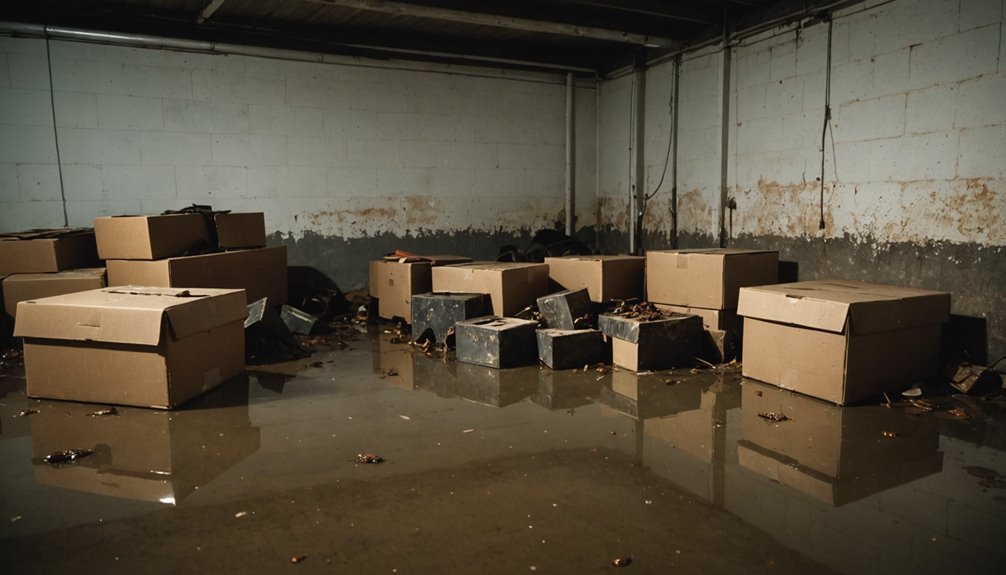
Moisture is just as important to cockroaches as food—without enough of it, they can’t survive. Your garage can easily supply that moisture through leaky hoses, dripping hot water heaters, and malfunctioning water softeners.
Even small, persistent leaks provide enough humidity to support an infestation. Standing water and damp surfaces are equally attractive, drawing roaches in and giving them reason to stay.
Poor ventilation makes things worse by trapping humid air inside. Condensation and lingering dampness turn your garage into a long-term harborage site.
To address this, repair leaks promptly, wipe down wet surfaces, and consider using a dehumidifier. Also inspect door seals, gaps around pipes, and window openings—these let humid outside air in.
Controlling moisture removes one of the roaches’ core survival requirements. In fact, cockroaches need water more urgently than food, meaning a single dripping pipe can sustain an entire colony for months.
Signs You Have Cockroaches in Your Garage
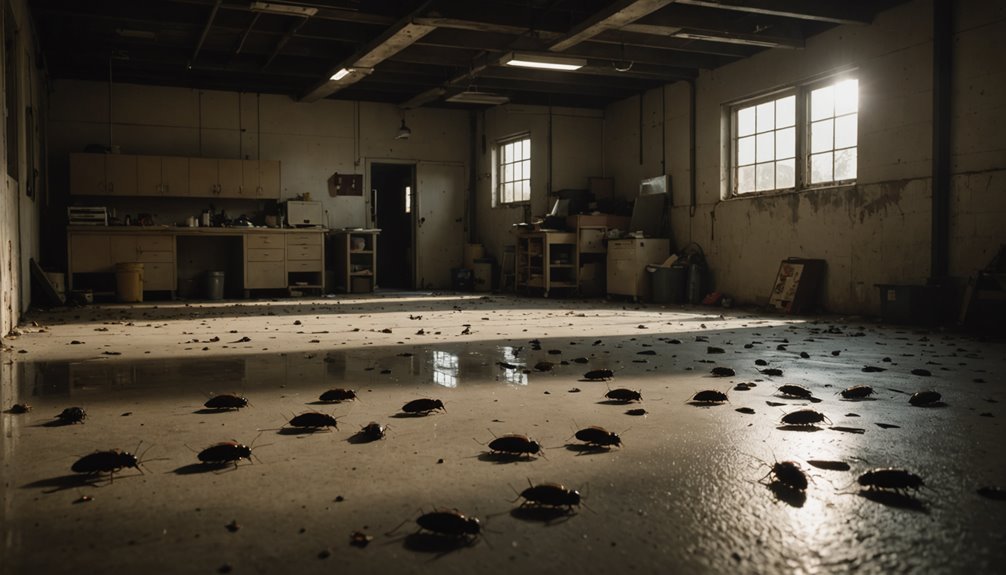
Knowing the signs of a cockroach presence in your garage lets you act before a small problem becomes a serious infestation. Watch for these warning signs:
- Live roaches running across floors or walls after dark signal active pressure that won’t resolve itself.
- Droppings resembling black pepper or coffee grounds near corners and stored items confirm ongoing activity.
- Egg cases, shed skins, or dead roaches near baseboards or storage piles indicate an established population quietly growing.
- Musty odors or chewed packaging reveal hidden harborages you haven’t located yet.
Sticky monitoring traps placed in suspected zones help confirm what’s active and where.
Sticky monitoring traps placed in suspected zones reveal exactly what’s active and where roaches are hiding.
Multiple captures in the same spot point directly to a harborage or entry route worth addressing immediately. Cockroaches can spread beyond the garage by traveling through wall voids, plumbing chases, and electrical conduits, making early identification critical to preventing a wider infestation.
How to Seal and Secure Your Garage Against Cockroaches
Once you’ve confirmed cockroach activity through the signs above, your next move is cutting off their access points before they push deeper into your home.
Start with the garage door — install a bottom sweep, replace worn thresholds, and caulk corner gaps where the track meets the floor. Add or replace weather stripping on side doors and frames.
Next, seal foundation cracks with masonry caulk or hydraulic cement, fill utility penetrations with expanding foam or mesh, and recaulk window frames and wall-floor junctions.
Cover vents with fine mesh screens, replace torn window screens, and caulk siding joints along the exterior perimeter.
Finally, fix leaks, eliminate standing water, and store pet food and dry goods in airtight containers to remove what draws cockroaches in.
How to Get Rid of Cockroaches in Your Garage
Getting rid of cockroaches in your garage starts with thoroughly cleaning and decluttering the space to remove the food sources and hiding spots that let infestations grow.
Once you’ve stripped away those attractants, seal the entry points you identified earlier so new roaches can’t move in while you’re working on the ones already inside.
From there, apply targeted treatments—sticky traps, baits, and insecticides—in the specific areas where roach activity is highest.
Clean and Declutter
Cleaning and decluttering your garage is one of the most effective ways to eliminate the conditions cockroaches depend on to survive.
Every pile of junk, cardboard box, and forgotten container gives roaches exactly what they need—shelter, food, and darkness.
Take back your garage by acting on these steps:
- Throw out cardboard boxes, broken tools, and unused furniture that create hidden roach shelters.
- Sort everything into keep, donate, and trash piles to expose infestation areas.
- Sweep and wipe all surfaces to remove crumbs, grease, and organic debris roaches feed on.
- Move remaining items onto shelves to open floor space for easier inspection and cleaning.
Consistent cleaning removes the resources roaches rely on and makes your garage far less inviting.
Seal Entry Points
Sealing entry points is how you stop cockroaches from returning after you’ve cleaned and decluttered.
Inspect your garage door’s bottom seal and weather stripping—replace them if they’re worn or letting daylight through. Check the threshold too, since any visible gap is wide enough for insects.
Examine your foundation for small cracks along wall bases and slab edges, then fill them with masonry caulk, silicone, or hydraulic cement.
Seal wall-to-floor connections with silicone as well.
Around pipes, wires, and conduits, use expanding foam for larger gaps and caulk for smaller ones.
Cover vents with fine mesh screens and recaulk window frames where gaps appear.
Recheck all seals twice a year, since settling and moisture can reopen closed entry points.
Apply Targeted Treatments
Once entry points are sealed, targeted treatments give you direct control over cockroaches already living in your garage. Focus treatments near hiding spots—corners, shelves, and beneath stored items—rather than spreading them across open surfaces.
- Bait stations and gel baits — Place small dabs inside cracks and crevices; roaches carry the poison back, wiping out entire colonies.
- Perimeter sprays — Apply residual sprays along door thresholds and entry zones where fecal spotting confirms activity.
- Dust treatments — Puff thin layers of boric acid into undisturbed voids, hollow gaps, and spaces beneath panels for long-lasting control.
- Sticky traps — Position traps in active zones to identify hotspots and confirm whether your treatments are working.
Reduce food and water sources alongside every treatment for maximum results.
Where to Place Bait and Traps in Your Garage
To get the best results from bait and traps, you’ll want to place them where cockroaches already travel and shelter rather than scattering them across open floor space.
Focus on dark corners, wall edges, cracks, crevices, and areas near moisture sources like pipes, leaks, or a water heater.
Keep bait in hidden, out-of-the-way spots behind appliances or storage units so it stays undisturbed and remains inaccessible to children and pets.
Optimal Bait Placement Spots
Bait and traps work best when you place them where cockroaches actually travel, not where they’re easy for you to reach. Skip the open floor and focus on spots roaches actually use.
- Cracks and crevices — Push small bait amounts into wall gaps, seams, and entry points where roaches squeeze through nightly.
- Baseboards and perimeter edges — Set stations flush against corners and wall edges, matching the paths roaches use every time they move.
- Under and behind stored items — Slide bait beneath shelves, workbenches, and appliances where darkness and clutter give roaches confidence.
- Moisture-prone zones — Target leaky pipes, damp corners, and drain areas because roaches gather where water is accessible.
Place bait only where you’ve confirmed activity through droppings, sightings, or traps.
Effective Trap Positioning Areas
Traps and bait only work when you put them where roaches actually travel, and in a garage, that means skipping the open floor entirely.
Place traps along baseboards and wall edges, since roaches follow structural seams rather than crossing open space. Corners where walls meet are high-value spots because roaches shelter where movement is naturally limited.
Push bait into cracks, expansion joints, and small wall gaps where roaches hide and move without exposure.
Behind stacked boxes, pallets, and stored clutter are productive zones since those dark, undisturbed areas support nesting activity.
Near leaky pipes, water heaters, and drains, traps detect problems earlier than dry-area placements.
Also position traps near garage door seals and window trim to catch roaches before they spread deeper inside.
Daily Habits That Stop Cockroaches From Coming Back
Keeping cockroaches out of your garage long-term comes down to five consistent daily habits: sanitation, moisture control, entry-point sealing, smart storage, and routine monitoring.
Every day counts when you’re protecting your space. Here’s what makes the real difference:
Every day you skip a habit is a day roaches gain ground — consistency is everything.
- Sweep floors and wipe spills immediately — food residue draws roaches faster than you’d expect.
- Fix leaks and dry damp spots — moisture is what keeps them coming back.
- Seal cracks, gaps, and door sweeps — one small opening undoes everything else.
- Swap cardboard for sealed plastic bins — cardboard is fundamentally a roach hotel.
Check dark corners, baseboards, and storage areas regularly for droppings or egg cases.
Roaches exploit every lapse, so consistency isn’t optional — it’s your only real defense.
When to Call a Pest Control Professional
Even after consistent preventive habits, there are clear signs that it’s time to stop handling the problem yourself and call a pest control professional.
If you’re seeing more than one or two cockroaches in a short period, especially during the day, you likely have an established infestation. Droppings, egg casings, shed skins, dark smears, or musty odors confirm active breeding and population growth.
Garage-specific conditions like moisture, clutter, and hidden cracks make professional inspection especially important, since roaches nest deep in areas that sprays rarely reach.
If DIY traps or over-the-counter products haven’t worked, the harborage sites are likely untreated. You should also act quickly when health concerns are present, including allergy symptoms, asthma, or any sign of food contamination.
Frequently Asked Questions
Can Cockroaches in My Garage Spread Into the Rest of My Home?
Yes, cockroaches in your garage can absolutely spread into your home. They’ll squeeze through tiny cracks, gaps around doors, pipes, and windows to reach food, water, and shelter inside your living spaces.
Are Certain Cockroach Species More Commonly Found in Garages Than Others?
Yes, certain species show up more often in your garage. You’ll most commonly find oriental, German, and Asian cockroaches there, as they’re drawn to the dark, damp, and sheltered conditions garages typically provide.
Do Cockroaches in Garages Pose Direct Health Risks to Humans?
Cockroaches in your garage can directly threaten your health by spreading bacteria like Salmonella, triggering allergic reactions, and worsening asthma through airborne allergens from their droppings, shed shells, and body parts.
How Long Does a Cockroach Infestation Typically Last Without Treatment?
Without treatment, your cockroach infestation won’t resolve on its own and can last months to years. Overlapping life stages, hidden egg cases, and survivors constantly restart the colony, making self-elimination nearly impossible.
Can Cold Winter Temperatures Naturally Eliminate Cockroaches Living in My Garage?
Cold winter temperatures won’t reliably eliminate cockroaches in your garage. They’ll shelter in warm, insulated spots like wall voids and clutter, surviving the cold. You’ll need exclusion, sanitation, and treatment to truly control them.
Conclusion
Keeping cockroaches out of your garage doesn’t have to be an overwhelming task. By sealing entry points, eliminating moisture, and removing food sources, you’re cutting off everything that draws them in. Stay consistent with your cleaning habits, use bait and traps strategically, and don’t ignore the early warning signs. If the problem’s gotten out of hand, don’t hesitate to call a professional. You’ve got everything you need to take back control.
