

Essential Oils That Repel Roaches: What Actually Works
If you’re dealing with cockroaches, you’ve probably wondered whether essential oils can actually help. The answer isn’t as simple as yes or no. Some oils genuinely work, while others fall short of the hype. Before you grab a bottle of peppermint oil and call it done, there’s quite a bit you should know about what works, what doesn’t, and how to use these oils correctly.
Key Takeaways
- Peppermint, tea tree, eucalyptus, lavender, and citrus hystrix oils are among the most effective essential oils for repelling cockroaches.
- Citrus hystrix oil achieves up to 100% repellency against both German and American cockroaches in studies.
- Mix 10–15 drops of essential oil with water, witch hazel, and dish soap in a glass or metal spray bottle.
- Apply sprays to cracks, crevices, baseboards, and moisture zones, reapplying every 3–5 days during active infestations.
- Essential oils repel rather than eliminate cockroaches, making them best combined with chemical treatments for severe infestations.
Do Essential Oils Actually Repel Cockroaches?

The short answer is yes, but with important limits. Research confirms that certain essential oils produce measurable repellency against cockroaches under controlled conditions.
Certain essential oils do repel cockroaches — but only under specific conditions and within important limits.
One peer-reviewed study on brown-banded cockroaches found oregano oil achieved 96.5%–99.1% repellency at concentrations between 2.5% and 30%, with effects lasting at least one week after treatment. Rosemary also showed strong results in the same study.
However, repelling cockroaches isn’t the same as eliminating them. Essential oils work best as a deterrent, discouraging roaches from entering treated areas rather than removing an existing infestation.
The scent dissipates over time, so you’ll need to reapply regularly. Think of them as a supplemental tool, not a standalone solution. For severe infestations, professional pest control offers access to stronger, more targeted treatment methods that essential oils alone cannot provide.
The Best Essential Oils to Repel Cockroaches

Not all essential oils perform equally when it comes to repelling cockroaches. Some stand out for their strong insecticidal and repellent properties backed by research.
Top Essential Oils to Try
- Peppermint oil – Disrupts cockroach sensory receptors, making it one of the most reliable scent-based repellents in this group (see the kill-vs-repel breakdown below for why it works better as a deterrent than a killer).
- Tea tree oil – Delivers strong repellent properties and works well in spray blends for kitchens and cabinets.
- Eucalyptus oil – Recognized by a University of Florida study as one of nature’s most effective cockroach deterrents.
- Rosemary oil – Showed 100% mortality in lab tests on brown-banded cockroach nymphs and 94.5% repellency.
Each oil targets cockroaches through scent disruption, making them powerful tools in your natural pest-control strategy. These oils work by interfering with cockroaches’ senses, hindering their ability to locate food, mates, and shelter. For the broader list of household scents that keep roaches away beyond essential oils, see our guide to what smells cockroaches hate.
Which Oils Kill Roaches vs. Just Repel Them?
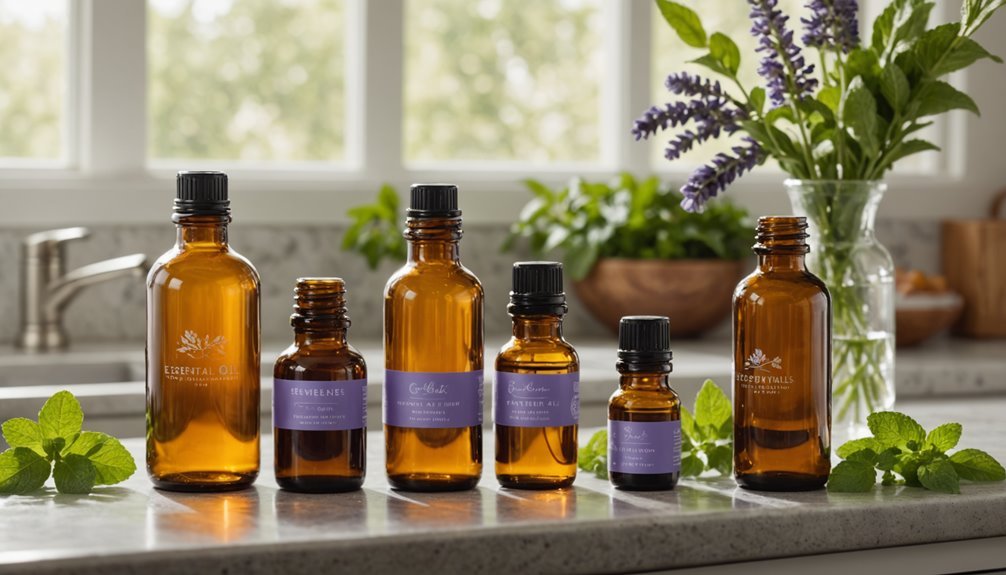
Understanding which essential oils kill cockroaches versus which ones simply drive them away can sharpen your pest-control strategy. Rosemary, oregano, and eucalyptus all delivered 100% mortality in brown-banded cockroach studies, making them your strongest lethal options. Peppermint and lavender, while effective deterrents, lack solid mortality data and work best as smell-based barriers.
| Essential Oil | Kills Roaches | Repels Roaches |
|---|---|---|
| Rosemary | ✅ 100% mortality | ✅ Yes |
| Eucalyptus | ✅ 100% at 5–30% | ✅ Yes |
| Oregano | ✅ 100% at 15–30% | ✅ 96.5–99.1% |
If you want elimination, reach for rosemary, oregano, or eucalyptus. If you’re managing entry points or sensitive spaces, peppermint and lavender offer safer, scent-driven protection without the aggressive chemical load. Research has also shown that Citrus hystrix oil can achieve up to 100% repellency against both German and American cockroaches, making it a notable option worth considering alongside the more commonly discussed oils.
How to Mix Essential Oils for a Cockroach Spray
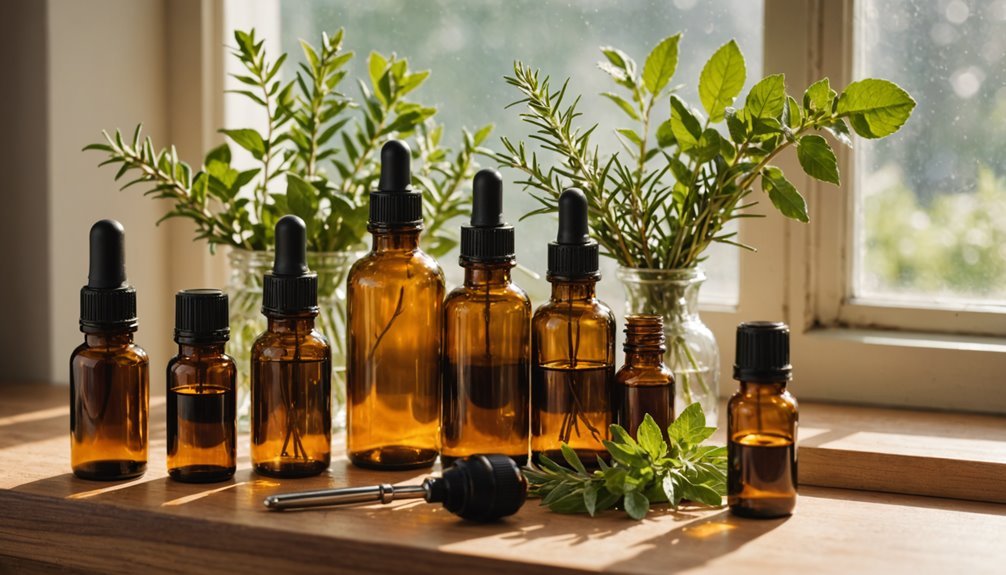
Once you’ve picked your oils based on whether you want to kill or repel roaches, the next step is turning them into a usable spray.
Use a glass or metal bottle since essential oils can break down plastic. Add your water first, then your oils, then any extras.
Starting Spray Formula
- 1 cup of water with 10–15 drops of your chosen oil
- Witch hazel or vodka to help the oils dissolve evenly
- A drop of dish soap to improve surface adherence
- Vinegar as an optional boost for pest control
Shake vigorously before the first use and before every application after that.
Reapply every few days or twice weekly to keep repellency consistent. Always test a small surface area first. Essential oils like peppermint, tea tree, and eucalyptus are especially effective because their strong fragrances disrupt cockroach sensory mechanisms.
How to Blend Multiple Oils for Stronger Results

Blending multiple essential oils creates a stronger scent profile than a single oil can deliver, combining minty, herbal, and spicy notes that broaden your odor barrier against cockroaches.
Your most effective combinations include peppermint with tea tree, or a fuller mix of peppermint, tea tree, lavender, eucalyptus, and cinnamon for maximum coverage.
To blend, add your chosen oils—such as 10 drops each of peppermint, tea tree, and lavender with 5 drops each of eucalyptus and cinnamon—into one cup of water or one ounce of carrier oil in a small bowl, then transfer the mixture to a clean spray bottle. Shake the bottle well before each use to ensure the oils and water are fully combined before applying the mixture to areas of infestation. Be sure to shake before use, as oil and water naturally separate when left to settle.
Why Blending Oils Works
When you combine multiple essential oils, you broaden the odor profile that cockroaches are exposed to, hitting them with several scent cues at once rather than a single-note smell. This creates a synergistic effect, where the combined blend outperforms any single oil working alone.
Benefits of Blending
- Target multiple areas like counters, baseboards, sinks, and appliance gaps in one application
- Layer repellent traits by pairing oils such as peppermint, tea tree, and eucalyptus
- Increase coverage consistency without needing excessive concentration
- Adapt your formula to different application methods, including sprays, cotton balls, or diffusers
Keep in mind that blends are still a temporary solution. You’ll need to reapply regularly to maintain their repellent effect.
Best Oil Combinations
A few oil pairings consistently outperform the rest based on both lab results and practical use. Oregano and rosemary make one of the strongest combinations — oregano delivers up to 99.1% repellency, while rosemary produced 100% mortality in lab testing.
If you want a repellent spray, try peppermint and tea tree together, since peppermint disrupts sensory receptors and tea tree adds broad repellent coverage. Peppermint and lavender also work well in a spray format, especially around baseboards and hiding spots.
For diffuser use, eucalyptus and rosemary provide area-wide scent coverage across active rooms. You can also blend multiple oils — a mix like cedarwood, rosemary, and lemon gives you layered repellent action without over-concentrating any single oil.
Simple Blending Instructions
Once you’ve picked your oil combinations, getting the ratios right makes the difference between a spray that actually works and one that fades within hours.
Add your oils to the bottle first, then pour in the water. A reliable starting blend is:
Reliable Starting Blend
- 15–20 drops of peppermint oil plus 10–15 drops of tea tree oil per cup of water
- 10 drops of eucalyptus oil plus 10 drops of rosemary oil for diffuser use
- 10 drops total per 3 ounces of water for a stronger spray
- Cotton balls soaked in blended oils work well in cabinets and corners
Label each bottle with oil names and drop counts.
Shake well before every use, and reapply every few days since oils don’t permanently blend with water.
Where to Spray Essential Oils for Cockroaches
You’ll get the best results by focusing your spray on the spots where cockroaches actually hide and travel—cracks, crevices, cabinet interiors, baseboards, under appliances, and areas near garbage or drains.
Avoid broad, random coverage and instead treat documented hotspots with a light, targeted application to keep the repellent effective without overspraying surfaces.
Since essential oils don’t leave a lasting residual effect, plan to reapply twice a week to maintain a consistent barrier in high-activity zones.
Key Application Areas
Knowing where to spray is just as important as which essential oil you choose—cockroaches follow predictable routes, so targeting the right spots maximizes your repellent’s impact.
Focus your applications on these key areas:
- Kitchens and food-prep surfaces – baseboards, cabinet interiors, under-sink plumbing, and stove surrounds where roaches travel and hide.
- Entry points – door frames, window edges, and wall cracks that cockroaches use to move indoors.
- Appliances and moisture zones – behind refrigerators, under stoves, and around drains where warmth and humidity attract harborage.
- Storage and concealed spots – drawers, cupboards, and tight nooks where roaches cluster away from light.
Combining these zones creates overlapping scent barriers that intercept cockroaches before they establish hiding spots.
Reapplication Tips and Timing
Targeting the right spots gives your repellent a fighting chance, but even a perfectly placed application loses its punch if you let it go stale. Essential oils fade fast, so you’ll need to reapply consistently to keep roaches out.
During an active infestation, spray every 3 to 5 days. Once activity drops, shift to a weekly schedule. For low-risk prevention, every 7 to 10 days is usually enough.
Peppermint and eucalyptus fade faster, needing reapplication every 3 to 4 days, while oregano holds longer — roughly once a week.
Spray at night to align with roaches’ nocturnal habits. Reapply after cleaning, rain, or any surface disruption.
If the scent fades or roaches reappear in treated zones, it’s time to spray again.
How to Use Cotton Balls for Hard-to-Reach Areas
Cotton balls soaked in essential oil are one of the most practical tools for treating areas that are too cramped or concealed for a spray bottle. Add 5–10 drops of peppermint, eucalyptus, or tea tree oil to each cotton ball, then tuck them into the spots roaches favor most:
Best Spots for Cotton Ball Placement
- Behind the refrigerator, where it’s dark and warm
- Under the kitchen sink, where moisture collects
- Inside pantry corners near stored food
- Behind the toilet or near garage corners
Use multiple small placements instead of one large one to cover more ground.
Since oils evaporate quickly, replace each cotton ball every 3–5 days to maintain potency. Keep them away from food-contact surfaces and treat this method as repellent support within a broader control routine.
How Often Should You Reapply for Cockroach Control?
How often you reapply depends on whether you’re dealing with an active infestation or just keeping roaches out.
For heavy activity, reapply every 3 to 5 days until pressure drops, then shift to a weekly maintenance schedule.
You’ll know it’s time to reapply when the scent fades noticeably or when you start seeing roach activity pick back up.
Recommended Reapplication Frequency
Because essential oils evaporate and lose potency over time, you’ll need to reapply them on a consistent schedule to keep cockroaches at bay. Your timing depends on your situation:
- Active infestations: Apply every 3 to 5 days until activity drops, then shift to weekly maintenance.
- Routine prevention: Reapply every 7 days to sustain a reliable repellent barrier.
- Low-risk or preventive areas: Every 7 to 10 days is typically sufficient.
- Peppermint and eucalyptus blends: These fade faster, so reapply every 3 to 4 days.
Shake your spray bottle before each use to keep the oil and water properly mixed.
Once roach activity decreases, weekly reapplication becomes your standard maintenance schedule going forward.
Signs Reapplication Is Needed
Knowing when to reapply is just as important as applying in the first place. The clearest sign is scent fade — when you can no longer smell the oil at a treated area, the repellent barrier has broken down and needs renewal.
If roaches start reappearing near baseboards, sinks, or entry points you’ve already treated, that’s confirmation the layer has lost its potency.
Check cotton balls, spray lines, and hidden placements regularly. If the odor is faint or gone, reapply.
Heat, moisture, and heavy traffic speed up evaporation, so those areas need closer monitoring. If roaches are moving through zones that were previously clear, don’t wait — the barrier isn’t working anymore.
Use your nose as a quick field test and act when the scent is gone.
How Essential Oils Compare to Chemical Sprays
When choosing between essential oils and chemical sprays, understanding their differences helps you pick the right tool for the situation. Each option has clear strengths depending on your needs:
Key Differences
- Repellency strength: Essential oils disrupt cockroach sensory systems but offer weaker, less consistent knockdown than chemical sprays.
- Speed: Chemical sprays work faster for large infestations; essential oils need time, repetition, and higher concentrations.
- Residual control: Volatile compounds evaporate quickly, so essential oils need reapplication every few days, while chemical sprays typically last longer.
- Safety: Essential oils leave no toxic residues, making them better for routine indoor use, while chemical sprays suit heavier infestations.
A practical approach combines both—use chemical sprays first, then maintain repellency with essential oils afterward. For more natural options beyond oils, see our guide to the best natural cockroach extermination methods.
Signs You Need Professional Cockroach Treatment Instead
Essential oils and other DIY methods work well for early-stage problems, but they have limits—so how do you know when it’s time to call a professional?
If you’re seeing roaches during the day, finding droppings, or noticing a musty odor, your infestation has likely grown beyond what repellents can handle.
| Warning Sign | What It Means |
|---|---|
| Daytime roach sightings | Harborages are overcrowded |
| Droppings, egg cases, shed skins | Active breeding is underway |
| Persistent musty odor | Heavy, hidden population |
| Spread to multiple rooms | DIY methods have failed |
Once roaches reach wall voids, baseboards, or non-food areas, professional crack-and-crevice treatment and targeted baiting become necessary. Continued activity after store-bought sprays confirms it’s time to stop experimenting and schedule an inspection.
Frequently Asked Questions
Are Essential Oils Safe to Use Around Pets and Children?
Caution matters here: essential oils carry real risks around pets and children. They’re toxic to cats and risky for kids under 3. Always ventilate rooms, limit diffusion time, and consult your vet before use.
Can Essential Oils Damage Surfaces Like Wood or Painted Walls?
Yes, essential oils can damage wood and painted walls. You’ll want to dilute oils before use, clean spills promptly, and place trays under diffusers to protect your surfaces from staining or residue buildup.
Do Essential Oils Lose Potency if Stored Incorrectly Before Use?
Yes, your essential oils absolutely lose potency if you store them incorrectly. You’ll want to keep them in dark glass containers, away from heat and light, and tightly sealed to prevent oxidation and evaporation.
Can Essential Oils Be Used Alongside Cockroach Bait Traps?
You can use essential oils alongside bait traps, but you shouldn’t spray them near bait stations. Apply oils to entry points and perimeters, letting traps handle attraction while oils repel roaches from unwanted areas.
Will Essential Oils Work if a Cockroach Infestation Is Already Severe?
If your infestation’s already severe, essential oils won’t solve it alone. They’ll reduce visible activity and create temporary barriers, but you’ll need sanitation, entry-point sealing, and professional pest control for full elimination.
What Essential Oil Concentration Works Best Against Roaches?
There’s no single magic number, since it depends on the oil and whether you want repellency or mortality. The studies behind this guide show oregano hitting 96.5%–99.1% repellency between 2.5% and 30% concentration, and eucalyptus reaching 100% mortality at 5%–30%. For a standard DIY spray, 10–15 drops per cup of water lands you in an effective range without needing lab-grade concentrations.
Conclusion
Essential oils like oregano, peppermint, and tea tree can genuinely help you keep cockroaches at bay using a safer, natural approach. You’ll need to reapply regularly and combine methods for the best results. But if you’re dealing with a serious infestation, don’t rely solely on essential oils. Knowing when to call a professional can save you time and frustration. Use these oils as part of your overall prevention strategy, not your only line of defense — for a complete natural prevention plan, see our guide to how to prevent cockroaches naturally.
