
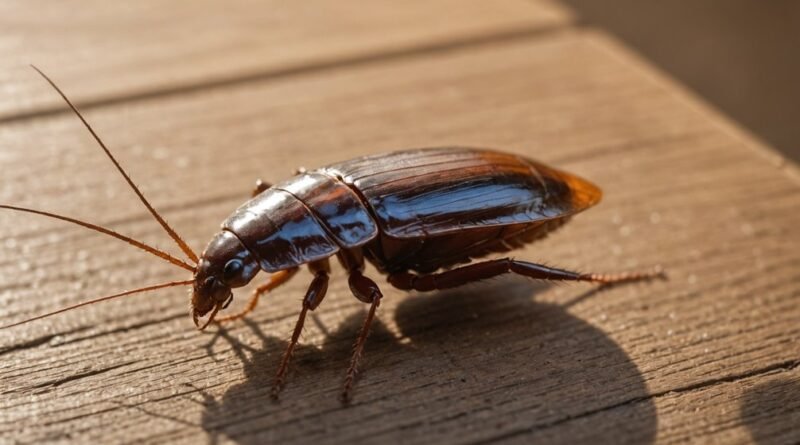
How Far Can Cockroaches Travel
Cockroaches can travel farther than you’d expect. On foot, they’re capable of running up to 3 miles per hour, and flying species can cover as many as 100 miles in a single day. Most cockroaches, though, tend to stay within 20 feet of their nesting sites. Their range depends heavily on the species, their environment, and what’s driving them to move — and there’s a lot more to unpack there.
Key Takeaways
- Cockroaches can run up to 3 miles per hour, covering roughly 3 miles in one hour under ideal conditions.
- Some flying species, like the American cockroach, can travel up to 100 miles in a single day.
- Most cockroaches stay within 20 feet of their nesting sites, with German cockroaches remaining within 10 to 12 feet.
- Cockroaches travel through pipes, drains, and wall voids, spreading across buildings without crossing open spaces.
- Movement is driven by survival needs, including searching for food, water, warmth, and suitable shelter.
How Fast and Far Can Cockroaches Actually Travel?
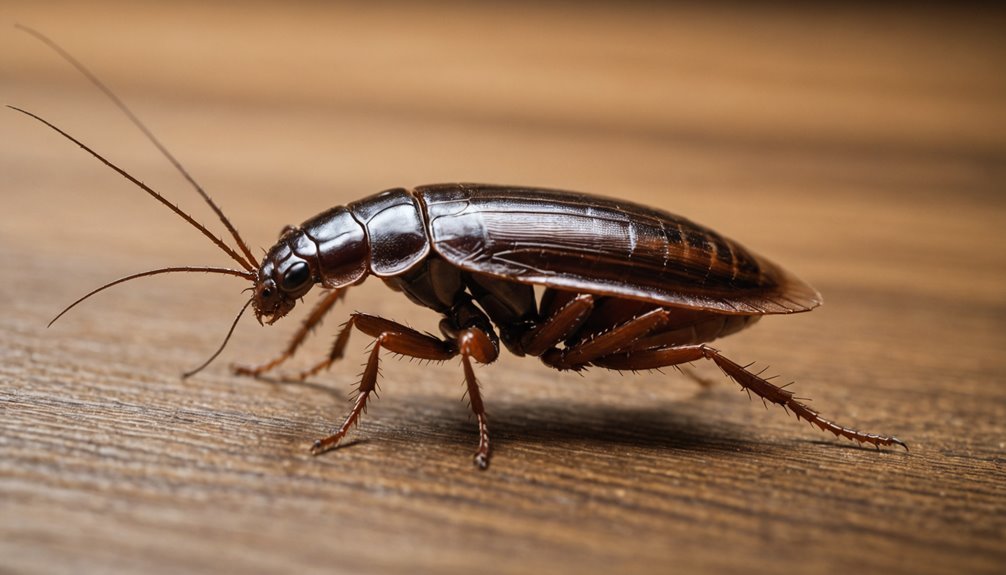
Cockroaches are surprisingly fast for their size, capable of running up to 3 miles per hour under ideal conditions. That means an uninterrupted cockroach could cover roughly 3 miles in a single hour. They can also leap up to 3 inches in the air, helping them navigate obstacles and tight spaces quickly.
In practice, though, you won’t find them sprinting across entire buildings. Most cockroaches stay within 20 feet of their nesting site, especially when food, water, and shelter are nearby. German cockroaches typically remain within 10 to 12 feet of a food source.
Over a full night, cockroaches can travel up to 3 miles while searching for resources. That distance increases when their environment is disturbed or supplies run low. Some species, however, are capable of covering up to 100 miles in a day by taking to the air.
German vs. American Cockroaches: Which Species Travels Farther?
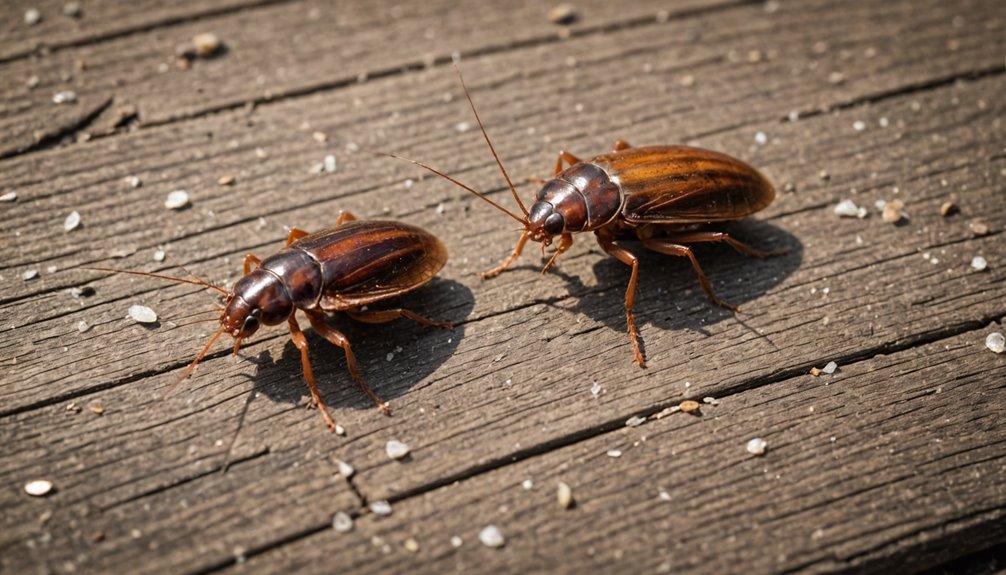
Not all cockroaches roam the same way. German cockroaches tend to stay close to their harborage, usually within 10 to 12 feet of food and water.
You’ll typically find them tucked into cracks, corners, and appliances inside kitchens and bathrooms. They rarely fly and aren’t built for outdoor survival, so their movement stays localized within a building.
American cockroaches cover far more ground. They live in sewers, basements, crawl spaces, and utility systems, moving through connected damp structures across property lines.
Unlike their German counterparts, they can fly, which gives them a clear mobility advantage. Weather changes and moisture shifts often push them into new areas, making long-range dispersal more common.
If you’re seeing German cockroaches, you’re dealing with a contained indoor problem.
If you’re seeing American cockroaches, they’re likely traveling in from outside through drains, pipes, or nearby outdoor harborages. At roughly 1½ to 2 inches in length, American cockroaches are significantly larger than German cockroaches, giving them the physical capacity to navigate a wider range of environments and entry points.
How Cockroaches Move Through Walls, Pipes, and Shared Spaces
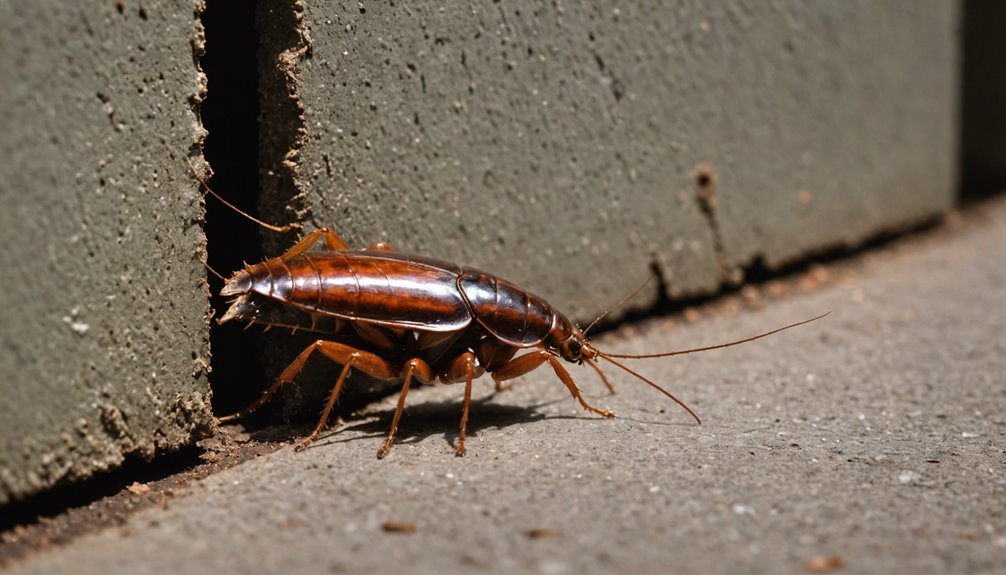
Behind the walls and under the floors of any building, cockroaches use a hidden network of pipes, drains, and structural voids to move between rooms without ever crossing open space. Shared plumbing, wall cavities, and drainage systems act as concealed corridors, connecting kitchens, bathrooms, and even separate units in multi-family buildings.
Cockroaches travel through pipes, drains, and wall voids — moving freely between rooms without ever crossing open space.
You’ll often find them entering through floor drains, gaps around pipe penetrations under sinks, or dried-out drain traps that no longer block access.
Wall voids near pipe runs stay warm and damp, making them ideal travel routes that keep roaches hidden and difficult to track.
In apartments or condos, a single infestation can spread to neighboring units through shared infrastructure without any direct room-to-room contact.
Sealing pipe gaps, keeping drains active, repairing leaks, and fixing damaged caulking removes the conditions that make these pathways usable and helps stop movement before it reaches additional areas. Crawlspace vents and missing screens on weep holes give cockroaches direct access into a structure’s interior wall network. Crawlspace vent screens that are damaged or absent are often overlooked entry points that connect outdoor populations to the hidden travel routes inside.
What Drives Cockroaches to Move Into New Areas?
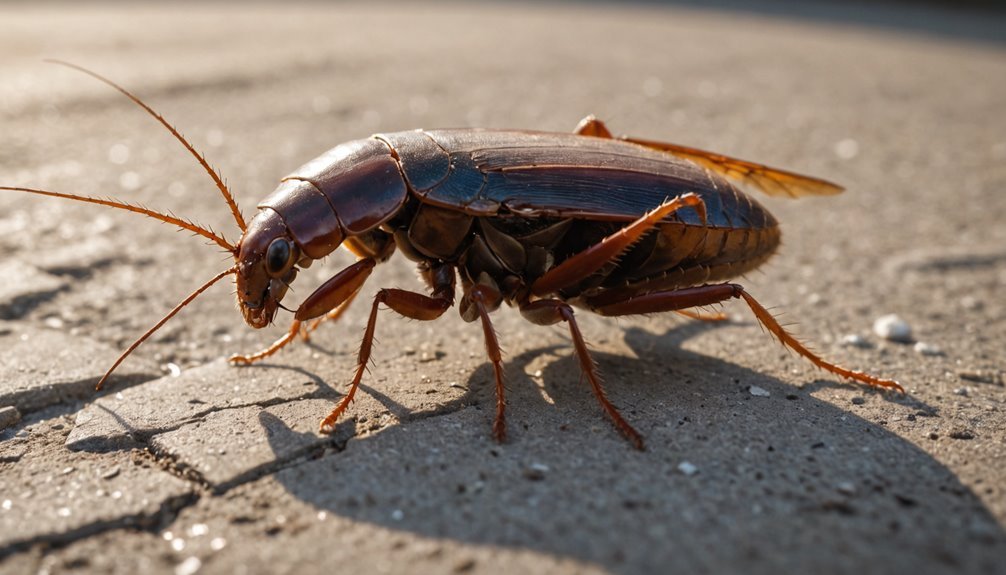
When cockroaches move into new areas, they’re following basic survival needs: food, water, shelter, and warmth. Understanding what pulls them forward helps you cut off those triggers before an infestation spreads.
| Driver | What Attracts Them |
|---|---|
| Food and moisture | Crumbs, grease, leaks, and damp plumbing |
| Shelter and warmth | Wall voids, clutter, appliances, and heated spaces |
| Neighboring populations | Shared walls, utility lines, and infested items |
Kitchens, bathrooms, and cluttered storage areas check multiple boxes at once, making them frequent targets. Roaches don’t just wander randomly — they’re responding to reliable signals in your space.
Cold weather pushes them deeper indoors, where warmth concentrates near appliances and plumbing. Nearby infestations accelerate the spread because roaches migrate through shared walls and utility penetrations into fresh harborage.
Fixing leaks, reducing clutter, and sealing entry points removes the conditions that make your space worth moving into. Cockroaches are omnivores, meaning they can consume an extraordinarily wide range of materials — including non-food items — which gives them even more incentive to explore new areas in search of sustenance.
Where Cockroaches Come From When You Find One in Your Home
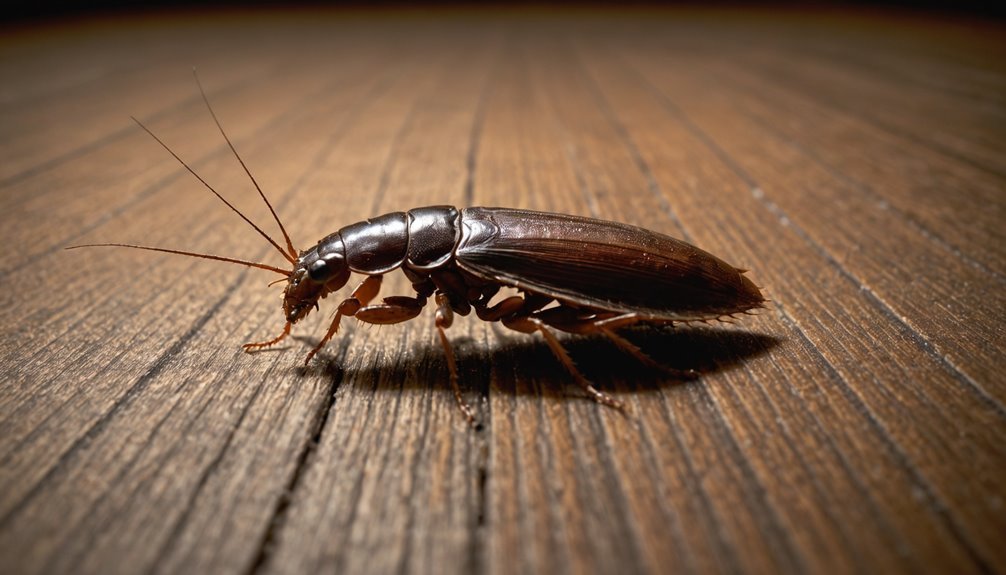
Finding a single cockroach usually means more are nearby — but where they came from tells you as much as how many there are.
They rarely appear from nowhere. Most enter through cracks, gaps under doors, drains, or shared walls in multi-unit housing. Others hitchhike inside boxes, groceries, or used furniture you carried in yourself.
Ask yourself what changed before you spotted it:
- That secondhand couch you brought home last week may have delivered an entire hidden colony.
- The cardboard boxes from your last grocery run are prime roach transport vessels.
- Your neighbor’s infestation is quietly becoming yours through shared walls.
- A slow or unused drain beneath your sink is an open highway from the sewer.
- The roach may have already been living in your home long before you noticed.
Pinpointing the source isn’t just helpful — it’s the only way to stop more from following. Cockroaches are drawn to warmth, moisture, and food sources, which is why kitchens and bathrooms are almost always where an infestation takes hold first.
Frequently Asked Questions
Can Cockroaches Travel Between Floors in a Multi-Story Building?
Yes, cockroaches can travel between floors in your building through pipes, wall voids, electrical openings, and door gaps. They’ll move more when food, water, or shelter becomes scarce in their current location.
Do Cockroaches Travel Farther During Certain Seasons of the Year?
Yes, you’ll notice cockroaches travel farther during warm, humid seasons like summer. They’re most active from June through September, roaming wider areas for food and mates, but they’ll contract their range considerably during colder months.
How Far Can Cockroaches Spread by Hitchhiking in Luggage or Belongings?
When you carry infested luggage, cockroaches can hitchhike across cities, states, or even countries. They’ll hide in zippers, clothing, and electronics, traveling whatever distance your belongings do, potentially starting new infestations wherever you unpack.
Does Pesticide Use Cause Cockroaches to Travel Into Previously Unaffected Areas?
Yes, pesticide use can drive cockroaches into previously unaffected areas. When you apply repellent treatments, you’ll push them through plumbing chases, gaps under doors, and wall openings, shifting the infestation rather than eliminating it.
Can a Single Cockroach Travel Far Enough to Start a New Infestation?
Yes, a single cockroach can travel far enough to start a new infestation. If it’s a fertile or egg-carrying female that finds food, water, and shelter near you, it’ll multiply quickly.
Conclusion
Now that you know how far cockroaches can travel, you’re better equipped to deal with an infestation before it spreads. These pests don’t stop at walls or floors — they’ll squeeze through tiny gaps, crawl through pipes, and hitchhike on your belongings to reach new areas. Don’t ignore even a single cockroach sighting. Take action immediately by sealing entry points, eliminating food sources, and contacting a pest control professional if needed.
