
What Baby Cockroaches Look Like, Identification Guide With Photos
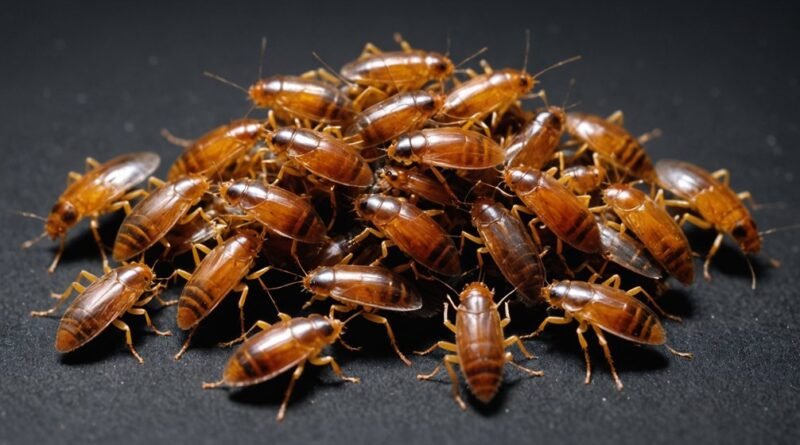
Baby cockroaches, called nymphs, are small, wingless, and fast-moving with oval flattened bodies, long antennae, and six spiny legs. They hatch white or pale and darken within hours to their species coloration. German nymphs are light brown with two dark parallel stripes. American nymphs are larger and grayish-brown. Oriental nymphs are dark and shiny. Brown-banded nymphs are slim with light cross-bands. Finding multiple nymph sizes in kitchens, bathrooms, or cracks is a reliable sign of an active cockroach infestation with ongoing breeding nearby.
Key Takeaways
Baby cockroaches look different from adults in several consistent ways that help with identification across all species.
- All cockroach nymphs are wingless through every developmental stage, distinguishing them from most other small household insects.
- Newly hatched nymphs are white or pale and harden to their species coloration within hours; shed skins found in cracks indicate active molting nearby.
- German nymphs are light brown with two dark parallel stripes on the back; American nymphs are larger, pale to grayish-brown with less distinct markings.
- Oriental nymphs are dark brown to nearly black with uniform coloration; brown-banded nymphs are slim with crisp light bands across the body.
- Finding various-sized nymphs together confirms an active infestation with multiple generations present, not a stray adult cockroach.
General Appearance of Baby Cockroaches
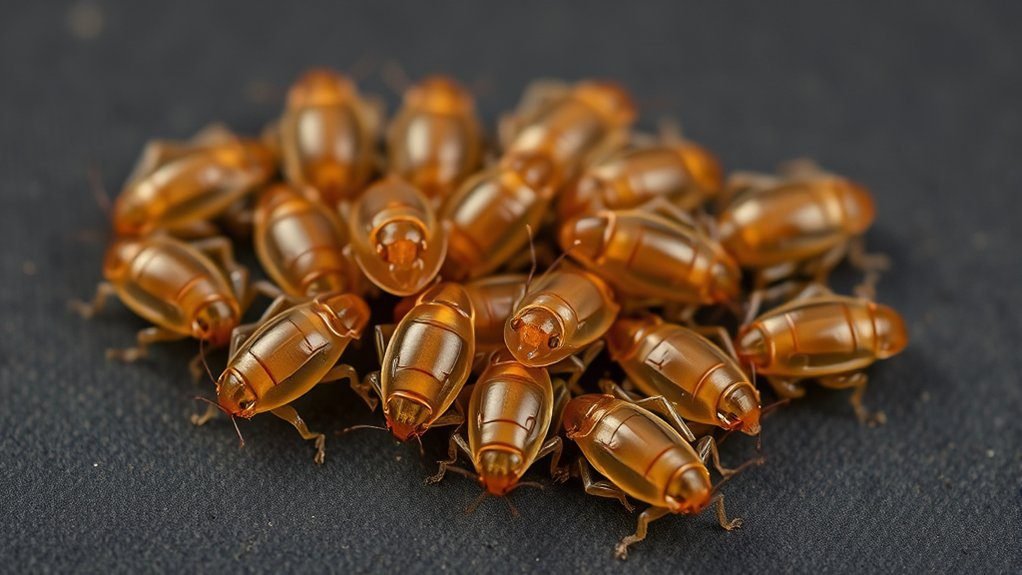
Baby cockroaches share a consistent set of physical characteristics across all species that distinguish them from adult cockroaches and from other small household insects. The most important identification feature is the complete absence of wings at all nymph stages. While many small insects develop wing pads visible from early instars, cockroach nymphs remain fully wingless until their final molt to adulthood. This makes winglessness the single most reliable characteristic for confirming you are looking at a nymph rather than a small adult of another species.
The body shape of cockroach nymphs is oval and flattened, which allows them to slip into cracks and gaps too narrow for most other insects. Their heads are partially shielded by the plate-like pronotum of the thorax, with mouthparts pointing backward. Two short cerci at the rear of the abdomen function as vibration sensors that trigger their rapid escape behavior when disturbed. Six spiny legs end in tiny claws that enable them to climb vertical surfaces including glass and polished metal.
Color Changes From Hatch to Adulthood
All cockroach nymphs hatch white or nearly colorless. The pale coloration is because the cuticle has not yet hardened or developed its pigmentation. Within hours of hatching, the exoskeleton begins to harden and darken toward the species-characteristic coloration. This white-to-colored transition is consistent across species and is one of the clearest indicators that you have found a very recently hatched nymph.
- Newly hatched: white, soft, nearly translucent body that darkens rapidly within the first few hours
- Early instars: lighter than adult coloration with markings becoming more defined through successive molts
- Later instars: approach adult coloration and body proportions; still wingless but increasingly similar in appearance to adults
- Final instar: just before the adult molt, wing pads become visible as small stubs on the thorax but do not yet function
After each molt, nymphs leave behind a shed exoskeleton, called an exuvia, that retains the shape of the nymph that emerged from it. Finding multiple shed skins in a location during inspection confirms that molting is occurring actively there and that a harborage with developing nymphs is nearby.
Species-by-Species Baby Cockroach Identification
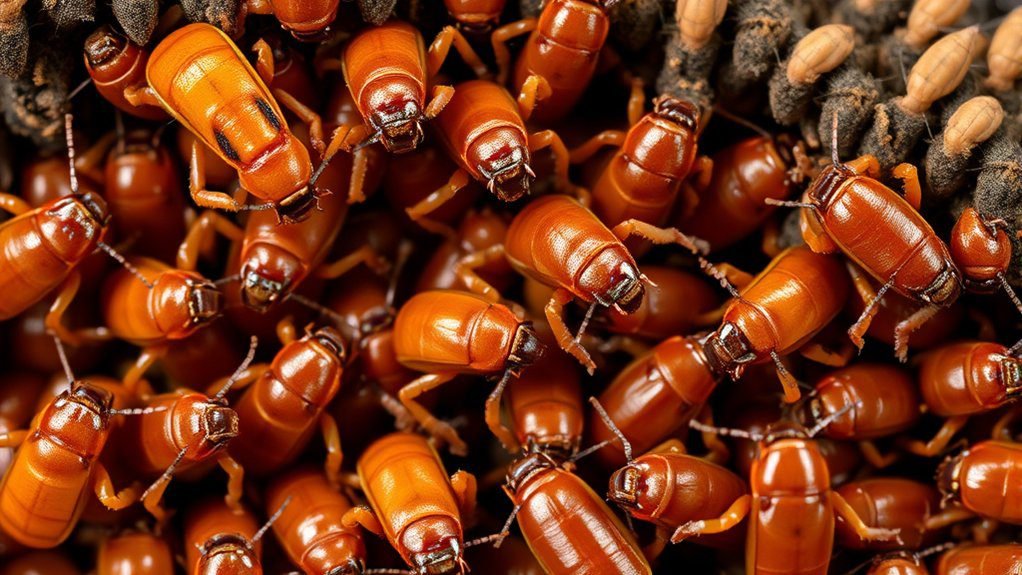
Accurate species identification from nymph appearance matters because different cockroach species have different habitat preferences, lifecycle timelines, and primary harborage zones. Identifying the species from nymph coloration and markings guides where to focus inspection and what control measures to prioritize.
German Cockroach Nymph Appearance
German cockroach nymphs are the most commonly encountered baby cockroaches in residential kitchens and bathrooms in the United States. They are light brown with two dark parallel stripes running the length of the pronotum, a marking that persists from early nymph stages through adulthood. First instar German nymphs are approximately 3 millimeters long. They reach adulthood in 50 to 60 days under favorable conditions. The small size, speed, and characteristic two-stripe pattern make German nymphs distinguishable from all other common pest species.
American Cockroach Nymph Appearance
American cockroach nymphs are significantly larger than German nymphs at comparable developmental ages. They hatch at approximately 5 millimeters and grow to around 30 millimeters before reaching adulthood, a process that takes 6 to 12 months. Early instars appear pale to grayish-brown with subtle banding that becomes less distinct in later stages. Older American nymphs develop the reddish-brown coloration of adults without the distinctive German stripe markings. Their larger size, rounder body shape, and lack of parallel pronotal stripes distinguish them from German nymphs.
Oriental Cockroach Nymph Appearance
Oriental cockroach nymphs emerge dark and become progressively darker through development, ultimately approaching the shiny brown-black coloration of adults. They have uniform coloration with no distinctive banding or stripe markings, which is the primary visual distinction from German and brown-banded nymphs. Oriental nymphs hatch at approximately 6 millimeters and reach about 12 millimeters at adulthood. Their preference for cool, damp basement and crawl space environments means oriental nymph sightings in these locations rather than kitchen areas helps confirm the species identification.
Brown-Banded Cockroach Nymph Appearance
Brown-banded cockroach nymphs are the slimmest of the common pest species and are distinctively marked with two pale bands crossing the abdomen horizontally, giving them their common name. Their heads are typically darker than the body, and they remain smaller than German nymphs, reaching only about 10 millimeters at adulthood. The two pale cross-bands are visible from early nymph stages and persist through the adult. Brown-banded nymphs are found in different locations from other species: they prefer elevated indoor harborage including the undersides of furniture, inside electronics, and in bedroom areas rather than kitchens and bathrooms.
Smokybrown Cockroach Nymph Appearance
Smokybrown cockroach nymphs show a distinctive coloration pattern in early instars: a white or tan band across the middle body segment against a darker background, which fades as they develop toward the uniform dark mahogany adult coloration. This midsection light band distinguishes young smokybrown nymphs from oriental nymphs, which lack any such marking. Smokybrown nymphs are found primarily outdoors in mulch, leaf litter, and tree harborage rather than indoors, so finding them inside typically indicates entry from adjacent outdoor harborage rather than an established indoor infestation.
Growth Stages, Molting, and Development
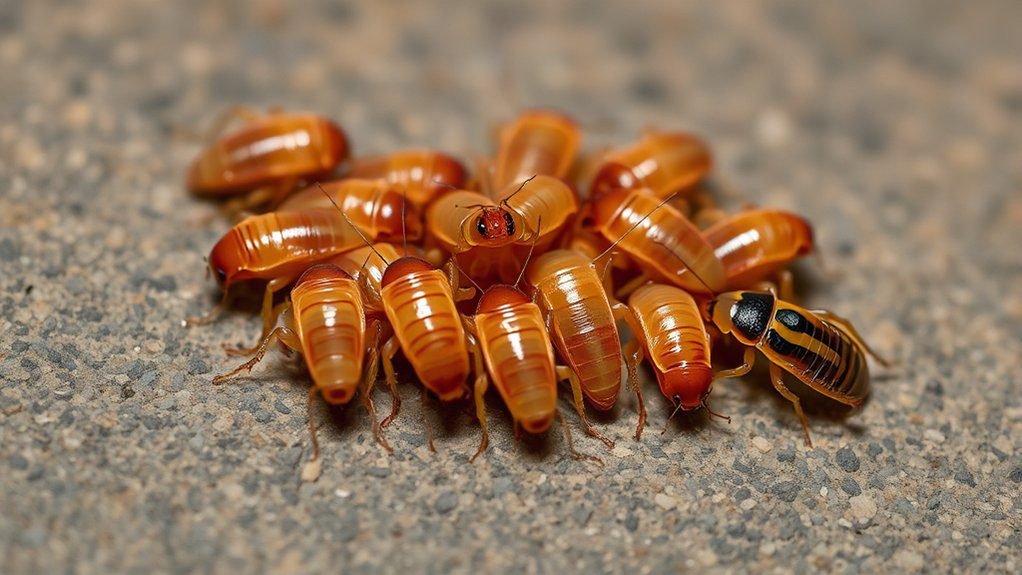
Cockroach nymphs develop through incomplete metamorphosis, meaning they do not pass through a pupal stage. Instead, they progress through a series of molts called instars, with each molt producing a slightly larger, more developed nymph until the final molt produces the winged adult. The number of instars varies by species: German cockroaches complete 5 to 7 instars, American cockroaches go through 9 to 14, and oriental cockroaches complete 7 to 10 molts before reaching adulthood.
Development speed depends primarily on temperature and humidity. At warm temperatures between 75 and 85 degrees Fahrenheit with adequate humidity, nymphs develop faster and mortality rates are lower. Cool, dry conditions slow development significantly and increase mortality rates, particularly for early instars that have not yet developed full desiccation resistance.
Using Size to Estimate Nymph Development Stage
Nymph size provides a rough estimate of development stage when exact species is known, which helps estimate how long a colony has been established.
- German cockroach: 3 mm at first instar to approximately 12 mm at the final instar before adulthood
- American cockroach: 5 mm at hatch to approximately 30 mm at final instar
- Oriental cockroach: 6 mm at hatch to approximately 12 mm at final instar
- Brown-banded cockroach: 1.5 mm at hatch to approximately 10 mm at final instar
Finding nymphs across a range of sizes in the same location confirms that multiple generations are present and that the infestation has been producing new offspring over multiple weeks or months. A single size class of nymphs suggests a more recently established infestation.
How to Distinguish Baby Cockroaches From Other Small Insects
Baby cockroaches are frequently confused with several other small household insects. Correct identification matters because control methods differ significantly between pest types.
Bed bugs are a common source of confusion because they are similar in size to small cockroach nymphs and are also wingless and oval. The key differences are body shape and behavior: bed bugs are rounder and more uniform in color without the elongated oval shape and distinct head of cockroach nymphs, and they are found in bedroom areas near sleeping surfaces rather than in kitchen and bathroom crevices. Cockroach nymphs move far faster than bed bugs when disturbed.
Cockroach Nymphs vs Beetles and Other Insects
- Carpet beetles: smaller and rounder than cockroach nymphs, with visible hairs or scales and very different movement behavior; do not dart toward cracks when disturbed
- Silverfish: similar speed and crack-seeking behavior but elongated fish-like body shape, three tail filaments, and characteristic silvery color distinguish them clearly from cockroach nymphs
- Booklice: much smaller than cockroach nymphs with a distinctly different head shape and soft body; found in damp paper materials rather than kitchen crevices
- Cricket nymphs: similar size range but have distinctly different leg structure with enlarged jumping hind legs and a more rounded head profile
The most reliable distinguishing features for cockroach nymphs are the specific combination of oval flattened body, complete winglessness at all stages, six spiny legs, and rapid darting movement toward dark cracks when disturbed. No other common household insect combines all four of these characteristics.
Where to Find Baby Cockroaches and What Their Presence Means
Baby cockroaches give away the location of harborage zones even when adult cockroaches are not visible during inspection. Finding nymphs is more diagnostic than finding adults because nymphs stay close to their harborage zone and emergence point due to their limited mobility and vulnerability.
In kitchens, look inside cabinet bases along the back wall and in corner seams, inside cabinet hinges and drawer tracks, behind and beneath the refrigerator and stove, and under sinks near pipe penetrations. In bathrooms, check inside vanity cabinet bases, around the toilet base, and near drain openings. In basements and utility areas, orient and American cockroach nymphs appear near floor drains, behind water heaters, and along basement wall edges.
What Nymph Sightings Tell You About Infestation Severity
- Single nymph sighting during daytime: possible early infestation or stray; place sticky monitoring traps in the area to confirm activity levels
- Multiple nymphs of similar size: recently hatched group from a single egg case; suggests a newly establishing infestation in early stages
- Multiple nymphs across different size ranges: multiple generations present; confirms the infestation has been active for weeks or months with ongoing egg production
- Daytime nymph sightings in open areas: population pressure has become high enough that nymphs are being displaced from harborage during the day, indicating a heavy infestation
- Nymphs in bedrooms or living areas rather than kitchen or bathroom: possible brown-banded cockroach species or a German cockroach infestation that has spread significantly beyond initial harborage zones
A thorough DIY inspection using a flashlight and mirror in all confirmed harborage zones, paired with sticky monitoring traps, provides the most complete picture of infestation extent before deciding on a treatment approach.
What to Do When You Find Baby Cockroaches
Finding baby cockroaches in your home confirms an active infestation with a breeding colony nearby. The presence of nymphs means adult cockroaches have been present long enough to mate and produce egg cases, and at least one egg case has hatched. Treatment needs to address both the adults and the egg cases that may still be incubating.
Begin with sanitation: remove food debris, fix water leaks, dry moisture-prone areas under sinks and around drains, and eliminate clutter that provides harborage. These steps reduce the resources sustaining the colony regardless of what chemical treatments follow. Deploy sticky monitoring traps in all nymph sighting locations to track population levels and confirm treatment progress.
Gel baits and insect growth regulators placed precisely in the harborage zones where nymphs were found address both the feeding population and the reproductive cycle. IGRs specifically prevent nymphs from maturing to reproductive adults, interrupting the cycle that produced the nymphs you found. Professional pest control is warranted if the infestation spans multiple rooms, if nymph sightings continue after two rounds of correctly applied DIY treatment, or if multiple size classes of nymphs are present across the home.
Frequently Asked Questions
Do Baby Cockroaches Bite or Pose Health Risks?
Baby cockroaches very rarely bite humans. Biting incidents are isolated cases where a nymph was trapped against skin. The primary health risks from cockroach nymphs are the same as from adults: they carry and deposit bacteria including Salmonella and E. coli on food and surfaces, and their droppings, shed exoskeletons, and body parts are potent allergens that trigger asthma attacks and allergic reactions in sensitized individuals. Nymphs concentrated in harborage zones deposit allergens in those areas, which accumulate in household dust and become airborne during cleaning.
How Long Do Baby Cockroaches Survive Without Food or Water?
Nymphs survive shorter periods without food and water than adults because of their smaller body mass and developing desiccation resistance. Without water, most cockroach nymphs die within 3 to 7 days under typical indoor conditions. Without food, they can survive somewhat longer, approximately one to two weeks, depending on species and temperature. This moisture dependency makes reducing indoor humidity and fixing leaks a direct control measure rather than just a preventive one; it actively degrades survival conditions for nymphs in harborage zones.
What Attracts Baby Cockroaches to Specific Areas?
Cockroach nymphs stay close to the harborage zone where they hatched because they are attracted by the same aggregation pheromones in adult feces that directed the female to deposit her egg case there. Food debris, grease, warmth, darkness, and moisture in the immediate area reinforce their presence. Nymphs are also attracted to the scent of adult feces and other nymph colony members. Cleaning away fecal deposits and pheromone traces during treatment reduces the chemical signals that keep nymphs concentrated in a specific location.
Are Baby Cockroaches Active During the Day?
Cockroach nymphs are primarily nocturnal. Daytime sightings of nymphs in open areas are a reliable indicator that the infestation has reached a level where population pressure in the harborage zone is displacing individuals during daylight hours. Occasional daytime sightings of a single nymph in a crack or along a wall edge are less significant than multiple daytime sightings across open countertops or floors, which signal a heavy infestation requiring immediate treatment response.
Can Baby Cockroaches Climb Smooth Surfaces Like Glass?
Yes. Cockroach nymphs climb smooth vertical surfaces including glass, polished metal, and painted walls using tiny claws and adhesive pads called arolia on each foot that function through wet adhesion. They can climb most indoor surfaces that adult cockroaches can scale. They have difficulty only on extremely slick surfaces that are clean and dry, such as freshly cleaned glass. Smooth-walled pitfall traps or containers with petroleum jelly applied to the inner rim can be used to capture nymphs in monitoring traps because the combination prevents the arolia from gaining sufficient grip.
{
“@context”: “https://schema.org”,
“@type”: “FAQPage”,
“mainEntity”: [
{
“@type”: “Question”,
“name”: “Do Baby Cockroaches Bite or Pose Health Risks?”,
“acceptedAnswer”: {
“@type”: “Answer”,
“text”: “Baby cockroaches very rarely bite humans; biting incidents are isolated cases where a nymph was trapped against skin. The primary health risks are the same as from adults: they carry and deposit bacteria including Salmonella and E. coli on food and surfaces, and their droppings, shed exoskeletons, and body parts are potent allergens that trigger asthma attacks and allergic reactions in sensitized individuals. Nymphs concentrated in harborage zones deposit allergens that accumulate in household dust and become airborne during cleaning.”
}
},
{
“@type”: “Question”,
“name”: “How Long Do Baby Cockroaches Survive Without Food or Water?”,
“acceptedAnswer”: {
“@type”: “Answer”,
“text”: “Nymphs survive shorter periods without food and water than adults because of their smaller body mass and developing desiccation resistance. Without water, most cockroach nymphs die within 3 to 7 days under typical indoor conditions. Without food, they can survive approximately one to two weeks depending on species and temperature. This moisture dependency makes reducing indoor humidity and fixing leaks a direct control measure that actively degrades survival conditions for nymphs in harborage zones.”
}
},
{
“@type”: “Question”,
“name”: “What Attracts Baby Cockroaches to Specific Areas?”,
“acceptedAnswer”: {
“@type”: “Answer”,
“text”: “Cockroach nymphs stay close to the harborage zone where they hatched because they are attracted by the same aggregation pheromones in adult feces that directed the female to deposit her egg case there. Food debris, grease, warmth, darkness, and moisture reinforce their presence. Cleaning away fecal deposits and pheromone traces during treatment reduces the chemical signals that keep nymphs concentrated in a specific location and can disperse them toward bait placements.”
}
},
{
“@type”: “Question”,
“name”: “Are Baby Cockroaches Active During the Day?”,
“acceptedAnswer”: {
“@type”: “Answer”,
“text”: “Cockroach nymphs are primarily nocturnal. Daytime sightings of nymphs in open areas are a reliable indicator that the infestation has reached a level where population pressure in the harborage zone is displacing individuals during daylight hours. Multiple daytime sightings across open countertops or floors signal a heavy infestation requiring immediate treatment response, whereas occasional daytime sightings of a single nymph in a crack are less significant.”
}
},
{
“@type”: “Question”,
“name”: “Can Baby Cockroaches Climb Smooth Surfaces Like Glass?”,
“acceptedAnswer”: {
“@type”: “Answer”,
“text”: “Yes. Cockroach nymphs climb smooth vertical surfaces including glass, polished metal, and painted walls using tiny claws and adhesive pads called arolia on each foot that function through wet adhesion. They can climb most indoor surfaces that adult cockroaches can scale. They have difficulty only on extremely slick surfaces that are clean and dry. Smooth-walled pitfall traps or containers with petroleum jelly applied to the inner rim can capture nymphs in monitoring traps because the combination prevents the arolia from gaining sufficient grip.”
}
}
]
}
