
Where Do Cockroaches Hide in the House?
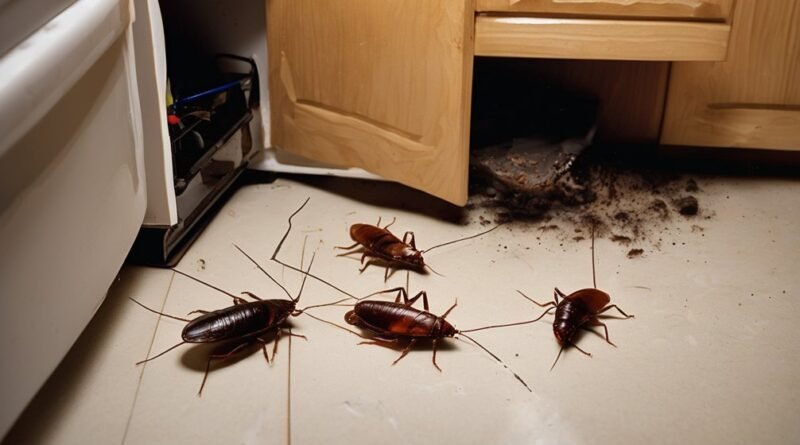
You’ll find cockroaches lurking in the darkest, most secluded corners of your home, skillfully evading detection while establishing their colonies. These pests don’t randomly pick their hideouts — they strategically choose locations offering moisture, food, warmth, and protection from disturbance. 82% of cockroaches prefer to hide in kitchen cabinets, and nearly 54% hide inside wall cracks and crevices — meaning the most common cockroach hiding spots are the ones homeowners are least likely to inspect during regular cleaning. Understanding exactly where cockroaches hide is essential for effective inspection, targeted treatment, and lasting prevention.
Key Takeaways
- Cockroaches commonly hide in kitchen areas near appliances, under sinks, and inside cabinets — 82% prefer kitchen cabinets as their primary hiding location.
- Bathrooms provide ideal hiding spots around plumbing fixtures, inside vanities, and near pipes due to constant moisture — 67% of cockroach infestations are found near plumbing leaks.
- Nearly 54% of cockroaches hide inside wall cracks and crevices, gaining protected access to food sources while remaining invisible during daylight hours.
- 39% of cockroaches seek shelter behind appliances like refrigerators and stoves where warmth from motors and accumulated food debris create ideal conditions.
- About 29% of cockroaches are found in warm, damp basements or crawl spaces — making lower-level areas a critical inspection priority even when no cockroaches are visible in living areas.
Understanding Cockroach Behavior and Habitat Preferences
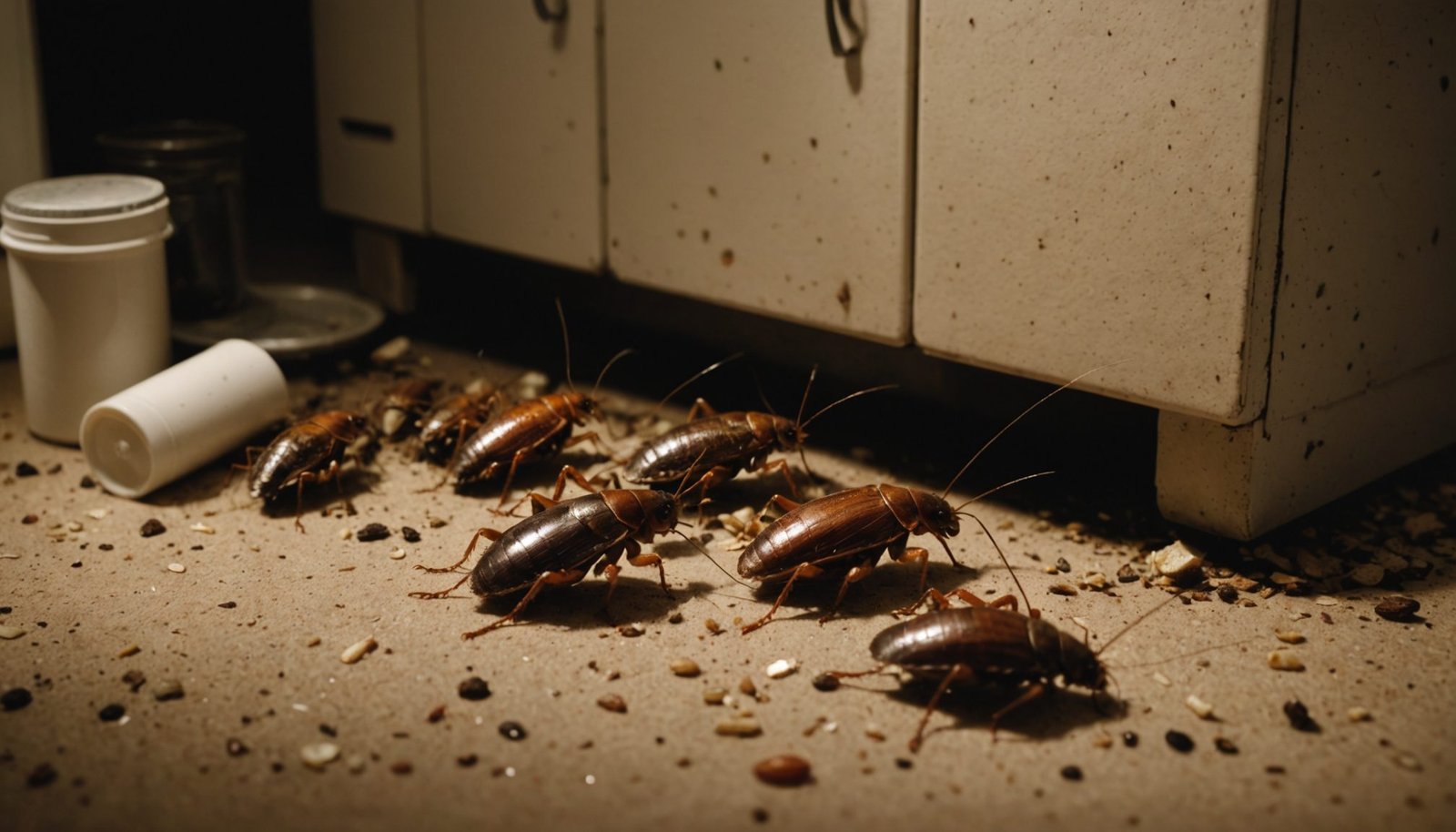
While most homeowners only catch glimpses of cockroaches at night, these nocturnal insects have specific habitat preferences that determine exactly where they hide during the day. Cockroaches seek tight, narrow spaces where they can feel secure with their bodies touching multiple surfaces simultaneously — a behavior called thigmotaxis that provides the physical contact they need for rest and security. They are drawn to dark, warm, and moist environments that protect them from predators, light, and temperature extremes.
Different species have distinct hiding preferences that inform where to focus inspection efforts. German cockroaches favor kitchen and bathroom areas where food and moisture are most concentrated, clustering in groups within cabinet cracks and appliance gaps. American cockroaches prefer basements, laundry rooms, and utility spaces with access to sewer infrastructure — they are the species most likely to be found in floor drains, crawl spaces, and basement perimeter walls. Brown-banded cockroaches uniquely seek high, warm spots near ceilings, often inhabiting electronics, upper cabinet corners, and furniture joints in living areas away from moisture. Oriental cockroaches favor cool, damp environments including floor drains, basement walls, and outdoor areas near the building foundation. Most importantly, all species gravitate toward water sources — cockroaches can survive a month without food but only a week without water, making moisture-rich hiding locations the highest priority inspection zones. See our complete cockroach habitat guide for a species-by-species breakdown of preferred living conditions.
Common Kitchen Hiding Spots
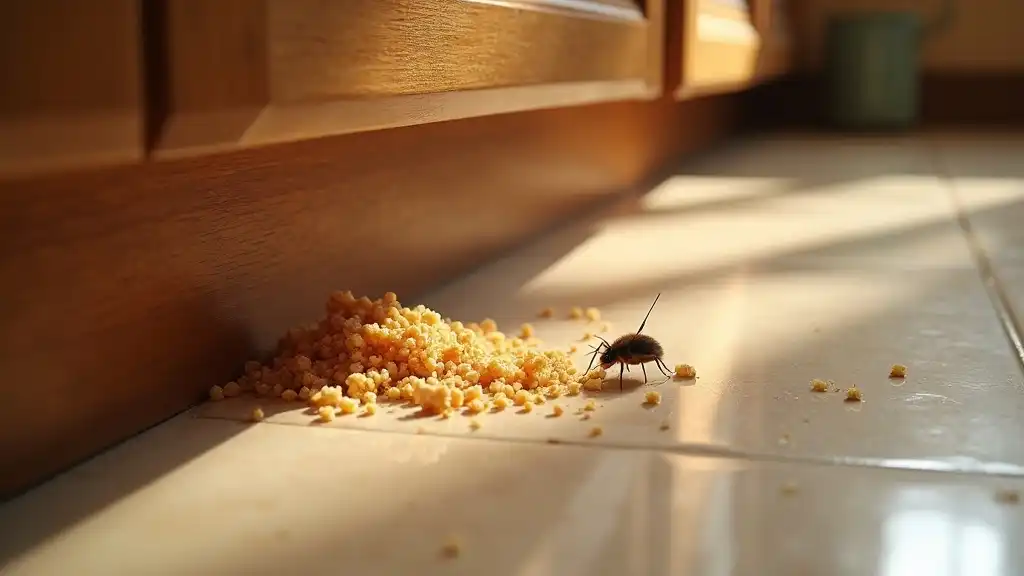
Kitchens provide cockroaches with the essential combination of food, moisture, and warmth in close proximity, making them the primary hiding and nesting zone for the most common household species. 82% of cockroaches prefer to hide in kitchen cabinets — a figure that reflects the concentration of food debris, moisture from cooking and dishwashing, and dark enclosed spaces that make kitchen areas ideal cockroach habitat.
Behind Appliances and Inside Cabinets
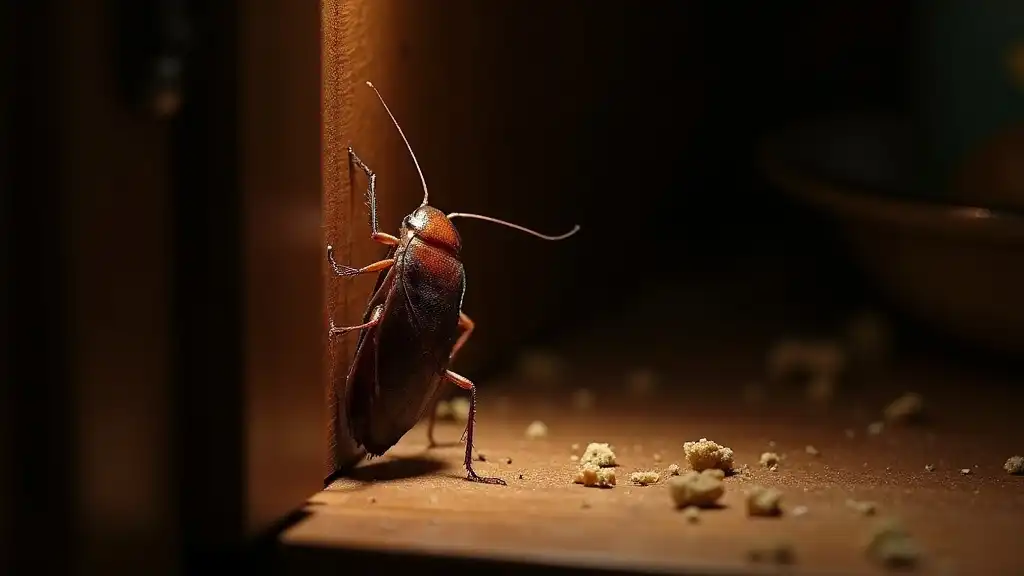
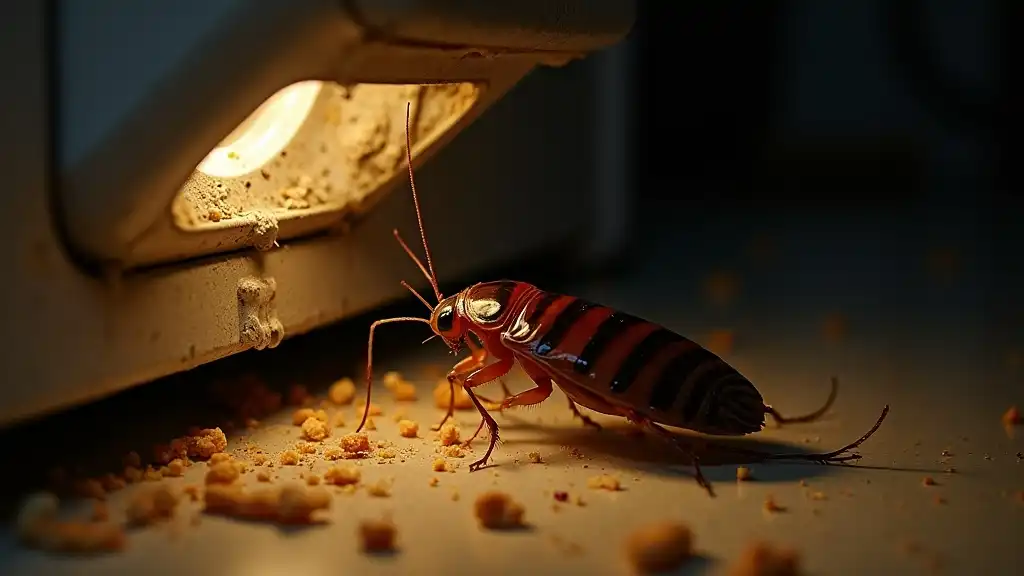
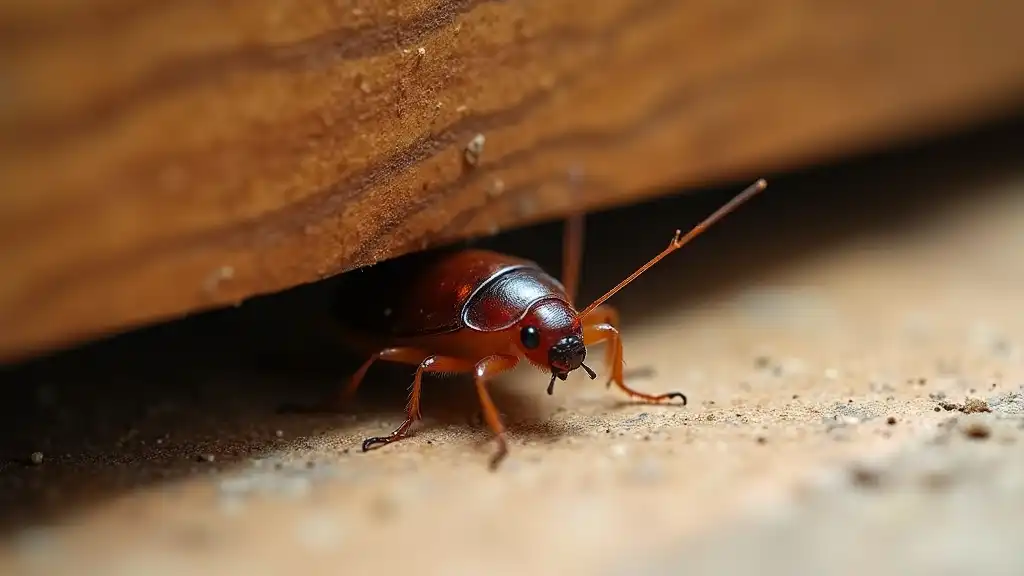
Gaps around appliances collect grease and crumbs that create perfect feeding spots directly adjacent to warm harborage. Behind and beneath refrigerators, cockroaches access both motor heat and the food particles that accumulate in the difficult-to-clean space between the appliance and the floor. Behind and beneath stoves, cooking residue and grease provide food sources while motor warmth maintains the preferred 70 to 85°F temperature range year-round. Cabinet interiors and pantries offer dark refuges near stored food and cardboard packaging — cockroaches in cabinets are often found in the upper corners near hinges and along the back wall where darkness is most complete. Under-sink areas provide water access through leaky pipes, condensation on plumbing, and drain openings, making them one of the most productive inspection points in any kitchen. Microwave and toaster interiors accumulate food particles that attract cockroaches into the tight, warm spaces inside these appliances.
Kitchen Structural Gaps and Baseboards
Beyond appliances and cabinets, kitchens contain structural hiding spots that cockroaches exploit for travel and harborage. Floor cracks and gaps beneath baseboards where kitchen flooring meets walls provide protected travel corridors that cockroaches use to move between the kitchen and adjacent rooms while avoiding open floor space. Wall voids behind kitchen cabinetry — particularly where plumbing runs through walls to connect sinks and dishwashers — create warm, dark tunnel networks throughout the kitchen wall structure. Counter surfaces with food residue and uncovered items become prime nocturnal foraging locations, but the cockroaches themselves are hiding in the gaps and voids behind and below those surfaces during daylight hours.
Bathrooms as Cockroach Habitats
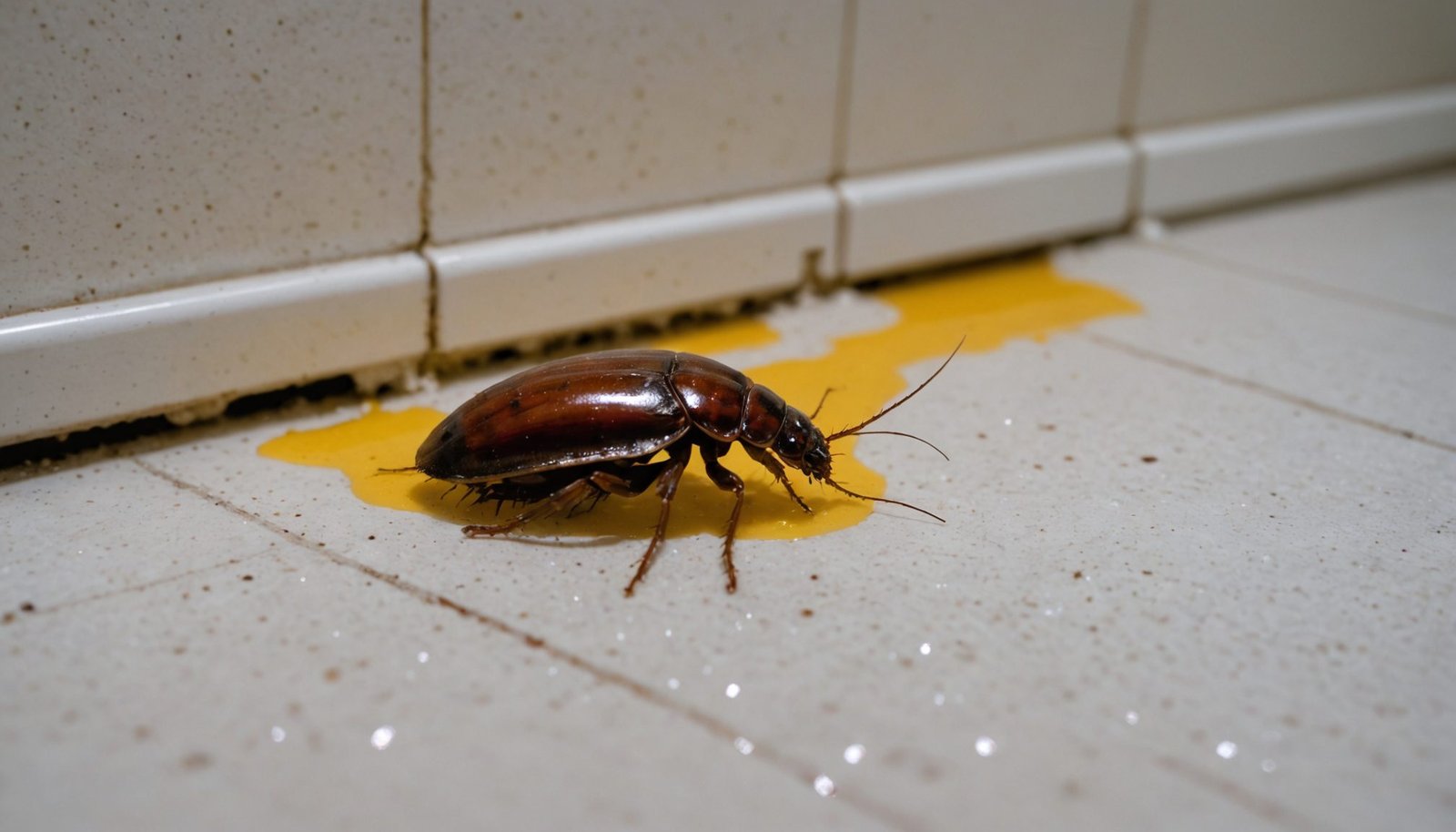
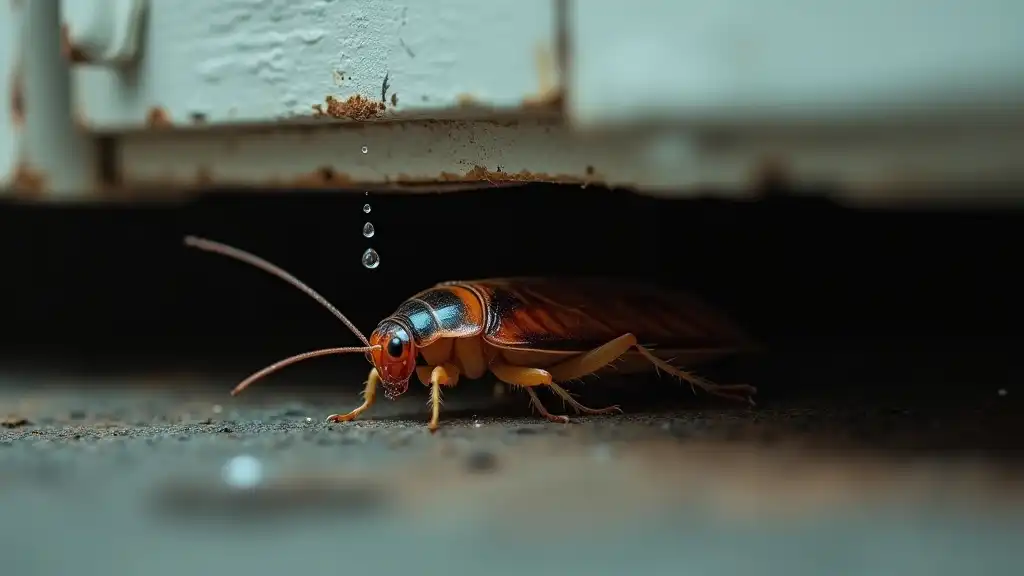
Bathrooms are the second most common cockroach hiding zone after kitchens, providing constant moisture in an environment that is typically dark for many hours of the day and night. 67% of cockroach infestations are found near plumbing leaks — and bathrooms concentrate more plumbing fixtures per square foot than any other room in the home. Cockroaches are particularly drawn to leaky faucets, condensation on pipes, steam from showers, and the standing water that accumulates around drain openings.
| Bathroom Location | Why Cockroaches Hide There | Prevention Action |
|---|---|---|
| Drains and pipes | Food residue and moisture accumulation | Use enzyme cleaners, seal pipe gaps |
| Cabinets and vanities | Plumbing leaks and dark enclosed spaces | Fix plumbing immediately, reduce clutter |
| Under toilet base | Structural gaps and persistent moisture | Seal base caulk, check for floor damage |
| Behind toilet tank | Condensation and dark undisturbed space | Dry surfaces, inspect during cleaning |
| Shower and tub surrounds | Grout cracks and steam moisture | Maintain grout, use exhaust fan |
Cockroaches can flatten their bodies to access bathroom spaces through tiny gaps — Oriental and American cockroaches frequently enter bathroom floor drains directly from sewer connections below. Using exhaust fans during and after showers, fixing all plumbing leaks within 24 hours of detection, and applying targeted treatments like gel baits inside cabinet bases and around drain openings controls bathroom hiding populations effectively. See our complete guide to cockroaches in the bathroom for specific prevention protocols.
Living Room and Furniture Hiding Spots
Although your living room appears roach-free during daylight hours, cockroaches often establish colonies within furniture and living spaces, particularly in upholstered and wooden pieces that are rarely moved or deeply cleaned. Living room hiding spots represent secondary harborage zones that cockroaches occupy after establishing primary colonies in kitchens and bathrooms.
Your living room offers cockroaches multiple concealed hiding locations:
- Inside cushions and underneath upholstered furniture, where they nest in fabric folds, seams, and damaged areas protected from view and light.
- Within hollow furniture legs and frames, particularly in wooden pieces with joints, cracks, or aging construction that creates internal voids.
- Behind electronics like televisions and gaming consoles, where ventilation slots and internal warmth from components create stable, warm harborage zones.
- Around cluttered areas with stacked books, magazines, and cardboard, which provide both temporary shelter and the humidity from organic material decomposition.
Keep upholstered furniture vacuumed along all seams and undersides, remove clutter from living areas, and seal entry points between living rooms and adjacent kitchens to prevent cockroaches from establishing secondary colonies in furniture and entertainment centers.
Inside Cabinets and Drawers
Kitchen and bathroom cabinets rank as the single most common cockroach hiding location — 82% of cockroaches are found hiding in kitchen cabinets during professional inspections. Cabinets provide the combination of darkness, enclosed space, proximity to food, and physical contact on multiple surfaces that cockroaches require for resting and nesting. The specific areas within cabinets that harbor the highest cockroach concentrations are: upper rear corners where darkness is most complete and disturbance is least frequent; hinge areas and door frame junctions where small structural gaps exist; shelf supports and bracket holes that provide physical harborage points; and the gap between cabinet bases and the floor, which provides protected travel corridors to food and water sources below. Drawer backs and interiors collect food crumbs that drop through drawer openings and accumulate in the dark rear sections rarely cleaned during routine housekeeping. Pull all drawers out completely during inspection and clean the rear interior of all cabinets, including the ceiling of cabinet interiors where cockroaches sometimes rest upside-down on horizontal surfaces.
Cracks and Crevices in Walls
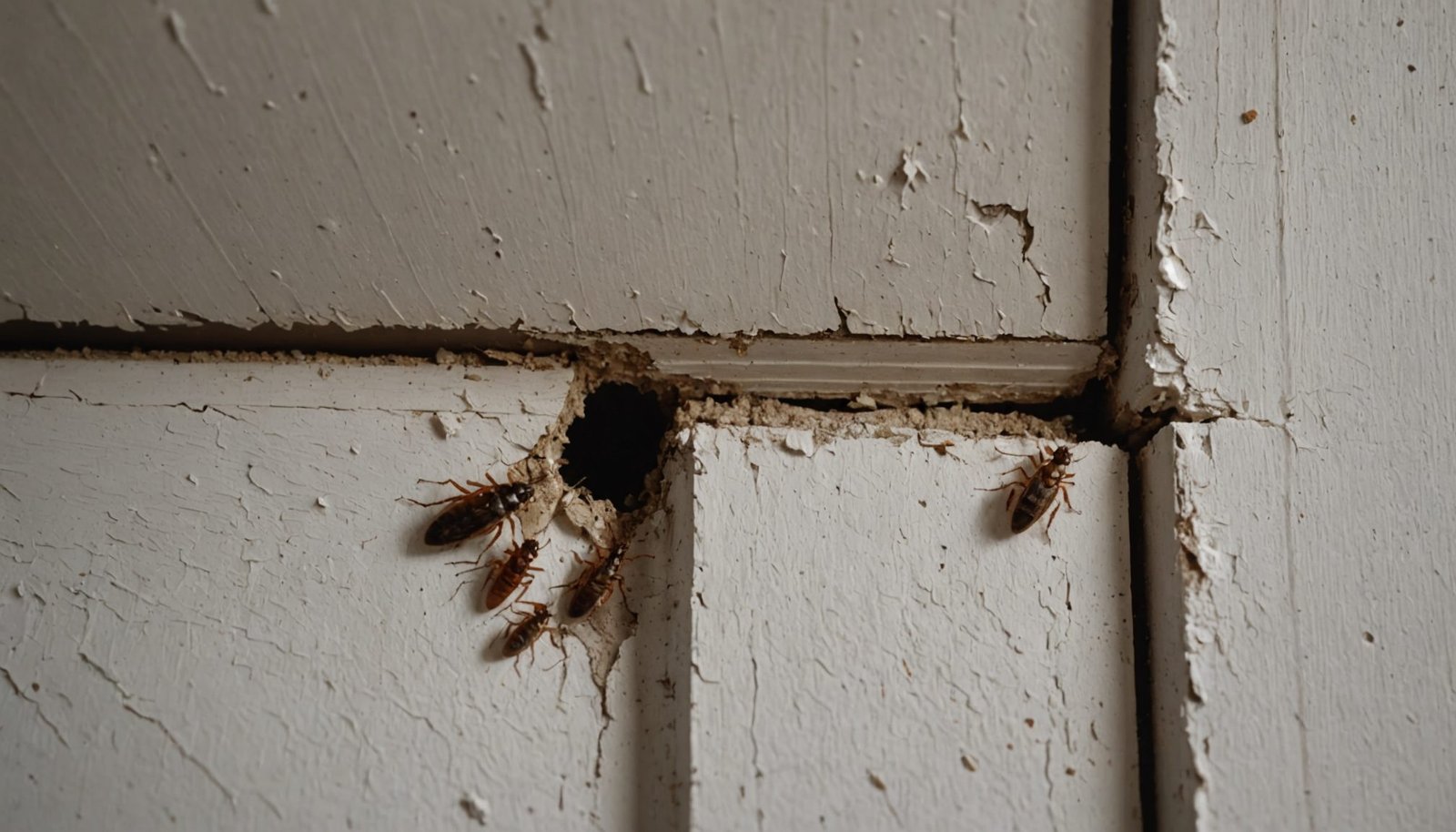
Nearly 54% of cockroaches hide inside wall cracks and crevices — structural vulnerabilities that provide protected access to the entire building while allowing cockroaches to remain invisible during daylight inspection. Cockroaches can squeeze through cracks as thin as 1.6 millimeters — approximately the thickness of a credit card — meaning any visible crack in walls, floors, or around structural fixtures represents a potential harborage and travel corridor.
Entry Points and Gaps
Inspect exterior walls and foundations for cracks and deteriorating areas — these are primary invasion routes for peridomestic species migrating indoors seasonally. Examine door frames and window seals where aging wood and moisture damage create accessible openings. Look for unsealed plumbing penetrations around sinks, toilets, and drains that provide hidden access paths from below. Inspect utility entry points where electrical conduits, cable lines, and HVAC systems penetrate walls — these penetrations are consistently present in every room and consistently left unsealed after installation. Don’t overlook gaps between baseboards and walls — these junctions provide protected pathways for cockroaches to move throughout the home while remaining below foot-traffic level and out of sight.
Hidden Wall Nesting Areas
Once cockroaches find entry points into your home, they immediately exploit wall cracks and structural vulnerabilities as nesting locations. Wall voids near plumbing — where water leaks and condensation provide moisture — are the most productive nesting sites within wall structures. German cockroaches in particular aggregate in wall voids near kitchen plumbing, with colonies sometimes numbering in the hundreds within the wall structure behind a single sink cabinet. Behind wall decorations, switch plates, and outlet covers, cockroaches use shadowed spaces as resting spots that are rarely disturbed between cleaning sessions. These hidden chambers allow cockroaches to remain undisturbed during daylight hours while staying within short foraging distance of food sources in adjacent kitchens and bathrooms.
Under Floors and Baseboards
The space beneath flooring and behind baseboards provides one of the most extensive and least-inspected cockroach harborage zones in residential buildings. American cockroaches and Oriental cockroaches in particular exploit subfloor spaces including crawl spaces, basement ceiling voids, and the gap between subfloor and finished flooring as travel corridors connecting basement harborage zones with first-floor living areas. Baseboard gaps where the molding strip meets both the wall and the floor create continuous linear harborage along every room perimeter — cockroaches travel along these lines during nocturnal foraging activity, depositing pheromone trails that guide other colony members along the same routes. Damaged or deteriorating flooring with lifted sections, gaps around floor register vents, and cracked tile grout all provide subfloor access points that cockroaches exploit throughout the home. About 29% of cockroaches are found in warm, damp basements or crawl spaces — making subfloor inspection a critical step in any comprehensive home cockroach assessment.
Garbage Areas and Trash Bins
Indoor garbage receptacles and the areas surrounding them are primary cockroach harborage points that homeowners rarely associate with the cockroaches they find elsewhere in the home. Kitchen trash cans without tight-fitting lids provide both food and moisture from organic waste accumulation, and the dark space inside a garbage bin represents exactly the enclosed, odor-rich environment cockroaches seek for harborage. The area beneath and behind trash cans accumulates food debris, grease, and moisture that sustains cockroaches feeding from both the garbage and the surrounding floor surface. Under-sink trash bin locations are especially high risk because they combine garbage attractants with the plumbing moisture and darkness that make under-sink areas a primary cockroach hiding zone.
Use trash cans with tight-fitting lids throughout the kitchen, empty them daily in sealed bags, and clean the interior and exterior surfaces of bins regularly to remove the accumulated grease and food residue that cockroaches feed on between garbage disposal days. The area beneath and around outdoor garbage receptacles near the building exterior creates outdoor harborage pressure that drives seasonal indoor migration — keep exterior bins sealed and positioned away from building entry points.
Outdoor Hiding Places Near Homes
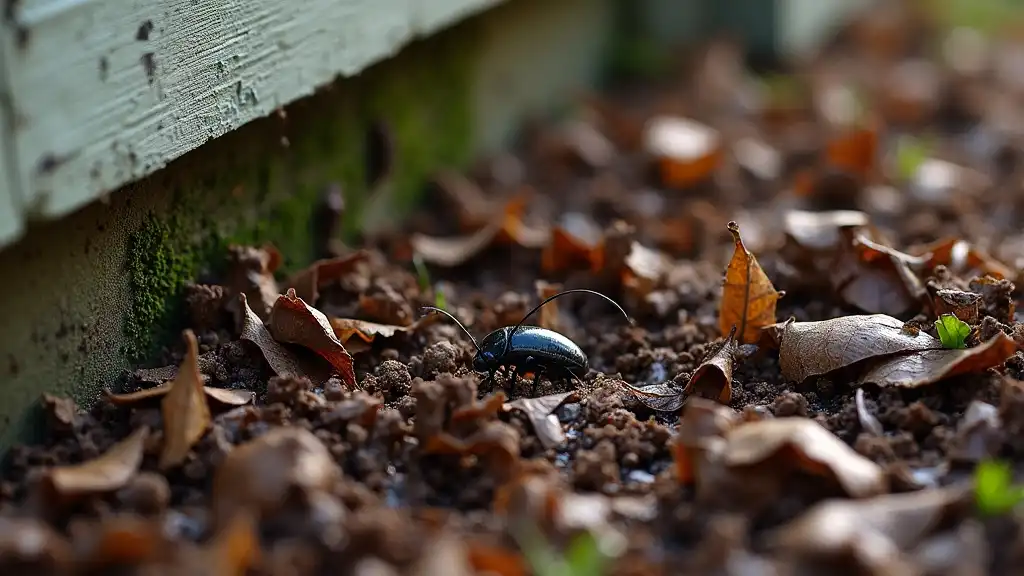
Cockroaches establish outdoor harborage zones adjacent to residential buildings that serve as population reservoirs driving repeated indoor infestation. American, Oriental, and smokybrown cockroaches all live outdoors in warm months before migrating indoors as temperatures drop. Common outdoor hiding spots near homes include:
- Mulch beds and leaf litter against foundation walls, where decomposing organic matter provides food and moisture in a warm, dark environment
- Woodpiles, lumber, and yard debris stacked against or near the building
- Crawl space access areas and foundation vent openings
- Outdoor garbage and recycling storage areas near the building perimeter
- Garden beds with dense ground cover adjacent to the home’s foundation
- Compost bins and organic waste areas within foraging distance of building entry points
- Utility meter boxes, irrigation control boxes, and outdoor electrical enclosures
Managing outdoor harborage zones by clearing mulch and debris away from the foundation perimeter, relocating woodpiles and outdoor storage away from the building, and maintaining vegetation-free clearance at the foundation creates a barrier zone that reduces the outdoor population pressure driving indoor infestations. American cockroach outdoor nesting behavior explains why basement and crawl space infestations often originate from outdoor populations rather than indoor breeding.
Signs of Cockroach Infestations Near Hiding Spots
Knowing where cockroaches hide is most useful when combined with knowing what evidence to look for during inspection. These signs indicate active cockroach presence near the hiding locations described above:
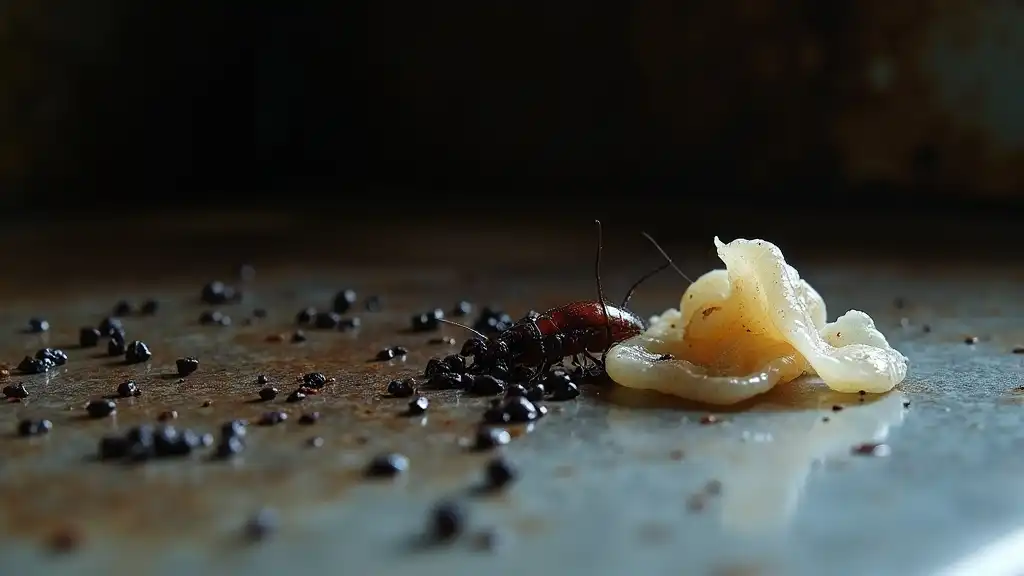
- Droppings: Small dark specks resembling coffee grounds or black pepper near kitchen cabinet corners, along baseboards, behind appliances, and inside bathroom vanities. Larger cylindrical ridged pellets near drain areas indicate American cockroach activity.
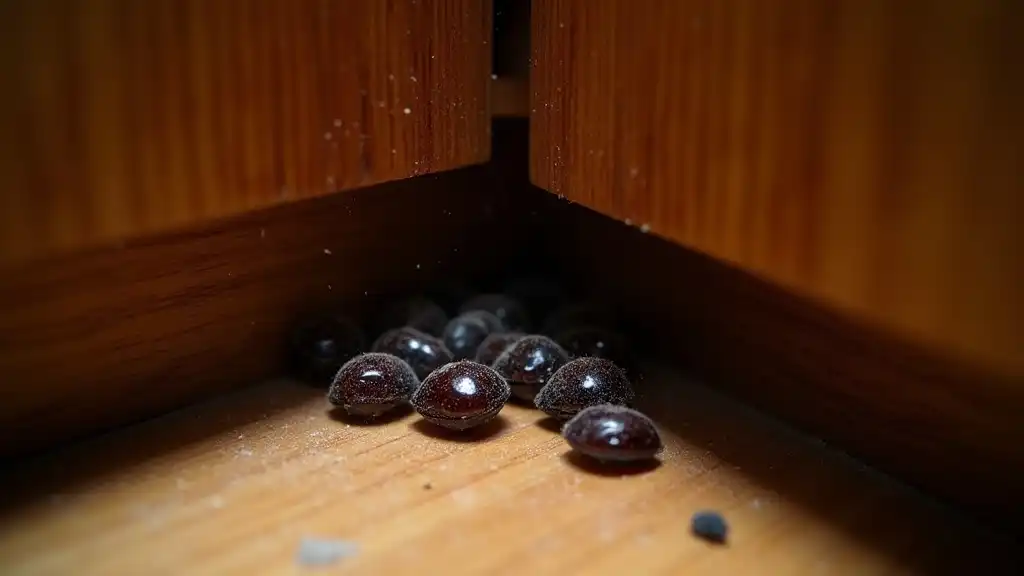
- Egg cases (oothecae): Light-brown oval capsules tucked into cabinet base corners, behind appliances, inside cardboard boxes, and along wall-floor junctions. Finding egg cases confirms active breeding rather than just foraging activity.
- Shed skins: Translucent hollow exoskeleton skins in hiding areas indicate active nymph development — cockroaches molt 5 to 7 times before reaching adulthood, leaving shed skins near harborage zones.
- Musty oily odor: A distinctive musty, chemical smell intensifying in enclosed spaces like under-sink cabinets, bathroom vanities, and behind appliances indicates a large active colony nearby.
- Smear marks: Dark greasy streaks along baseboards, walls near floor level, and edges of cabinets form from body oils deposited along regular travel routes.
- Pathogens: While not directly visible, the presence of unexplained gastrointestinal illness in household members after consuming food prepared in a potentially infested kitchen can indicate cockroach contamination of food preparation surfaces.
Finding any of these signs near a confirmed hiding location should prompt immediate comprehensive treatment using gel baits placed in the identified harborage zones, combined with structural exclusion of any cracks or gaps adjacent to the activity area. Monitoring traps placed near signs of activity provide ongoing data to track population levels and verify treatment effectiveness over time.
Storage Areas and Clutter Zones to Monitor
Storage areas and cluttered spaces present ideal cockroach environments because they are dark, rarely disturbed, and frequently filled with cardboard boxes and paper materials that cockroaches use as both harborage and food. Your basement, closets, and storage rooms are particularly vulnerable — especially when filled with disorganized cardboard storage. 52.9% of homes with clutter have a higher chance of cockroach presence, and storage areas are where clutter-driven infestations most commonly originate undetected.
- Check under and behind appliances regularly — cockroaches are drawn to warmth and food debris in these rarely-cleaned spaces.
- Inspect kitchen cabinets and pantries, focusing on areas with food residue or unsealed containers, particularly in upper rear corners and along the cabinet base.
- Monitor bathroom cabinets and under-sink areas where moisture and darkness create ideal conditions year-round.
- Pay special attention to furniture that is rarely moved including sofas, dressers, and shelving units where undisturbed harborage accumulates over time.
- Inspect laundry rooms where warm, damp conditions from running machines create cockroach habitat in the spaces behind and beneath washing machines and dryers.
Replace cardboard boxes with sealed plastic containers in all storage areas, maintain organized and clutter-free storage spaces, and inspect all incoming packages and secondhand items before placing them in storage areas — cockroaches and their egg cases frequently hitchhike into homes in delivery boxes, grocery bags, and used furniture.
Frequently Asked Questions About Where Cockroaches Hide
Where do cockroaches hide during the day?
During the day, cockroaches hide in tight, dark, warm, and moist spaces where they can rest with their bodies touching multiple surfaces simultaneously. The most common daytime hiding locations are inside kitchen cabinet corners and bases (82% of cockroaches), inside wall cracks and crevices (54%), behind refrigerators and stoves (39%), under bathroom sinks and around plumbing fixtures (67% of infestations near plumbing), and in basement or crawl space areas (29%). They emerge primarily after dark when nocturnal foraging behavior drives them toward food and water sources.
Do cockroaches hide in kitchens?
Yes — kitchens are the primary cockroach hiding zone in most residential infestations. 82% of cockroaches prefer kitchen cabinets as their primary hiding location. Key kitchen hiding spots include the interior corners of upper and lower cabinets, behind and beneath the refrigerator, behind and beneath the stove, inside cabinet hinges and drawer backs, under the sink near plumbing, in wall voids adjacent to kitchen plumbing, and in floor cracks and baseboard gaps throughout the kitchen perimeter.
Can cockroaches hide behind walls?
Yes — nearly 54% of cockroaches hide inside wall cracks and crevices. Cockroaches can squeeze through gaps as small as 1.6 millimeters, allowing them to access wall voids through hairline cracks, gaps around pipe penetrations, unsealed utility entry points, and baseboard junctions. Wall voids near kitchen and bathroom plumbing are particularly productive nesting locations because they provide warmth, moisture from pipe condensation, and protected access to adjacent food areas through structural connections.
Are cockroaches found in drains?
Yes — floor drains and sink drains are common entry points and hiding locations for American and Oriental cockroaches, which travel through sewer infrastructure and enter buildings through drain openings. Drains accumulate food residue, organic debris, and moisture that sustain cockroach populations. German cockroaches also use drains as water sources and travel routes. Seal drain openings with fine-mesh covers, clean drains regularly with enzyme cleaners, and inspect floor drains in basements and utility areas during pest inspections.
Where do cockroaches hide outside near homes?
Outdoor cockroach hiding spots near homes include mulch beds against foundation walls, leaf litter and organic debris near the building perimeter, woodpiles and lumber stacks, outdoor garbage and recycling storage areas, crawl space entries and foundation vent openings, utility meter and irrigation control boxes, and dense ground cover plants adjacent to the foundation. About 29% of cockroaches in residential settings originate from outdoor harborage zones that allow seasonal migration indoors through structural gaps as temperatures cool in fall.
How do I find cockroach hiding spots in my home?
To find cockroach hiding spots, conduct a flashlight inspection of all kitchen and bathroom cabinet interiors — particularly upper rear corners, hinge areas, and the base of cabinets. Pull all major appliances away from walls and inspect the gap behind them. Check along all baseboards for droppings, smear marks, and shed skins. Place sticky monitoring traps along walls in kitchens, bathrooms, and storage areas overnight and check them in the morning — the traps with the highest capture counts pinpoint active harborage zones within 5 to 10 feet. Inspect all cardboard storage areas, under-sink spaces, and any area with consistent moisture. A musty chemical odor concentrated in enclosed spaces confirms active cockroach presence nearby.
