

Best Prevention Tips for Keeping Roaches Out of Kitchen
You’ve probably noticed those unwanted visitors scurrying across your kitchen floor at night – yes, those dreaded cockroaches. While these resilient pests can make even the cleanest homes their sanctuary, you don’t have to surrender your kitchen to them. From daily cleaning routines to strategic food storage, there’s a thorough approach to keeping these insects at bay, and it starts with understanding their basic survival needs.
Essential Kitchen Sanitation Practices
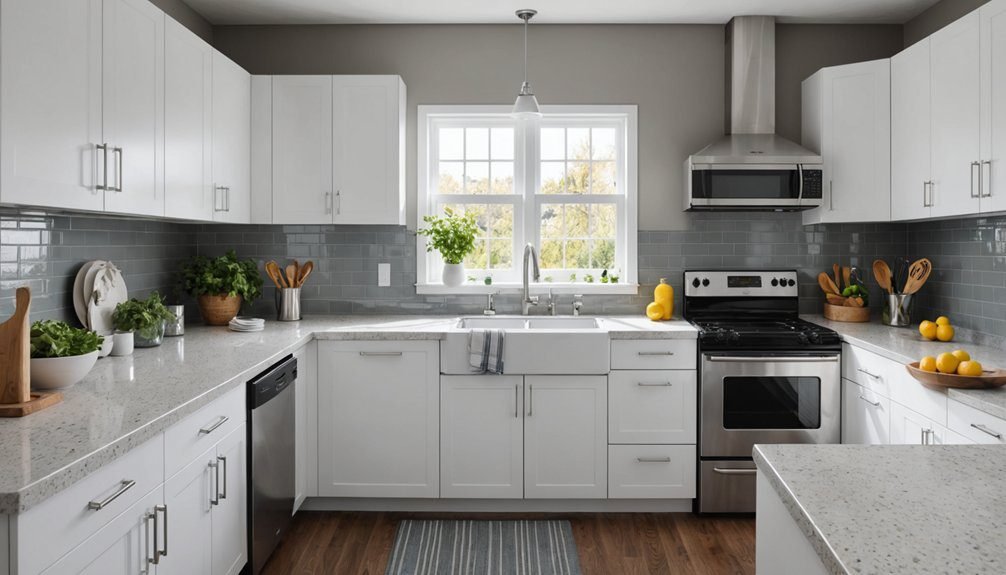
While cockroaches can be persistent kitchen pests, maintaining proper sanitation is your first line of defense against these unwanted visitors.
Start by wiping down all countertops and prep areas daily to eliminate food residues and grease that attract roaches. Clean your appliances regularly, paying special attention to toasters and microwaves where crumbs often accumulate.
Daily cleaning of counters and appliances is essential – it removes the food debris and grease that cockroaches seek out.
Don’t forget to sweep or vacuum your kitchen floors daily, and make sure you’re reaching behind and beneath appliances and cabinets where debris can hide. A thorough weekly deep cleaning of neglected areas is essential for long-term pest prevention.
When spills happen, clean them up immediately, especially sugary or greasy liquids that roaches love. You’ll need to be particularly vigilant about cleaning areas that aren’t easily visible, as these spots often become prime feeding grounds for cockroaches.
Sealing Entry Points and Creating Physical Barriers
Because roaches can squeeze through openings as small as 1/8 inch, sealing potential entry points is essential for keeping them out of your kitchen.
Start by inspecting common access points like wall cracks, utility entrances, and gaps around windows and doors. Use silicone-based caulk for small cracks under 0.5 inches, ensuring complete coverage at joints between building materials.
For larger openings around plumbing and vents, apply expanding foam sealant to create an impenetrable barrier. The harsh Chicago winters often drive roaches to seek shelter indoors through these openings.
Don’t forget to install weather-stripping and door sweeps on exterior doors, and repair any damaged window screens.
You’ll also need to maintain these barriers by regularly checking for degradation and repairing foundation cracks quickly.
Remember to keep your kitchen and bathroom vents properly screened and sealed to prevent unwanted visitors.
Smart Food Storage and Waste Management
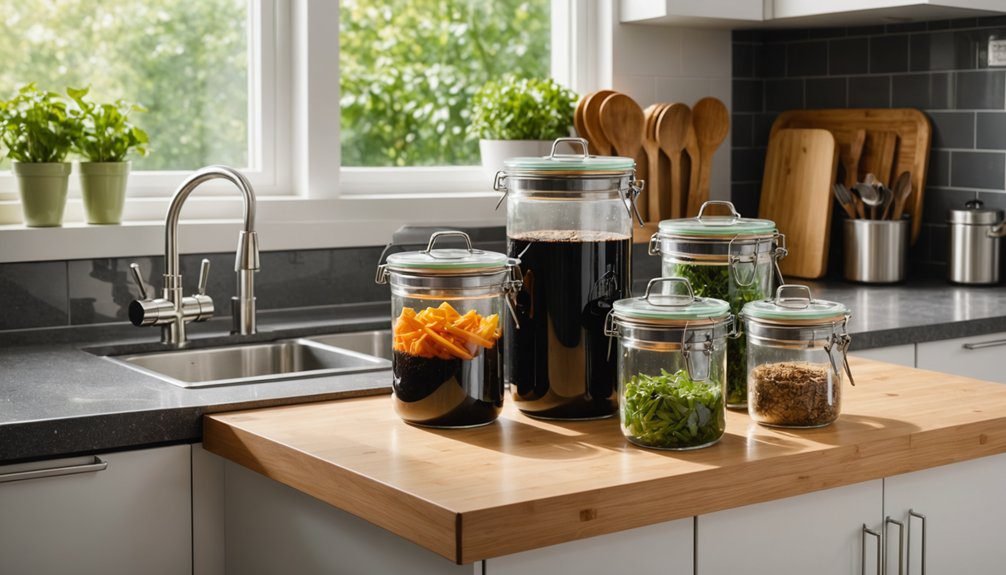
Since roaches are attracted to food sources and waste, proper storage and disposal practices form the foundation of effective pest control.
Store all dry goods in airtight glass or heavy-duty plastic containers, and transfer opened packages immediately to prevent pest access. Regular inspections of pantry and cupboards can help identify potential pest problems early. Don’t forget to extend this practice to pet food and snacks.
Keep your kitchen clean by promptly addressing spills and crumbs, and inspect groceries before bringing them inside.
You’ll want to use trash containers with tight-fitting lids and remove garbage frequently. Don’t leave dirty dishes or food waste overnight.
For fresh produce, use covered containers or refrigerate items that spoil quickly.
Remember to control moisture by fixing leaks and reducing humidity, as roaches need water to survive.
Deep Cleaning Strategies for Problem Areas
To effectively eliminate roach infestations, you’ll need to implement thorough deep cleaning strategies that target their preferred hiding spots.
Start by removing all items from your cabinets and drawers, then scrub every surface with warm, soapy water, paying special attention to corners and seams where grease builds up.
Pull out your appliances and clean behind them, focusing on areas where food debris accumulates.
The coastal climate in Vancouver creates perfect conditions for roaches to thrive, making thorough cleaning essential.
Don’t forget to disassemble and clean removable parts from your dishwasher, refrigerator, and garbage disposal.
Use a vacuum with a HEPA filter to remove crumbs and droppings from cracks.
Check thoroughly for roach egg cases, especially in hidden spots under appliances and inside cabinets.
Remove them immediately and seal them in plastic bags before disposal to prevent hatching.
Natural and Chemical Control Methods
After establishing a clean kitchen environment, you’ll want to implement both natural and chemical control methods for thorough roach management.
Start with boric acid powder in dry corners and behind appliances, but keep it away from children and pets. Create DIY traps using baking soda mixed with sugar, or try essential oil sprays with eucalyptus or tea tree oil in problem areas.
Boric acid proves effective in dry areas, while natural alternatives like baking soda traps and essential oils offer safer roach control options.
For chemical solutions, use commercial gel baits in strategic locations like cabinet corners and under sinks. You can also make a vinegar solution (equal parts water) for cleaning and repelling roaches.
Consider placing bay leaves or citrus peels in cabinets as natural deterrents. For ultimate protection, add a layer of diatomaceous earth around baseboards to cut and dehydrate roaches. Remember to guarantee proper ventilation when applying any chemical treatments, and always combine multiple methods for the best results.
Moisture Control and Plumbing Maintenance
Effective moisture control and plumbing maintenance form the backbone of cockroach prevention in your kitchen. Start by sealing all gaps and cracks around pipes with silicone caulk or urethane foam, using steel wool for larger openings.
Don’t forget to inspect beneath your sink regularly for leaks and repair them promptly.
Keep your sink area dry by wiping it thoroughly after use and fixing dripping faucets immediately.
You’ll need to maintain water traps in drains, as they act as natural barriers against roach entry. Consider installing trap primers or using biodegradable liquid seal primers for longer-lasting protection.
Protect condensation-prone pipes with insulation foam, and flush drains regularly with hot water or a baking soda-vinegar mixture to discourage roach activity.
Effective Storage Solutions and Decluttering

Smart storage solutions play a pivotal role in keeping roaches out of your kitchen. Transfer all your dry foods, including cereals, grains, and pet food, into airtight glass or heavy-duty plastic containers immediately after purchase.
You’ll want to declutter your pantry and storage areas regularly, removing cardboard boxes that can serve as roach hideouts.
- Picture pristine pantry shelves lined with clear containers, making it easy to spot any signs of pest activity while keeping your food fresh and protected.
- Imagine clean, organized cupboards free from cardboard and clutter, with plastic bins housing seasonal items and decorations.
- Envision a systematic storage setup where everything has its place, with covered produce and sealed pet food containers.
Keep inspecting your storage areas regularly and maintain a first-in, first-out system to prevent food spoilage and unwanted pest visitors.
Regular Inspection and Monitoring Techniques
A systematic monitoring plan acts as your first line of defense against roach infestations.
You’ll need to place sticky traps strategically along walls, behind appliances, and in corners, numbering each one to track activity patterns effectively.
Conduct daily visual inspections with a flashlight and mirror tool to check dark, hidden spaces where roaches hide.
Look for telltale signs like droppings, egg cases, and shed skins.
Don’t forget to examine the gaps around appliances, especially in moist areas near sinks and drains.
Keep detailed records of your inspections and trap findings.
Monitor your bait stations every two weeks and adjust your control strategy based on capture rates.
Make sure you’re checking trash bins, appliance seals, and under-counter spaces regularly, as these areas often attract roaches with food residue and moisture.
Frequently Asked Questions
How Long Can Cockroaches Survive Without Food and Water?
You’ll find that cockroaches can survive for quite a while without resources.
They’ll live up to three months without food, though this varies by species – American roaches last longer than German roaches.
Without water, they’re much more vulnerable, typically surviving only 7-12 days, though some species can last up to a month with sufficient humidity.
They’ll enter semi-dormant states to extend their survival time.
Can Cockroaches Transmit Diseases to Humans Through Food Contamination?
Yes, cockroaches can transmit serious diseases through food contamination.
They’ll spread harmful bacteria like E. coli, Salmonella, and Staphylococcus when they walk across your food or food prep surfaces.
You’re also at risk from viruses like hepatitis A and parasites that roaches carry.
Their feces and vomit can contaminate your food with these pathogens, potentially causing food poisoning, gastroenteritis, and other digestive illnesses.
Do Ultrasonic Pest Repellers Actually Work Against Cockroaches?
Ultrasonic pest repellers don’t effectively control cockroaches, despite manufacturer claims.
While laboratory studies show specific frequencies (35-40 kHz) can repel and kill roaches under controlled conditions, commercial devices don’t match these requirements.
You’ll find these devices are easily blocked by furniture and walls, and roaches quickly adapt to the sounds.
Don’t waste your money – stick to proven pest control methods instead.
What Time of Year Are Cockroaches Most Likely to Invade Kitchens?
You’ll find cockroaches most actively invading kitchens during the warm months, typically late spring through early fall, with peak infestations in July and August.
The combination of summer heat and humidity creates perfect conditions for roaches to breed and seek food. They’re drawn to your kitchen’s moisture and food sources during these months, when their metabolism speeds up and they become more active in searching for resources.
Why Do Cockroaches Often Appear More Frequently After Neighbors Treat Their Homes?
You’ll notice more roaches after your neighbors treat because these pests quickly flee from pesticides and seek new shelter in nearby untreated spaces – like your home.
They’ll enter through shared walls, plumbing lines, and structural gaps.
Since roaches are highly mobile within apartment complexes, they’ll naturally migrate to safer areas where they can find food, water, and shelter away from the treated spaces.
Conclusion
You’ll find success in keeping roaches away by combining multiple prevention strategies. Make cleaning and sanitation your daily habits, seal potential entry points, and maintain proper food storage practices. Don’t forget to control moisture and regularly inspect your kitchen for signs of infestation. With consistent effort and vigilance, you can create an environment that’s naturally inhospitable to these unwanted pests.
