
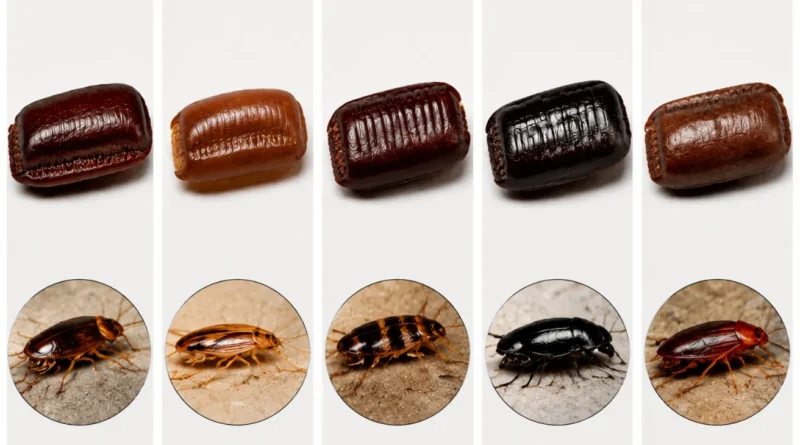
Cockroach Eggs Identification: What They Look Like, Where to Find Them
Cockroach eggs are not laid individually — they are sealed inside a protective capsule called an ootheca that holds an average of 16.3 eggs per case. Cockroach eggs typically measure about 7.4 millimeters in length, hatch within 28 to 33 days under optimal conditions, and approximately 82% of cockroach infestations start from unnoticed egg cases. Over 90% of homeowners misidentify cockroach egg cases during initial inspections, often confusing them with droppings, seed pods, or beetle casings. Identifying an egg case correctly before it hatches is the most important early intervention available — each case introduces 10 to 40 new cockroaches depending on species, and a single overlooked ootheca can restart an infestation weeks after treatment appears successful.
Key Takeaways
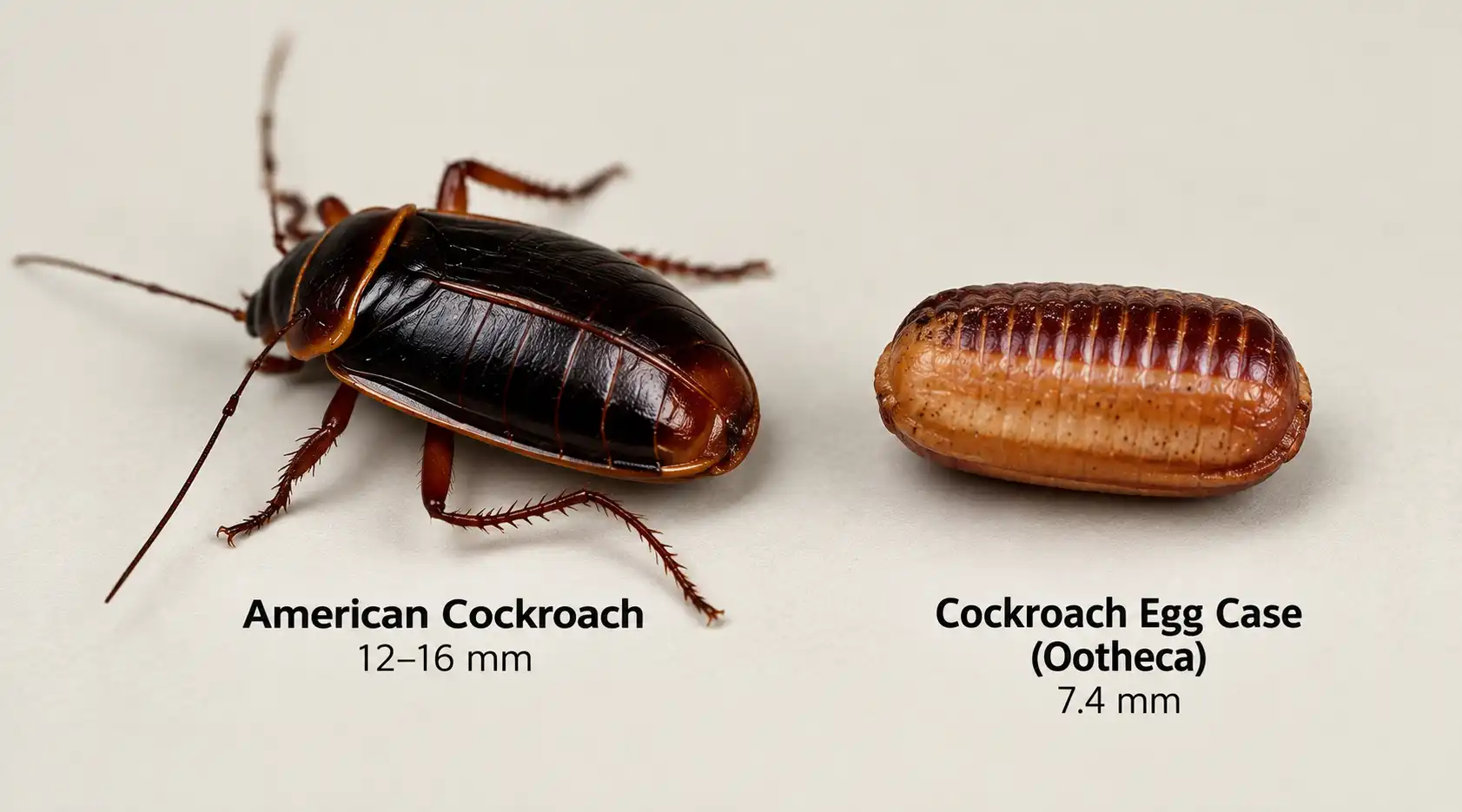
- Cockroach eggs are enclosed in a protective case called an ootheca — a small, oval, leathery capsule averaging 7.4 millimeters long in tan to dark reddish-brown coloration.
- Each egg case holds an average of 16.3 eggs, with German cockroach cases containing 35 to 40 and American cockroach cases containing 14 to 16.
- Approximately 82% of cockroach infestations start from unnoticed egg cases, and eggs hatch within 28 to 33 days under optimal temperature and humidity conditions.
- Over 90% of homeowners misidentify egg cases on first inspection — common mistakes include confusing oothecae with mouse droppings, beetle casings, or seed pods.
- Physical removal and destruction is required — most topical insecticides cannot penetrate the ootheca’s protein exterior to kill eggs inside.
What Do Cockroach Eggs Look Like?
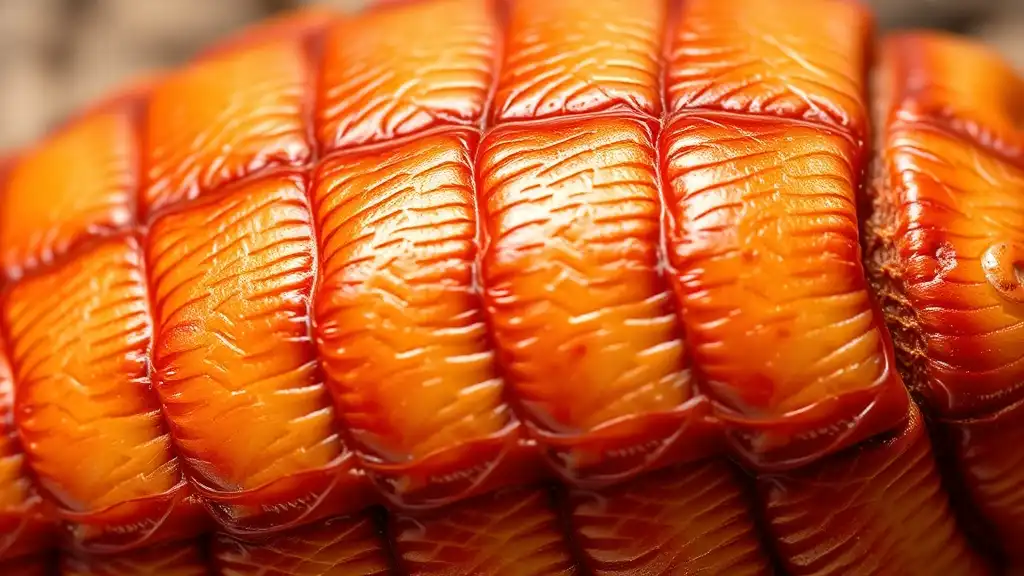
Cockroaches do not lay individual eggs the way many insects do. Instead, the female produces an ootheca — a hardened protein capsule that encloses all eggs in a single protective structure. The ootheca is small, oval, and flattened, with a ridged or segmented surface that gives it a distinctive ribbed appearance. Cockroach egg cases typically measure about 7.4 millimeters in length, roughly the size of a dried kidney bean, making them visible to the naked eye but small enough to hide unnoticed in cabinet corners and baseboards for weeks.
Color ranges from light tan to dark reddish-brown depending on species and age — freshly produced oothecae are typically lighter and darken as they age. The surface texture is leathery rather than glossy, which helps them blend into dark wooden surfaces, cardboard, and debris where they are most commonly deposited. The ridged surface runs along the long axis of the capsule and corresponds to the individual eggs sealed inside. This protein substance exterior is what makes most topical insecticides ineffective against egg cases — the chemical cannot penetrate to the eggs inside, which is why physical removal is required rather than spray-alone treatment.
Cockroach Egg Case Identification by Species
Over 90% of homeowners misidentify egg cases during initial inspections partly because they look similar across species but differ in the details that matter most for pest identification and treatment. Species, size, color, and deposition location together give you enough information to confirm which cockroach you are dealing with before any adult is ever seen.
| Species | Ootheca Size | Color | Eggs Per Case | Deposition Location |
|---|---|---|---|---|
| German cockroach | 6 to 9mm | Light tan to yellow-brown | 35 to 40 | Carried attached to female until hatching |
| American cockroach | 8mm | Dark reddish-brown to mahogany | 14 to 16 | Glued to surfaces near food and moisture |
| Oriental cockroach | 8 to 10mm | Dark reddish-brown | 16 | Deposited in sheltered floor-level locations |
| Brown-banded cockroach | 5mm | Light reddish-brown | 10 to 18 | Glued to furniture undersides, walls, ceilings |
German Cockroach Egg Cases
German cockroach oothecae are the most commonly encountered in residential settings and the most significant for infestation risk given 35 to 40 eggs per case — the highest egg count of any common indoor species. The female carries the ootheca visibly attached to the tip of her abdomen for most of the 28-day incubation period, only detaching it in the final hours before hatching. Finding a German cockroach ootheca detached and deposited in a location means hatching is imminent or has already occurred. The light tan to yellow-brown color and slim profile make them harder to spot than the darker American cockroach cases. Look along kitchen baseboards, inside cabinet hinge gaps, and behind appliances. See our full guide on cockroach egg counts by species.
American Cockroach Egg Cases
American cockroach oothecae are the largest of the common species at approximately 8mm and the darkest — reddish-brown to mahogany with a distinctive symmetrical ridged surface. Unlike German cockroaches, American cockroach females deposit oothecae soon after production by gluing them to surfaces near food and moisture sources rather than carrying them until hatching. They are found near floor drains, inside basement utility areas, along baseboards in kitchen and bathroom areas, and occasionally in wall voids adjacent to plumbing. Each case holds 14 to 16 eggs with an average hatching time of 28 to 33 days under optimal conditions of 29 to 33°C.
Where Cockroach Eggs Are Found in Your Home
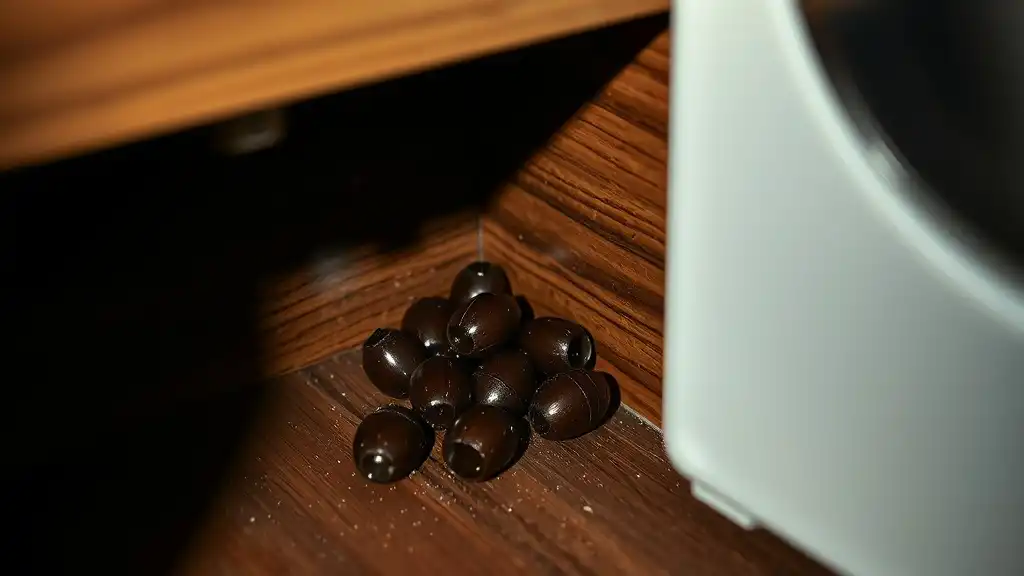
Approximately 82% of cockroach infestations start from unnoticed egg cases, making egg case location the most important inspection task in any cockroach control program. Females deposit oothecae in locations that provide darkness, warmth, physical protection, and proximity to food and water sources — the same conditions that make harborage zones attractive to adult roaches.
Primary Indoor Egg Case Locations
Kitchen cabinet corners and hinges are the most common single location for German cockroach egg cases in residential infestations. Run a flashlight along the inside corner seams of lower cabinets, inside drawer-slide gaps, and along cabinet hinge recesses — egg cases wedge into these tight spaces where the female feels physically protected on multiple sides. Under sink areas near pipe penetrations, baseboard gaps adjacent to appliances, and behind refrigerator motor housings are the next most common locations. Brown-banded cockroaches uniquely deposit egg cases on furniture undersides, inside electronics housings, behind picture frames, and on upper walls and ceilings near the ceiling-wall junction — a completely different inspection plane from all other species that deposit at floor level or in lower cabinetry.
Least Obvious Locations Inspectors Frequently Miss
Inside cardboard boxes stored in cabinets or on shelves, inside the spine binding of books stored in infested rooms, within wall void access points around electrical outlets, and inside small appliances including toasters, coffee makers, and microwaves are consistently overlooked during standard inspections. Over 90% of homeowners miss egg cases on first inspection partly because these non-obvious locations are not checked. Depositing inside cardboard and paper is particularly important because infested boxes transported between buildings are the primary way cockroach egg cases travel between properties — the egg case hitchhikes inside the packaging and hatches in the new location weeks later. See our complete ootheca identification guide for a room-by-room inspection protocol.
How to Correctly Identify a Cockroach Egg Case
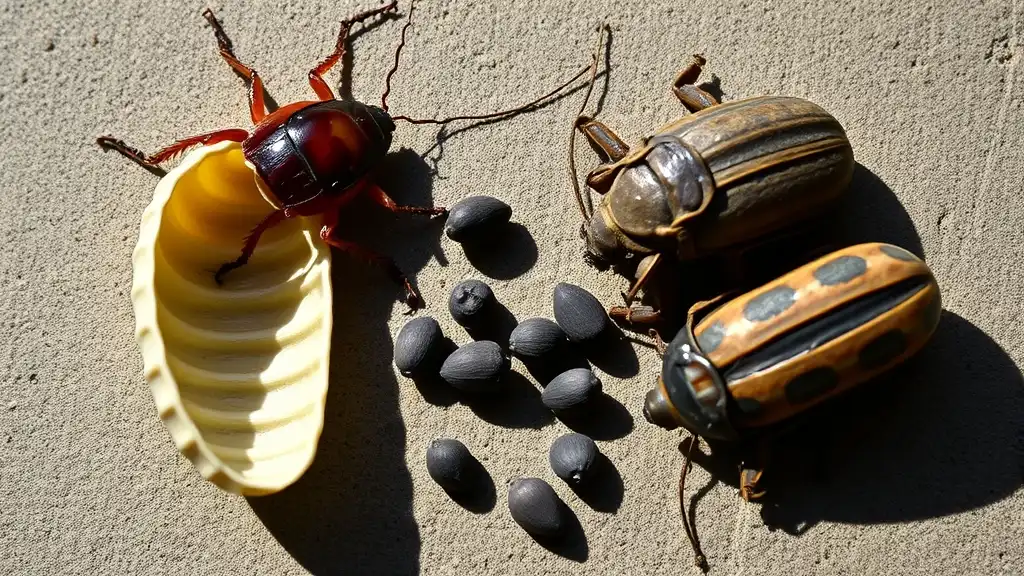
Over 90% of homeowners misidentify cockroach egg cases during initial inspections. The most common misidentifications are mouse droppings (similar dark oval shape but blunt-ended and without surface ridges), beetle egg cases (smaller, smoother surface, often white or cream colored), seed pods from indoor plants (similar size but irregular shape without the symmetrical ridged pattern), and dried food debris (irregular shape, crushes to powder, no internal structure).
The reliable identification features that distinguish a cockroach ootheca from all other common household objects are: a consistent oval to rectangular shape with slightly rounded ends, a symmetrical ridged surface running along the long axis, a size of 5 to 10mm depending on species, and a leathery rather than brittle texture that does not crumble when pressed but can be crushed with sustained pressure. If the object is ridged, oval, leathery, and approximately 7mm long, it is almost certainly a cockroach ootheca. Confirm with a flashlight by looking for hatching seam — a fine line along the top edge of the case where nymphs emerge indicates the case has already hatched. An unhatched case feels slightly firm, while a hatched case is hollow and lighter. See our cockroach eggs vs poop identification guide for the other most common misidentification scenario.
From Egg to Adult: What Happens After Hatching
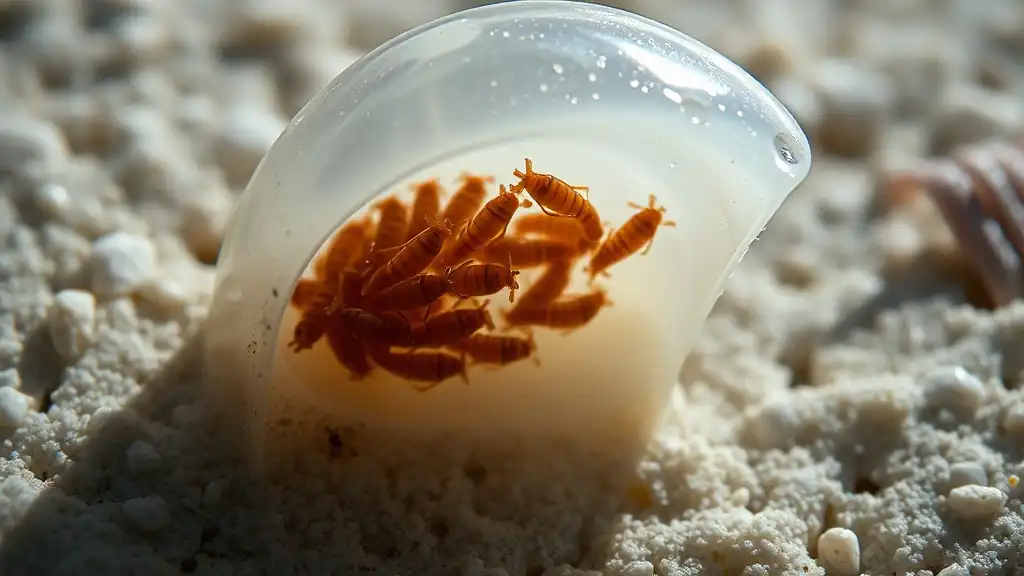
Cockroach eggs hatch within 28 to 33 days under optimal conditions of approximately 29°C and 70% humidity. Each case containing an average of 16.3 eggs across all species releases nymphs simultaneously through the hatching seam along the top edge of the ootheca. Nymphs emerge white or pale before darkening to species-specific coloration within hours as their exoskeletons harden. The empty hatched ootheca remains at the deposition site as a hollow shell — finding multiple empty oothecae in one location confirms sustained breeding activity at that site rather than a single isolated event.
Nymphs develop through 5 to 7 molts before reaching adulthood, with German cockroaches maturing in approximately 103 days and Oriental cockroaches taking up to 800 days. The 28 to 33 day hatching window creates a critical timing gap in treatment programs — egg cases deposited in the days before a professional treatment hatches weeks later, restarting the population. This is why inspection and physical removal of all visible oothecae must accompany any chemical treatment rather than relying on insecticide application alone to handle the egg stage.
Using Egg Cases to Assess Infestation Severity
Finding cockroach egg cases provides more diagnostic information about an infestation than finding adult cockroaches alone. A single adult cockroach sighting may represent a wanderer from outside. Finding egg cases confirms active breeding indoors — females deposit oothecae only in environments where they feel secure, have consistent access to food and water, and have established harborage. Multiple egg cases found in the same location indicate a primary harborage zone with ongoing reproductive activity. Multiple empty oothecae of different ages indicate a multi-generational established colony rather than a recent introduction. Brown-banded oothecae found at elevated locations (furniture, upper walls, ceilings) while German cockroach oothecae are found at floor level indicates a mixed-species infestation requiring two different treatment approaches simultaneously.
How to Remove and Destroy Cockroach Egg Cases
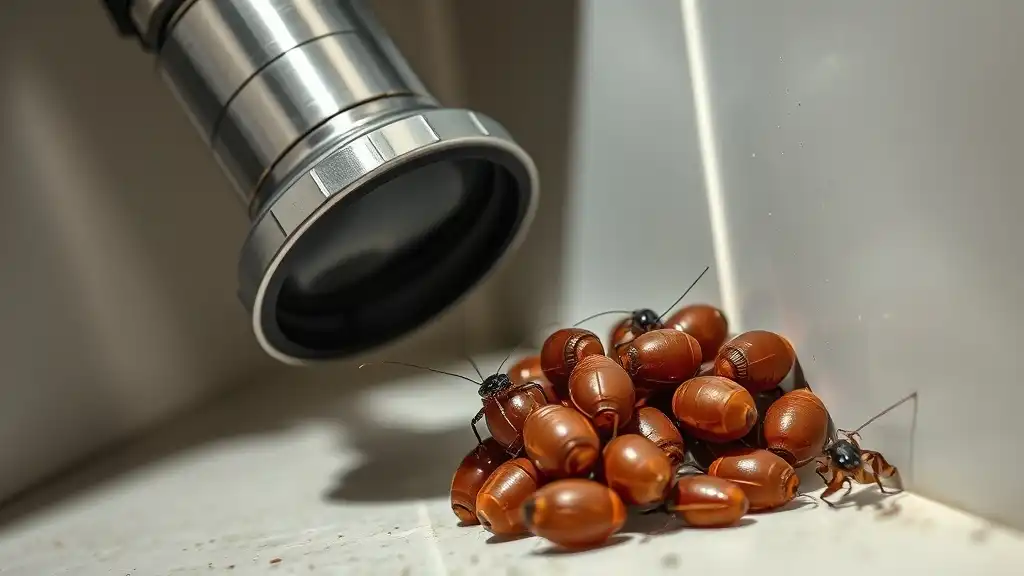
Most topical insecticides cannot penetrate the ootheca’s protein substance exterior to reach the eggs inside. This is the most important fact about cockroach egg case control — spraying an egg case with insecticide achieves almost nothing. Physical removal and destruction is the only reliable method for eliminating eggs before they hatch.
Vacuum egg cases directly using a crevice attachment, then immediately seal and dispose of the vacuum bag or empty the bagless canister outside the home. Crushing the ootheca manually between hard surfaces kills the eggs inside — do this on a disposable surface and bag the debris immediately. For oothecae glued to surfaces, slide a thin rigid object beneath the case to detach it, then crush and bag. Do not leave removed egg cases in an open indoor waste bin — any cases that survive with viable eggs will hatch in the bin and the nymphs will reenter the living space. Desiccant dusts including diatomaceous earth and silica gel applied in harborage zones around deposition sites dehydrate newly hatched nymphs before they can establish, providing a treatment layer that complements physical egg case removal. Sustained temperatures above 40°C kill eggs inside oothecae and form the basis for professional heat treatment effectiveness against the egg stage.
How to Prevent Cockroach Egg Laying in Your Home
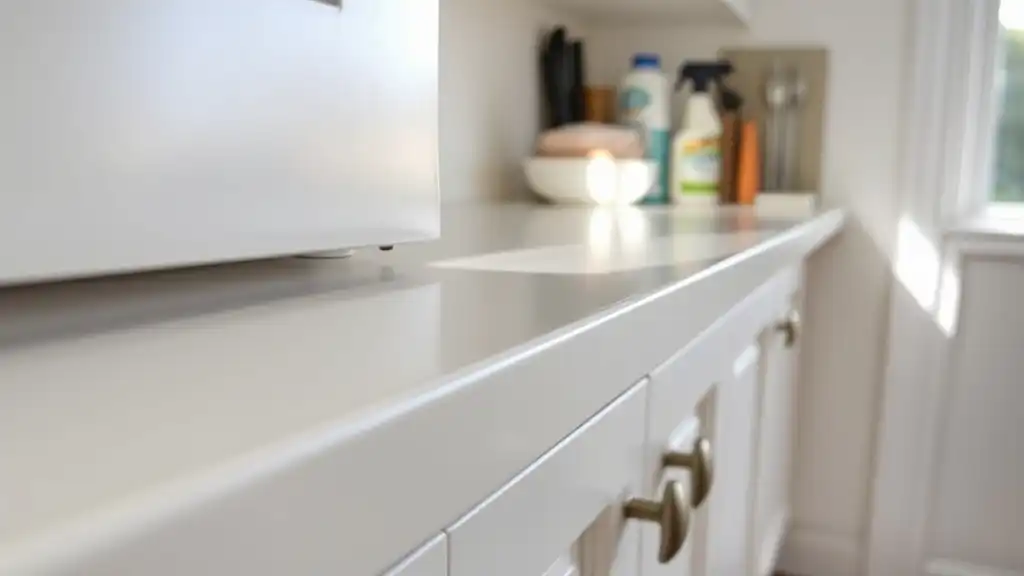
Preventing egg deposition requires eliminating the environmental conditions that make indoor locations suitable for ootheca placement. Females deposit egg cases only in secure, protected, warm, humid locations near food and moisture — removing these conditions removes the incentive for deposition.
Seal all cracks and crevices along baseboards, cabinet interiors, pipe penetrations, and appliance gaps with silicone caulk — these are the primary deposition locations for German and American cockroach oothecae. Eliminate food residue from cabinet surfaces, baseboard areas, and around appliances to reduce the food-source proximity that makes these areas attractive for deposition. Fix all plumbing leaks and reduce moisture access points. Declutter storage areas, especially cardboard box accumulation, which provides both deposition sites and hitchhiking transport for egg cases entering from outside. Inspect all secondhand furniture and grocery boxes before bringing them inside — over 82% of new infestations originate from unnoticed egg cases transported in packaging and secondhand goods. Apply insect growth regulators in harborage zones to disrupt the reproductive cycle even when egg cases are not visible — IGRs prevent nymphs that hatch from completing development to reproductive adulthood, breaking the cycle before the next generation of oothecae are produced.
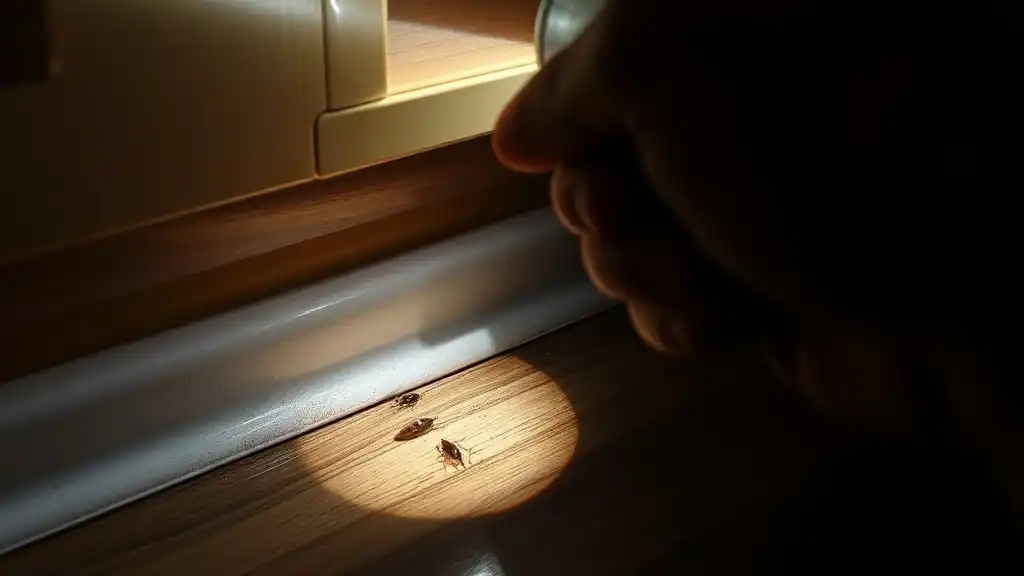
Recommended Inspection Schedule
Monthly flashlight inspection of the top eight deposition locations — cabinet corners, under sink pipe penetrations, behind refrigerator and stove, inside appliance housings, furniture undersides (for brown-banded species), along baseboards, inside stored cardboard, and wall outlet areas — catches new oothecae before the 28 to 33 day hatching window closes. Finding and removing one ootheca per inspection cycle prevents that case’s 16.3 average eggs from adding to the population. In active infestation situations, weekly inspection is warranted until three consecutive weeks show no new oothecae, confirming the breeding cycle has been interrupted.
Frequently Asked Questions
What Do Cockroach Eggs Look Like?
Cockroach eggs are enclosed in an ootheca — a small oval leathery capsule approximately 7.4 millimeters long with a ridged surface, ranging in color from light tan to dark reddish-brown. The ridged exterior runs along the long axis and corresponds to individual eggs sealed inside. Oothecae are often misidentified as mouse droppings or beetle casings — the key distinction is the symmetrical ridged surface and consistent oval shape with rounded ends that droppings and debris do not have.
How Many Eggs Are Inside a Cockroach Egg Case?
The average cockroach egg case holds 16.3 eggs across all species. German cockroach cases contain the most at 35 to 40 eggs per case — the highest of any common indoor species. American cockroach cases hold 14 to 16 eggs. Oriental cockroach cases hold approximately 16 eggs. Brown-banded cases contain 10 to 18 eggs. The species with the most eggs per case, German cockroaches, are also the fastest-maturing species, which explains why German cockroach infestations escalate faster than any other household species.
How Long Do Cockroach Eggs Take to Hatch?
Cockroach eggs hatch within 28 to 33 days under optimal conditions of approximately 29°C and 70% humidity. Lower temperatures extend this window significantly — at 20°C, hatching can take 60 to 90 days. Higher temperatures within the optimal range produce the fastest hatching cycles. This 28 to 33 day window means egg cases deposited just before a professional treatment will hatch weeks later and restart the population if the cases were not physically removed during treatment.
Do Cockroach Eggs Survive Cleaning Products?
Yes — most household cleaning products do not kill cockroach eggs inside the ootheca. The protein substance exterior provides chemical resistance that prevents most topical insecticides and cleaning chemicals from penetrating to the eggs. Bleach, disinfectant spray, and most household cockroach killers are ineffective against intact egg cases. Physical removal and crushing, sustained heat above 40°C, or desiccant dust applied around the deposition site to kill hatching nymphs are the effective responses.
Why Do People Misidentify Cockroach Egg Cases?
Over 90% of homeowners misidentify egg cases on initial inspection because oothecae resemble several common household objects including mouse droppings, beetle casings, seed pods, and dried food debris. The misidentification matters because it delays treatment — a homeowner who dismisses an egg case as a seed pod or mouse dropping loses the 28 to 33 day window to remove it before hatching. The reliable identification test is texture (leathery, not brittle), shape (symmetrically oval with a ridged surface), and size (approximately 7mm). Objects that crumble to powder, have irregular edges, or lack the consistent ridged surface pattern are not cockroach oothecae.
