

What Cream Is Good for Cockroach Bites?
If you’re dealing with cockroach bites, hydrocortisone cream is your go-to for relieving inflammation and itching fast. Applying it once or twice daily on clean skin provides effective and quick relief. For milder symptoms, calamine lotion or aloe vera gel can work wonders with their soothing properties. Don’t forget, if symptoms worsen or don’t improve, it’s wise to contemplate seeking medical advice. Interested in more ways to tackle this pesky problem?
Key Takeaways
- Hydrocortisone cream reduces inflammation and itching effectively when applied twice daily on clean, unbroken skin.
- Calamine lotion soothes itching and irritation, providing relief from cockroach bite symptoms.
- Aloe vera gel offers anti-inflammatory benefits and helps alleviate discomfort and irritation.
- Topical antihistamine creams can be used to manage itch-driven reactions from cockroach bites.
- Anti-inflammatory creams help address redness and swelling, providing relief from common bite symptoms.
First Steps After a Bite
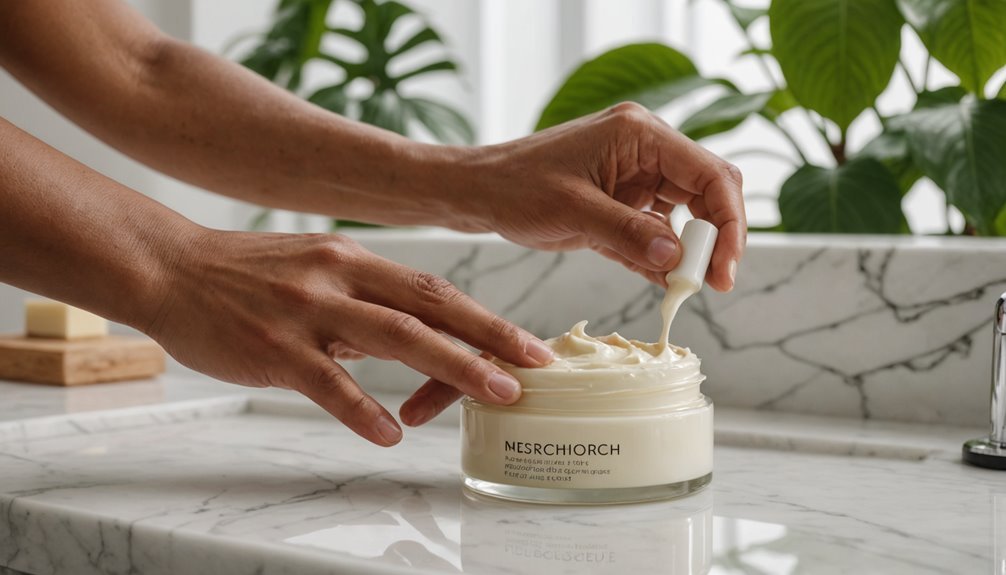
When you first notice a cockroach bite, acting quickly can help reduce complications. Start by washing the area with warm, soapy water to minimize contamination and lower infection risk. Make sure to pat the skin dry gently, avoiding harsh rubbing that could irritate the skin further. Once clean, remove yourself from the area where the bite occurred.
Act quickly by washing the bite with warm, soapy water to reduce contamination and infection risk.
Apply a thin layer of hydrocortisone cream or calamine lotion to ease itching and inflammation. Remember to reapply hydrocortisone as the package instructs, usually 2 to 3 times daily. For non-cream comfort, a cold compress can soothe pain and swelling. Avoid scratching the bite to prevent increased irritation and possible infection.
If symptoms worsen, seek medical attention promptly. Insect bites management often requires urgent care, emphasizing the importance of addressing symptoms early.
Understanding Cockroach Bites
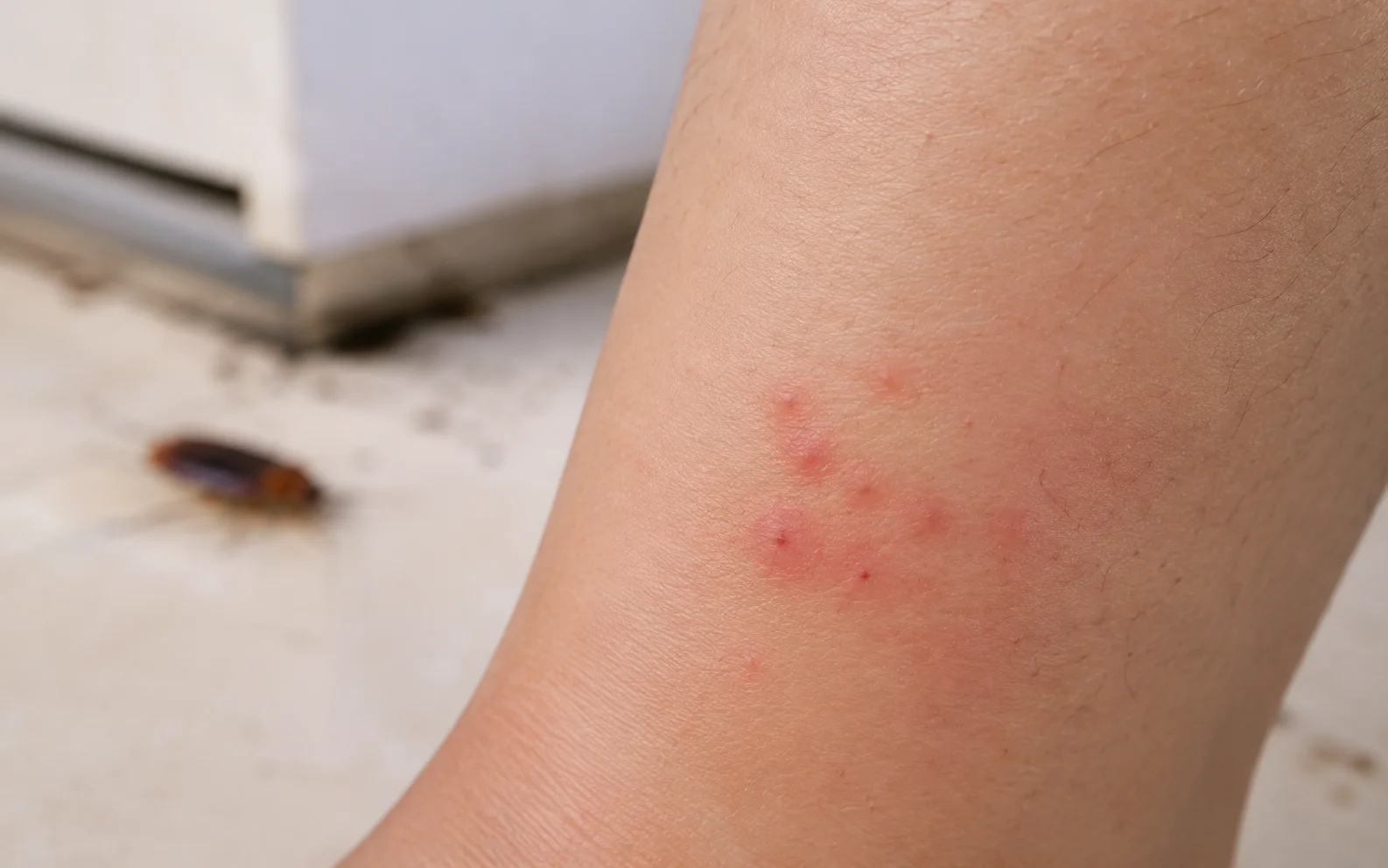
You mightn’t expect it, but cockroach bites can cause small, red lesions that often swell and itch intensely. These bites sometimes resemble mosquito bites, leading to inflamed welts if not treated. Understanding these symptoms helps you choose the right cream to alleviate discomfort and prevent infection. Despite being pests, cockroaches play a significant role in Australia’s ecosystem, which highlights the importance of managing infestations without disrupting their ecological contributions.
Identifying Cockroach Bites
Ever wondered what a cockroach bite looks like? It’s typically a single raised red bump, often confused with mosquito bites. These marks can be larger than other insect bites and are usually surrounded by redness and swelling. A distinctive rash around the bite might help in identifying it.
You’ll likely notice the bites overnight on exposed skin, particularly if there’s food nearby or signs of a roach infestation. Sometimes, the bites appear in clusters or linear patterns when multiple incidents occur. The presence of a red rash often accompanies cockroach bites, making them more identifiable.
The sensation is often itchy, with some experiencing a sharp or mild pain, inflammation, swelling, or even a burning feeling.
Although rare, cockroach bites are more credible with nighttime exposure and evidence of cockroaches in your environment.
Symptoms and Reactions
Although often mistaken for other insect bites, cockroach bites can lead to distinct symptoms and reactions. You’ll typically notice redness, swelling, and itching at the bite site. Sometimes, mild pain or tenderness can occur. It’s important to monitor these reactions closely to prevent complications.
- Local Skin Reactions: Redness and swelling are common, often leading to itching that drives scratching.
- Infection Risk: Scratching can break the skin, allowing bacteria in, and increasing redness or pus indicates a possible infection.
- Allergic Responses: Watch for hives or severe swelling, and seek help immediately if breathing becomes difficult.
- Symptom Control: Use hydrocortisone cream or calamine lotion to reduce irritation, and apply cold compresses to ease swelling.
Keep an eye on symptoms, ensuring they improve over time.
Selecting the Best Treatment for Cockroach Bites
When dealing with cockroach bites, selecting the right treatment is essential to alleviate discomfort. First, clean the bite with soap and water.
For mild itching, consider soothing creams like calamine lotion or aloe vera gel to calm irritation and dryness. If redness or swelling is present, an over-the-counter anti-inflammatory cream can be beneficial.
For itch-driven reactions, a topical antihistamine cream with diphenhydramine may help, but avoid applying near mucous membranes.
If there’s a risk of infection from scratching, use an antiseptic cream after cleansing.
Remember, creams should match symptoms: itch, swelling, or irritation dictate different products. If symptoms worsen or infection signs appear, seek medical advice.
Managing cockroach bites resembles standard insect-bite care, focusing on symptom relief and infection prevention.
Why Hydrocortisone Cream Works for Bites
You’ll find hydrocortisone cream effective for reducing inflammation from cockroach bites, thanks to its ability to calm overactive immune responses.
It quickly alleviates itching, providing fast relief so you can get back to your day without discomfort.
When used properly, it’s a safe short-term option, making it a handy addition to your first aid kit.
Reduces Inflammation Effectively
Hydrocortisone cream effectively reduces inflammation from cockroach bites by suppressing inflammatory signals in the skin. This topical corticosteroid minimizes swelling and redness, providing symptomatic relief for mild bite reactions.
When you apply a thin layer of 1% hydrocortisone, you’re targeting those irritating symptoms.
- Suppresses inflammation: It directly tackles the inflammatory response.
- Reduces swelling: Noticeable decrease in lesion size has been observed.
- Quick action: Many cases report symptom resolution within just three days.
- Convenient usage: Available over-the-counter for easy application.
For best results, apply the cream once or twice daily on clean, unbroken skin.
Alleviates Itching Quickly
Feeling the itch from a cockroach bite can be frustrating, but hydrocortisone cream steps in to quickly ease that discomfort.
As a first-line OTC option, 1% hydrocortisone effectively reduces the skin reaction causing itching and irritation. By calming the inflammatory response, it decreases your urge to scratch, breaking the cycle of irritation.
For the best results, apply a thin layer directly to the clean bite area once or twice daily. Doing so guarantees fast relief, often within days.
Hydrocortisone’s ability to target localized itch makes it a trusted choice for symptomatic relief.
Safe Short-Term Use
While hydrocortisone cream quickly eases itching from cockroach bites, its effectiveness lies in safe, short-term use. As a topical corticosteroid, it reduces pain, swelling, and inflammation caused by bite reactions.
Apply a thin layer once or twice daily for up to seven days to control symptoms. Avoid prolonged use without consulting a healthcare professional.
When using hydrocortisone cream, remember:
- Clean the area first with mild soap and water.
- Avoid application on broken or infected skin.
- Limit use to the lowest effective concentration.
- Seek medical advice if symptoms worsen or persist.
Use hydrocortisone as a brief solution for mild to moderate reactions, ensuring you follow the guidelines to avoid potential side effects.
Calamine Lotion: Soothing Itch and Swelling
Calamine lotion is a reliable ally in soothing itch and swelling from cockroach bites. Shake the bottle well, then dab a thin layer onto the bite with a cotton ball. Let it dry naturally without rubbing. Apply three times daily, and reapply after bathing if needed.
It contains zinc oxide and ferric oxide, which dry out oils and reduce inflammation. The cooling effect numbs nerves, providing instant relief from itching and stinging.
Avoid applying to open wounds or broken skin, and keep away from eyes and mucous membranes. If symptoms persist after three days, consult a doctor.
Store the lotion in a cool, dark place, ensuring the cap is tightly closed to maintain product integrity.
Considering Antihistamine Creams for Severe Itch
When dealing with severe itch from cockroach bites, antihistamine creams can be an effective option. They help provide relief from the itchiness, especially if it’s localized and uncomplicated.
While they don’t address infection or significant swelling, they can be part of a broader itch-care routine.
Consider using antihistamine creams when:
- Itch is localized and not accompanied by severe symptoms.
- You’ve already tried washing with soap and water and applying cool compresses.
- You’re looking for relief from itch without using oral medications.
- Scratching might lead to skin irritation or increased infection risk.
Using Aloe Vera for Cockroach Bites
If you’re dealing with cockroach bites, consider using aloe vera as a soothing option. Its anti-inflammatory properties can help reduce redness, swelling, and discomfort.
Start by washing the affected area with soap and clean water, then dry it thoroughly. Apply a thin layer of aloe vera gel and let it air dry.
This gel acts as a calming agent, providing relief from irritation and itching.
Making a Baking Soda Paste for Relief
After exploring aloe vera’s soothing benefits, another effective remedy for cockroach bites is a baking soda paste. It’s simple to make and helps reduce itching and irritation.
Start by mixing 1 part baking soda with 3 parts water until you get a thick paste. Apply it directly to the cleaned bite area and leave it on for about 10 to 20 minutes before rinsing with cool water.
- Measure: Use 1 teaspoon or tablespoon of baking soda depending on the needed amount.
- Mix: Gradually add water to achieve a thick consistency.
- Apply: Spread a thin, even layer on the bite.
- Repeat: Use several times a day for relief.
When to Seek Medical Attention
While most cockroach bites are harmless and manageable at home, it’s crucial to recognize when medical attention is necessary.
If you experience difficulty breathing, wheezing, or throat tightness, seek emergency care immediately, as these can signal anaphylaxis. Swelling of the lips, tongue, or face also warrants urgent evaluation.
Look out for hives, dizziness, or fainting, which require prompt medical help.
Hives, dizziness, or fainting signal the need for immediate medical attention.
Infections are another concern. Increasing redness, warmth, pain, or pus around the bite may indicate infection and should be checked by a doctor.
Fever or red streaks spreading from the bite are serious signs. Persistent symptoms like ongoing pain, swelling, or itching that don’t improve with basic care should be assessed by a healthcare professional.
Frequently Asked Questions
Can Cockroach Bites Transmit Diseases?
Cockroach bites don’t typically transmit diseases. Focus on cleaning the bite to prevent infection. Use cold compresses and anti-itch creams like hydrocortisone or calamine for relief. Watch for signs of infection or severe allergic reactions.
How Do Cockroach Bites Differ From Other Insect Bites?
Cockroach bites usually appear in clusters or lines, often on calloused skin. They’re larger red bumps with noticeable swelling and pain, unlike mosquito bites. Bed bug bites target uncovered skin and are linked to sleeping areas.
Are There Natural Ways to Prevent Cockroach Bites?
You can naturally prevent cockroach bites by sealing cracks, using peppermint oil sprays, and placing bay leaves in cabinets. Keep your environment clean and dry to deter them. Fix leaks and use dehumidifiers to reduce moisture.
What Are Common Signs of an Allergic Reaction to Cockroach Bites?
You might notice redness, swelling, or intense itching at the bite site. Respiratory issues like wheezing and tightness in the chest could occur. Be alert for dizziness, nausea, or difficulty swallowing as potential signs.
Can Children Safely Use Creams for Cockroach Bites?
Yes, children can safely use creams for cockroach bites with precautions. Opt for low-strength hydrocortisone or calamine lotion, and follow instructions. Avoid broken skin and sensitive areas. Always consult a healthcare provider for persistent symptoms.
Conclusion
If you’re dealing with a cockroach bite, start by cleaning the area. For relief, consider applying hydrocortisone cream to reduce inflammation, or calamine lotion to soothe itchiness. Antihistamine creams can help with severe itching, while aloe vera offers natural soothing properties. A baking soda paste might also provide relief. Always monitor the bite, and if symptoms worsen, don’t hesitate to seek medical attention. Taking these steps can help ease discomfort and promote healing.
