
Can You Use Hydrocortisone Cream on Cockroach Bites?
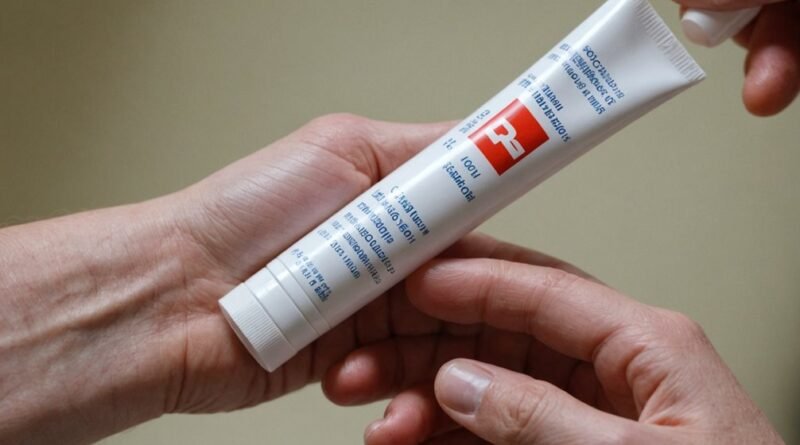
If you’ve been bitten by a cockroach, you can use hydrocortisone cream to relieve itching and inflammation. First, clean the bite with soap and water, then apply a thin layer of 0.5% or 1% hydrocortisone cream. Use it once or twice daily, but avoid broken skin or sensitive areas. Limit use to a week unless advised otherwise. Curious about more remedies and prevention tips? There’s more valuable insight ahead.
Key Takeaways
- Hydrocortisone cream can be used for itching relief from cockroach bites.
- Apply a thin layer of 0.5% or 1% hydrocortisone cream on the affected area.
- Use the cream once or twice daily for short-term relief.
- Avoid applying on broken skin or near sensitive areas like eyes.
- Limit usage to seven days and consult a healthcare provider if needed.
What to Do When a Cockroach Bites You?
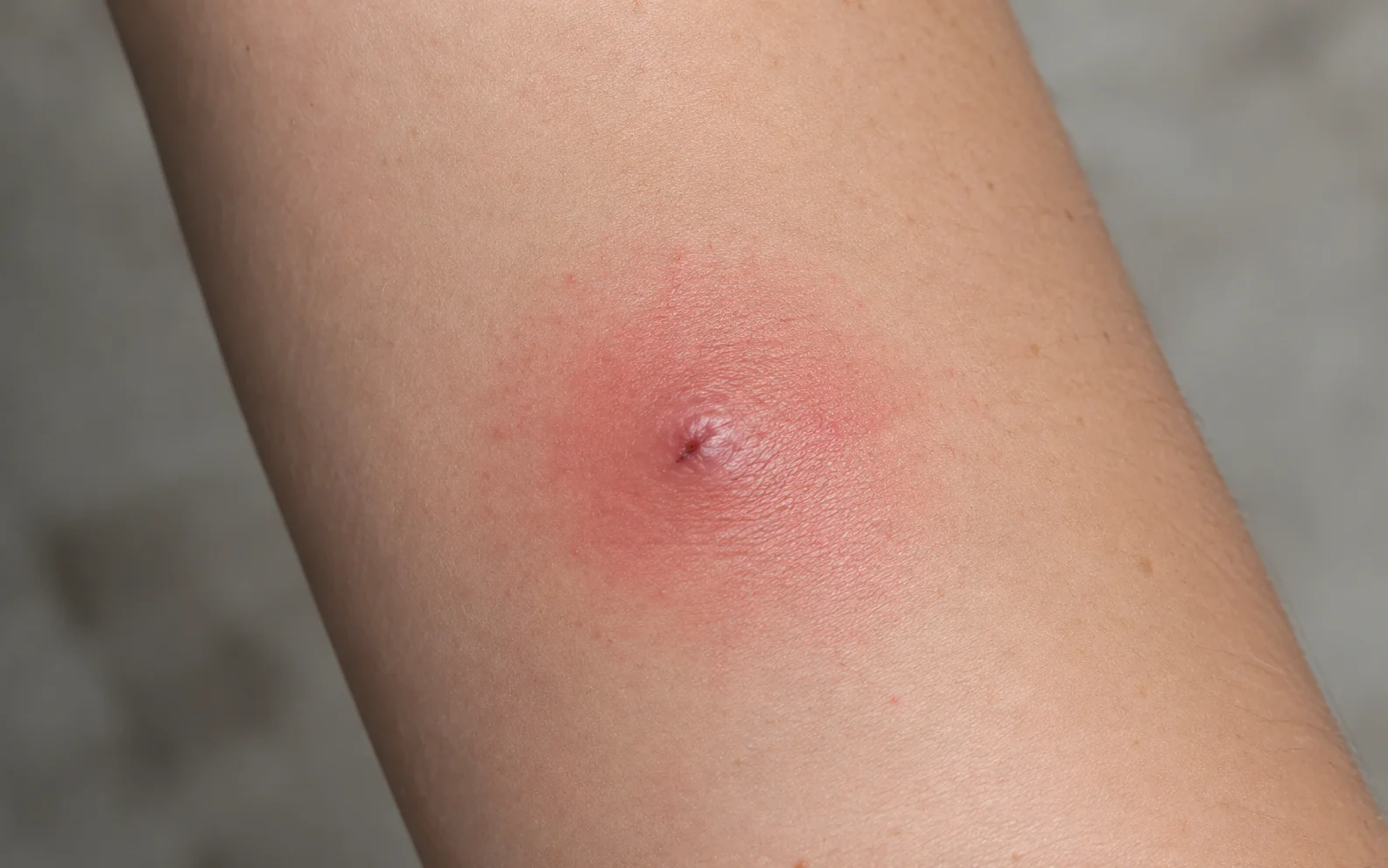
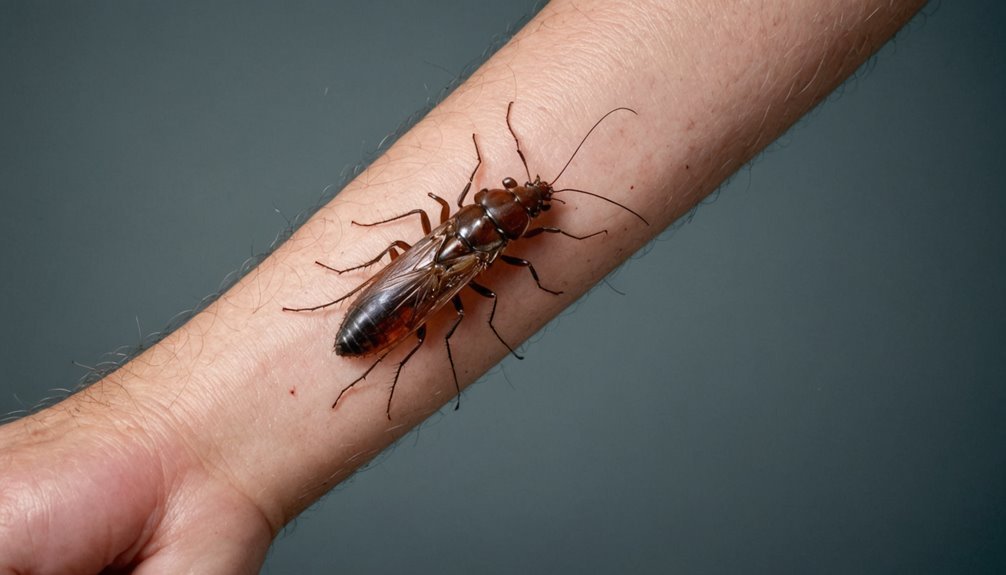
When a cockroach bites you, promptly addressing the wound is essential to prevent infection and reduce discomfort. First, wash the affected area thoroughly with mild soap and warm water. Then, use a cotton swab with rubbing alcohol to disinfect the surface. Gently squeeze the area to help expel any bacteria. After cleaning, pat the skin dry with a clean towel, being careful not to scrub aggressively. To reduce swelling and pain, apply a cold compress or an ice pack wrapped in cloth for 10–15 minutes. Repeat every few hours as needed. Rest the affected body part and keep it elevated above heart level to minimize inflammation. These steps guarantee a quicker recovery and prevent complications from the bite. Cockroach bites are rare when food sources are adequate, but they can occur more frequently in overcrowded conditions.
How Hydrocortisone Cream Eases Itching
Although cockroach bites aren’t common, dealing with the itch they cause can be frustrating. Hydrocortisone cream, a topical corticosteroid, helps by calming your skin’s inflammatory response, which drives itching. By reducing inflammation, it lessens redness, swelling, and itch intensity around minor insect bites.
Over-the-counter hydrocortisone is often recommended for short-term relief, alongside other treatments like calamine lotion and oral antihistamines. It’s important to know that while hydrocortisone eases symptoms, it doesn’t address the bite’s underlying cause.
For best results, apply 0.5% or 1% hydrocortisone cream several times a day. This cumulative approach helps build relief over time.
While hydrocortisone is effective for minor, localized reactions, combining it with other measures can enhance overall comfort.
How to Use Hydrocortisone Safely
Applying hydrocortisone cream safely guarantees effective relief and minimizes risks. Start by washing your hands and cleaning the affected area with mild soap and water, then pat dry. Apply a thin layer of the cream using a fingertip unit, which covers twice the area of an adult palm. Gently rub it in until it disappears. Use it once or twice daily, or follow product-specific directions. Avoid applying to unaffected skin, cuts, or wounds. Hydrocortisone is used for skin conditions like eczema and insect bites, so ensure it’s appropriate for your symptoms. Don’t cover the area with a dressing unless instructed by a professional. After applying, wash your hands again unless treating them. Limit use to seven days unless otherwise advised. Store the cream safely, away from flames, as it’s flammable on clothes and bedding.
When Hydrocortisone Isn’t Safe for Bites
Hydrocortisone cream can offer effective relief for minor insect bites, but certain situations call for caution. If you’ve scratched a cockroach bite and the skin is broken, avoid using hydrocortisone. Damaged skin can increase absorption and irritation.
Consider these situations:
- Infection Signs: If the bite shows redness, pus, or swelling, stop using hydrocortisone and seek medical advice. Steroids may worsen infections.
- Severe Reactions: Difficulty breathing or rapid swelling demands immediate medical help, not topical treatment.
- Sensitive Areas: Avoid using hydrocortisone near the eyes, face, groin, or underarms unless directed by a doctor. These areas are more prone to side effects.
Remember that using hydrocortisone on broken or infected skin can increase the risk of complications. Always prioritize safety and consult a healthcare provider if unsure.
Other Remedies for Cockroach Bites
When dealing with cockroach bites, it’s important to contemplate alternative remedies that provide relief effectively. Start by washing the bite area with unscented soap and water, then pat it dry.
Apply a cold compress for 5 to 15 minutes to reduce swelling and itchiness. If you don’t have a compress, a wet washcloth with ice works too.
For calming the itch, try applying calamine lotion or a baking soda paste. Witch hazel can also soothe irritated skin. If itching persists, consider taking an oral antihistamine like Benadryl.
For pain, acetaminophen or ibuprofen might help.
Avoid scratching; keep nails short and apply firm pressure to relieve itching. If a scab forms, use antibiotic ointment to prevent infection.
When to Call a Doctor
If a cockroach bite doesn’t improve with home care, it’s crucial to know when to seek medical attention. Watch for signs of infection or severe reactions. Here are key indicators:
- Signs of Infection: Look for redness, warmth, or pus around the bite. If swelling increases after two days or you notice oozing fluid, contact your doctor.
- Severe Allergic Reactions: Seek emergency care if you experience difficulty breathing, wheezing, or swelling of the face, lips, or throat. Rapid heartbeat or dizziness also warrant immediate attention.
- Persistent Symptoms: If there’s no improvement after three to five days, or symptoms like red streaks or open ulcers develop, it’s time for a medical evaluation.
Prompt attention helps prevent complications.
Tips to Prevent Cockroach Bites
To prevent cockroach bites, start by maintaining clean living spaces—wipe surfaces regularly and store food in sealed containers.
Seal entry points by caulking cracks and using weatherstripping to block their paths.
You can also try natural repellents like essential oils to keep them at bay.
Maintain Clean Living Spaces
Even though cockroach bites are rare, maintaining clean living spaces is essential to prevent them and minimize infestations.
Focus on cleanliness to keep these pests at bay:
- Clean Kitchen Surfaces: Wipe countertops with an all-purpose cleaner to remove crumbs. Clean food areas nightly since cockroaches are nocturnal. Don’t leave dishes in the sink overnight.
- Remove Food Sources: Dispose of garbage daily in a sealed container. Transfer food to sturdy, sealed containers if infestation is suspected. Keep pet food in sealed containers and empty pet bowls every night.
- Control Moisture: Inspect areas behind toilets and under sinks for moisture. Repair leaks promptly and use a dehumidifier in damp spaces.
Quickly clean up spills to prevent water accumulation.
Seal Entry Points
While cockroach bites are uncommon, sealing entry points in your home is essential to prevent these pests from invading.
Inspect foundation cracks where concrete meets soil and seal them with masonry caulk or silicone-based fillers. Use silicone sealant or foam for wall-floor connections.
Regularly check and maintain door sweeps and weather stripping to block gaps around doors. Recaulk window sashes and replace torn screens to keep them secure.
Cover vents with insect-resistant mesh, ensuring openings are smaller than 1/8 inch. Seal gaps around pipes and utility lines with expanding foam or rubber gaskets.
Inspect areas like baseboards and crawl spaces frequently, reapplying sealants as needed. Keep vegetation trimmed and firewood away to reduce hiding spots.
Use Natural Repellents
Sealing entry points is a great start to keeping cockroaches out, but using natural repellents adds an extra layer of protection. You can easily incorporate natural solutions to deter these pests:
1. Essential Oils: Mix peppermint oil with water and vinegar to spray kitchen corners and baseboards.
Eucalyptus oil with water sprayed in damp areas also works well.
2. Herbs and Plants: Place crushed bay leaves in cupboards and pantries.
Fresh mint leaves near entryways and cabinets can create effective barriers.
3. Household Items: Lightly dust food-grade diatomaceous earth behind appliances and along baseboards.
This will kill cockroaches by damaging their exoskeletons.
Frequently Asked Questions
Can Hydrocortisone Be Used on Other Insect Bites?
Yes, you can use hydrocortisone on other insect bites. It reduces inflammation and itching. Apply a thin layer once or twice daily. Avoid cuts, open wounds, and consult a doctor for sensitive areas or children.
What Are Common Side Effects of Hydrocortisone Cream?
You might experience skin thinning, stretch marks, or a rash from hydrocortisone cream. Color changes and visible blood vessels can occur. Serious effects like allergic reactions and vision problems are rare but possible with prolonged or incorrect use.
How Does Hydrocortisone Compare to Calamine Lotion?
You’ll find hydrocortisone reduces inflammation and itching more effectively, while calamine soothes mild itching. Use hydrocortisone for pronounced swelling and irritation, but pick calamine for simple itch relief. Always wash the area before application.
Can Hydrocortisone Be Used on Children Under 10?
You shouldn’t use hydrocortisone cream on children under 10 without a doctor’s advice. Always check product labels for age restrictions. If approved, follow the instructions carefully and monitor for any adverse reactions.
Is It Safe to Use Hydrocortisone During Pregnancy?
You can use hydrocortisone during pregnancy in low doses, on small areas, and for short periods. It’s generally safe, but always consult your doctor. Prefer mild products and avoid using on broken skin for added safety.
Conclusion
If a cockroach bites you, don’t panic. Hydrocortisone cream can help ease itching, but use it carefully and follow the instructions. Be aware of situations where it might not be safe, like if you have allergies or open wounds. Consider other remedies, like cold compresses or antihistamines, and know when it’s time to consult a doctor. To prevent future bites, keep your home clean and seal any entry points to keep cockroaches out.
