

Best Prevention Tips for Keeping Roaches Out of Kitchen
The most effective prevention tips for keeping roaches out of your kitchen are daily sanitation to remove food and grease, airtight food storage in sealed containers, fixing moisture sources promptly, sealing entry point cracks around pipes and baseboards, and consistent monitoring with sticky traps. These steps work together to eliminate the three things cockroaches need most: food, water, and shelter.
Key Takeaways
Keeping roaches out of the kitchen is not a single action but a system of overlapping habits. Here is what the evidence-based approach looks like.
- Daily cleaning of counters, floors, and appliances removes the food residues and grease that cockroaches seek out during nightly foraging.
- All dry goods, pet food, and open packages should be stored in airtight glass or heavy-duty plastic containers immediately after purchase.
- Moisture control is as important as food removal; cockroaches survive only 7 to 12 days without water, making leak repair a direct pest control step.
- Sealing cracks along baseboards, around pipes, and behind appliances blocks the entry points cockroaches use to access kitchens from wall voids.
- Sticky trap monitoring provides weekly data on cockroach activity levels and guides where cleaning and treatment efforts need to be intensified.
Essential Kitchen Sanitation Practices

Sanitation is the foundation of cockroach prevention in any kitchen because it directly removes the food sources that sustain the population. Cockroaches are opportunistic feeders that can survive on crumbs, grease film, food residues in drains, and organic debris inside appliances. A kitchen that looks clean to the human eye can still provide enough resources to support a significant cockroach colony if grease buildup and hidden debris are not addressed.
Wipe down all countertops, prep areas, and stovetop surfaces daily with a vinegar-water solution or dish soap to remove grease residues that are invisible to the eye but highly attractive to cockroaches. Pay special attention to the sides of appliances, backsplash gaps, and the underside of cabinet shelves where grease accumulates from cooking steam.
Daily and Weekly Cleaning Priorities
Effective sanitation requires separating daily tasks from deeper weekly work so neither gets skipped during busy periods.
Daily steps that directly reduce cockroach food access:
- Sweep or vacuum kitchen floors every evening before bed when cockroaches begin foraging; pay attention to gaps along baseboards and beneath the refrigerator
- Wipe down all countertops and cooking surfaces after every meal to remove crumbs, grease, and liquid spills
- Wash dishes immediately rather than leaving them in the sink overnight; standing dirty dishes are a significant overnight food source
- Empty kitchen trash cans nightly into outdoor bins with tight-fitting lids; cockroaches easily access standard indoor trash cans
- Rinse recyclables before placing them in bins since food residue inside cans and bottles attracts cockroach foraging
Weekly deep cleaning tasks that remove hidden food sources cockroaches rely on:
- Pull the refrigerator and stove away from walls and clean behind and beneath them where food debris, grease, and moisture accumulate
- Remove all items from kitchen cabinets and wipe every surface including corners, seams, and the undersides of shelves
- Clean the interior of the microwave, toaster tray, and any other appliance that accumulates food particles
- Degrease the stove hood, backsplash tiles, and the outside of appliances where cooking grease builds up over time
- Vacuum cracks along baseboards and behind cabinets using a crevice tool to remove debris that standard cleaning misses
Smart Food Storage and Waste Management
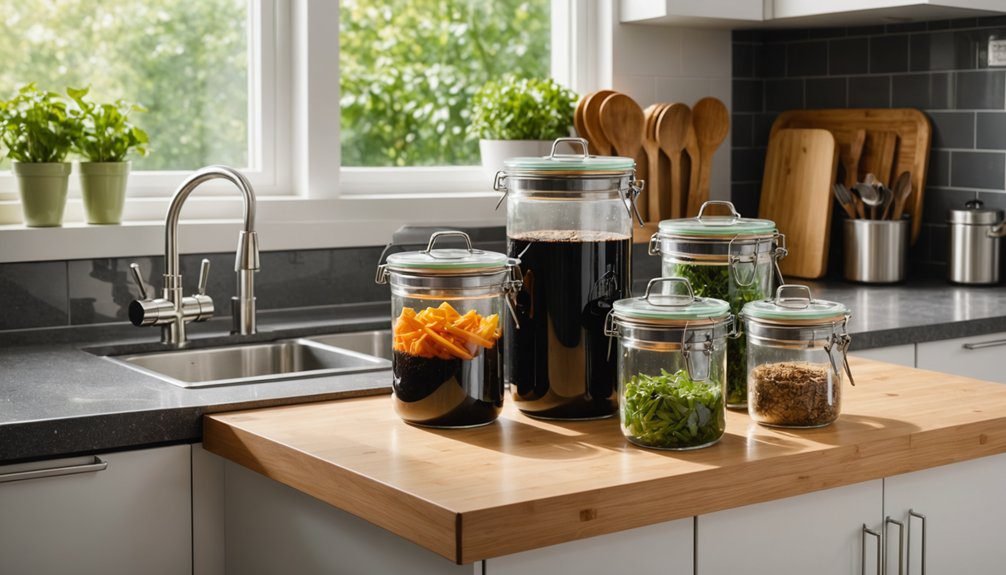
Food storage is the second pillar of cockroach prevention because even a spotlessly clean kitchen cannot deny cockroaches food access if dry goods are kept in their original paper or cardboard packaging. Cockroaches can chew through thin cardboard and paper packaging and feed on the residues left inside. Original grocery packaging also harbors cockroach eggs in some cases, particularly when cardboard has been stored in warm distribution warehouses.
Transfer all dry goods including cereals, grains, flour, pasta, sugar, and pet food into airtight glass or heavy-duty plastic containers immediately after purchase. Clear containers make it easy to spot pest activity and monitor food freshness simultaneously. Inspect pantry shelves and cupboard interiors regularly for droppings, egg cases, or shed skins that indicate cockroach access to stored food.
Food Storage Rules That Prevent Cockroach Access
Applying consistent storage rules across all food categories closes the gaps that cockroaches exploit in most kitchens.
- Store all dry goods in airtight containers with locking lids rather than using clips or rubber bands on open bags
- Keep fresh produce in sealed containers or the refrigerator rather than on open countertops where ripening fruit attracts cockroaches
- Seal pet food between feedings in airtight containers; pet food bowls left out overnight are a consistent overnight food source
- Remove cardboard boxes from pantries and storage areas since cardboard provides both food residue and harborage for cockroaches
- Practice a first-in, first-out system in your pantry to keep older items visible and prevent forgotten food from spoiling in the back of shelves
- Inspect groceries before bringing them indoors, particularly bags of potatoes, onions, and any items stored in cardboard
Moisture Control and Plumbing Maintenance
Moisture control deserves equal weight with food removal in any kitchen cockroach prevention plan. Cockroaches can survive weeks without food but only 7 to 12 days without water, making moisture sources a higher-priority resource than food in many infestation scenarios. A kitchen with consistent moisture from a dripping faucet, condensation-prone pipes, or a slow drain leak provides enough water to sustain a cockroach colony indefinitely regardless of how clean the food storage is.
Fix dripping faucets and leaking pipes under the kitchen sink immediately after discovering them. Even a slow drip that deposits a few drops of water per minute provides adequate daily hydration for a significant cockroach population. Wipe the sink area thoroughly after use rather than leaving standing water in the basin overnight.
Moisture Sources to Eliminate in the Kitchen
Systematically addressing every moisture source in the kitchen removes a survival resource cockroaches cannot compensate for with other food and water alternatives.
- Repair leaking pipes and connections under the sink as soon as they are discovered; check under-sink areas monthly even when no drips are visible
- Insulate condensation-prone cold water pipes with foam pipe insulation to prevent moisture from collecting on pipe surfaces
- Flush drains weekly with hot water or a baking soda and vinegar mixture to clear organic buildup that retains moisture and provides food
- Maintain water trap seals in sink drains; dry or damaged traps allow cockroaches to access kitchens through drain connections
- Run a kitchen exhaust fan during and after cooking to reduce humidity from steam that collects on walls, cabinet surfaces, and behind appliances
- Remove wet sponges, dish cloths, and mops from the kitchen overnight since damp cleaning items are a consistent moisture source in the dark and undisturbed environment cockroaches prefer
Sealing Entry Points and Physical Barriers

Cockroaches can squeeze through openings as narrow as one-eighth of an inch, which means gaps that appear too small to matter are real entry routes. In kitchen environments, the most significant entry points are around pipe penetrations under sinks, along the back edges of cabinet bases where they contact walls, behind the stove and refrigerator, and through gaps in baseboards along shared walls with neighboring units or utility spaces.
Inspect these areas systematically with a flashlight and pay attention to any gap where you can see light coming through from behind cabinets or under baseboards. Use silicone caulk for gaps up to half an inch along baseboards, cabinet edges, and around pipe penetrations. For larger openings around plumbing and utility penetrations, apply expanding foam sealant first and finish with a silicone caulk top coat once the foam cures to create a durable, sealed surface.
Entry Point Sealing Checklist
Working through a structured checklist ensures no common access route is missed during the initial sealing process.
- Caulk all gaps where pipes penetrate cabinet walls and floors under the kitchen sink
- Seal cracks along the back of cabinet bases where they contact the wall, especially in the corner where floor and wall meet
- Fill gaps behind the stove and refrigerator where the appliances contact walls with silicone caulk or steel wool
- Install weatherstripping and door sweeps on any exterior-facing kitchen door to close the gap at the base
- Repair or replace damaged window screens in kitchen windows that remain open during warmer months
- Screen kitchen vents and exhaust openings with fine mesh to prevent cockroaches from entering through ventilation systems
- Seal gaps around electrical outlets and switch plates on shared walls where cockroaches travel through wall voids
Inspect all sealed areas every few months and after any plumbing or appliance maintenance work that may disturb caulked surfaces. Cockroaches quickly exploit any gap that reopens after building settlement, pipe vibration, or maintenance activity.
Natural and Chemical Control Methods for Kitchens

Prevention is most effective when combined with targeted control methods that eliminate any cockroaches that breach sanitation and exclusion barriers. In kitchen environments, treatment choices must balance effectiveness with safety around food preparation surfaces, stored food, and family members.
Boric acid powder applied lightly in dry areas behind appliances, inside cabinet bases, and under the sink is one of the most reliable low-toxicity treatments for kitchen cockroach control. It is non-repellent, meaning cockroaches walk through treated areas without detecting it. Keep boric acid away from food contact surfaces, children, and pets, and apply it only in enclosed spaces where accidental contact is unlikely.
Natural Control Options Safe for Kitchens
Several natural approaches work well in kitchen environments where chemical exposure near food is a concern.
- Boric acid powder dusted lightly inside cabinet bases and behind appliances; reapply every few weeks as the powder settles and loses coverage
- DIY bait using equal parts baking soda and powdered sugar placed in small container lids inside cabinet bases and under the sink
- Food-grade diatomaceous earth applied in thin layers along baseboards and inside wall gaps where cockroaches travel
- Essential oil sprays with eucalyptus, tea tree, or peppermint oil diluted in water applied along cabinet edges and at entry points; reapply every 5 to 7 days
- Bay leaves or citrus peels placed inside pantry shelves and cabinet drawers as botanical deterrents that discourage foraging
For chemical solutions, commercial gel baits placed in strategic locations like cabinet corners, under sinks, and inside appliance gaps deliver effective transfer kill while keeping active ingredients confined to inaccessible areas away from food. The best gel baits for cockroach control use slow-acting active ingredients that allow feeding cockroaches to return to the colony and spread the toxin through feces and body contact before dying, maximizing colony-level impact from minimal product placement.
Deep Cleaning Strategies for Cockroach Problem Areas
Deep cleaning addresses the accumulated grease, debris, and organic matter in areas that standard daily cleaning does not reach. These hidden problem areas are where cockroaches find the food and harborage that sustain infestations even when surface-level cleanliness is maintained.
Remove all items from kitchen cabinets and drawers and scrub every interior surface with warm soapy water, paying particular attention to corners, seams, and the back walls where grease builds up invisibly over time. Check every shelf and cabinet base for droppings, egg cases, and shed skins that indicate active cockroach use of the space.
Appliance Deep Cleaning Steps
Appliances are the most commonly neglected deep cleaning target in kitchens and the most significant harborage zone for cockroaches because they provide warmth, food debris, and hidden spaces in a single location.
- Pull the refrigerator fully away from the wall and clean beneath and behind it including the drip pan, which collects water and food debris
- Remove the stove drawer and clean inside it and along the walls behind and beneath the stove body
- Disassemble removable parts from the dishwasher filter assembly and clean accumulated food debris that cockroaches feed on
- Clean inside the garbage disposal by running it with ice cubes and salt to dislodge organic buildup
- Use a vacuum with a HEPA filter and crevice tool to remove cockroach droppings, egg cases, and debris from gaps before cleaning surfaces
- Check thoroughly inside and around appliance motors and heating elements where warmth creates preferred harborage
Professional cockroach extermination methods include deep inspection of these appliance zones as a standard first step because they consistently reveal the harborage zones that DIY surface cleaning misses.
Effective Storage Organization and Decluttering
Clutter in kitchen storage areas creates harborage opportunities that no amount of cleaning can compensate for. Cockroaches use stacked cardboard, paper bags, and loosely organized storage as harborage during daylight hours, then emerge at night to forage. Reducing clutter removes shelter and makes it easier to spot the early signs of cockroach presence before an infestation becomes established.
Transfer pantry contents from original packaging to clear airtight containers lined up on open shelves where visual inspection is easy. Remove all cardboard boxes from pantry and under-sink storage areas and replace with plastic bins. Organize cabinet interiors so every area is accessible for inspection and cleaning without moving multiple items.
Decluttering Priorities That Reduce Cockroach Harborage
- Remove all cardboard boxes from kitchen and pantry storage; replace with plastic bins or baskets that cockroaches cannot use as harborage
- Clear the area beneath the kitchen sink and organize cleaning products so the back wall and pipe penetrations are visible and accessible
- Move rarely used appliances and items stored on top of the refrigerator to reduce harborage in that elevated warm zone
- Eliminate paper bags, newspaper stacks, and loose packaging from kitchen drawers and cabinet bases
- Keep the area around and beneath the trash can clear so cockroach droppings or activity near the bin are immediately visible
Regular Inspection and Monitoring
Monitoring is what converts a reactive pest control approach into a proactive one. Catching a cockroach problem at the first sign of activity is far easier and less expensive than responding after the population has established deep harborage zones.
Place sticky traps inside kitchen cabinet bases, beneath the refrigerator, under the sink, and along the back wall where the stove contacts the wall. Number each trap and record counts weekly to track activity trends rather than individual sightings. A single trap count means little; a trend of increasing or decreasing counts tells you whether your prevention program is working or whether cockroach pressure is building.
What to Look for During Kitchen Inspections
Conduct monthly inspections with a flashlight and mirror to check dark, hidden spaces that traps may not cover.
- Droppings resembling black pepper or coffee grounds along cabinet bases, in drawer corners, and behind appliances
- Egg cases attached to the underside of shelves, inside cabinet hinges, and in gaps behind appliances
- Shed exoskeletons near harborage zones indicating active nymph development
- Smear marks or dark streaks along baseboards and wall edges where cockroaches travel repeatedly
- Musty or oily odor in cabinet interiors or under-sink areas caused by cockroach pheromones in large populations
A DIY cockroach inspection checklist walks through every kitchen zone systematically so inspections cover the areas most likely to reveal early infestation signs before they become visible in open areas.
When monitoring reveals active cockroach presence despite consistent prevention steps, the most likely explanations are a missed harborage zone, a sealed gap that reopened, or reinfestation pressure from a neighboring unit or exterior harborage source. Understanding what attracts cockroaches to homes helps identify which specific resource in your kitchen is sustaining the activity so prevention efforts can target it directly.
When Prevention Needs Professional Backup
A consistent prevention program handles most kitchen cockroach problems when implemented before a population becomes established. Once cockroaches have colonized wall voids, appliance interiors, and multiple cabinet zones, DIY prevention alone rarely achieves full control because it cannot reach the harborage areas where the colony sustains itself.
If monitoring traps show consistent activity despite two to four weeks of thorough sanitation, sealing, and natural treatment, the infestation has likely reached a level that benefits from professional intervention. Cockroach treatment timelines show that professional gel bait and IGR programs typically produce measurable decline within the first week and full control in 2 to 8 weeks, after which a prevention-focused maintenance routine keeps the kitchen cockroach-free without additional chemical applications.
Frequently Asked Questions
How Long Can Cockroaches Survive Without Food and Water?
Cockroaches can survive for up to three months without food depending on species, with American cockroaches lasting longer than German cockroaches due to their larger body mass. Without water, survival drops dramatically to 7 to 12 days for most species, though some can extend this slightly in high-humidity environments. This difference explains why moisture control is the highest-priority prevention step: removing water sources creates a faster population stress response than removing food alone.
Can Cockroaches Transmit Diseases Through Kitchen Contamination?
Yes. Cockroaches carry and spread bacteria including Salmonella, E. coli, and Staphylococcus on their bodies and deposit them on food preparation surfaces, dishes, and stored food as they forage. Their droppings and body secretions can also contaminate surfaces with pathogens linked to food poisoning and gastroenteritis. Cockroach allergens from droppings and shed skins are a documented trigger for asthma and allergic reactions, particularly in children exposed to heavy infestations.
Do Ultrasonic Pest Repellers Work Against Cockroaches?
No. Commercial ultrasonic pest repeller devices do not effectively control cockroaches in real-world kitchen environments. While laboratory research has shown that specific frequencies around 35 to 40 kHz can affect cockroach behavior under controlled conditions, consumer devices do not replicate these parameters reliably and their output is blocked by furniture, walls, and cabinet interiors. Cockroaches also habituate quickly to constant sound stimuli. Proven pest control methods including gel baits, boric acid, and consistent sanitation deliver far more reliable results.
What Time of Year Are Cockroaches Most Active in Kitchens?
Cockroach activity peaks during late spring through early fall, with the highest infestation pressure typically in July and August when heat and humidity accelerate reproduction and metabolism. German cockroaches in particular thrive in the warm, humid conditions of summer kitchens and breed significantly faster during this period. Prevention routines should be intensified during warm months and maintained at a consistent level through winter since cockroaches remain active year-round in heated indoor environments regardless of exterior temperature.
Why Do Cockroaches Appear More After Neighbors Treat Their Homes?
When neighboring units in apartment buildings or connected homes receive chemical pest control treatment, cockroaches flee the repellent compounds and migrate through shared wall voids, plumbing chases, and structural gaps into untreated adjacent spaces. This migration pattern is one of the most common reasons kitchen cockroach problems appear suddenly in units that previously had no activity. Sealing shared wall entry points, maintaining sticky trap monitoring, and implementing preventive gel bait placements before neighbor treatments begin gives you the best protection against this migration pressure. Cockroach control in multi-unit buildings is most effective when coordinated across the entire property rather than treated unit by unit.
