

How to Treat a Cockroach Bite at Home Safely
To treat a cockroach bite at home, start by cleaning the area with mild soap and warm water. Apply an antiseptic ointment to prevent infection, and use a cold compress to reduce swelling and pain. For itching, try calamine lotion or hydrocortisone cream. Keep an eye out for severe reactions, like increased redness or pus, and consult a doctor if needed. There’s more to discover about handling bites successfully.
Key Takeaways
- Clean the bite with mild soap and warm water, then dry it completely.
- Apply antiseptic ointment to prevent infection and use a cold compress to reduce swelling.
- Use hydrocortisone cream or calamine lotion to relieve itching and redness.
- Take over-the-counter pain relievers like ibuprofen for discomfort and monitor for signs of infection.
- Seek medical attention if severe symptoms like difficulty breathing or facial swelling occur.
Clean the Wound Thoroughly
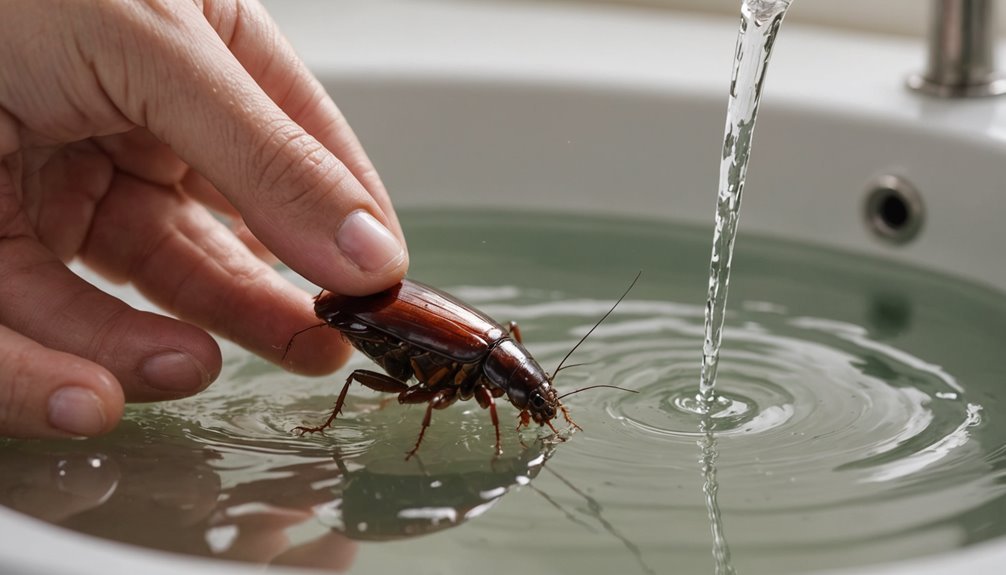
When treating a cockroach bite, the first essential step is to clean the wound thoroughly. Start by washing the bite site immediately with mild soap and warm water to remove dirt and contaminants. Make sure you clean your hands first to minimize contamination risk. Gently wash the area, avoiding scrubbing, then rinse with clean water to remove all soap residue. Dry with a clean towel or let it air-dry fully. Cockroach bites can cause minor irritation, so it’s important to monitor the wound for signs of infection. Next, apply an antiseptic ointment to keep the area free from pathogens. You can use an antibacterial ointment or consider options like rubbing alcohol or hydrogen peroxide. Gently apply any disinfectant using a cotton swab or clean cloth. Keep the process gentle and avoid pinching or pressing the bite site.
Know When to Seek Medical Attention

If you notice signs of infection like increased redness, swelling, or pus at the bite site, it’s time to see a doctor. Cockroach bites are extremely rare and typically occur during severe infestations, so if you find multiple bites, consider assessing your living environment for a possible pest problem. Watch for severe allergic reactions, including difficulty breathing or facial swelling, as these require immediate medical attention. Persistent symptoms or the presence of fever might mean you need further evaluation for possible complications.
Recognize Severe Reactions
Experiencing a cockroach bite can be alarming, but knowing when to seek medical attention is essential. Watch for severe allergic reactions like difficulty breathing, wheezing, or tightness in the throat—these are signs of anaphylaxis and need immediate care. Swelling of the lips, tongue, face, or throat is a red flag. Dizziness, fainting, or loss of consciousness indicates a life-threatening situation. If symptoms intensify quickly, don’t wait—contact emergency services. Use an epinephrine auto-injector if available and activate emergency services. Avoid physical exertion; it might worsen symptoms. If breathing or pulse stops, start CPR immediately. Keep the person in a half-sitting position for breathing trouble or recovery position if consciousness fluctuates. Don’t delay emergency response. Cockroach allergens can exacerbate asthma, particularly in urban environments, increasing the risk of severe reactions.
Identify Infection Signs
Noticing changes around a cockroach bite is essential to prevent complications. Keep an eye on the bite for increasing redness, swelling, or warmth. These are early signs of infection. If the area becomes painful or starts oozing fluid, it’s time to think about seeking medical attention. Persistent tenderness or worsening irritation also suggests trouble.
| Warning Sign | Emotional Impact |
|---|---|
| Redness & Swelling | Anxiety about infection |
| Oozing Pus | Fear of worsening |
| Fever | Urgency for care |
Prompt action is vital. After cleaning, apply antiseptic, and avoid scratching. If symptoms don’t improve or worsen, consult a healthcare provider. Remember, systemic symptoms like fever indicate a need for professional evaluation. Stay alert to changes, and prioritize your health.
Emergency Symptoms Alert
Recognizing emergency symptoms swiftly can be lifesaving when dealing with a cockroach bite. If you experience difficulty breathing, wheezing, or chest tightness, seek emergency services immediately.
Swelling of the face, lips, tongue, or throat signals anaphylaxis and needs urgent care. Dizziness, fainting, confusion, or loss of consciousness may indicate shock. Rapidly worsening symptoms, like spreading hives or generalized itching, require immediate attention. Use an epinephrine auto-injector if available.
Severe pain, rapidly increasing swelling, or spreading redness at the bite site also merits medical evaluation. Pus, drainage, or blistering shouldn’t be ignored.
If you’re uncertain about symptom severity, it’s safer to seek urgent medical advice. Always call emergency services without delay when severe symptoms appear.
Reduce Swelling and Pain Quickly

To quickly reduce swelling and pain from a cockroach bite, start by applying a cold compress or ice pack wrapped in a cloth for 10–15 minutes.
This helps numb the area and decrease inflammation.
Additionally, consider using over-the-counter pain relievers like ibuprofen for extra comfort and relief.
Apply Cold Compress
Grab a cold compress to quickly tackle swelling and pain from a cockroach bite. Wrap ice cubes or a cold pack in a clean cloth, then gently press it on the bite for 10–15 minutes. This method helps reduce redness, itching, and discomfort by numbing the area and narrowing blood vessels. You can reapply the compress every few hours, but always make sure the skin stays dry and clean.
| Timing | Frequency | Safety Tips |
|---|---|---|
| First use | As soon as symptoms start | Wrap ice in a clean cloth |
| Application | 10–15 minutes per session | Avoid direct ice-to-skin contact |
| Reapplication | Every few hours as needed | Stop if skin becomes excessively pale |
| Duration | First 24 hours | Use a fresh cloth for each application |
If symptoms persist or worsen, seek medical attention.
Use Pain Relievers
When dealing with a cockroach bite, addressing pain and swelling quickly can make a big difference in comfort. Over-the-counter options like acetaminophen or ibuprofen can help reduce soreness and throbbing. Remember, these target the pain, not the bite itself.
If you’re experiencing itching or swelling, oral antihistamines like diphenhydramine can also provide relief. Just be aware of potential drowsiness and follow the product guidelines.
For localized symptoms, apply a thin layer of hydrocortisone cream or calamine lotion to alleviate itching and mild swelling. These topical treatments can make the area feel less painful. Always follow the instructions to avoid further irritation.
If symptoms worsen or don’t improve, consider seeking medical advice to guarantee proper care.
Manage Itching and Redness
Although a cockroach bite is uncommon, managing the itching and redness effectively can make a big difference in comfort and healing.
Start by applying a cold compress or ice pack wrapped in a cloth for 10–15 minutes. This reduces swelling and itching. Use calamine lotion or a 1% hydrocortisone cream for soothing relief.
If itching persists, an oral antihistamine like diphenhydramine may help, but follow package instructions to avoid drowsiness. Remember, avoiding irritation is key.
Here’s how you can manage it:
- Cool the area with a cold compress as needed.
- Apply anti-itch topicals like calamine or hydrocortisone.
- Consider oral antihistamines for intense itching.
- Avoid scratching to prevent further irritation.
Prevent Infection and Promote Healing
To prevent infection and promote healing after a cockroach bite, start by cleaning the area immediately with soap and running water. Use mild soap and gently cleanse without scrubbing to avoid irritation.
Clean the area promptly with mild soap and water to prevent infection and promote healing.
If you choose, follow with a small amount of rubbing alcohol on a cotton swab. After washing, apply an antiseptic solution like ethyl alcohol or hydrogen peroxide, and use an antibiotic ointment such as bacitracin or Neosporin for a few days.
To reduce swelling, apply a cold compress or ice pack wrapped in cloth for 10–15 minutes.
Monitor the bite for signs of infection like increased redness or pus. Don’t scratch or squeeze the area to prevent bacteria from spreading. Keep it clean and protected for effective healing.
Use Natural Home Remedies
Several natural home remedies can help soothe the discomfort of a cockroach bite.
Applying fresh aloe vera gel directly to the bite can ease itching and irritation. Remember to use gel from the plant itself for best results, and only on intact skin.
A baking soda paste, made by mixing with water, offers temporary itch relief. Let it dry before removing.
Cold compresses or ice wrapped in a cloth can reduce swelling and redness. Apply for about 10–15 minutes.
Finely ground oatmeal, used in a bath or as a paste, can also calm itchiness.
Here’s a quick list:
- Aloe vera gel: Direct application for itch relief.
- Baking soda paste: Reduces itch temporarily.
- Cold compress: Eases swelling.
- Oatmeal paste: Soothes irritation.
Get Answers to Common Bite Questions
Natural remedies offer relief, but you’re likely curious about common questions regarding cockroach bites. Mild redness and swelling usually improve with home care. Itching can be managed with anti-itch creams, while mild pain is common. However, if you notice pus, warmth, or spreading redness, these could signal an infection. Seek medical attention if any severe symptoms or allergic reactions occur.
Here’s a quick guide:
| Symptom | Usual Meaning | Action Needed |
|---|---|---|
| Mild Redness | Normal reaction | Home care |
| Itching | Common, manageable | Anti-itch treatment |
| Pain or Tenderness | Usually mild | Monitor, seek care if severe |
| Pus/Spreading Redness | Possible infection | See a doctor |
Always keep the bite clean, and avoid scratching to promote healing.
Frequently Asked Questions
Can Cockroach Bites Transmit Diseases?
Cockroach bites don’t transmit diseases directly. Instead, they pose a risk if the skin breaks and gets infected. The main concern is contamination from cockroaches carrying bacteria, so keep your environment clean and food sealed.
How Long Does a Cockroach Bite Take to Heal?
A cockroach bite usually heals within a week. You’ll see redness and swelling subside in 24 to 48 hours, while itching might linger a bit longer. Keep the area clean to support faster recovery.
Are Cockroach Bites Common in Certain Areas?
Cockroach bites aren’t common anywhere. Even in urban or tropical areas, you’ll rarely experience one. Severe infestations increase the risk, but overall, bites remain extremely rare globally, with no specific hotspots showing frequent incidents.
What Do Cockroach Bites Look Like?
Cockroach bites look like small, red, raised bumps, often slightly larger than mosquito bites. They usually appear isolated on hands or feet and can be itchy or mildly painful. You might notice them after waking up.
Can Pets Be Bitten by Cockroaches?
Yes, your pets can be bitten by cockroaches, but it’s uncommon. If it happens, clean the area and monitor for infection. Prevent future incidents by maintaining cleanliness and securing your home from infestations.
Conclusion
In treating a cockroach bite at home, focus on cleaning the wound thoroughly and quickly reducing swelling and pain. Keep an eye out for signs that might require medical attention, like severe reactions. Use natural remedies to manage itching and redness, and take steps to prevent infection while promoting healing. By following these steps, you’ll handle the bite safely and effectively. Remember, knowing how to care for it at home can make a big difference.
