
What Happens if You Touch Cockroach Droppings?
Touching cockroach droppings isn’t a direct threat to intact skin, but wash your hands with soap and water immediately. Droppings can carry bacteria like Salmonella and E. coli, posing risks if transferred to your mouth or cuts. They can trigger allergies and asthma, especially in children and the vulnerable. Clean surfaces thoroughly to avoid foodborne illnesses. Proper handling and cleaning are key. Discover effective strategies for prevention and safe cleanup ahead.
Key Takeaways
- Wash hands thoroughly with soap and warm water immediately after touching cockroach droppings to prevent bacterial transfer.
- Direct skin infection from droppings is unlikely, but they can carry harmful bacteria like Salmonella and E. coli.
- Contact may trigger allergic reactions or asthma in sensitive individuals due to allergenic proteins in the droppings.
- Droppings can contaminate food surfaces, potentially leading to foodborne illnesses if not cleaned promptly.
- Wear gloves and masks when cleaning droppings to avoid contact and inhalation, and use disinfectants to sanitize affected areas.
Immediate Effects of Touching Cockroach Droppings
Even though direct infection from touching cockroach droppings on intact skin is unlikely, it’s important to act quickly to prevent contamination. You should wash your hands thoroughly with soap and warm water right away. Droppings can carry bacteria like Salmonella and E. coli, which aren’t harmful on intact skin but pose a risk if transferred to your mouth or open cuts. Pay attention to cleaning under your fingernails, as residue might hide there.
Avoid touching your face, especially your eyes, nose, and mouth, until you’ve washed your hands. Also, check for any surfaces you might’ve touched and disinfect them. Cockroaches are significant mechanical vectors for pathogens, so quick action can prevent pathogens from spreading to food, utensils, or other areas, reducing the risk of future illness.
How Droppings Trigger Allergies and Asthma
When cockroach droppings are present, they can trigger allergies and asthma due to allergenic proteins. These proteins, like Bla g 1 and Bla g 2, can provoke immune reactions in sensitized individuals. You might experience symptoms like sneezing, runny nose, itchy eyes, and even more serious asthma-related issues such as wheezing and shortness of breath.
Cockroach particles become airborne when disturbed, entering your airways and inflaming them. This is particularly concerning in indoor spaces with persistent infestations. Exposure can be a significant risk factor for asthma, especially in urban areas. Children are especially vulnerable to these allergens, which can result in increased asthma attacks and respiratory issues. Avoiding exposure is key to minimizing these health risks.
How Droppings Contaminate Food and Cause Illness
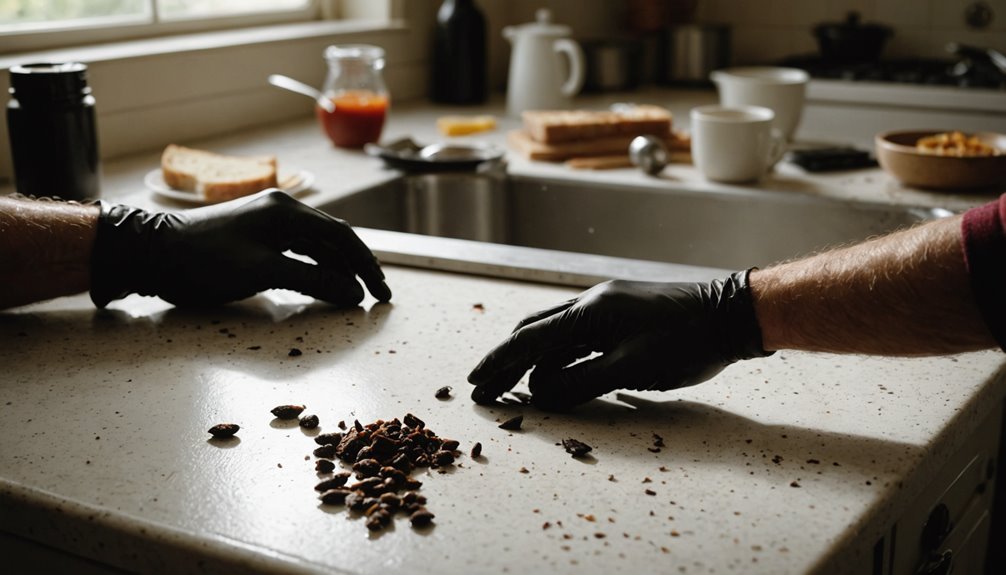
When cockroach droppings end up on food surfaces, they transfer harmful pathogens like Salmonella and E. coli. Touching these droppings with bare hands can spread bacteria to your meals, leading to severe foodborne illnesses. To prevent contamination, clean affected areas immediately and store food securely away from potential pest access. Cockroaches are known to act as mechanical vectors, carrying pathogens from contaminated surfaces to food, thus emphasizing the importance of maintaining hygiene.
Pathogen Transfer Risks
Cockroach droppings pose significant health risks by acting as vectors for pathogen transfer, contaminating food and surfaces. When you come into contact with these droppings, they can carry harmful bacteria like Salmonella, E. coli, and Staphylococcus aureus.
These pathogens easily spread to countertops, dishes, and utensils, turning them into breeding grounds for illness. If fecal particles touch your food, they can trigger foodborne illnesses, causing symptoms like nausea, vomiting, and diarrhea.
Even inhaling airborne proteins from droppings may lead to asthmatic reactions or allergic dermatitis. The risk escalates if you touch your face after contact, allowing pathogens to enter your body.
It’s essential to understand these risks to safeguard your health.
Contamination Prevention Strategies
Although cockroach droppings pose considerable health risks, there are effective strategies to prevent contamination and illness. By focusing on food-contact prevention, kitchen sanitation, moisture reduction, and entry-point exclusion, you can greatly reduce the chances of droppings contaminating your food.
1. Store Food Properly: Use airtight containers for all food items, avoiding paper and cardboard packaging. This prevents roaches from accessing and contaminating food.
2. Maintain Cleanliness: Clean countertops, floors, and food-prep areas daily. Wipe up spills immediately, and make sure dishes are washed promptly. Regularly vacuum and deep clean to remove food particles.
3. Control Moisture and Access: Repair leaks, reduce humidity, and seal entry points like cracks and gaps.
This minimizes roach access and reduces moisture they need to thrive.
Respiratory Risks From Airborne Particles
If you’re dealing with cockroach infestations, it’s vital to understand the respiratory risks from airborne particles. These pests leave behind droppings, saliva, shed skins, and decomposing bodies that contain allergen proteins. When disturbed, these particles become airborne, contaminating indoor air and spreading throughout your living space.
Breathing them in can lead to wheezing, coughing, and difficulty breathing, as they travel deep into your respiratory tract.Inhaling these particles can cause wheezing, coughing, and breathing difficulties as they penetrate deep into your respiratory system.
For those with asthma, inhaling cockroach allergens can trigger attacks by inflaming and constricting airways, increasing asthma morbidity. Allergic reactions can also occur, causing nasal irritation and congestion.
Reducing exposure is imperative. Consider eliminating infestations, using HEPA filtration, and maintaining cleanliness to lower airborne allergen levels and protect your respiratory health.
Why Kids Are Especially Vulnerable
Kids are especially vulnerable to cockroach droppings due to their developing immune systems, which makes them more sensitive to allergens.
They’re also more likely to touch contaminated surfaces and engage in hand-to-mouth behavior, increasing their exposure risk.
This combination of factors can lead to heightened asthma and allergy symptoms, making it essential to protect children from these hazards.
Increased Allergen Sensitivity
When children come into contact with cockroach droppings, their immune systems can become sensitized, leading to increased allergy risks. Cockroach allergens, found in droppings, saliva, and shed skin, can trigger immune responses linked to asthma and allergies. Kids are especially vulnerable due to their developing immune systems and higher exposure in certain environments.
- Early Sensitization: Early-life contact with cockroach allergens, especially in inner-city settings, can lead to lifelong allergy risks and asthma.
- Genetic Factors: Some kids, particularly those with the GSTM1 mutation, are more susceptible to the effects of cockroach allergens.
- Increased Respiratory Issues: Children exposed to these allergens are at a higher risk for asthma-related problems, including hospitalizations and unscheduled medical visits.
Higher Exposure Risks
Understanding why children face higher exposure risks to cockroach allergens is essential. Kids spend more time on floors where droppings and dust collect. They’re often in contact with contaminated surfaces and their hand-to-mouth behavior increases ingestion risks.
| Risk Factor | Description | Impact |
|---|---|---|
| Floor-level contact | Crawling and play increase allergen exposure | Heightened risk of asthma and allergic reactions |
| Hand-to-mouth behavior | Transfers allergens from surfaces to mouth | Ingesting contaminants, leading to health issues |
| Immature respiratory | More susceptible to respiratory problems | Greater impact on developing asthma symptoms |
Persistent exposure, especially in homes with infestations, elevates these risks. Protecting children involves controlling allergen levels to prevent health problems.
Protection Strategies for At-Risk Groups
Although cockroach droppings might seem harmless, they pose significant health risks, especially to vulnerable groups.
Cockroach droppings, though seemingly innocuous, can threaten the health of vulnerable groups.
To protect at-risk individuals like the immunocompromised, those with asthma, infants, children, and older adults, you can take specific actions.
1. Seal and Store: Keep food in sealed containers and promptly remove trash. This reduces contamination and cockroach access.
2. Eliminate Moisture: Fix leaks and improve ventilation to remove moisture that attracts cockroaches.Dry, well-ventilated spaces are less hospitable to pests.
3. Regular Inspection: Check concealed areas and use sticky traps to monitor cockroach activity.Early detection helps prevent infestations from worsening.
How to Clean Up Safely and Avoid Risks
Cleaning up cockroach droppings safely is essential to minimize health risks and allergen exposure.
Start by wearing gloves and a mask to prevent direct contact and inhalation. Use a HEPA-filter vacuum with a hose attachment for dry droppings, avoiding dry sweeping to keep allergens from becoming airborne.
After vacuuming visible debris, tackle remaining material with a damp cloth or wet wipe, sealing used items in a bag immediately.
Disinfect surfaces with a household cleaner or a bleach solution (1:10 ratio), allowing the disinfectant to sit for the recommended time.
Dispose of contaminated waste in sealed bags and wash your hands thoroughly afterward. Guarantee surfaces dry completely before reuse, and re-clean any lingering residue to reduce allergen and asthma triggers.
Preventing Cockroach Infestations at Home
To effectively prevent cockroach infestations at home, it’s crucial to manage food and water sources while eliminating entry points.
Start by keeping your food in sealed containers to deny easy access. Clean up crumbs and spills immediately, and don’t leave dirty dishes in the sink overnight. Fix leaky faucets and pipes to eliminate moisture sources that attract cockroaches.
Focus on these steps:
- Seal Entry Points: Use caulk or foam to close gaps around plumbing and windows.
- Reduce Clutter: Clear paper bags and cartons that provide hiding spots.
- Outdoor Maintenance: Keep garbage sealed and trim vegetation near walls.
Identifying Signs of a Cockroach Infestation
When you’re trying to spot a cockroach infestation, look for visible droppings that resemble black pepper or coffee grounds.
A musty odor can also tip you off, especially if it’s lingering in kitchens or bathrooms.
Don’t ignore shed skins and egg cases, as they signal active and growing roach populations.
Visible Droppings and Smears
Spotting cockroach droppings and smears is one of the primary indicators of an infestation. You might find these signs near food, water, and hiding spots like cabinets and baseboards.
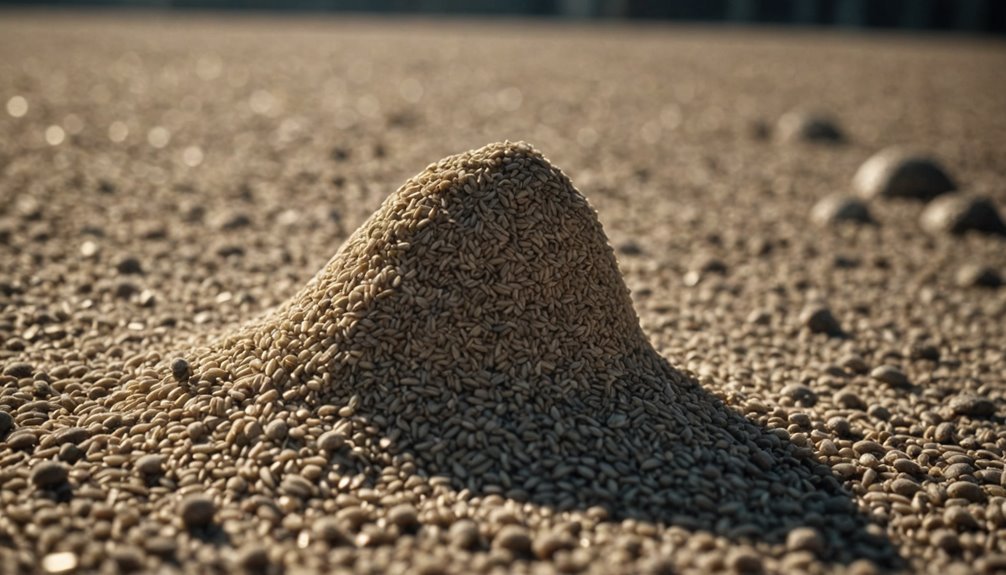
Droppings appear as dark specks; small roaches leave pepper-like flecks, while larger ones leave rice-grain-shaped pellets. Smears or streaks might show up on walls and surfaces they frequently pass, especially in damp areas. These marks suggest active roach activity and potential infestation.
Here’s what to look for:
- Droppings: Found under appliances, in kitchen areas, and along travel routes.
- Smears: Greasy marks along baseboards, cabinet edges, and near plumbing.
- Concentration Areas: Kitchens, food storage zones, and moisture-prone sites are high-risk for infestations.
Musty Odor Presence
A telltale sign of a cockroach infestation is the musty odor that lingers in your home. This smell often has oily or greasy notes, sometimes with a slightly sweet or chemical edge. It’s frequently compared to stale coffee grounds or wet cardboard. The odor persists due to a mix of fecal matter, oily secretions, and pheromones, all of which contribute to a buildup of volatile organic compounds (VOCs).
| Odor Source | Odor Location |
|---|---|
| Fecal matter | Kitchens and food areas |
| Oily secretions | Behind appliances |
| Pheromones | Sinks and utility cabinets |
The stronger the smell, the more severe the infestation, especially if it spreads across multiple rooms. If the odor returns quickly after cleaning, it indicates an ongoing issue.
Shed Skins and Eggs
Beyond the musty odor, another clear sign of a cockroach infestation is the presence of shed skins and eggs. Spotting these can help you identify an active problem. Shed skins, or exoskeletons, are left behind as nymphs grow, indicating a reproducing population.
Egg cases, or oothecae, signal breeding activity, with each holding up to 30 eggs.
Here’s where to look:
- High-Activity Areas: Check under appliances, inside cabinets, and along baseboards for pale, translucent skins.
- Egg Case Hiding Spots: Look in cracks, crevices, and undisturbed spaces like appliance motors or stored boxes.
- Inspection Tips: Use a flashlight to inspect dark, warm, and moist areas, such as kitchens and bathrooms, for both signs.
When to Seek Professional Help for Cockroach Infestation
If you’ve noticed persistent signs of a cockroach infestation, it might be time to call in the professionals. Repeated sightings, especially during the day, suggest overcrowding.
If you spot droppings, egg casings, or shed skins in multiple rooms, the infestation is likely widespread.
When over-the-counter traps and sprays fail, it indicates a deeper problem. Health concerns like allergies or asthma, particularly in children and older adults, can worsen due to cockroach allergens.
Food contamination risks and visible symptoms like coughing or rashes also strengthen the need for professional help.
Choose licensed, insured providers who offer integrated pest management for thorough treatment.
Comparing quotes from several companies guarantees you get effective, reliable service.
Frequently Asked Questions
Can Touching Cockroach Droppings Cause Skin Infections?
Touching cockroach droppings doesn’t usually cause direct skin infections. The main risk is transferring bacteria to your eyes, mouth, or open wounds. Always wash your hands thoroughly after contact to minimize any potential health risks.
How Long Do Cockroach Allergens Linger in the Air?
Cockroach allergens don’t linger long in the air; they settle quickly. However, activities like vacuuming or walking can disturb them, briefly reintroducing allergens. Manage exposure by cleaning dust and fabrics to reduce potential health risks.
Do Cockroach Droppings Attract Other Pests?
Yes, cockroach droppings attract other pests. You’ll find they draw ants, flies, and more, creating bigger problems. Clean them up quickly, disinfect, and seal entry points to prevent infestations from spreading in your space.
Are There Long-Term Effects of Repeated Exposure to Droppings?
Yes, repeated exposure to cockroach droppings can worsen asthma, cause chronic airway inflammation, and increase allergy symptoms. You risk long-term respiratory issues, especially in children, if you don’t manage and reduce exposure effectively.
Can Pets Be Affected by Cockroach Droppings?
Your pets can definitely be affected by cockroach droppings. They might experience vomiting, diarrhea, respiratory irritation, or skin allergies. Keep their areas clean and secure food properly to minimize exposure and potential health issues.
Conclusion
If you touch cockroach droppings, wash your hands immediately to avoid potential health risks. Droppings can trigger allergies, asthma, and contaminate food, leading to illness. Kids are especially vulnerable, so guarantee their safety by cleaning up thoroughly. Prevent infestations by keeping your home clean and sealing entry points. Look for signs of cockroaches, and if the problem persists, don’t hesitate to call in professional help to protect your family’s health.
