
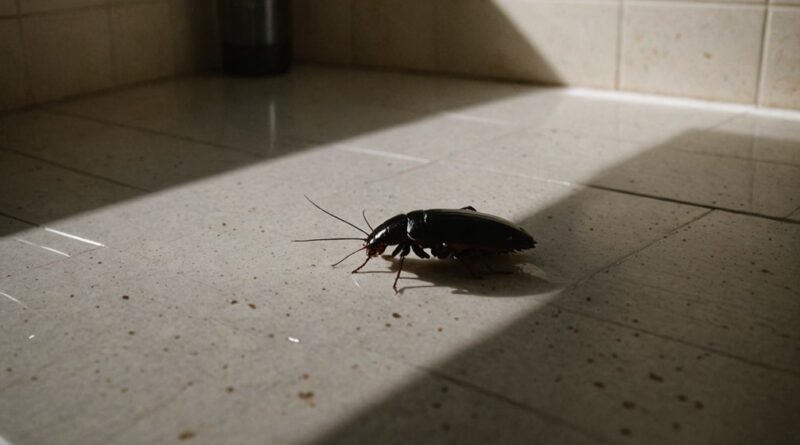
Why Do Cockroaches Suddenly Appear, Even in a Clean House?
Even a spotless home can attract cockroaches because cleanliness doesn’t eliminate every hidden opportunity they’re looking for. They squeeze through cracks as small as 1/16 inch, hitchhike in on grocery bags, cardboard boxes, and used furniture, and survive on grease film, soap residue, and microscopic food particles you’d never notice. They’re also drawn to moisture from leaky pipes and condensation more than food. If you want to keep them out for good, there’s a lot more you’ll want to know.
Key Takeaways
- Cockroaches can survive on grease film, soap residue, and microscopic food particles that remain even in spotless kitchens.
- Moisture from leaking pipes, condensation, and damp areas attracts cockroaches more than food sources alone.
- Roaches enter through foundation cracks, plumbing gaps, and openings as small as 1/16 inch.
- Cockroaches hitchhike indoors on grocery bags, cardboard boxes, used furniture, luggage, and secondhand appliances.
- In multi-unit buildings, roaches spread through shared walls, connected plumbing, and gaps around drain pipes.
Why a Clean House Doesn’t Keep Cockroaches Out
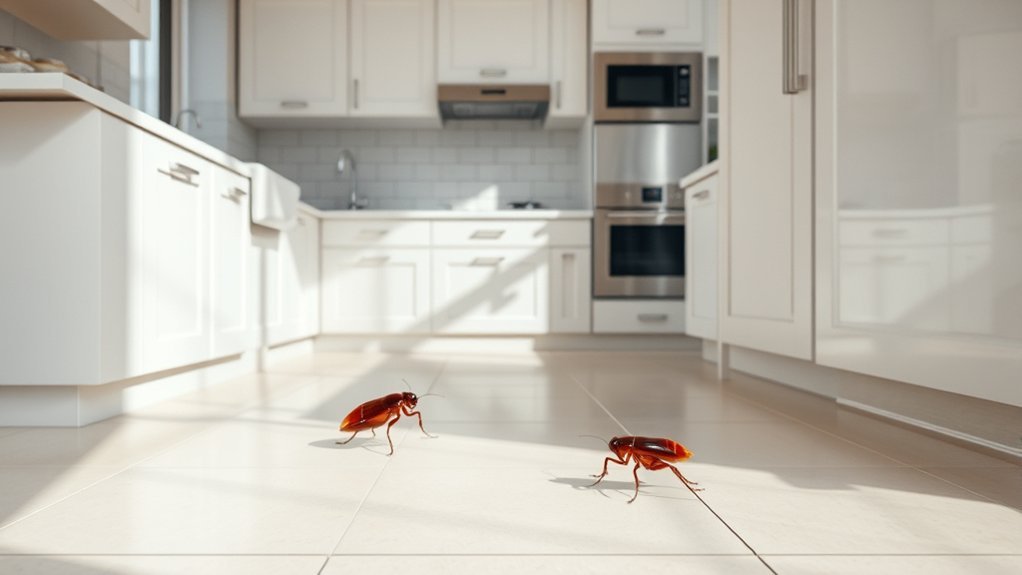
Finding cockroaches in a spotless home can feel baffling, but cleanliness alone doesn’t make your home roach-proof. Roaches don’t need visible mess to survive. They’ll feed on grease film, cardboard glue, soap residue, and microscopic food particles hidden in cracks or under appliances.
Even a well-maintained kitchen can hold enough organic material to support an infestation.
Even the cleanest kitchen contains enough hidden organic material to quietly sustain a full cockroach infestation.
Moisture is often the bigger factor. A dripping pipe, condensation on an HVAC component, or a damp basement gives roaches the water they need to thrive, regardless of how clean your surfaces are.
Shelter matters too. Wall voids, spaces behind appliances, and warm areas near water heaters offer the dark, undisturbed hiding spots roaches prefer. They can establish harborage in these areas without ever touching your countertops.
Cleanliness reduces risk, but it doesn’t eliminate it. Hidden resources, not visible dirt, are usually what keeps roaches inside your home. Roaches can also feed on materials like leather, feathers, and glue in books, making even a home library a potential food source.
Hidden Entry Points Cockroaches Use to Get Inside
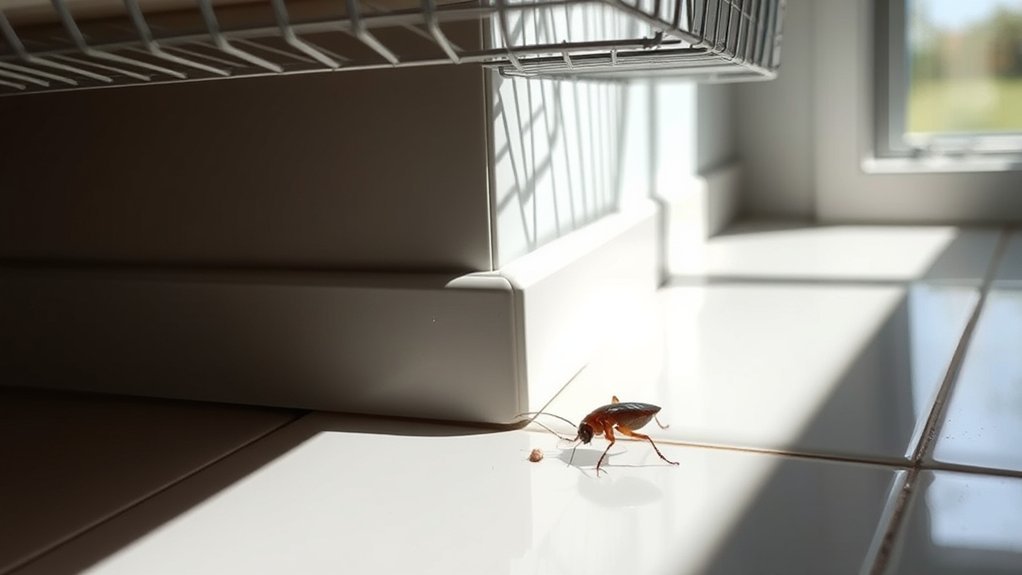
Even when your home offers roaches nothing visible to eat, they still need a way in. The problem is that entry points are rarely obvious.
Foundation cracks, slab joints, and gaps where different building materials meet can all serve as hidden corridors. Some species squeeze through openings as narrow as 1/16 inch. Worn weatherstripping, torn door sweeps, and damaged window screens create low-profile gaps that are easy to overlook.
Plumbing penetrations are especially problematic. Spaces around pipes under sinks and behind fixtures often connect directly to wall voids, giving roaches a protected route inside. The same applies to unsealed gaps around electrical, gas, and HVAC lines.
Vents make it worse. Dryer vents, crawl-space vents, and bathroom exhaust vents without intact screens are open invitations.
In multi-unit buildings, roaches don’t even need an exterior entry—they travel through shared walls, ceilings, and connected plumbing from neighboring units. Floor and sink drains can also act as direct pathways, allowing roaches to move up from sewer systems into your home.
How Cockroaches Hitchhike In on Everyday Items
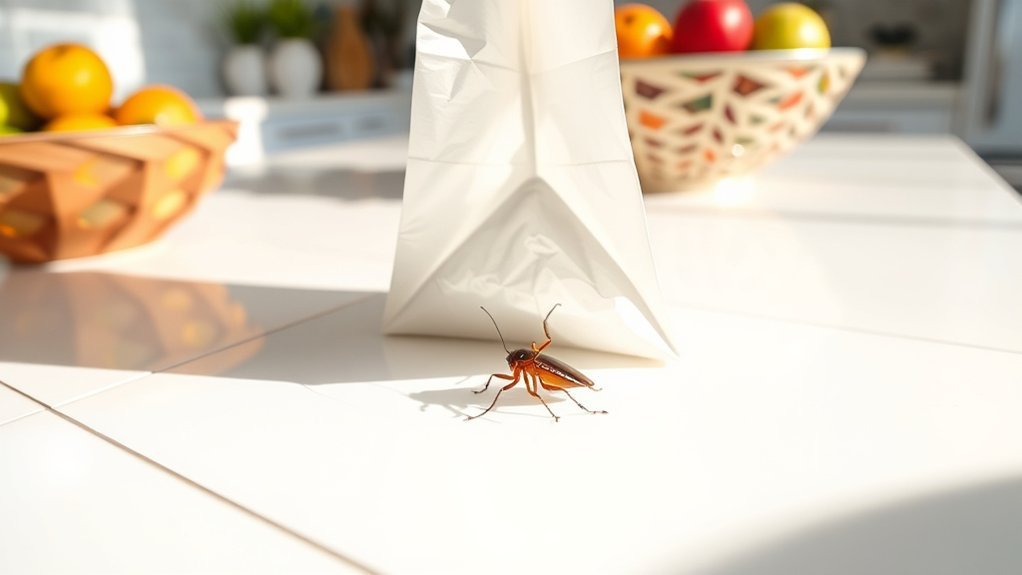
You don’t have to leave a door open to let cockroaches in—they often ride in on items you bring home every day.
Grocery bags, cardboard boxes, used furniture, luggage, and even clothing can all carry roaches or their egg cases without any visible sign of an infestation.
Inspecting incoming items before bringing them inside is one of the most effective ways to stop a hitchhiking roach before it becomes a household problem. Cockroaches are attracted to materials like luggage and used furniture, making these common entry points especially worth a careful look before they cross your threshold.
Common Hitchhiking Items
Cockroaches don’t need an open door or a crack in the wall to get inside your home—they’ll ride in on the things you carry.
Corrugated cardboard boxes are among the most common carriers, since their fluted layers offer tight hiding spaces and their starch-based glue can feed roaches in transit.
Grocery bags and infested food containers bring them straight into your kitchen.
Luggage, backpacks, and shoes can pick them up after contact with infested areas.
Used furniture and second-hand goods often conceal egg cases in seams, undersides, and drawer joints.
Even appliances and electronics create warm, dark shelters that roaches use during a move.
Any of these ordinary items can introduce an infestation without any obvious sign of entry. Female cockroaches can carry their egg cases until hatching, keeping eggs protected and viable even while hitchhiking inside everyday items you bring home.
Inspecting Incoming Items
Stopping an infestation before it starts means catching hitchhikers at the door—literally. Before any incoming item moves deeper into your home, inspect it carefully under a bright flashlight.
Watch for these four warning signs:
- Live roaches, nymphs, or egg cases tucked into seams, corners, or concealed spaces
- Black pepper-like droppings appearing along folds, closures, or cardboard edges
- Shed skins or dead insects indicating the item came from an infested source
- Musty or oily odors coming from enclosed packaging or appliance voids
If you spot any of these, isolate the item immediately and remove it from your home.
Don’t store suspect cardboard indoors—discard it. A two-minute inspection at the entry point can prevent months of problems inside. German cockroach egg cases are small enough to go unnoticed, as each ootheca measures only approximately 6 to 8mm long and 3mm wide, making them easy to miss without a close look.
Hidden Food Sources That Keep Cockroaches Coming Back
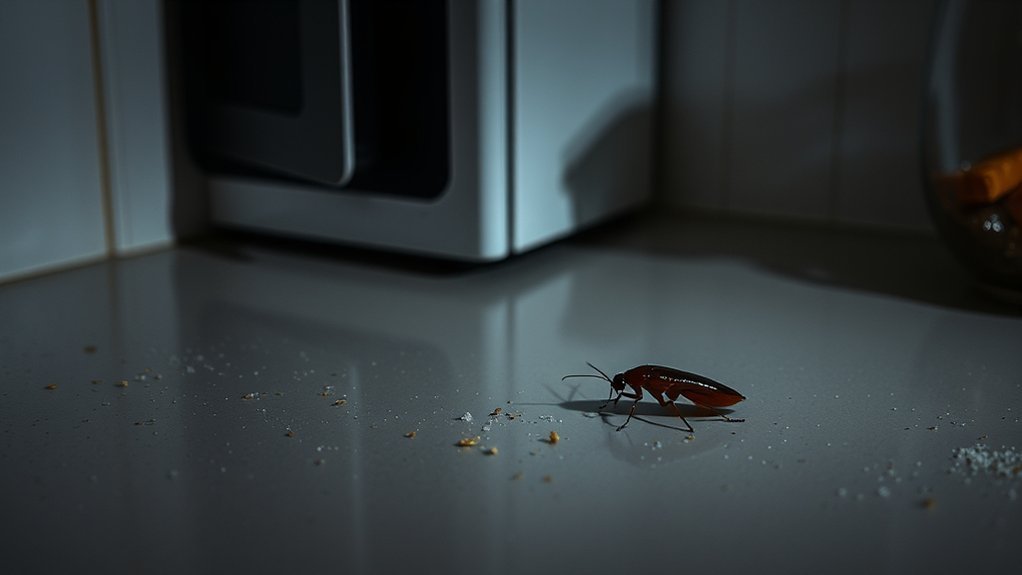
Even a spotless-looking kitchen can harbor hidden food sources that keep cockroaches fed and coming back. Crumbs collect beneath stoves, refrigerators, and toasters, while tiny food particles settle into countertop gaps and pantry corners.
Roaches feed on debris too small to notice during routine cleaning, so even a kitchen that looks clean can still sustain them.
Grease buildup is another major draw. Films behind stoves, under range hoods, and along appliance sides provide calorie-dense feeding opportunities that standard wiping misses.
Oil splatter on backsplashes becomes a persistent food source over time.
Your pantry also matters. Rice, flour, cereal, and similar dry goods in open or loosely sealed packaging are vulnerable, since roaches chew through paper and thin plastic easily.
Don’t overlook pet food bowls, spilled kibble, and overnight garbage. These sources combine protein, fat, and carbohydrates, giving cockroaches everything they need to thrive.
Moisture Is a Bigger Attractant Than Food
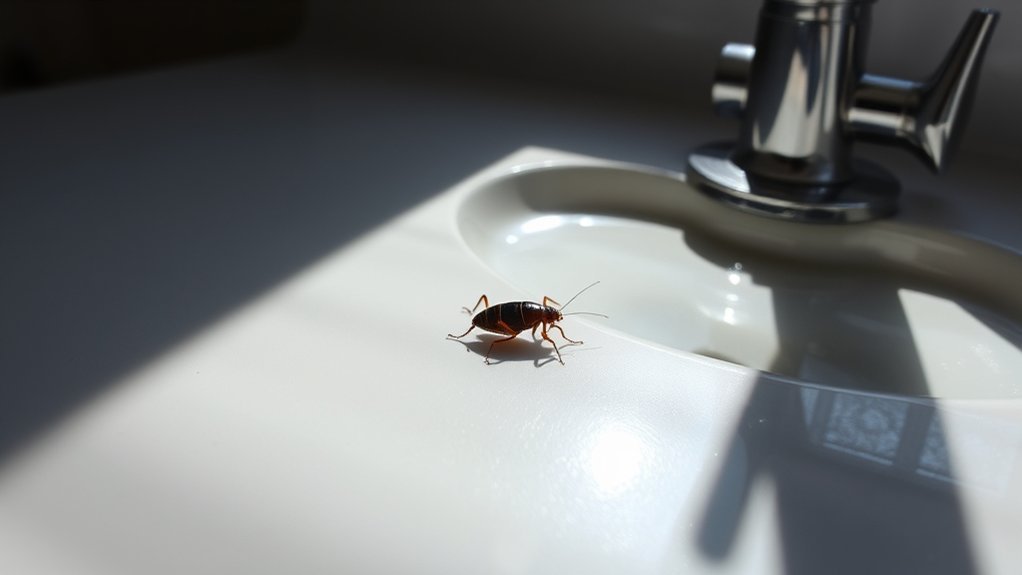
You might keep your kitchen spotless and still find cockroaches because moisture pulls them in more powerfully than food does.
Hidden leaks, condensation on pipes, dripping faucets, and damp sponges all create the water access roaches need to survive.
Cutting off those moisture sources and reducing indoor humidity are two of the most effective steps you can take to make your home genuinely uninviting to them.
Hidden Moisture Sources
Moisture is often a bigger draw for cockroaches than food, and a spotless kitchen won’t protect you if hidden water sources are present.
Cockroaches can die within 48–72 hours without water, so they’ll actively seek out even minor moisture.
Check these often-overlooked sources:
- Leaky pipes under sinks – dripping water creates a reliable, hidden supply roaches exploit daily.
- Appliance condensation – refrigerators, dishwashers, and HVAC units collect moisture in hard-to-see zones.
- Damp materials – wet sponges, cardboard boxes, and moisture-damaged cabinet wood retain enough water to sustain activity.
- Pet water bowls left overnight – these become easy drinking stations after dark.
Hidden moisture can outweigh food as the primary reason roaches appear in an otherwise clean home.
Reducing Indoor Humidity
Humidity control is one of the most effective steps you can take against cockroaches, and it often matters more than keeping surfaces clean. Cockroaches thrive when indoor humidity exceeds 70%, so aim to keep your home between 30% and 50%. Use a hygrometer to monitor levels and confirm your efforts are working.
Run bathroom exhaust fans during showers and for 15 to 20 minutes afterward. In basements and crawl spaces, run a portable dehumidifier set to 40% to 45% relative humidity. These lower levels make it harder for roaches to manage water loss.
Also reduce daily buildup by wiping down sinks before bed, drying shower walls quickly, and ensuring your dryer vents outdoors.
Persistent dampness is what keeps cockroaches coming back.
Why Clutter Gives Cockroaches Exactly What They Need to Stay
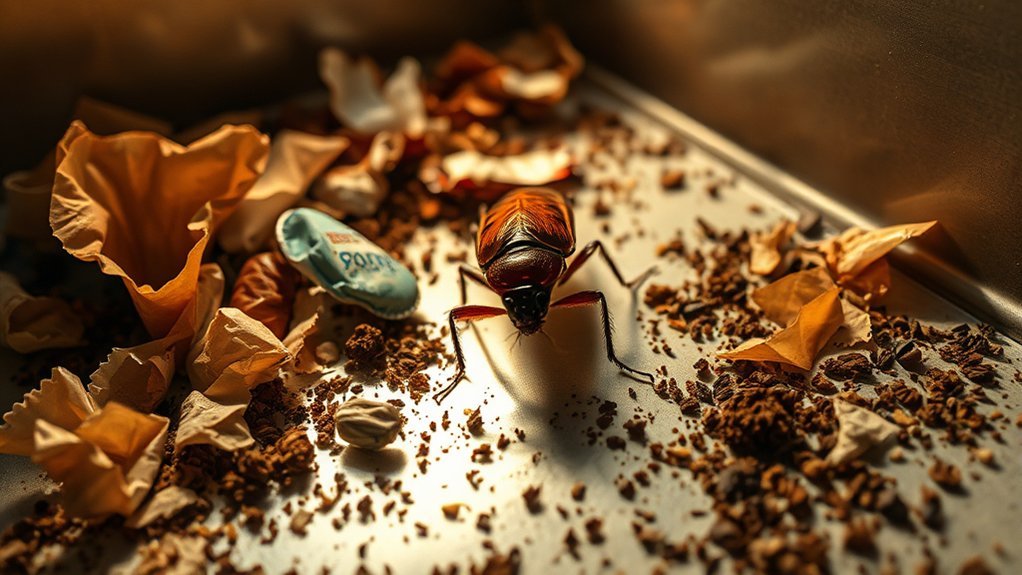
Clutter doesn’t just make a home look messy—it gives cockroaches almost everything they need to survive and breed undetected. When you leave stacked boxes, paper piles, and stored items undisturbed, you’re creating conditions roaches actively seek out.
Clutter isn’t just an eyesore—it gives cockroaches the shelter, food, and hiding spots they need to thrive.
Here’s what clutter provides them:
- Hidden harborage — Stacks of cardboard, magazines, and bags create dark, protected resting spots that are nearly impossible to inspect.
- Food sources — Cockroaches consume the starchy adhesives in cardboard, turning your storage boxes into both shelter and meals.
- Trapped moisture — Piles of clothing and paper hold dampness underneath, creating humid microenvironments where roaches breed easily.
- Protection from cleaning — Dense storage blocks vacuuming, wiping, and inspection, letting populations expand unnoticed.
Switching from cardboard to sealed plastic containers, removing paper accumulations, and clearing storage corners eliminates the cover roaches depend on to stay established in your home.
How Cockroaches Spread Through Apartments and Shared Walls
Even if your apartment is spotless, cockroaches can still reach you through the building itself. Shared walls, pipe chases, plumbing penetrations, and electrical conduits all create hidden highways between units. A roach doesn’t need an open door—it needs a gap around a drain pipe or a crack behind a cabinet.
German cockroaches are the primary species driving apartment spread. They cluster in warm, humid kitchens and bathrooms before moving outward through shared building infrastructure. Brown-banded cockroaches follow similar routes.
Once one unit becomes infested, neighboring apartments—including those directly above, below, and across the hall—face measurably higher risk. That single infested unit acts as a seed population, continuously reintroducing cockroaches into treated spaces.
Treating only your apartment won’t solve the problem if connected units remain untreated. Building-wide treatment is what actually breaks the cycle, because the building itself is the real infestation network.
How to Seal Entry Points, Cut Moisture, and Prevent Reinfestation
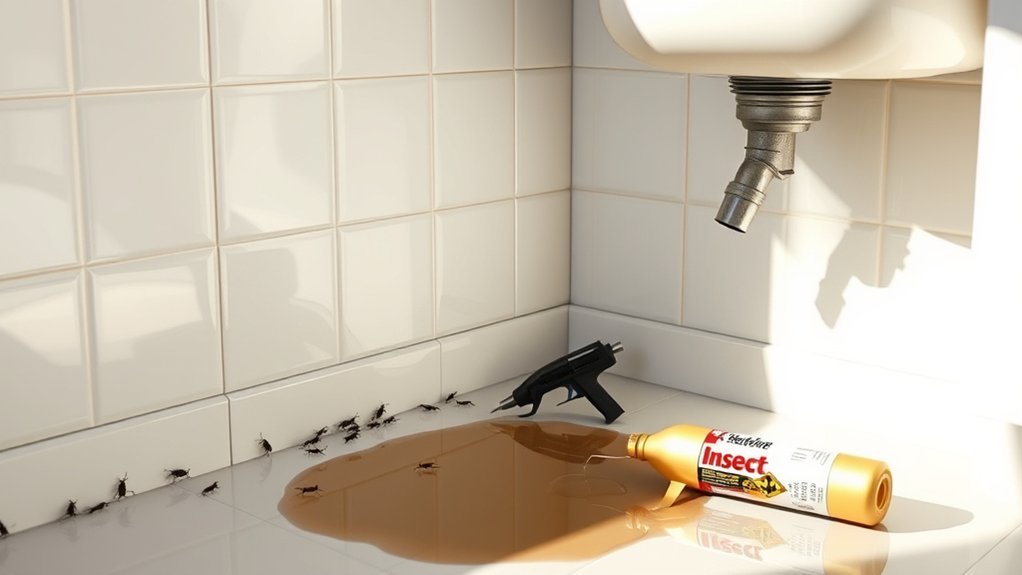
Sealing your home against cockroaches comes down to three coordinated actions: closing the physical gaps they travel through, eliminating the moisture they depend on, and maintaining those defenses so reinfestation doesn’t quietly take hold again.
Start by targeting the most exploited entry points and conditions:
- Seal cracks and utility penetrations — Apply silicone caulk around baseboards, cabinets, and door frames. Use expanding foam or steel wool-backed sealant around pipes, conduits, and larger wall gaps.
- Address plumbing zones — Inspect under sinks, behind toilets, and near utility lines. Install drain screens and recheck pipe seals regularly since moisture and movement reopen them.
- Cut moisture sources — Fix leaks immediately, ventilate humid rooms, insulate sweating pipes, and run dehumidifiers in basements and crawl spaces.
- Reinspect every six months — Check weatherstripping, door sweeps, caulk, and exterior foundation seals before seasonal changes widen any failures.
Frequently Asked Questions
Can Cockroaches Survive Without Food for Extended Periods of Time?
Yes, cockroaches can survive without food for weeks to months. You’d be surprised — they’ll outlast your cleaning efforts easily. Water matters more, so don’t overlook leaks and moisture in your home.
Are Certain Cockroach Species More Likely to Invade Clean Homes?
Yes, certain species target clean homes more than others. German cockroaches thrive where there’s warmth and moisture, brown-banded cockroaches prefer dry indoor spaces, and American cockroaches enter through drains and gaps, regardless of your home’s cleanliness.
How Quickly Can a Small Cockroach Problem Become a Full Infestation?
A small cockroach problem can become a full infestation within just a few months. If conditions are warm and humid, you’re looking at population doubling every 48 days, turning a handful of roaches into hundreds fast.
Do Cockroaches Carry Diseases That Pose Risks to Human Health?
Yes, cockroaches do carry diseases that can harm you. They’ll transfer bacteria like Salmonella and E. coli onto your food and surfaces, triggering illnesses like salmonellosis, gastroenteritis, and dysentery through indirect contamination.
Are Cockroach Problems Worse During Specific Seasons of the Year?
Yes, cockroach problems are worse in summer. You’ll see more activity when temperatures hit 78–85°F, as warmth speeds up breeding. They’re less visible in winter but don’t disappear if you’ve got heat indoors.
Conclusion
You’ve now got a clearer picture of why cockroaches show up even when you’re keeping things tidy. They’re not just chasing messes — they’re chasing warmth, moisture, and easy entry points. Once you understand what’s actually drawing them in, you can tackle the real problem. Seal those gaps, fix leaky pipes, and stay vigilant about what you’re bringing inside. You don’t have to live with cockroaches, and you won’t have to if you act smart.
