
Can Cockroach Droppings Make You Sick?
Cockroach droppings can indeed make you sick by spreading bacteria like Salmonella and E. coli. They contaminate food, utensils, and surfaces, leading to food poisoning and gastrointestinal disorders. Allergens from droppings can trigger asthma and respiratory issues, especially in vulnerable populations like children and those with weakened immune systems. Keeping surfaces clean and dry, sealing entry points, and regular maintenance help prevent these health risks. Discover effective strategies to protect yourself from cockroach-related illnesses.
Key Takeaways
- Cockroach droppings carry bacteria like Salmonella and E. coli, leading to potential food poisoning and gastrointestinal issues.
- Allergens from droppings can trigger asthma and respiratory problems, especially in urban and crowded environments.
- Vulnerable populations, including children and those with weakened immune systems, face heightened health risks from exposure.
- Droppings act as reservoirs for bacteria, spreading pathogens across surfaces and increasing contamination risk.
- Maintaining hygiene and cleanliness can prevent health risks from cockroach droppings and reduce infestation chances.
Understanding Health Risks From Cockroach Droppings
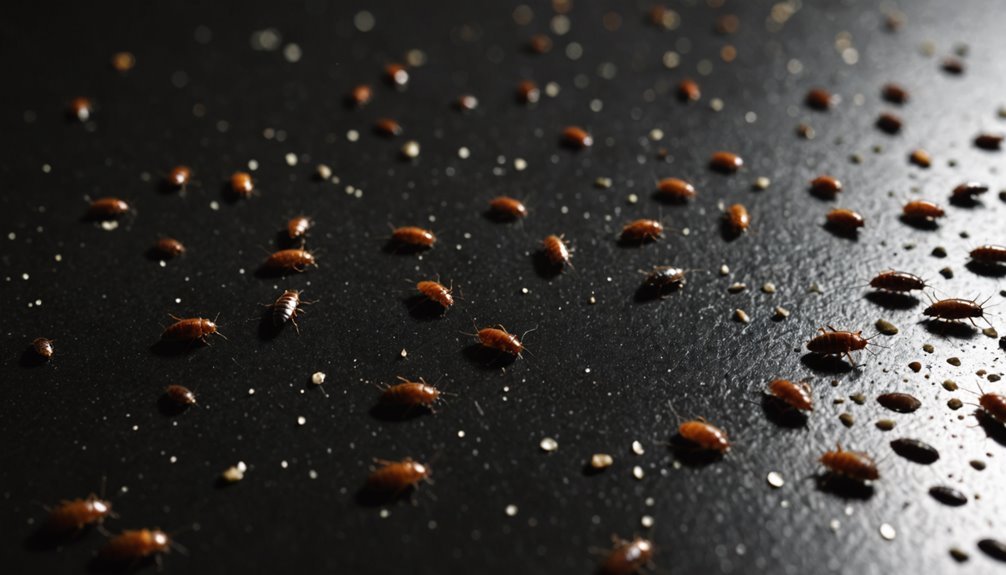
While often viewed as mere nuisances, cockroach droppings pose significant health risks. They can carry pathogenic bacteria like Salmonella and E. coli from unsanitary environments into your home. These droppings contaminate food, utensils, and countertops, increasing your risk of ingesting harmful microbes. Health agencies classify cockroaches as a human health concern due to their role in disease transmission and indoor contamination. In homes with heavy infestations, the risk is even greater as droppings repeatedly contaminate surfaces. Kitchens and dining areas are particularly vulnerable since cockroaches are attracted to crumbs and spills. Ingesting microbes from contaminated droppings can lead to food poisoning and gastrointestinal disorders. Children are especially at risk, making vigilance essential in preventing these health issues. Cockroach droppings also contain allergens that can trigger allergies and asthma, particularly affecting those with respiratory conditions.
How Cockroach Droppings Trigger Allergies and Asthma
You mightn’t realize it, but cockroach droppings release allergenic proteins into the air that can seriously impact respiratory health. When inhaled, these particles can trigger symptoms like wheezing and shortness of breath, especially in vulnerable populations such as children and those living in urban areas. Understanding how these airborne allergens affect you is essential in managing allergies and asthma. Cockroach allergens can lead to nasal symptoms and exacerbate asthma, particularly in urban environments and schools.
Airborne Allergen Exposure
Even in seemingly calm environments, cockroach droppings and their remnants can release allergenic proteins into the air, triggering allergies and asthma. You mightn’t realize it, but these allergens can become airborne from infested dust, affecting your health.
Consider these facts:
- Sources: Allergenic proteins in feces, body parts, and saliva can get airborne.
- Exposure: Inhalable particles often exceed 10 microns, easily entering your respiratory system.
- Settings: Infestations in cluttered, damp environments raise allergen levels, especially in low-cost or urban housing.
- Mechanism: Sensitized individuals suffer year-round symptoms due to ongoing exposure. Studies show that cockroach allergen levels in Strasbourg are comparable to those in U.S. towns, highlighting the global nature of this issue.
Understanding these factors helps you take action, especially if you live in high-risk areas. Reducing cockroach populations can greatly lower allergen exposure.
Respiratory Health Impact
Although often unnoticed, cockroach droppings and their remnants play an important role in triggering allergies and asthma. When you inhale proteins from cockroach droppings, saliva, and decomposing bodies, they can inflame and constrict your airways. This leads to wheezing, coughing, and shortness of breath.
Cockroach allergens mix with indoor dust, and even tiny airborne particles can provoke symptoms. These allergens are a common indoor trigger for allergic asthma, making life difficult for those with sensitivities. If you’re sensitized, even a small exposure can worsen existing asthma or trigger new symptoms.
Effective pest control and reducing dust are essential, as these allergens settle on bedding, carpets, and furniture, impacting respiratory health considerably.
Vulnerable Populations Affected
While cockroach droppings impact everyone, certain groups are particularly vulnerable to their allergens. If you live in low-income urban areas, you’re at a higher risk, especially if you’re part of these groups:
- Children and Young Adults: Inner-city children often face increased asthma morbidity due to early and frequent exposure.
- Atopic Families: Kids from families with a history of allergies may develop asthma sooner with early exposure.
- Inner-City Residents: Crowded living conditions increase exposure to airborne allergens.
- Asthma Patients: Those already suffering from asthma may experience more severe symptoms and require hospital care.
Cockroach allergens in droppings and body parts can become airborne, triggering allergic responses.
Reducing exposure is essential for minimizing health risks.
Asthma Triggers From Cockroach Exposure
When you’re exposed to airborne cockroach allergens, it can aggravate respiratory symptoms, especially if you’re sensitive.
Vulnerable populations, like inner-city children, face higher risks of severe asthma episodes due to this exposure.
Reducing contact with these allergens is essential to managing asthma symptoms effectively.
Airborne Allergen Exposure
Cockroach allergens, found in body parts, saliva, feces, and decomposing remains, can become airborne when disturbed, leading to inhalation into your nose and lungs. This exposure often occurs during normal activities at home, where allergens mix with household dust.
Persistent allergenic residues pose a risk even from dead cockroaches. For asthma sufferers, this can be particularly concerning, as cockroach exposure is a major trigger.
Consider these key points:
- Allergen sources: Include body parts, saliva, and feces.
- Airborne risk: Occurs both in disturbed and undisturbed environments.
- Asthma impact: Common trigger, especially in urban settings.
- Population burden: Affects 17% to 41% of the U.S. population.
Reducing exposure can help manage these risks.
Respiratory Symptom Aggravation
Exposure to cockroach allergens can greatly worsen asthma symptoms, especially in those who are sensitized. These allergens come from droppings, saliva, body parts, and secretions, triggering symptoms like coughing, wheezing, chest tightness, and shortness of breath.
The proteins provoke an allergic immune response, inflaming the airways and causing bronchial constriction and increased mucus production.
Even tiny amounts of these allergens can lead to severe reactions. Inhaled particles are a common year-round trigger, particularly in urban settings, causing chronic symptoms.
Feces, saliva, and decomposing bodies mix with household dust, making them easy to inhale. The impact of cockroach allergens on asthma morbidity can be greater than other common triggers, considerably affecting those with asthma.
Vulnerable Populations Affected
Despite the challenges presented by cockroach allergens, understanding who’s most at risk is essential. You’ll find that certain groups are more vulnerable to asthma triggers from cockroach exposure:
- Children with asthma: They face higher asthma morbidity due to indoor exposure.
- Inner-city and low-income urban children: These children show strong links between cockroach sensitization and asthma issues.
- People sensitized to cockroach allergens: They’re more prone to asthma attacks from exposure to feces, saliva, and body parts.
- Residents of infested homes: They’ve increased risk as allergen particles become airborne and mix with indoor dust.
Cockroach allergens are a year-round asthma trigger, especially affecting these sensitive groups.
Managing exposure is vital for reducing asthma risks.
How Cockroaches Contaminate Food
While they may seem like mere nuisances, cockroaches pose significant risks to food safety by contaminating your food in multiple ways. They crawl over your uncovered food, transferring harmful microbes from unsanitary areas. Their saliva and regurgitation further spread contamination, making even sealed areas vulnerable. Cockroaches also hide in packaging, turning your pantry into a contamination zone. Cross-contamination is common when they move between dirty spots and your food.
| Contamination Method | Description | Risk Factor |
|---|---|---|
| Direct Food Contact | Crawling on uncovered foods | High |
| Saliva and Regurgitation | Spreading microbes through bodily fluids | Moderate |
| Packaging and Storage | Hiding in boxes and cabinets | Variable |
| Cross-Contamination | Moving between dirty and clean areas | High |
| Pathogen Transmission | Carrying bacteria, fungi, viruses, parasites | Significant |
Bacterial Risks From Cockroach Droppings
- Bacteria Reservoirs: Cockroach feces store bacteria, including *Enterobacteriaceae*, *Staphylococcus*, and *Mycobacterium*, contaminating kitchens and hospitals.
- Pathogen Carriers: Roaches mechanically carry pathogens without multiplication, spreading them across surfaces.
- Disease Potential: Exposure to bacteria like *Shigella* and *Staphylococcus aureus* can cause illnesses, from diarrheal diseases to skin infections.
- Cross-Contamination: Droppings on counters and utensils can transfer bacteria to food, increasing infection risks.
These factors highlight why maintaining hygiene and controlling roach populations is essential for health safety.
Identifying High-Risk Groups for Exposure
Understanding which groups are most at risk from cockroach exposure is essential for targeted health interventions.
Infants and young children face heightened risks due to their frequent contact with contaminated floors and surfaces, leading to asthma and severe diarrhea from rotavirus.
If you have asthma or other respiratory conditions, you’re vulnerable because cockroach allergens can worsen your symptoms, especially with ongoing exposure.
For those with weakened immune systems, exposure to contaminants like *Cryptosporidium parvum* and fungal agents increases infection risks.
Older adults, particularly those with preexisting lung issues, are also at high risk, as respiratory morbidity can be more severe.
Preventing Health Risks From Cockroach Droppings
Recognizing high-risk groups helps in taking effective measures to minimize health risks from cockroach droppings.
You’re not alone in facing this issue, and there are steps you can take to protect your home and health.
Focus on these key strategies:
- Reduce Moisture: Fix leaks and keep surfaces dry. Run water occasionally in unused areas to prevent dampness.
- Block Entry Points: Seal cracks and gaps. Use screens on doors and windows to keep cockroaches out.
- Remove Food and Crumbs: Clean up promptly after meals and store food in airtight containers.
- Cut Down Harborage: Declutter and clean around appliances to eliminate hiding spots.
Effective Cockroach Cleanup Strategies
Tackle cockroach cleanup with a strategic approach to guarantee a healthier home environment.
Start by vacuuming with a crevice tool to remove droppings, skins, and debris from hidden spots like cracks and cabinets. Empty and seal the vacuum bag immediately.
Next, wash hard surfaces such as countertops and floors with soap and water to eliminate allergens and grease.
Clean countertops and floors with soap and water to remove allergens and grease effectively.
Keep moisture in check by repairing leaks and drying surfaces. Seal entry points with caulk and install door sweeps to prevent reentry.
Store food in airtight containers and remove clutter.
Finally, dispose of trash regularly and use sticky traps to monitor activity.
Repeat inspections to verify no egg cases or hidden roaches remain.
Frequently Asked Questions
How Do You Identify Cockroach Droppings?
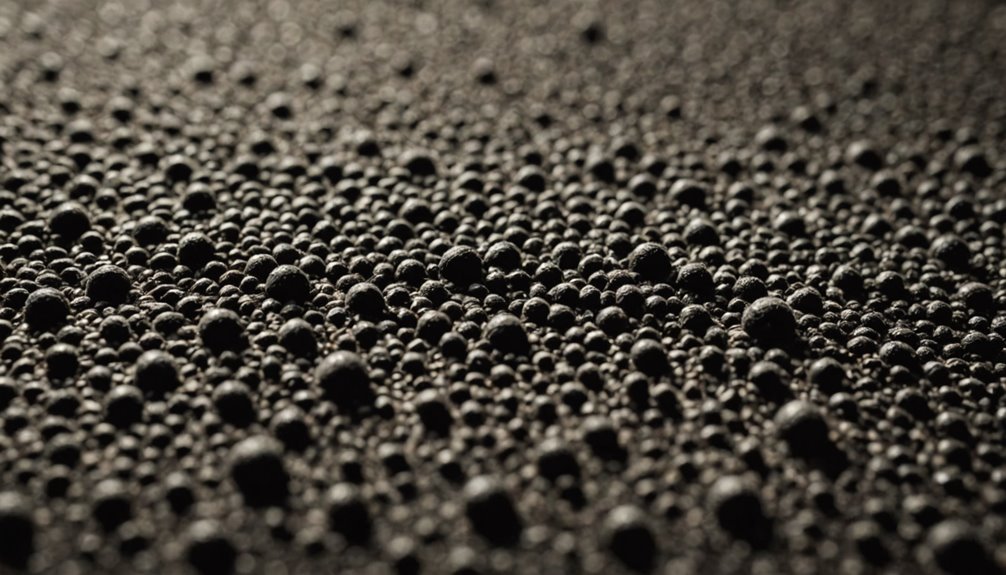
To identify cockroach droppings, look for specks resembling black pepper or coffee grounds. Larger droppings appear cylindrical, like rice grains. Check warm, dark areas for clusters and notice any musty odors or smudges when wiping.
Can Pets Be Affected by Cockroach Allergens?
Yes, your pets can be affected by cockroach allergens. They might itch, scratch, or develop respiratory issues. Cockroach exposure can also lead to vomiting or diarrhea. Regular cleaning and pest control help protect your pets.
What Are Signs of a Cockroach Infestation?
You’ll notice signs like black pepper-like droppings, egg cases, and shed skins. Smear marks, musty odors, and food contamination are also indicators. Spotting live roaches, especially during the day, suggests a larger infestation.
Are Certain Seasons Worse for Cockroach Infestations?
Yes, infestations are worse in warmer months. You’ll notice more activity in spring and summer since roaches thrive in heat and humidity. They breed faster and seek indoor shelter, making infestations more common.
How Long Do Cockroach Allergens Remain in the Home?
Cockroach allergens can linger in your home for months, sometimes persisting up to a year. Even after extermination, they remain in dust, fabrics, and hard-to-clean areas, requiring thorough cleaning to reduce allergen levels effectively.
Conclusion
You can protect yourself from the health risks posed by cockroach droppings with a few proactive steps. Keep your living space clean and free of food debris to prevent infestations. If you spot droppings, clean them up immediately using proper sanitation methods. Consider seeking professional pest control services if the problem persists. By staying vigilant and taking action, you’ll reduce your risk of allergies, asthma, and bacterial infections linked to these unwelcome pests.
